
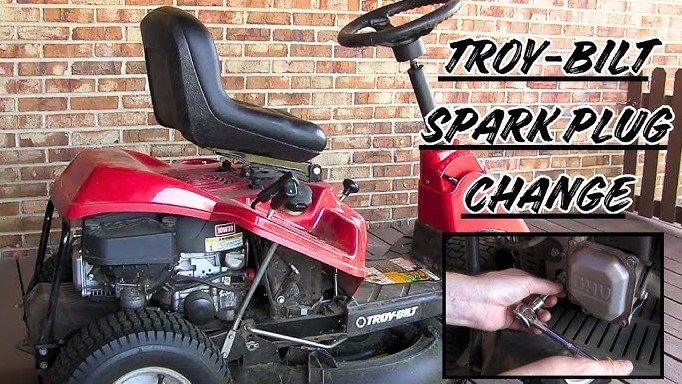
Locating the spark plug on a riding mower is usually straightforward once you know what to look for. By identifying the thick, black rubber wire connected to the engine block, you can quickly access the heart of your ignition system for routine maintenance. This simple step will help you troubleshoot starting issues and keep your machine running smoothly all season long.
If you have spent a sunny Saturday morning frustrated in your garage, wondering where is the spark plug on riding lawn mower models, you are not alone. It is the most common question for new mower owners. When your engine refuses to turn over, the spark plug is often the culprit. Understanding its location is the first step toward reclaiming your weekend and getting back to that perfectly manicured lawn.
In 2026, lawn mowers are more advanced than ever, but the internal combustion engine remains the core of most machines. Even with the rise of electric mowers, the classic riding tractor is still a staple for large properties.
Knowing where to find that tiny piece of hardware can save you a service call and help you feel more confident in your mechanical skills. Let us dive into the nitty-gritty of locating your spark plug and keeping your engine firing on all cylinders.
Key Takeaways
- Visual Identification: Look for a thick rubber wire leading to a porcelain-cased plug screwed into the engine cylinder head.
- Engine Types Matter: Single-cylinder engines place the plug on the side or front, while V-Twin engines require checking both sides.
- Safety First: Always disconnect the spark plug wire before working on the mower deck or engine to prevent accidental startups.
- Access Challenges: Some modern riding mowers require removing a side panel or heat shield to reach the plug.
- Maintenance Timing: Replace your spark plug annually or every 100 hours of operation to ensure peak fuel efficiency.
- Tool Necessity: Use a dedicated spark plug socket and a ratchet to avoid cracking the porcelain during removal.
Understanding Your Engine Layout
Before you start poking around under the hood, it is helpful to know what you are looking for. The location of the spark plug depends largely on the engine configuration of your specific riding mower. Most manufacturers use one of two main types of engines: the classic single-cylinder engine or the more powerful V-Twin engine.
Single-Cylinder Engines
If your mower has a single-cylinder engine, the spark plug is almost always located on the front or the side of the engine block. You will see a single, thick rubber wire—often called a spark plug wire snaking its way from the engine coil toward the plug. If you follow that wire, it will lead you directly to the plug. It looks like a small, white or tan porcelain cap stuck into the metal of the engine.
V-Twin Engines
For those with larger, high-performance tractors, you likely have a V-Twin engine. These engines look like a “V” shape from the top. The good news here is that you have two spark plugs to deal with! You will find one on each side of the engine.
This design provides more power, but it also means you should check both plugs if your engine is running roughly or struggling to start. If you have ever wondered exactly where is the spark plug on riding lawn mower engines with this dual configuration, just look at the lower side walls of the engine block.
How to Safely Locate and Access the Plug?
Safety is the golden rule of mower maintenance. Before you go searching for the spark plug, park your mower on a flat, level surface. Engage the parking brake and remove the key from the ignition. You never want the engine to accidentally start while your hands are near the cooling fan or the spark plug wire.
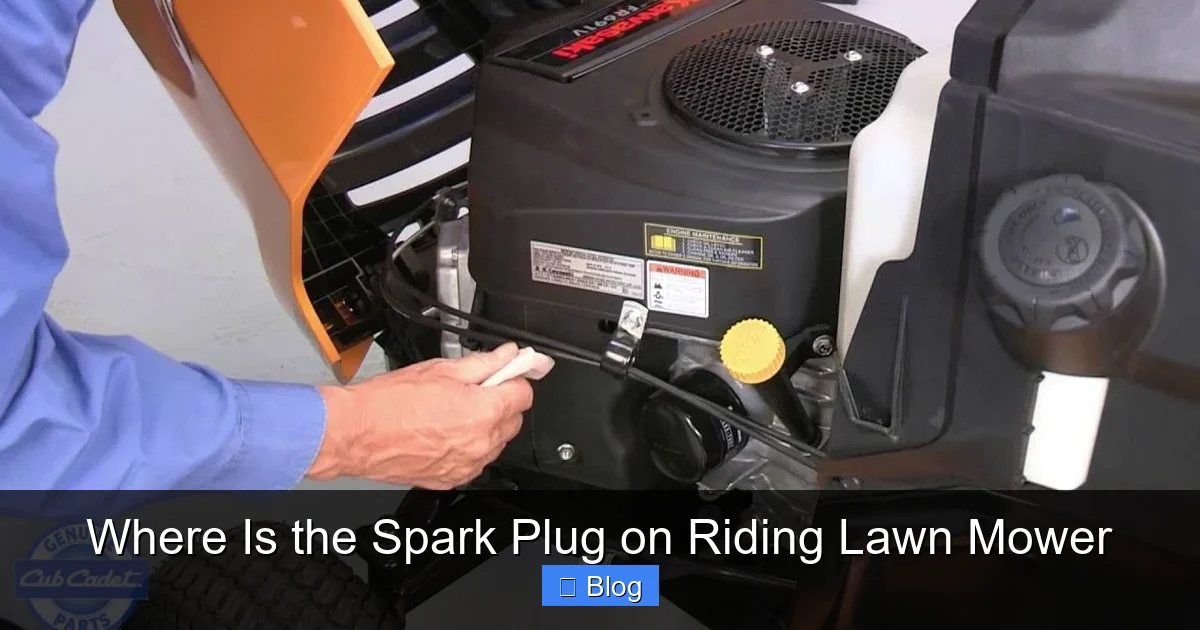
Visual guide about Where Is the Spark Plug on Riding Lawn Mower
Image source: i.ytimg.com
Removing Exterior Shields
On many modern riding mowers, the engine is tucked away behind side panels or heat shields for a cleaner look. If you cannot see the spark plug wire immediately after opening the hood, you may need to remove a plastic cover. These usually snap into place or are held by a few simple screws. Once that panel is off, the engine becomes much more accessible.
Following the Wire
The easiest way to find the spark plug is to follow the thick, black rubber wire. It is the only wire on the engine that is significantly thicker than the rest. It connects the ignition coil to the spark plug. If you find the boot the rubber end piece you have found the plug. Gently wiggle the boot to confirm it is seated, and you have officially located your target.
Tools You Will Need for Maintenance
Finding the spark plug is only half the battle. If you plan to remove it for an inspection or replacement, you need the right tools. Using the wrong tools, like a standard wrench, can damage the porcelain shell of the plug, which is surprisingly fragile. Always use a dedicated spark plug socket.
The Importance of a Spark Plug Socket
A spark plug socket is lined with rubber on the inside. This rubber insert serves two purposes: it grips the plug so it does not fall out, and it cushions the porcelain to prevent breakage. If you try to use a deep-well socket from a standard kit, you risk cracking the plug, which will cause your engine to misfire or fail to start entirely.
Ratchet Extensions
Because spark plugs are often buried deep in the crevices of a mower engine, a long ratchet extension is your best friend. It allows you to reach into tight spaces without having to shove your entire hand into a hot engine compartment. Always wait for the engine to cool down completely before you start working. Touching a hot engine is a recipe for a painful burn.
Troubleshooting Common Starting Issues
Now that you know where is the spark plug on riding lawn mower machines, you can use it as a diagnostic tool. If your mower won’t start, the spark plug is the first place you should look. It acts as a report card for your engine’s health.
Reading the Spark Plug
Once you remove the plug, look at the firing end. A healthy plug should be a light tan or gray color. If it is covered in thick black soot, your engine might be running too “rich,” meaning there is too much fuel and not enough air. If it is wet with oil, you might have worn piston rings. If it is bright white, the engine might be overheating. These visual clues tell you exactly what your engine needs.
Testing for Spark
If you suspect the plug is bad, you can test it. Reconnect the plug wire to the spark plug, and hold the metal base of the plug against the metal frame of the engine. Have a friend turn the ignition key briefly. You should see a bright blue spark jump across the gap. If the spark is yellow or nonexistent, it is time for a new plug.
Routine Maintenance Tips for 2026
Maintenance is not just about fixing things when they break; it is about preventing the breakdown in the first place. By 2026, mower parts have become incredibly affordable, so there is no reason to skip a quick annual swap. A new spark plug costs only a few dollars and can make your engine run like it is brand new.
When to Replace
The general rule of thumb is to replace the spark plug at the start of every mowing season or after every 100 hours of use. If your mower sits for long periods, the spark plug can oxidize or gather moisture, making it harder to ignite the fuel. A fresh plug ensures that your mower starts on the first or second turn every single time.
Proper Installation
When installing a new plug, do not over-tighten it. Start by threading it in by hand to avoid cross-threading the cylinder head, which is an expensive mistake. Once it is finger-tight, use your socket to turn it another half-turn to three-quarters of a turn. This creates a perfect seal without stripping the metal threads.
The Future of Mower Maintenance
As we move through 2026, we are seeing more sensors integrated into riding mowers. Some high-end models now feature “smart” ignition systems that alert you via a smartphone app when the spark plug gap is widening or the electrode is wearing down. While these features are convenient, the core physical location of the spark plug remains consistent across the industry.
Even with the best technology, manual inspections remain the gold standard. Developing the habit of checking your plug will make you a more capable owner. Whether you are mowing a half-acre lot or a massive estate, understanding the basics of your engine is empowering. It keeps your costs down, your lawn beautiful, and your equipment reliable for years to come.
If you still feel hesitant about performing this maintenance, remember that practice makes perfect. The first time you reach into the engine to locate the plug might feel intimidating, but by the third time, it will be second nature. Always consult your mower’s user manual for the specific part number required for your engine. Using the manufacturer-recommended plug ensures the best performance and engine life.
In conclusion, the mystery of where is the spark plug on riding lawn mower models is easily solved with a bit of observation and the right approach. By keeping an eye on the condition of your plug and performing regular maintenance, you ensure that your mower remains a reliable partner in your yard care routine. Happy mowing!
Frequently Asked Questions
How often should I change my spark plug?
You should aim to replace your spark plug at least once every mowing season or every 100 hours of engine operation. This simple act keeps your engine running efficiently and prevents hard-starting issues throughout the year.
Can I clean a dirty spark plug instead of replacing it?
While you can clean carbon buildup off a plug with a wire brush, it is usually not worth the effort given how inexpensive new ones are. A fresh spark plug guarantees a strong, consistent spark, which is crucial for a reliable start.
What happens if I cross-thread the spark plug?
Cross-threading can damage the internal threads of your engine’s cylinder head, which often requires a costly professional repair. Always start threading the plug by hand to ensure it is aligned correctly before finishing with a socket.
Why does my spark plug keep turning black?
A black, sooty plug often indicates that your mower is running too rich, meaning it is getting too much fuel and not enough air. Check your air filter first, as a clogged filter is the most common cause of this issue.
Does it matter which spark plug I buy?
Yes, it is essential to use the exact model recommended in your mower’s owner’s manual. Using the wrong heat range or thread length can cause engine damage or significantly reduced performance.
Is it safe to pull the spark plug wire while the engine is running?
No, you should never touch the spark plug or its wire while the engine is running. Doing so can cause a severe electrical shock and may damage the ignition coil or other sensitive electronics on your mower.