
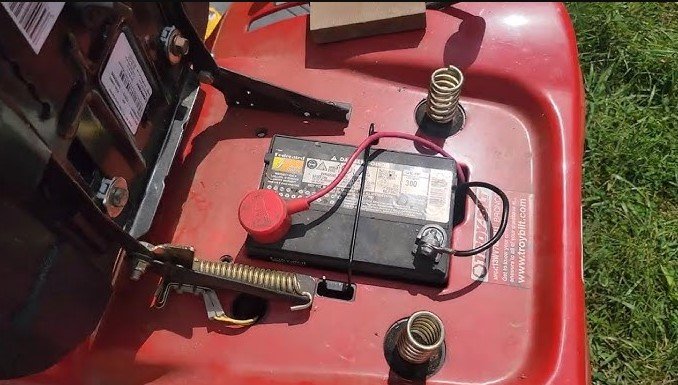
Most standard lawn mowers use a 12-volt lead-acid battery, specifically known as the U1 group size. While traditional flooded or AGM batteries remain the industry standard for gas-powered mowers, modern electric models are shifting toward high-capacity lithium-ion technology for better efficiency and longevity.
There is nothing quite as frustrating as walking out to the shed on a Saturday morning, turning the key on your riding mower, and hearing nothing but a hollow clicking sound. It is a rite of passage for every homeowner. When this happens, you might find yourself standing in the aisle of an auto parts store wondering, what type of battery is a lawn mower battery anyway?
In 2026, the technology behind these batteries has become more diverse than ever before. While we still rely on the sturdy, dependable lead-acid batteries that have been around for decades, the rise of battery-operated electric mowers has introduced powerful lithium-ion systems into the mix. Understanding which battery powers your machine is the secret to a well-manicured lawn and a stress-free maintenance routine.
Key Takeaways
- U1 Group Size: The most common battery type for lawn mowers is the U1 lead-acid battery, which fits almost all standard riding mowers.
- Lead-Acid vs. Lithium: Gas mowers typically use lead-acid batteries, while newer electric mowers use advanced lithium-ion battery packs.
- Maintenance Matters: Keeping your terminals clean and using a trickle charger during winter storage will significantly extend your battery life.
- Voltage Standards: Almost all residential riding mowers operate on a 12-volt system to power the starter motor and safety sensors.
- Safety First: Always handle lawn mower batteries with care, as they contain sulfuric acid and can release gases if damaged or improperly charged.
Understanding the Standard U1 Battery
If you own a traditional gas-powered lawn tractor, you are almost certainly using a U1 battery. This industry-standard size is specifically designed for the cramped engine compartments of small outdoor power equipment. It is small, compact, and provides the necessary cold cranking amps (CCA) to kickstart your engine.
What is a U1 Battery?
The “U1” refers to the physical dimensions of the battery case. These batteries are roughly 8 inches long, 5 inches wide, and about 7 inches tall. Because this size is universal across almost all riding mower brands, you can easily find replacements at any hardware or automotive shop. They provide a reliable 12 volts of power, which is the standard electrical output required for residential lawn equipment starters.
Flooded vs. AGM Technology
Within the U1 category, you generally have two choices: flooded lead-acid and Absorbent Glass Mat (AGM). Flooded batteries are the traditional kind where you might occasionally need to top off the water levels if the caps are removable. They are cost-effective and proven. AGM batteries, on the other hand, are sealed. They are spill-proof, handle vibrations much better—which is vital for a mower bouncing over a bumpy lawn—and generally have a longer lifespan. If you want a “set it and forget it” solution, AGM is worth the extra few dollars.
The Rise of Lithium-Ion in Lawn Care
If you have purchased a lawn mower in the last year or two, you might have skipped the gas engine entirely. The transition to electric mowers has been rapid, and these machines use a completely different type of power source. Instead of a single 12-volt box, these mowers utilize large lithium-ion battery packs.
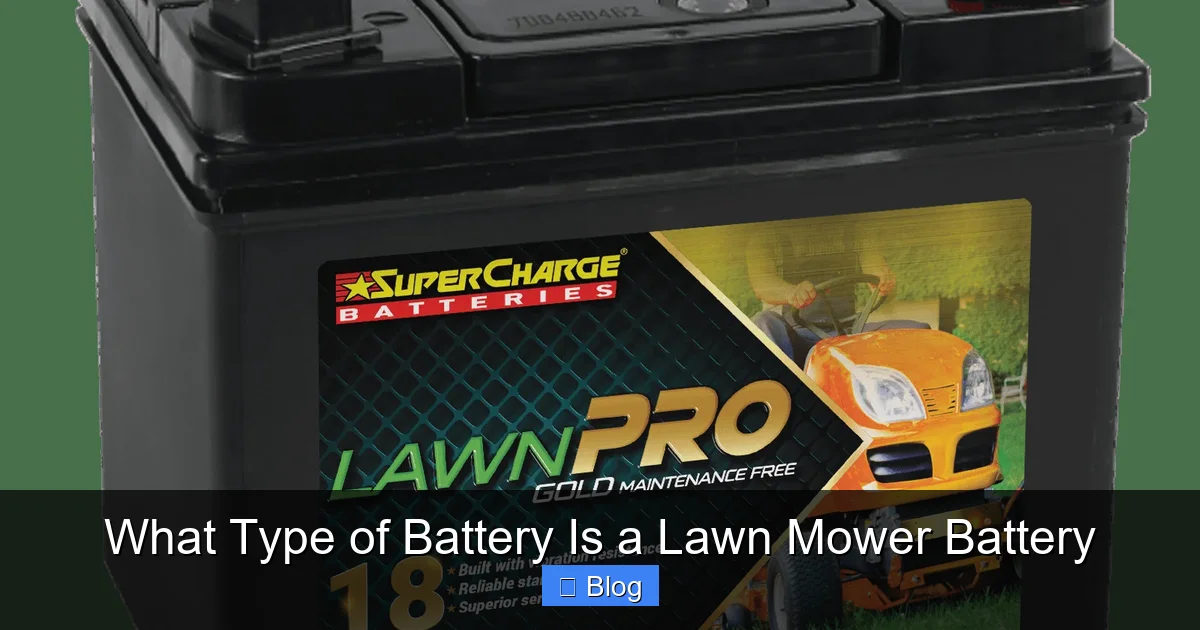
Visual guide about What Type of Battery Is a Lawn Mower Battery
Image source: budgetbatteries.com.au
Why Lithium-Ion is Changing the Game
Lithium-ion batteries are much lighter than lead-acid batteries. This makes the mower easier to maneuver and improves overall efficiency. Unlike lead-acid batteries, which lose power gradually as they drain, lithium-ion packs provide consistent power until they are completely empty. Furthermore, they can be charged hundreds of times without the “memory effect” that plagued older battery types.
Safety and Management Systems
These packs are not just a collection of cells; they include a Battery Management System (BMS). This electronic circuit protects the battery from overcharging, overheating, and short-circuiting. Because lithium-ion batteries are more sensitive to temperature and charge cycles, this internal “brain” is essential for your safety and the longevity of the expensive battery pack.
Identifying the Correct Battery for Your Mower
Knowing what type of battery is a lawn mower battery is only half the battle; you also need to know if it is the right one for your specific machine. Never assume that just because a battery fits in the tray, it is the correct choice for your engine.
Checking Cold Cranking Amps (CCA)
The CCA rating indicates how much power the battery can provide to the starter motor in cold temperatures. If you live in an area where you might start your mower on a chilly spring morning, you need a higher CCA rating. Always check your owner’s manual for the minimum CCA requirement. Using a battery with too little power will cause your starter to drag and could lead to premature failure of your electrical components.
Terminal Configuration
Even if the group size is correct, check the terminal positions. Some mowers require a “positive on the left” configuration, while others require “positive on the right.” If you buy the wrong one, your battery cables might be too short to reach the terminals, leading to a frustrating trip back to the store. Always take a photo of your existing setup before heading to the shop.
Battery Maintenance Tips for Longevity
Regardless of what type of battery is a lawn mower battery in your shed, maintenance is the key to getting more than just a season or two out of it. Most lawn mower batteries die because they are left sitting in a discharged state for too long.
The Importance of Winter Storage
During the winter months when your mower is parked, the battery will naturally lose its charge. This process, called self-discharge, can lead to sulfation—a chemical buildup on the internal plates that kills the battery. To prevent this, invest in a “smart” trickle charger or a battery tender. These devices monitor the charge and keep the battery at its optimal voltage without overcharging it, ensuring it is ready to go the moment the grass starts growing again.
Keeping Terminals Clean
Corrosion is the enemy of electrical flow. You might notice a white or blueish crust forming around the terminals. This is usually due to battery gases reacting with the metal. Clean your terminals once per season using a mixture of baking soda and water, scrubbed with an old toothbrush. After cleaning, apply a thin layer of dielectric grease or terminal protector spray to prevent oxygen from reaching the metal and starting the corrosion process again.
When to Replace Your Mower Battery
Even with the best care, all batteries have a finite lifespan. Knowing when to quit is just as important as knowing how to maintain them. A lead-acid lawn mower battery typically lasts about three to five years, while lithium-ion packs can last much longer if treated correctly.
Signs of a Dying Battery
The most obvious sign is a struggle to start. If the engine turns over very slowly, or if the lights on your mower dim significantly when you turn the key, your battery is likely failing. If you have to jump-start your mower every single time you use it, the battery is no longer holding a charge and needs to be replaced. Continuing to use a bad battery puts unnecessary stress on your mower’s alternator or charging system, which can lead to much more expensive repairs.
Recycling Your Old Battery
Never throw a lead-acid battery in the regular trash. These contain hazardous lead and toxic sulfuric acid. Most retailers that sell batteries are legally required to accept your old one for recycling. In fact, many stores will even give you a “core charge” refund if you bring your old battery with you when you purchase the new one. It is a simple step that helps keep the environment clean.
Conclusion
Whether you are dealing with a classic U1 lead-acid battery in your ride-on mower or a sophisticated lithium-ion pack in your electric unit, these components are the heart of your lawn care equipment. By understanding what type of battery is a lawn mower battery for your specific model, you can troubleshoot issues, perform basic maintenance, and ensure that your mower starts reliably every single time.
Remember that the small investment in a battery tender or a simple terminal cleaning kit can save you hundreds of dollars in replacement costs over the life of your machine. Keep your connections tight, your charge consistent, and your mower will be ready to tackle any lawn that comes your way. Happy mowing!
Frequently Asked Questions
How long does a typical lawn mower battery last?
A standard lead-acid lawn mower battery typically lasts between three and five years with proper maintenance. Lithium-ion batteries in electric mowers can last much longer, often five to ten years, depending on the number of charge cycles and storage conditions.
Can I use a car battery in my lawn mower?
Technically, you can use a car battery if it fits in the tray and has the correct voltage, but it is not recommended. Car batteries are often too large, and their internal construction is not optimized for the high-vibration environment of a lawn mower, which can lead to early failure.
What is the “core charge” I see on my receipt?
A core charge is a deposit you pay when buying a new battery, which is refunded to you when you return your old, “dead” battery to the retailer. This program ensures that lead-acid batteries are properly recycled rather than ending up in a landfill.
Why does my battery keep dying over the winter?
Batteries undergo a natural process called self-discharge, where they lose their chemical potential over time. If left in a cold garage without a trickle charger, the battery can drop below a critical voltage, causing permanent internal damage known as sulfation.
Are lithium-ion mower batteries interchangeable?
Generally, no. Lithium-ion batteries are specific to the brand and voltage system of the mower, such as 40V, 60V, or 80V systems. You must use the battery pack designed by the manufacturer for your specific machine to avoid safety hazards.
Should I add water to my lawn mower battery?
You should only add distilled water to your battery if it is a traditional “serviceable” lead-acid battery with removable caps. Most modern lawn mower batteries are “maintenance-free” or AGM types, which are sealed and never require water additions.