
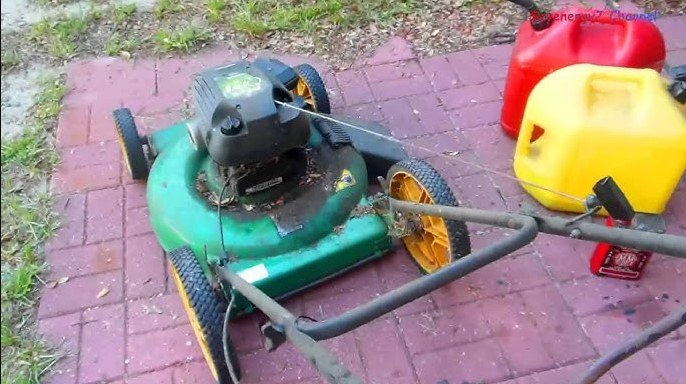
If you are wondering what to do with old gas in lawn mower tanks, the best approach is to drain it promptly to prevent engine damage. Using fresh fuel is the secret to a smooth-running machine, so never try to force your engine to burn through stagnant, gummed-up gasoline.
We have all been there. You pull your lawn mower out of the shed after a long winter, ready to tackle the first grass cut of the season. You pull the starter cord once, twice, maybe ten times, but the engine just sputters and dies. Often, the culprit is not the mower itself, but the fuel sitting in the tank. If you are asking what to do with old gas in lawn mower engines, you are already on the right track to fixing your equipment.
Gasoline is not a shelf-stable product. In 2026, modern fuel blends contain ethanol, which attracts moisture from the air. Over time, this causes the fuel to break down, forming a gummy varnish that clogs your carburetor and fuel lines. Dealing with this issue is a rite of passage for every homeowner, but it is much easier than most people realize. By following a few simple steps, you can save your engine and ensure your lawn looks great all year long.
Key Takeaways
- Identify stale fuel: Old gas often smells sour, looks dark, or creates a sticky residue that clogs carburetors.
- Safety first: Always work in a well-ventilated area away from open flames, sparks, or indoor living spaces.
- Proper disposal: Never dump old gas on the ground or pour it down the drain; take it to a local household hazardous waste facility.
- Prevention is key: Use a high-quality fuel stabilizer during the off-season to keep gas fresh for up to 12 months.
- Drain the system: If you plan to store your mower for more than 30 days, drain the tank or run the engine until it stops completely.
- Avoid mixing: Do not mix large amounts of old, degraded gas with fresh fuel, as it can contaminate the new supply and harm your engine.
Understanding Why Gas Goes Bad
To understand why you need to deal with old gas, you have to look at what happens inside the fuel tank. Gasoline begins to degrade the moment it leaves the refinery. When it sits in a lawn mower tank for months, it undergoes a process called oxidation. This process changes the chemical composition of the fuel, making it less volatile and harder to ignite.
The Role of Ethanol
Most fuel you buy at the pump today contains ethanol. While ethanol is great for certain applications, it is notoriously hygroscopic. This means it absorbs water right out of the atmosphere. Once water enters the mix, a process called phase separation occurs. The ethanol and water bond together and sink to the bottom of the tank, leaving the gasoline floating on top. Since the fuel pickup line usually sits at the bottom of the tank, your mower ends up trying to burn water and ethanol, which leads to poor performance and potential rust inside your fuel system.
Recognizing the Signs of Degraded Fuel
How can you tell if your fuel has gone bad? It is usually pretty obvious if you know what to look for. Fresh gasoline has a distinct, sharp smell. Old gas, by comparison, smells sweet, sour, or like old paint thinner. If you notice a dark, brownish color instead of the clear or slightly yellow tint of fresh gas, it is time to get rid of it. If you see a sticky, syrup-like residue inside the gas cap or around the fuel filter, your fuel has already started to turn into varnish.
How to Safely Drain Old Gas
Once you realize you have bad fuel, do not be tempted to just add more fresh gas on top of it. This will only dilute the bad fuel, and your mower will still struggle to run. You need to remove the old fuel entirely.
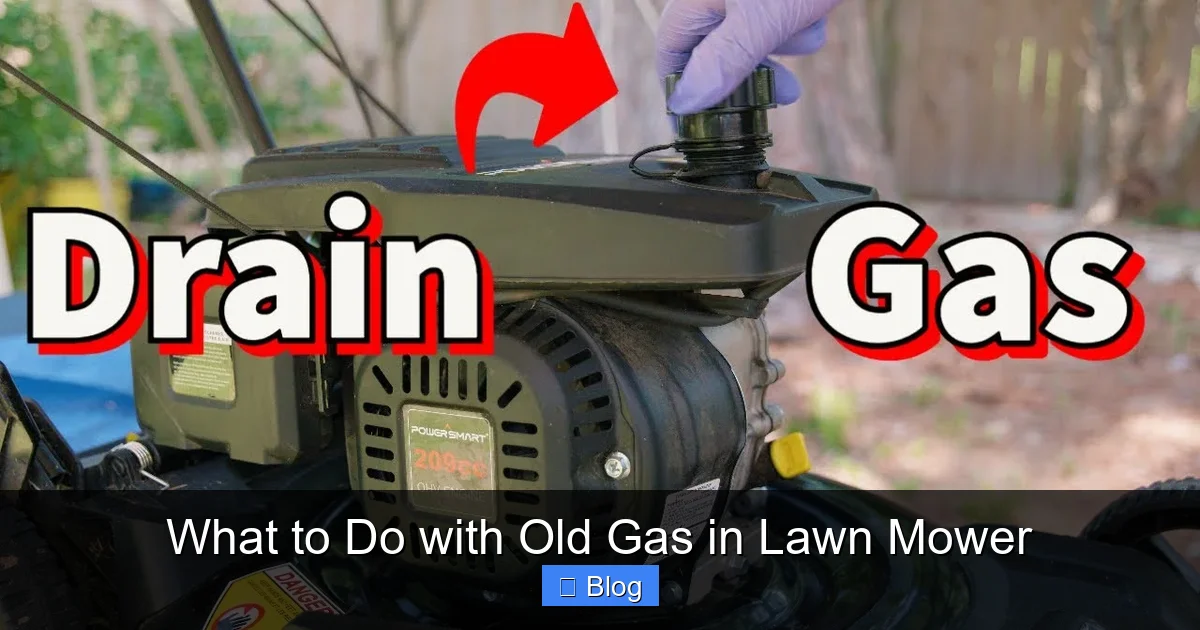
Visual guide about What to Do with Old Gas in Lawn Mower
Image source: i.ytimg.com
The Siphon Method
For most residential lawn mowers, using a small siphon pump is the easiest way to remove fuel. You can find inexpensive manual siphon pumps at almost any hardware store. Simply insert the tube into the tank, place the outlet end into a gas-rated container, and squeeze the pump bulb. It is clean, efficient, and keeps you from having to tip the mower over.
Running the Engine Dry
If you have a very small amount of fuel left, you might choose to run the engine until it stops. This is generally safe if the gas is only slightly old. However, if the fuel has been sitting for more than six months, avoid this method. The varnish can solidify inside the carburetor jets before the engine has a chance to burn it off, leading to a much more difficult repair later.
Removing the Fuel Line
If your mower has a fuel valve, you can disconnect the fuel line leading from the tank to the carburetor. Place a container under the line, open the valve, and let gravity do the work. This is the most effective method because it also clears the line of any debris or old fuel residue.
Safe Disposal Practices
Now that you have collected the old gas, you might wonder how to dispose of it. Never pour gasoline onto the ground, into the gutter, or down a house drain. Gasoline is a hazardous pollutant that can contaminate groundwater and damage plumbing systems. It is also a fire hazard.
Locating a Waste Facility
Most local municipalities in 2026 have designated “Household Hazardous Waste” (HHW) collection days. Check your city or county website to find the nearest drop-off center. These facilities are designed to process and dispose of flammable liquids safely. Often, they will take your old fuel for free or for a very small fee.
Can You Use It for Anything Else?
Some people ask if they can burn old gas in their vehicles. The answer is a resounding no. Modern car engines are highly sensitive to fuel quality. Using degraded fuel from a lawn mower could damage your car’s fuel pump or catalytic converter, leading to a very expensive repair bill. It is far better to dispose of it at a proper facility.
Preventing Future Fuel Problems
The best way to deal with old gas in lawn mower tanks is to prevent it from going bad in the first place. With just a few preventative habits, you can save yourself a significant amount of time every spring.
Using a Fuel Stabilizer
If you are going to store your mower for more than a month, always add a high-quality fuel stabilizer to your gas can. A stabilizer prevents the chemical breakdown that causes oxidation and gum formation. It keeps the fuel fresh for up to 12 months, allowing your mower to start reliably even after a long winter break. Just remember to run the engine for a minute or two after adding it so the treated fuel reaches the carburetor.
Buying Only What You Need
Many homeowners buy five gallons of gas at a time, but they only use one or two gallons throughout the season. By the time they reach the bottom of the can, that gas is months old. In 2026, many fuel stations offer “ethanol-free” gasoline. If you can find it, use it for your small engines. It is much more stable and resists the damaging effects of moisture far better than standard E10 fuel.
What If Your Mower Still Won’t Start?
If you have drained the old fuel and replaced it with fresh gasoline, but the mower still refuses to start, you might have residual varnish in the carburetor. This is a common issue when the mower has been neglected for too long.
The Carburetor Cleaning Routine
Before you take the engine apart, try using a spray-on carburetor cleaner. Remove the air filter and spray a short burst of cleaner into the carburetor intake while trying to start the engine. This can sometimes dissolve minor deposits. If that does not work, you may need to remove the carburetor bowl and clean the main jet manually. Many modern carburetors are inexpensive, and replacing the unit entirely is often easier than cleaning it.
When to Call a Professional
If you are uncomfortable working with internal engine components, do not force it. There is no shame in taking your mower to a professional shop. A technician can perform a full tune-up, which includes a professional carburetor cleaning, oil change, and blade sharpening. It is a small investment that will extend the life of your equipment for years to come.
Conclusion
Taking care of your lawn mower is all about proactive maintenance. By understanding what to do with old gas in lawn mower systems, you are protecting your investment and ensuring your yard work stays stress-free. Whether you use a siphon to drain the tank or simply remember to add fuel stabilizer in the fall, these small efforts make a world of difference. Keep your fuel fresh, store your mower in a dry place, and you will find that your equipment starts on the first pull every single time. Happy mowing!
Frequently Asked Questions
Is it safe to mix a little old gas with new gas?
It is generally not recommended to mix old gas with new fuel. Even a small amount of degraded fuel can contain moisture and varnish that will contaminate the entire fresh batch and cause engine performance issues.
How long can I leave gas in my lawn mower?
Most gasoline begins to degrade within 30 to 60 days. If you plan to leave your mower sitting for more than a month, it is best to drain the tank or add a fuel stabilizer immediately.
Does using high-octane gas help prevent old fuel issues?
High-octane gas does not necessarily have a longer shelf life than regular gas. The main factor in fuel stability is the presence of ethanol, so using ethanol-free fuel is a much better strategy for long-term storage.
Can I pour old gas into my car?
No, you should never put old, lawn mower-grade gas into your car. Modern vehicles have sensitive fuel injection systems that can be easily damaged by the gums and residues found in old, degraded fuel.
Where can I drop off old gasoline near me?
You can typically dispose of old gasoline at your local household hazardous waste collection site. Search for “hazardous waste disposal” in your city or county to find the nearest facility and their drop-off hours.
Should I drain the carburetor or just the tank?
It is best to drain both. Even if the tank is empty, there is often a small amount of fuel trapped in the carburetor bowl and fuel lines, which is exactly where most of the varnish buildup occurs.