
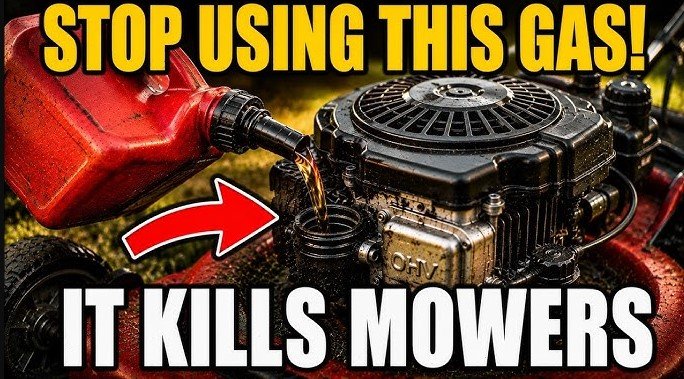
Most modern lawn mowers require standard unleaded gasoline with an octane rating of 87 or higher. It is crucial to avoid fuel containing more than 10% ethanol to prevent engine damage and ensure your mower lasts for many seasons.
If you have ever stood at a gas pump wondering what gas does lawn mower use, you are certainly not alone. It is one of the most common questions we hear from homeowners every spring. Getting the right fuel in your tank is the single most important step in maintaining a healthy engine. A little bit of knowledge today can save you hundreds of dollars in repair bills down the road.
In 2026, lawn mower technology has become quite sophisticated, but the basic fuel requirements remain fairly consistent. Most residential lawn mowers are designed to run on the same unleaded gasoline you put in your family sedan. However, the unique nature of small engines makes them much more sensitive to fuel quality than modern cars. If you treat your mower like a high-performance machine, it will treat your lawn with precision for years to come.
Key Takeaways
- Use Regular Unleaded: Most mowers run perfectly on 87 octane gasoline found at any standard pump.
- Beware of Ethanol: Avoid E15 or E85 fuels as they can corrode small engine components and attract moisture.
- Freshness Matters: Gasoline degrades within 30 days, so only buy what you can use quickly.
- Fuel Stabilizer is Key: Always add a stabilizer if you plan to store your fuel or keep it in the tank for more than a few weeks.
- Check Your Manual: Always consult your specific mower manufacturer’s guidelines, as some high-performance models have unique requirements.
- Clean Storage: Keep your gasoline in a sealed, approved container stored in a cool, dry place to maintain fuel integrity.
Understanding Gasoline Types for Small Engines
When you arrive at the gas station, you are usually greeted by a row of buttons with different numbers. For the average lawn mower, you do not need the expensive “premium” or “super” grades. Understanding these numbers will help you make the right choice every time.
The Importance of Octane Ratings
The number you see on the pump represents the octane rating. For most lawn mowers, an octane rating of 87 is perfectly sufficient. Think of octane as the fuel’s ability to resist “knocking” or “pinging” inside the engine.
Small engines are typically low-compression machines, meaning they do not generate the intense heat and pressure that requires high-octane fuel. Unless your owner’s manual specifically calls for a higher number, stick with the 87.
The Dangers of Ethanol (E15 and E85)
If there is one thing you take away from this guide, let it be this: stay away from high-ethanol blends. Ethanol is an alcohol-based additive that is common in many modern fuels. While it is okay for many newer cars, it is often destructive to small engines.
Ethanol attracts moisture from the air. When that water-fuel mixture sits in your mower’s small carburetor, it can lead to corrosion, clogs, and total engine failure. Always look for “E10” or “Ethanol-Free” fuel if it is available in your area.
Why Fuel Freshness is Your Mower’s Best Friend?
Many homeowners make the mistake of buying five gallons of gas at the start of the summer and keeping it in a shed for months. Unfortunately, gasoline is not like wine; it does not get better with age. It actually begins to break down almost immediately after it leaves the refinery.
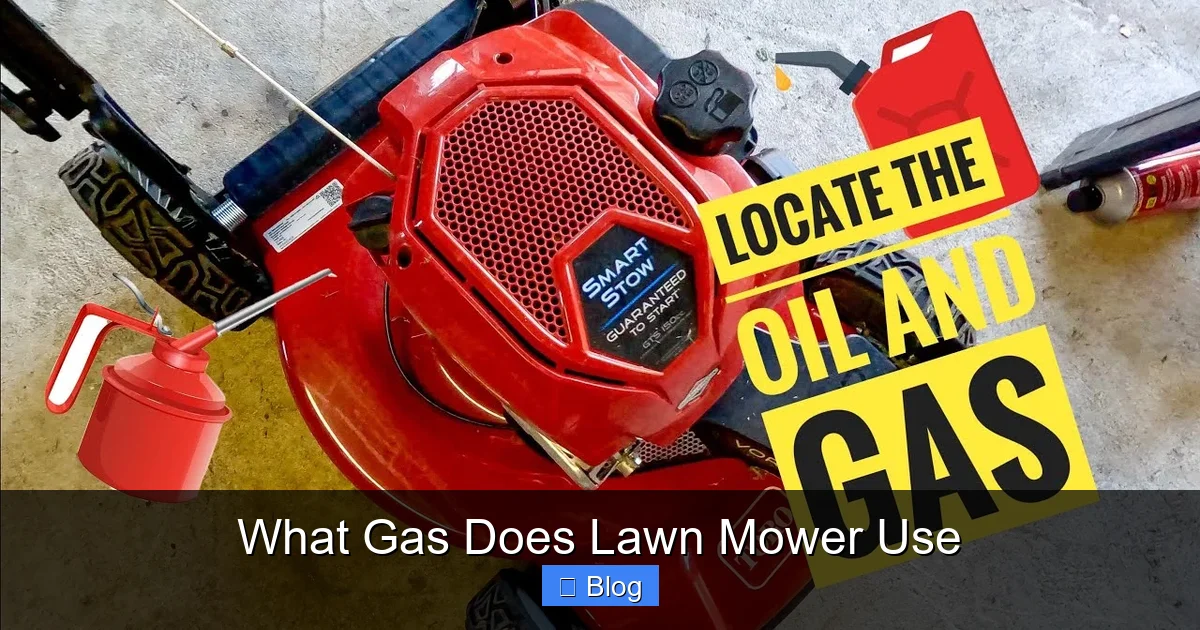
Visual guide about What Gas Does Lawn Mower Use
Image source: i.ytimg.com
The Shelf Life of Gasoline
Standard unleaded gasoline is generally considered “fresh” for about 30 days. After that period, the volatile components that help the engine start easily begin to evaporate. This leaves behind a gummy, varnish-like residue. This residue is the number one cause of starting problems in lawn mowers. If your mower won’t start after a long winter, there is a very high chance the fuel in the carburetor has turned into this sticky gunk.
The Role of Fuel Stabilizers
If you cannot use all your fuel within a month, you must use a fuel stabilizer. A fuel stabilizer is a simple chemical additive that you pour into your gas can. It slows down the oxidation process and keeps the fuel stable for up to a year. We highly recommend adding a stabilizer to every gas can you fill. It is a tiny investment that protects your mower’s fuel system throughout the season.
Handling and Storing Fuel Safely
Now that you know what gas does lawn mower use, you need to consider how to handle it. Safety should always be your top priority when dealing with flammable liquids. In 2026, fuel safety standards have improved, and your storage methods should follow suit.
Selecting the Right Gas Can
Use only containers specifically designed for gasoline. Look for cans that are certified by the EPA or CARB (California Air Resources Board). These cans are designed to seal tightly, preventing the escape of harmful fumes and keeping moisture out. A well-sealed can is your first line of defense against fuel degradation.
Where to Store Your Fuel
Never store gasoline inside your house or in an attached garage. The fumes are not only a health hazard but also a major fire risk. Keep your fuel in a cool, well-ventilated shed or an outdoor storage box away from direct sunlight. Temperature fluctuations can cause gas to expand and contract, which can lead to leaks if the cap is not perfectly secure.
Troubleshooting Common Fuel-Related Problems
Even with the best intentions, things can go wrong. If you find your mower is running rough, coughing, or simply refusing to start, the fuel system is usually the culprit. Knowing the warning signs can help you fix the issue before it requires a professional mechanic.
Recognizing Bad Fuel
If you see a change in the color of your fuel often turning a darker, yellowish shade or if it has a sour, pungent smell, it has likely gone bad. If you have been storing the gas for more than three months without a stabilizer, it is best to empty the container and start fresh. Never pour old gas into your mower; it is better to dispose of it properly at a local recycling center.
Dealing with Carburetor Issues
If you suspect the fuel has gummed up your carburetor, you might need to drain the tank and run the engine until it stops. Sometimes, adding a bit of carburetor cleaner to the fresh fuel can help break up small deposits. However, if the mower still refuses to run, you may need to take it to a shop to have the carburetor professionally cleaned or replaced.
Comparing Fuel Options in 2026
With the landscape of fuel changing, many users are looking for alternatives. Are there better ways to power your machine? Let’s look at the options available to the modern homeowner.
Ethanol-Free Gasoline
Many hardware stores and outdoor power equipment dealers now sell “canned fuel” or “pre-mixed fuel.” This is almost always ethanol-free and has a very long shelf life. While it is more expensive per gallon than pump gas, it is an excellent choice for the end-of-season run. Running your mower with this clean fuel before you store it for the winter is the best way to prevent springtime starting headaches.
The Move Toward Battery Power
While this article is about what gas does lawn mower use, it is worth noting that 2026 has seen a massive surge in battery-powered equipment. If you find the maintenance of gasoline engines to be a burden, switching to electric might be the right move. However, if you have a large property or prefer the raw power of a gas engine, sticking with the tips provided here will keep your equipment running reliably.
Final Tips for a Smooth Mowing Season
Consistency is key. If you buy fresh gas, keep it in a sealed container, use a stabilizer, and avoid high-ethanol blends, your mower will have a long and productive life. Treat your machine with respect, and it will keep your lawn looking pristine all summer long.
Remember, always check your owner’s manual one last time. While general rules apply to 99% of mowers, a rare high-performance engine might have a quirk you need to know about. Keep these practices in mind, and you will never have to worry about whether you are using the right fuel again.
Conclusion
Knowing what gas does lawn mower use is a fundamental skill for any homeowner. By choosing regular unleaded fuel, avoiding high ethanol blends, and keeping your fuel fresh with stabilizers, you can avoid the most common causes of engine failure.
Proper fuel management means fewer trips to the repair shop and more time enjoying your perfectly manicured lawn. Take care of your fuel, and your lawn mower will continue to be a reliable partner in your yard work for years to come.
Frequently Asked Questions
Does it matter if I use mid-grade or premium gas?
For most lawn mowers, it does not provide any benefit to use higher octane fuels. Stick to regular 87 octane unleaded unless your specific manufacturer’s manual explicitly requires a higher rating.
Can I leave gas in my mower over the winter?
It is generally a bad idea to leave fuel in the tank for months without a stabilizer. We recommend either draining the tank completely or adding a high-quality fuel stabilizer before storage.
Is E85 fuel safe for my lawn mower?
No, E85 is absolutely not safe for standard lawn mowers. Its high ethanol content will corrode the fuel lines, gaskets, and carburetor, leading to significant engine damage.
How can I tell if the gas at the pump contains ethanol?
Most pumps have a label indicating the percentage of ethanol, usually listed as “E10” (10% ethanol) or “E15” (15% ethanol). Always look for these labels and try to choose E10 or ethanol-free options.
Where should I dispose of old, bad gasoline?
Never pour old gasoline on the ground or down the drain. Check with your local waste management facility, as many municipalities have hazardous waste collection days for chemicals like gasoline.
Does the brand of gas station matter?
While the octane rating is what matters most, buying from a high-traffic gas station is often better. These stations typically have fresher fuel because they rotate their supply more frequently than low-volume stations.