
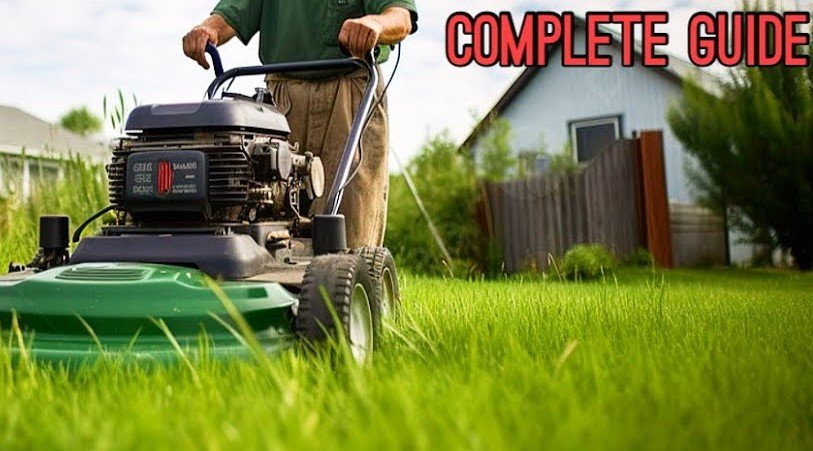
Starting a lawn mowing business is a fantastic way to earn a steady income and enjoy the outdoors. By focusing on reliable service, modern scheduling apps, and basic maintenance, you can turn a simple mower into a thriving local company in 2026.
Have you ever looked at a perfectly manicured lawn and thought, “I could do that”? If you enjoy working outside and want to take control of your career, starting a lawn mowing business is one of the most accessible paths to entrepreneurship. As we move further into 2026, the demand for reliable, professional residential lawn care remains higher than ever. Homeowners are busier than ever, and they are willing to pay for someone who can show up consistently, do a great job, and handle the job with ease.
The beauty of this business model is its simplicity. You do not need a degree, a massive startup loan, or an office building. You just need a mower, a pair of boots, and a commitment to quality. Whether you want to make some extra cash on the weekends or build a full-scale property maintenance empire, this guide will walk you through the essential steps to get your lawn mowing business off the ground this year.
Key Takeaways
- Start Small: You don’t need a massive fleet; begin with reliable, professional-grade equipment that fits your budget.
- Prioritize Reliability: In the service industry, showing up on time is your biggest competitive advantage over rivals.
- Leverage 2026 Tech: Use simple apps for route planning, billing, and automated client reminders to save hours of admin work.
- Price for Profit: Calculate your costs—including gas and blade sharpening—to ensure you are charging enough to grow.
- Local Marketing: Use community social media groups and yard signs to build a dense, efficient route in your neighborhood.
- Professionalism Matters: Uniforms, clean gear, and friendly communication turn one-time mows into long-term contracts.
Choosing Your Equipment and Supplies
Essential Mowing Gear
You might be tempted to buy the biggest, fastest machine on the market, but that is a rookie mistake. For your first year, focus on equipment that is reliable and easy to maintain. A high-quality walk-behind mower or a residential-grade zero-turn mower will cover most standard lawns. Don’t forget the “trimming trifecta”: a weed whacker (string trimmer), a leaf blower, and an edger. These three tools are what separate a “good” job from a “professional” job. When a lawn is mowed but the edges aren’t sharp, the customer notices immediately.
Safety and Transport
Safety is non-negotiable in 2026. You need quality eye protection, durable work boots, and ear protection. If you are mowing in bright sun, a hat and sunscreen are just as important as your mower. As for transport, a simple utility trailer attached to your vehicle is the standard starting point. Ensure your trailer has proper tie-downs to keep your gear safe while driving. Remember to keep your blades sharpened; a dull blade tears the grass rather than cutting it, which leaves the lawn looking brown and unhealthy.
Legal Steps and Business Setup
Registering Your Business
Before you mow your first lawn, take care of the paperwork. You don’t want to get fined because you skipped a simple permit. Look up your local city or county requirements for a small business license. Most regions have a simple online form that takes less than an hour to complete. You should also consider forming an LLC. This protects your personal assets, like your car or house, if something goes wrong on the job. It also adds a layer of professionalism that clients appreciate.
Visual guide about How to Start Lawn Mowing Business
Image source: i.etsystatic.com
Insurance Is Your Best Friend
Accidents happen. Maybe you accidentally kick up a rock and break a window, or perhaps someone trips over your equipment. Liability insurance is essential for any lawn mowing business. It is surprisingly affordable and offers massive peace of mind. Check with a local insurance agent to get a quote for a general liability policy. You can often get a small business package that covers equipment theft and damage, too. Having insurance helps you win contracts with property management companies who often require proof of coverage before hiring a vendor.
Pricing Your Services for Success
Calculating Your Hourly Rate
Many beginners charge too little because they are nervous about asking for money. Do not fall into this trap. To calculate your price, consider your fixed costs like insurance and gas, and your variable costs like blade sharpening and mower maintenance. A good rule of thumb in 2026 is to aim for a specific hourly rate that makes the work worth your time. If you spend 45 minutes on a lawn, your price should reflect that time plus travel and equipment wear.
The “Per-Cut” vs. “Subscription” Model
Charging per cut is easy, but subscriptions are better for your bank account. Try to sign your clients up for a seasonal package. You agree to mow their lawn every two weeks for a flat fee. This gives you predictable cash flow throughout the season. When you have a solid list of weekly or bi-weekly clients, your gas costs drop because you aren’t driving all over town. Focus your business in a specific neighborhood or route to keep your travel time to a minimum. The less time you spend driving, the more money you keep in your pocket.
Leveraging 2026 Technology to Save Time
Scheduling and Billing Apps
Gone are the days of keeping track of clients on a paper notepad. In 2026, there are plenty of apps designed specifically for lawn care pros. These tools allow you to manage your route, send invoices, and even automate text message reminders to clients. Use these to your advantage. If a client gets a reminder that you are coming the next day, they are more likely to move their toys or dogs out of the yard, which saves you precious time.
Digital Marketing
You don’t need a massive ad budget to get your first ten clients. Start by joining your local neighborhood social media groups. Post a friendly, honest introduction. Explain that you are a local neighbor starting a lawn business and that you have a few spots left on your route. Real photos of your work—before and after pictures—are incredibly powerful. People want to see that you take pride in your work. A simple “before and after” post usually gets more engagement than any paid advertisement could.
Delivering High-Quality Results
The Art of the Striped Lawn
What makes a lawn look professional? The secret is in the patterns. Learning how to create clean, straight lines (or stripes) makes your work stand out. It turns a basic maintenance task into an aesthetic improvement. Take the time to practice your patterns. A client who sees a beautifully striped yard will be much more likely to recommend you to their neighbors.
Going Above and Beyond
Small touches make a huge difference in your business reputation. If you finish a lawn and notice a small pile of debris on the porch, sweep it away. If the gate was left unlocked, double-check that you locked it behind you. These small acts of care build trust. If you are reliable and leave the property better than you found it, your clients will stay with you for years. Remember, it is much cheaper to keep a happy client than it is to find a new one.
Planning for Future Growth
Scaling Your Business
Once you are fully booked and have a waiting list, it is time to think about growth. You can choose to stay a solo operator, which keeps your overhead low, or you can hire a helper. If you decide to grow, make sure your processes are documented. Train your employees to cut the way you cut. Consistency is the hallmark of a successful lawn mowing business. If every lawn looks like it was mowed by the same person, you are doing it right.
Diversifying Your Services
As you get more comfortable, consider adding extra services that your clients already need. Things like hedge trimming, flower bed weeding, or mulch installation are natural extensions of a lawn mowing business. These services often have higher profit margins than basic mowing. By being a one-stop-shop for your clients’ outdoor needs, you become an indispensable partner in their home maintenance.
Starting a lawn mowing business is a journey that rewards hard work and consistency. By focusing on your equipment, your schedule, and your customer service, you will find that the work is not only profitable but also incredibly satisfying. Be patient with yourself in the early months. You will learn the best routes, the fastest ways to handle different turf types, and how to talk to clients effectively. Stay focused, keep your blades sharp, and watch your business bloom in 2026.
Frequently Asked Questions
What is the most important equipment for a beginner?
A reliable mower is essential, but don’t forget the string trimmer and leaf blower. These tools provide the finishing touches that distinguish a professional job from a amateur one.
How much should I charge for lawn mowing?
Calculate your costs including gas, insurance, and equipment wear-and-tear. Aim for an hourly rate that accounts for your time, travel, and profit margins, usually starting at $40-$60 per hour.
Do I need a business license?
Yes, most local municipalities require a basic business permit or license to operate legally. Check with your city hall or county clerk’s office for the specific requirements in your area.
How do I find my first clients?
Start in your own neighborhood by posting in local social media groups or hanging flyers. Sharing “before and after” photos of your work is the best way to prove your value to potential customers.
Should I focus on residential or commercial clients?
Residential lawns are much easier to start with because they have smaller square footage and simpler scheduling requirements. Commercial contracts are great for later growth once you have more equipment and a larger team.
How can I ensure my lawn business succeeds in 2026?
Focus on reliability and communication by using modern scheduling apps and automated reminders. Showing up on time every single visit is the most effective way to retain long-term, high-paying clients.