
Starting your Murray lawn mower shouldn’t be a chore that ruins your weekend. By following our simple step-by-step guide, you can master the ignition process, ensure your engine stays healthy, and get your grass looking perfect in record time.
There is nothing quite like the feeling of a freshly mowed lawn on a sunny Saturday morning. If you own a Murray lawn mower, you already know these machines are built to be workhorses. However, even the most reliable equipment can be a bit stubborn if you have not started it in a few weeks or if you are new to the machine. We have all been there—standing in the yard, pulling the cord repeatedly, and wondering why the engine remains silent.
In this guide, we will walk you through exactly how to start Murray lawn mower units, whether you have a push-behind model or a riding tractor. By 2026, many of these mowers have refined systems, but the core mechanics remain simple and intuitive. Let’s get that engine humming so you can spend less time fighting with the machine and more time enjoying your outdoor space.
Key Takeaways
- Preparation is Priority: Always check your oil and fuel levels before you attempt to start the engine to prevent mechanical damage.
- The Primer Bulb Matters: Using the primer bulb correctly helps push fuel into the carburetor, making the engine much easier to turn over.
- Safety First: Ensure you are standing in a clear area and that the blade engagement lever is disengaged before pulling the cord.
- Maintenance Habits: Regularly cleaning the air filter and changing the spark plug will save you from future starting frustrations.
- Cold vs. Hot Starts: Understand that a cold engine requires the choke or primer, while a hot engine often starts without any extra fuel boost.
Preparation Before You Pull
Before you even think about starting the engine, you need to set the stage for success. A mower that sits in the garage for a few months often deals with stale fuel or low oil levels. Taking two minutes to check your machine can save you twenty minutes of frustration later.
Check Your Fluid Levels
Start by checking the oil dipstick. If the oil is low or appears dark and gritty, your mower will struggle to run efficiently. Next, look at your gas tank. If you left fuel in the tank over the winter without a stabilizer, it might have gummed up the carburetor. Fresh, high-quality gasoline is the lifeblood of your Murray lawn mower. Always use fresh fuel to ensure the engine gets the clean burn it needs.
Clear the Deck and Surroundings
Safety is the most important part of lawn care. Make sure your mower is on a flat, level surface. Clear the area of any stray toys, garden hoses, or large rocks that might get kicked up by the blade. If your mower has a bag or a discharge chute, ensure they are securely attached. Double-check that the blade engagement lever is set to the “off” position so the mower does not jump forward or engage the blades the second the engine kicks over.
Starting a Push-Behind Murray Mower
Most push-behind Murray mowers use a simple pull-cord system. While it sounds easy, there is a rhythm to it. If you rush the process, you might flood the engine. Follow these steps to get moving.
Using the Primer Bulb
Most push mowers are equipped with a red or black primer bulb. This little rubber button is your best friend. Press the primer bulb three to five times. This pushes a small amount of raw fuel directly into the carburetor. If it is a very cold day, you might need an extra pump. If the engine is already warm, you probably do not need to prime it at all.
The Pull Technique
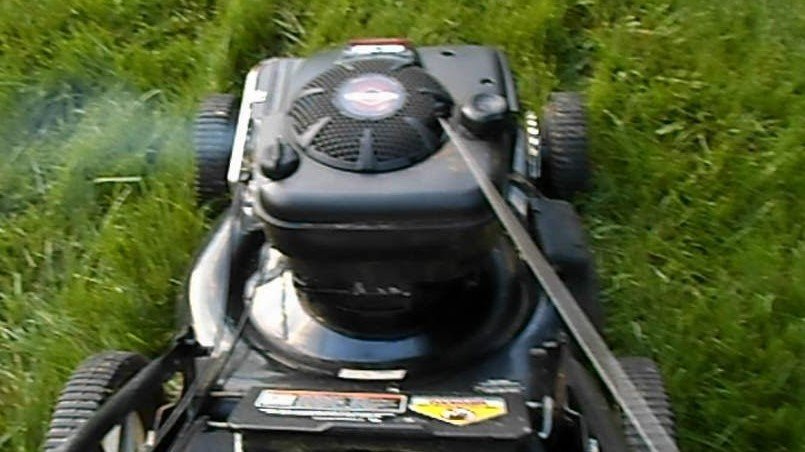
Once primed, hold the safety bail (the metal bar that runs along the handle) firmly against the handle. This bar acts as a safety kill switch. Without it held down, the mower will not spark. Stand with your feet braced firmly, take a deep breath, and give the pull cord a firm, steady tug. Don’t yank it as hard as you can; use a smooth, continuous motion. If it doesn’t start on the first try, wait a few seconds and try again.
Starting a Murray Riding Lawn Mower
Starting a Murray riding mower feels a bit more like starting a car. These machines rely on a battery-powered electric ignition system. If you know how to turn a key, you are halfway there.
Engage the Safety Features
Riding mowers are loaded with safety sensors. You must be seated in the driver’s seat for the engine to start. Ensure the parking brake is set and the transmission is in neutral. If you have the blades engaged, the mower will refuse to turn over as a safety precaution. Check your dashboard to ensure everything is set to “Neutral” or “Park.”
Turning the Key
Insert your key and turn it to the “Start” position. If the mower doesn’t sound like it wants to run, check your choke lever. On many Murray models, pushing the choke to the “Full” or “Choke” position restricts the airflow, allowing for a richer fuel mixture that helps a cold engine catch. As soon as the engine catches and begins to idle, slowly push the choke lever back to the “Run” position. Listen to the engine—if it starts to sputter, push the choke back in just a little bit more until it levels out.
Troubleshooting Common Starting Issues
Even with the best preparation, things happen. If your Murray lawn mower refuses to start, don’t panic. Usually, the issue is something minor that you can fix in your own garage.
The Spark Plug Check
The spark plug is the most common culprit for a mower that won’t start. Over time, the end can become fouled with carbon deposits. If you pull the cord and feel absolutely nothing, remove the spark plug wire and unscrew the plug. If it looks black or wet, clean it with a wire brush or replace it entirely. A new spark plug is an inexpensive way to make your mower feel brand new.
Battery Issues on Riders
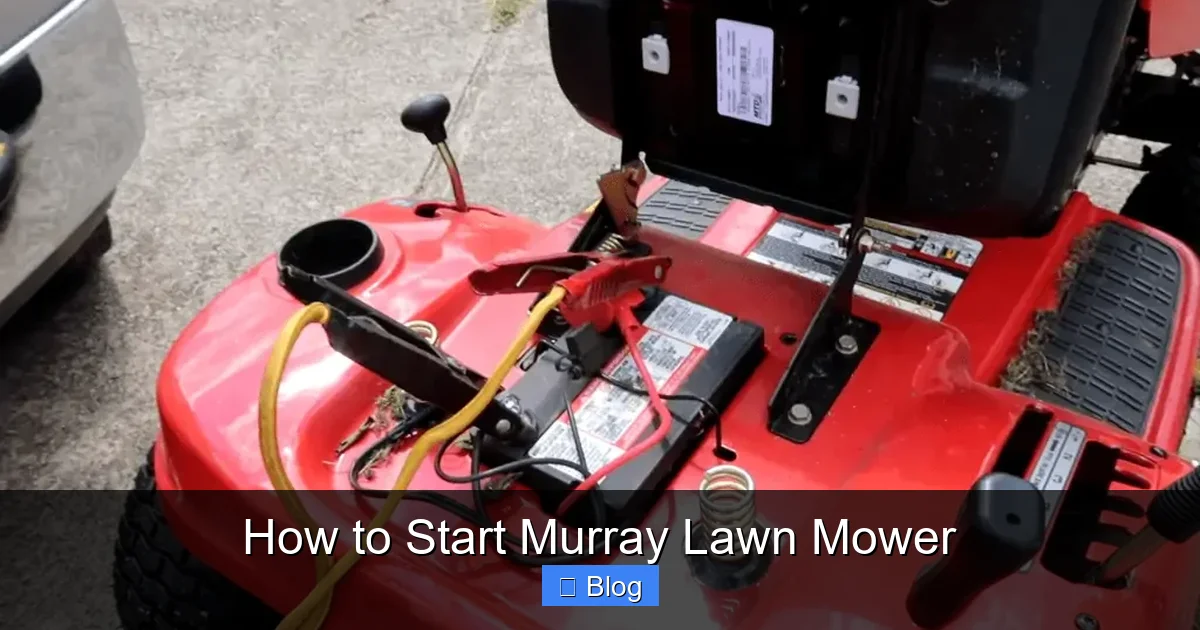
If your riding mower just makes a “click” sound when you turn the key, your battery is likely dead or the connections are loose. Check the battery terminals to make sure they aren’t covered in white, crusty corrosion. If they are, clean them with a mixture of baking soda and water. If the battery is old, it might simply be time to replace it. A good battery charger is a great tool to keep in the shed for the start of the season.
Seasonal Maintenance for Reliable Starts
The best way to ensure your Murray lawn mower starts every time is to treat it well throughout the year. You wouldn’t drive your car for years without an oil change, and your mower needs the same respect.
Air Filter Care
Your mower needs to breathe. If the air filter is clogged with grass clippings and dirt, the engine will “choke” and refuse to start. Check the air filter housing before every few mows. If the filter is foam, you can often wash it with soap and water, let it dry, and put it back. If it is paper, just tap it against a hard surface to knock off the loose debris or replace it if it looks dark and dirty.
End-of-Season Prep
When the grass stops growing in late autumn, don’t just shove the mower into the corner of the garage. Run the fuel tank dry or add a fuel stabilizer to the gas. This prevents the fuel from breaking down and clogging the carburetor over the winter months. A little bit of care in the fall makes starting your Murray mower in the spring an absolute breeze.
Conclusion
Mastering how to start Murray lawn mower models is a skill that will save you time, money, and a lot of frustration. By understanding the basics of fuel, air, and spark, you can keep your machine running reliably for years to come. Remember to check your fluids, use the primer bulb or choke correctly, and keep up with basic maintenance like spark plug and filter changes.
Whether you are using a compact push mower or a large riding tractor, these machines are designed to make your life easier. Once you get that engine running, you can stop worrying about the mechanics and start enjoying the satisfaction of a perfectly manicured lawn. Now, head out to the garage, give that cord a pull, and get to work—your yard is waiting!
Frequently Asked Questions
Why does my Murray mower start then immediately die?
This is often caused by a dirty air filter or a fuel blockage. Check the filter to ensure it has airflow, and ensure your fuel line isn’t pinched or clogged with debris.
How many times should I press the primer bulb?
Three to five times is usually perfect for a cold engine. If you press it too many times, you might flood the engine with too much fuel, making it harder to start.
Do I need to use fuel stabilizer?
Yes, if you plan to store your mower for more than 30 days. It prevents the ethanol in modern gas from breaking down and damaging the engine’s internal components.
What if the pull cord feels stuck?
Never force the cord if it feels seized. This often happens if the blade is hitting an obstruction or if the engine has “hydro-locked” due to oil entering the combustion chamber.
Is it okay to use old gas from last year?
It is not recommended. Old gasoline loses its combustibility and can leave behind sticky residue that clogs the carburetor, leading to starting issues.
How often should I change the spark plug?
For most residential users, replacing the spark plug once every season or every 50 hours of use is enough to keep the engine starting smoothly.