
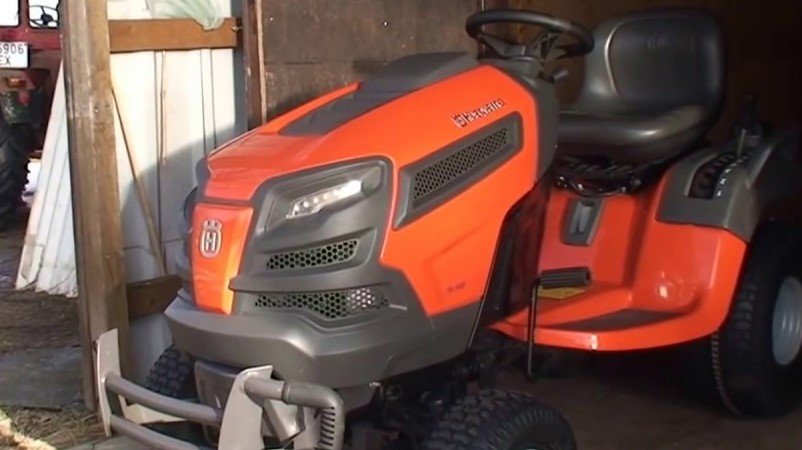
Starting your Husqvarna ride-on mower is a straightforward process once you understand the safety sequences and control layout. By following the correct ignition steps and ensuring the parking brake is set, you can keep your machine running reliably for years to come.
There is something incredibly satisfying about tackling a large lawn on a beautiful Saturday morning. If you have recently invested in a Husqvarna ride-on mower, you know exactly what I mean. These machines are built to be workhorses, designed to take the sweat out of yard maintenance. However, for a new owner, the array of pedals, levers, and switches can feel a little bit intimidating at first glance.
Learning how to start Husqvarna lawn mower ride on models is a skill that will serve you well for years. Whether you are a seasoned pro looking for a quick refresher or a new homeowner getting behind the wheel for the first time, getting that engine to roar to life properly is the first step toward a pristine lawn. Let’s walk through the process together so you can spend less time troubleshooting and more time enjoying your outdoor space.
Key Takeaways
- Safety First: Always ensure the parking brake is engaged and the cutting deck is disengaged before turning the ignition key.
- Fuel Check: Fresh fuel is vital for a smooth start; never leave old gas in the tank over the winter months.
- Operator Presence: Remember that your weight must be in the seat to complete the safety circuit for the engine to fire up.
- Choke Usage: If your model has a choke, use it only for cold starts and push it in as the engine warms up to prevent flooding.
- Battery Health: Keep your battery terminals clean and charged to ensure the starter motor has enough power to crank the engine.
Understanding the Safety Interlock System
Before we touch the ignition key, we need to talk about the safety features. Husqvarna takes operator safety very seriously. Your mower is equipped with a sophisticated safety interlock system designed to prevent the mower from starting if it is in an unsafe state. This is not just to annoy you; it is there to protect you and your property from accidental movement.
The Role of the Seat Sensor
The most important safety feature is the seat sensor. The mower is programmed to know if an operator is sitting in the driver’s seat. If you attempt to turn the key while standing next to the mower, the engine simply will not crank. You must be seated firmly in the operator position for the electrical circuit to complete.
Neutral and Parking Brake Positions
The mower must be in neutral. For most models, this means the transmission is disengaged. Furthermore, the parking brake should always be engaged before you start the engine. If the parking brake is off, the safety switch will prevent the ignition from engaging, ensuring your mower does not roll unexpectedly the moment it catches.
Preparation Before You Turn the Key
A successful start begins before you even sit down. Checking your equipment saves you from mid-mow breakdowns and keeps your engine running smooth through 2026 and beyond. Think of it like a quick pre-flight check for a pilot.
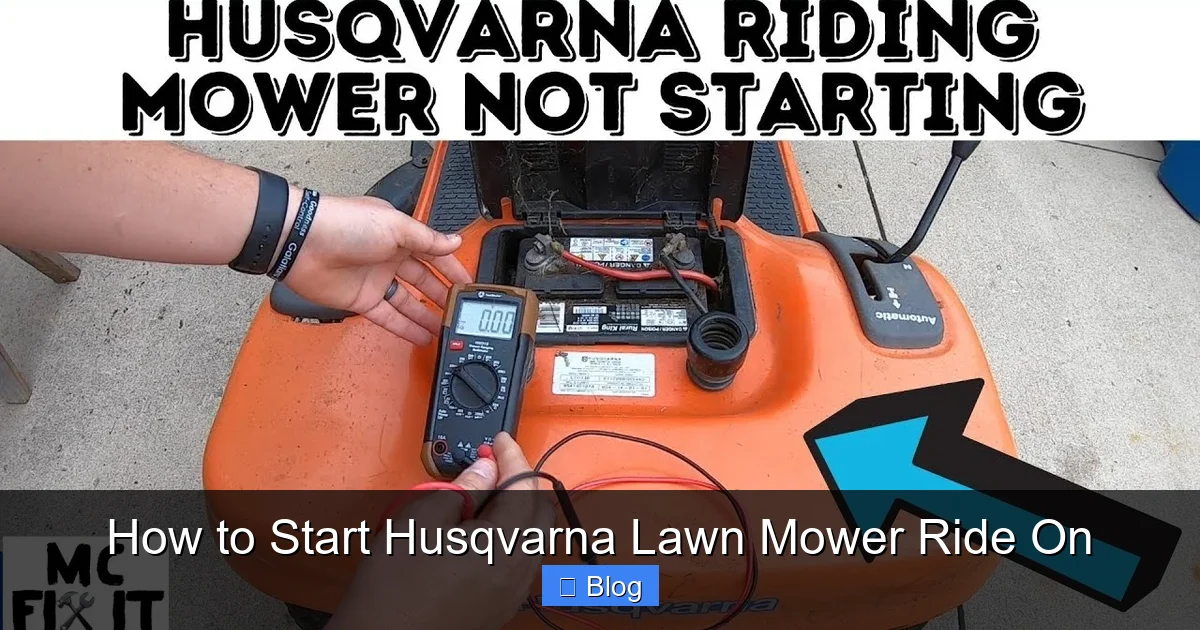
Visual guide about How to Start Husqvarna Lawn Mower Ride On
Image source: i.ytimg.com
Check Your Fuel Levels
Check the fuel tank every single time. It is tempting to think you have enough for one more pass, but running out of gas can be a pain. If you haven’t used the mower in a few weeks, give the fuel a quick mental check—old, stale gas is the number one cause of starting issues in small engines.
Inspect the Cutting Deck
Ensure your cutting deck is in the disengaged position. Most Husqvarna mowers have a blade engagement lever or a button on the dashboard. If you accidentally left this in the “on” position from your last session, the safety system will stop the engine from starting. Always double-check this lever is pulled all the way back or turned to the off position.
The Step-by-Step Starting Process
Now that we have covered the safety prerequisites, let’s get down to the actual process of starting the engine. It is a simple rhythm once you have done it a few times.
Step 1: Set the Controls
Get into the seat and confirm your parking brake is firmly locked. Set the throttle control to the “choke” position if your mower is cold, or move it to the halfway point if the engine is already warm from previous use. Make sure the deck height adjustment is set to a safe level.
Step 2: Engage the Ignition
Insert your key and turn it clockwise. You will hear the starter motor cranking the engine. If the engine doesn’t start within a few seconds, release the key and wait a moment before trying again. Never crank the engine for more than ten seconds at a time, as this can overheat the starter motor.
Step 3: Adjust the Throttle
As soon as the engine catches, move the choke lever back to the “run” or “fast” position. Let the engine idle for about thirty seconds to a minute. This allows the oil to circulate and the engine to reach its optimal operating temperature. Jumping straight into high gear can put unnecessary stress on the internal components.
Common Troubleshooting Tips for Start-Up
Sometimes, despite your best efforts, the mower might refuse to start. Before you call a repair shop, there are a few simple things you can check yourself. Most starting issues are related to simple electrical or fuel-related hiccups that are easy to fix.
Battery and Electrical Issues
If you turn the key and hear nothing, or just a rapid clicking sound, your battery is likely the culprit. In 2026, we often leave our equipment in storage for long periods. If your mower has been sitting for a month, the battery may have drained. A quick jump-start or a session on a battery tender usually solves the issue.
Fuel Delivery Problems
If the engine cranks but refuses to fire, check the fuel supply. Is the fuel shut-off valve (if your model has one) in the open position? Sometimes, a clogged fuel filter can prevent gas from reaching the engine. If you haven’t changed your fuel filter in over a year, it might be time for a quick replacement.
Seasonal Considerations for Your Mower
Starting a mower in the heat of a July afternoon is much different than firing it up for the first time in the spring. Your Husqvarna requires different care depending on the time of year to ensure it starts consistently.
Cold Weather Starting
When the air is cool, the fuel-to-air mixture needs to be richer. Always use the choke properly on those early spring mornings. If your engine continues to struggle, ensure you are using the correct oil viscosity for the season as recommended in your Husqvarna owner’s manual.
Storage and Winterization
The best way to ensure your mower starts in the spring is to treat the fuel with a stabilizer before putting it away for the winter. This prevents the gas from breaking down and gumming up the carburetor. If you do this, your mower will usually start on the very first turn of the key when the grass begins to grow again.
Conclusion
Learning how to start Husqvarna lawn mower ride on machines is the gateway to a well-manicured lawn. It might seem like a lot of steps to remember at first, but it quickly becomes second nature. By respecting the safety systems, keeping your battery charged, and ensuring your fuel is fresh, you are setting yourself up for success every time you step into the driver’s seat.
Remember, these machines are built to last, but they appreciate a little bit of care. If you ever find yourself struggling, always refer back to your specific user manual, as different models have slight variations in control layout. Now that you have the knowledge, head out there and enjoy the process. There is nothing quite like the feeling of a freshly mowed lawn and a job well done.
Frequently Asked Questions
Why does my Husqvarna mower click but not start?
This clicking sound usually indicates that your battery is low on charge or the battery terminals are corroded. Check your connections for tightness and try charging the battery with a dedicated trickle charger.
Do I have to engage the choke every time I start the mower?
You only need to use the choke for a “cold start,” which means when the engine has been sitting for a while. If the engine is already warm, you should start it without the choke to avoid flooding the engine with too much fuel.
Why does the engine die when I engage the blades?
This is almost always a safety feature triggering because you are in reverse or not seated properly. Ensure you are sitting firmly in the seat and check if your mower requires you to press a specific “reverse mow” button before engaging the blades.
How long should I let the engine warm up?
A warm-up period of 30 to 60 seconds is plenty for a ride-on mower. This allows the oil to lubricate the engine components properly before you put the machine under the load of cutting grass.
Can I start the mower while it is in gear?
No, the safety system is designed to prevent starting if the transmission is engaged. Always ensure the mower is in neutral or that the parking brake is set to satisfy the safety sensors.
How often should I change my spark plug to ensure easy starting?
It is good practice to replace your spark plug once every season or every 100 hours of operation. A clean, fresh spark plug ensures a strong spark, which makes starting the engine much easier and more reliable.