
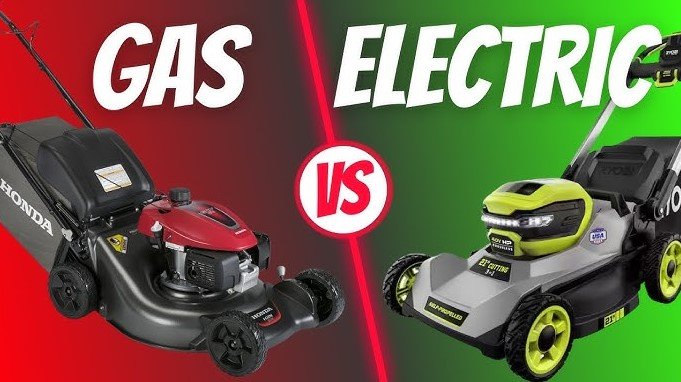
Choosing between electric or gas depends on your yard size, budget, and personal preferences for maintenance. While gas mowers offer unmatched power for large properties, modern electric mowers provide a quieter, cleaner, and nearly maintenance-free experience for most homeowners.
Stepping out onto your lawn on a sunny Saturday morning, you are faced with a classic debate: which lawn mower is better, electric or gas? It is a question that has divided neighborhoods for years. As we move further into 2026, the technology behind both types of machines has advanced significantly, making the decision more interesting than ever before.
In the past, gas was the king of the driveway. It was the only way to get enough power to finish a thick lawn without stopping. Today, battery technology has caught up. We now have powerful, reliable, and convenient electric options that challenge the dominance of the combustion engine. Whether you are a weekend warrior or a homeowner looking for efficiency, understanding the nuances of each mower type is vital.
Key Takeaways
- Yard Size Matters: Electric mowers are perfect for small to medium lawns, while gas mowers remain the go-to for large or rugged terrain.
- Maintenance Differences: Gas mowers require oil changes, air filters, and spark plugs, whereas electric mowers are largely “plug and play.”
- Noise and Comfort: Electric models operate at a whisper-quiet decibel level, making them ideal for early morning mowing without disturbing neighbors.
- Power Expectations: Gas engines provide consistent high-torque performance for tall, wet grass that battery mowers sometimes struggle with.
- Environmental Impact: Switching to an electric mower significantly reduces your carbon footprint and eliminates the need for storing volatile fuel.
- Cost Over Time: Gas mowers have a lower upfront cost, but electric models save money on fuel and tune-up costs over the life of the machine.
The Case for Gas: Power and Performance
When people ask which lawn mower is better, gas remains the champion for those with massive, challenging properties. Gas engines provide a consistent level of power that is hard to replicate. Because they run on liquid fuel, you do not have to worry about running out of battery charge in the middle of a row. You simply refill the tank and keep moving.
Handling Difficult Terrain
If your yard has deep slopes, very thick weeds, or acres of grass, a gas mower is usually the superior choice. Gas-powered engines generate high torque, which helps the blade cut through heavy brush without stalling. When you hit a patch of tall, wet grass, a high-quality gas engine will power right through it. This reliability is why professionals still heavily rely on gas power.
The Freedom of Refueling
There is a unique freedom in not being tethered to a charging station. For a large property, a gas mower allows you to tackle the entire back forty without waiting four hours for a battery to cool down and charge. As long as you have a gas can in the shed, you have the ability to mow.
The Rise of Electric: Convenience and Quiet
Electric lawn mowers have become the preferred choice for the modern, busy household. They are clean, quiet, and incredibly easy to store. With the advancements we have seen by 2026, battery run-times are longer, and charging speeds have hit a level where most average suburban lawns can be finished on a single charge.
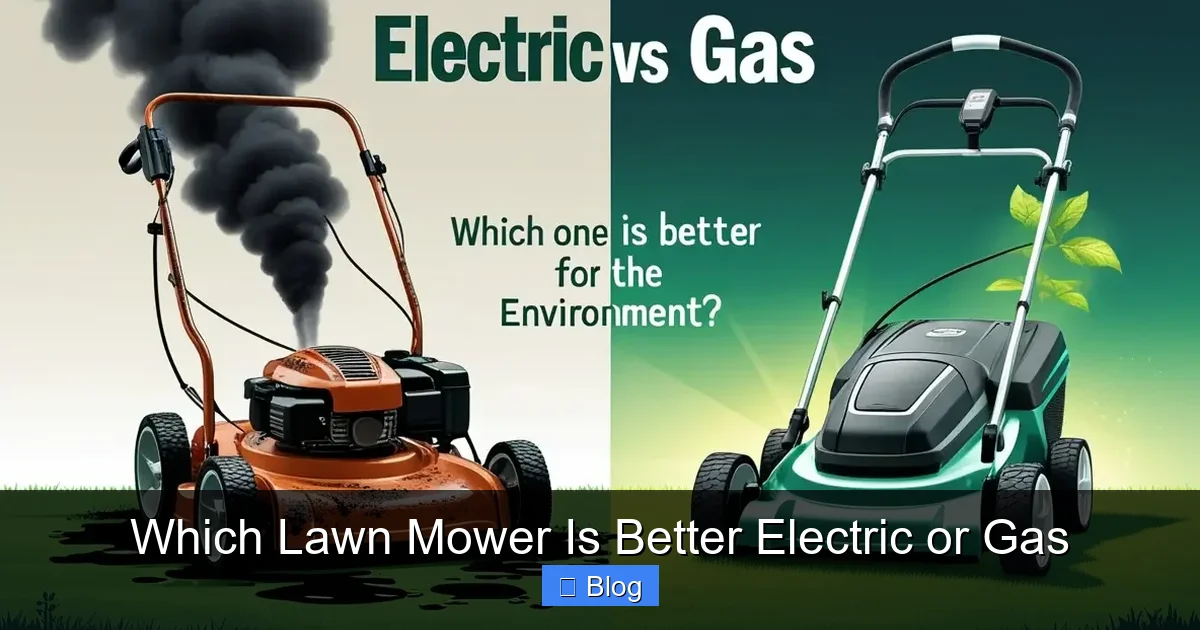
Visual guide about Which Lawn Mower Is Better Electric or Gas
Image source: grasscure.com
Maintenance That Actually Stays Simple
One of the biggest pain points with gas mowers is the yearly maintenance cycle. You have to change the oil, check the spark plug, clean the carburetor, and drain the fuel for winter. With an electric mower, that list disappears. You wipe it down, check the blade sharpness, and perhaps clear off some grass clippings. That is it. For homeowners who just want to get the job done and go back to relaxing, electric is a game-changer.
The “Stealth” Factor
Have you ever wanted to mow your lawn at 8:00 AM without feeling guilty about the noise? Gas mowers are loud, vibrating machines that wake up the entire block. Electric mowers operate at a much lower decibel level. You can have a conversation while mowing, and your neighbors will likely not even notice you are working. It makes the chore feel less like a heavy-duty construction project and more like a simple task.
Comparing Costs Over Time
When you start shopping, you will notice that gas mowers usually have a lower initial price tag. It is tempting to pick the cheaper option, but you need to look at the total cost of ownership. Over five or ten years, the math changes significantly.
Fuel and Tune-up Expenses
Gas prices fluctuate, and fuel storage adds another layer of cost and risk. Add in the price of synthetic oil, air filters, and replacement spark plugs, and you are spending money on your gas mower every single season.
Electric mowers, by contrast, use the electricity from your home, which is significantly cheaper per “mow” than gasoline. Additionally, you save hundreds of dollars over the lifetime of the mower by avoiding mechanical tune-ups.
Durability and Resale
Gas engines are built to last a long time if they are maintained well. However, they are prone to mechanical failure as they age. Batteries in electric mowers do eventually degrade. By 2026, battery technology is much better, but you should expect to replace the battery pack at least once during the life of the machine. Despite this, many users find the ease of use outweighs the cost of a future battery replacement.
Environmental Impact and Future Trends
As we look at the environment, the choice becomes clear. Gas mowers are sources of localized air pollution and noise pollution. By switching to an electric mower, you are directly reducing your carbon footprint. Many homeowners are now coupling their electric mowers with home solar energy systems, effectively mowing their lawns using the power of the sun.
Storage and Safety
Storing gasoline in your garage is a fire hazard. It can leak, it goes stale if left in the tank too long, and it requires careful handling. Batteries are certainly sensitive, but they don’t leak flammable liquids or emit toxic fumes. They store neatly on a shelf or wall-mounted dock, saving you floor space in your garage or shed.
Choosing the Right Fit for Your Lifestyle
So, which lawn mower is better, electric or gas, specifically for you? It really comes down to your personal habits. If you love tinkering with engines and need to clear out heavy, neglected areas, stick with gas. The sheer power is unparalleled.
If you prefer a low-maintenance lifestyle and want to keep your lawn care routine quick and quiet, go electric. The convenience of simply pressing a button to start your mower instead of yanking on a pull cord repeatedly is a massive upgrade that you will appreciate every single time you walk out to the grass. Try to rent both types if you are on the fence; most people find that once they go electric, they rarely look back.
Conclusion
The debate over electric versus gas lawn mowers is evolving as technology pushes us toward quieter and cleaner options. While gas mowers remain the heavy-duty workhorses of the lawn care world, electric mowers have successfully proven themselves as the standard for the modern homeowner.
By weighing your specific needs regarding property size, maintenance tolerance, and environmental impact, you can make the right investment for 2026 and beyond. Remember that the “best” mower is the one that you actually enjoy using. If you dread the thought of smelling like gasoline or struggling to start a stubborn engine, an electric model will make your weekends much brighter.
If you enjoy the mechanical nature of a gas engine and have a sprawling property to tame, there is no shame in sticking with what works best for the terrain. Regardless of your choice, keeping your blades sharp and your machine clean will ensure your lawn looks perfect all season long.
Frequently Asked Questions
How long does an electric mower battery last?
In 2026, most quality electric mower batteries last between 45 to 75 minutes on a single charge, which is usually enough for a standard quarter-acre lot. If you have a larger yard, buying a second battery allows you to swap them out instantly and keep mowing.
Are electric mowers powerful enough for tall grass?
Modern electric mowers feature high-torque motors that perform very well on tall grass. While they may struggle with extremely thick, overgrown meadows compared to commercial gas mowers, they handle typical residential growth with ease.
Do I need to do any maintenance on an electric mower?
Electric mowers are very low-maintenance, requiring only regular blade sharpening and cleaning of the deck. You do not need to deal with oil changes, spark plugs, or fuel filters, which saves significant time and money.
How much does it cost to charge an electric mower?
Charging an electric mower is incredibly inexpensive, often costing only a few cents worth of electricity per charge. This is significantly cheaper than the price of gasoline required to mow the same area.
Which is better for the environment?
Electric mowers are better for the environment because they produce zero emissions at the point of use and help reduce noise pollution. Using a mower powered by renewable energy, like home solar panels, makes the process even cleaner.
Can I leave an electric mower battery in the garage during winter?
It is best to store your electric mower battery in a climate-controlled area during the winter months. Extreme cold can shorten the overall lifespan of lithium-ion batteries, so bringing them inside will help protect your investment.