
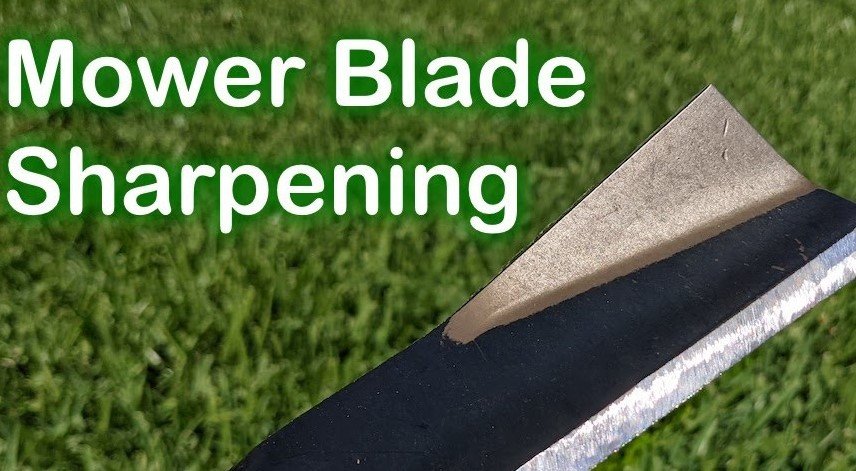
Maintaining a sharp lawn mower blade is the secret to a healthy, green lawn that resists disease and pests. Most experts recommend sharpening your blade at a 30-degree angle to achieve the perfect balance between cutting sharpness and metal durability. Following this guide will help you extend the life of your equipment and keep your yard looking its best all year long.
If you have ever looked at your lawn after a fresh cut and noticed ragged, brown, or torn grass tips, your lawn mower blade is likely calling for help. Many homeowners assume that a mower just needs gas and oil to function, but the blade is the true heart of the machine. Understanding what angle to sharpen lawn mower blade is the first step toward transforming your yard from average to professional-grade.
When you use a dull blade, you are essentially tearing the grass rather than slicing it. This process puts unnecessary stress on your lawn, leaving it vulnerable to heat damage and fungal infections. In this guide, we will break down the ideal angles, tools, and techniques to help you master this essential home maintenance skill as we head into the 2026 mowing season.
Key Takeaways
- The Golden Angle: A 30-degree angle is the industry standard for most residential lawn mower blades.
- Sharpness vs. Longevity: While a steeper angle cuts faster, a 30-degree edge prevents the blade from wearing down or chipping too quickly.
- Safety First: Always disconnect the spark plug wire before working on your mower to prevent accidental starts.
- Balance Matters: An unbalanced blade causes excessive vibration, which can destroy your mower’s engine over time.
- Frequent Maintenance: Sharpen your blades at least twice per mowing season to keep the grass healthy and reduce engine strain.
- The Test: Use a simple kitchen file or a specialized blade balancer to ensure the weight is distributed evenly before reattaching.
Understanding the 30-Degree Standard
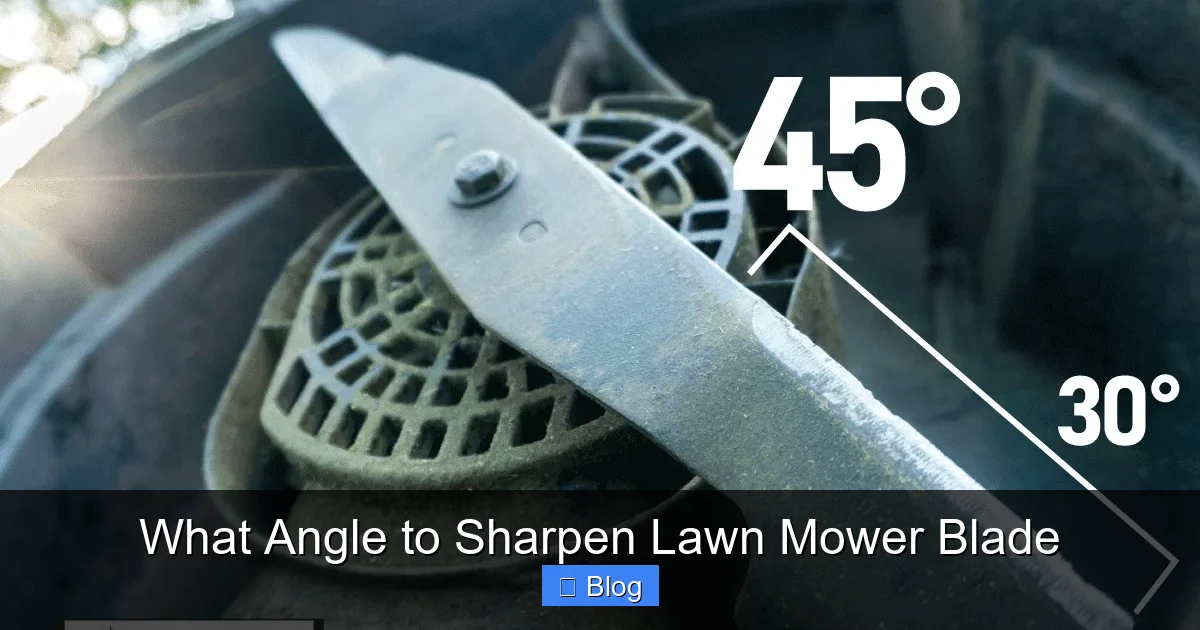
When you ask a professional technician what angle to sharpen lawn mower blade, the answer will almost always be 30 degrees. This specific geometry is designed to mimic the factory edge that came with your machine. It offers the best compromise between a keen, clean cutting edge and the structural integrity of the metal.
Why 30 Degrees Is the Sweet Spot
If you sharpen the blade to a very thin, knife-like edge—perhaps at 15 or 20 degrees—the metal will be too fragile. It will quickly roll over or chip when it strikes small rocks, sticks, or hard debris. Conversely, a blunt edge of 45 degrees or more will hammer the grass instead of cutting it, leading to that unsightly brown frayed look at the top of your blades of grass.
By sticking to 30 degrees, you maintain a robust bevel that can withstand the high-speed impact necessary for mowing without needing to be sharpened after every single trip around the yard. It keeps the steel thick enough to resist heat damage during the sharpening process while remaining sharp enough to glide through turf like a hot knife through butter.
Essential Tools for the Job
You do not need a professional machine shop to sharpen your blades. Most homeowners can achieve excellent results with a few simple items found in any hardware store or garage. Before you start, gather your safety gear: heavy-duty leather gloves, safety goggles, and a clean workspace.
Recommended Sharpening Equipment
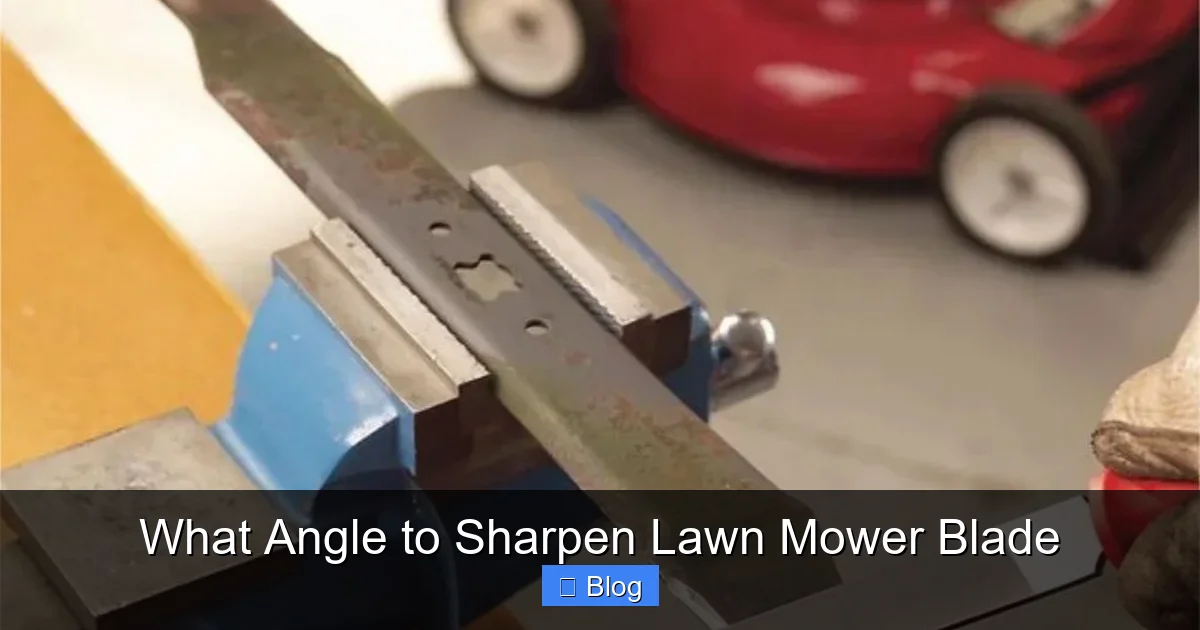
The most common tool is a standard metal file. A bastard-cut mill file is excellent for removing material quickly. For those who prefer a faster job, a bench grinder or an angle grinder with a flapper disc is a great choice. However, if you use a power grinder, be very careful not to overheat the metal. If the blade starts turning blue, you are overheating it and ruining the temper of the steel, which makes it lose its sharpness much faster in the future.
Don’t forget a blade balancer. This is a simple, inexpensive cone-shaped tool that allows you to see if one side of the blade is heavier than the other. Never skip the balancing step, as a lopsided blade can vibrate violently and lead to expensive repairs for your mower’s crankshaft.
The Step-by-Step Sharpening Process
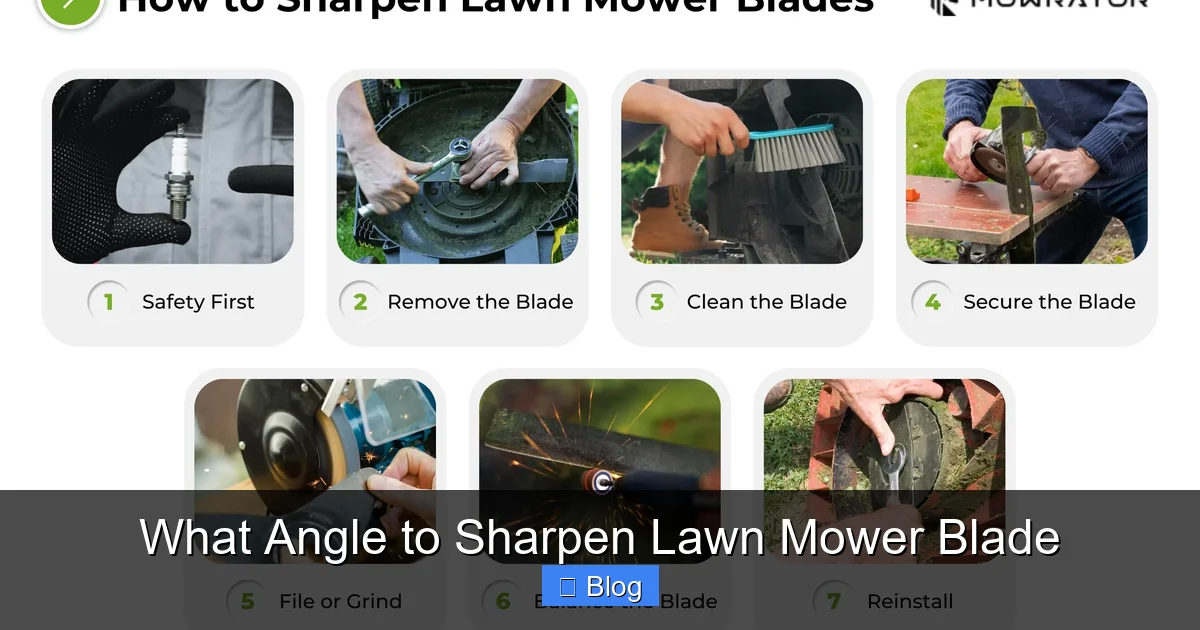
Once you have your tools ready, the process is straightforward. Safety is your top priority. Before you touch the blade, remove the spark plug wire to ensure the mower cannot start while your fingers are near the underside of the deck.
Removing and Cleaning the Blade
Turn your mower onto its side—always with the air filter facing upward to prevent oil from flooding the carburetor. Use a wooden block to wedge the blade so it doesn’t spin while you loosen the center bolt. Once removed, use a wire brush to scrub away the dried grass and caked-on dirt. You cannot sharpen a blade properly if it is covered in debris.
Grinding to the 30-Degree Angle
Hold the file or grinder at the existing bevel angle. If you are unsure, use a protractor or a simple angle guide. If you are using a bench grinder, move the blade steadily across the wheel in one direction. Keep the motion fluid. If you are using a hand file, push the file firmly across the edge, lifting it away on the return stroke. Aim for an edge that is sharp enough to cut paper, but remember that this is a lawn tool, not a razor; it doesn’t need to be hair-splitting sharp.
Common Mistakes to Avoid
Even seasoned DIY enthusiasts make mistakes that can impact their mower’s performance. The most common error is removing too much metal. If you grind the blade down until it is paper-thin, you have permanently compromised its structural strength. If you find yourself having to remove large chunks of metal to get a sharp edge, it is time to buy a new blade.
Ignoring the Balance
Balancing is the most overlooked part of the process. If you sharpen one side more than the other, the blade will spin unevenly. This creates a rhythmic vibration that shakes the entire mower. Over time, this constant rattling will damage your engine mounts, cause seals to leak, and potentially bend the blade drive shaft, which is a very expensive repair. Always test the balance by hanging the blade on a nail or a dedicated balancer tool between every few passes with your file.
Signs That Your Blade Needs Attention
How do you know when it is time to sharpen? Aside from the visual cue of torn, yellowing grass tips, you should pay attention to how your engine sounds. A dull blade requires significantly more engine power to chop through the grass. If your mower sounds like it is struggling or losing RPMs more than usual, it’s a clear sign your blade is fighting the turf.
Frequency Matters
For the average homeowner with a standard suburban lawn, sharpening your blade twice per season is a great schedule. If you have a large yard, rocky soil, or live in an area where you frequently mow over sandy patches, you may need to sharpen more often. Sand is like sandpaper it will strip a sharp edge off a steel blade in just a few hours of mowing.
Conclusion
Knowing what angle to sharpen lawn mower blade is a fundamental skill that every homeowner should master. By keeping your blade at that 30-degree sweet spot, you ensure a crisp, clean cut that keeps your lawn looking healthy and vibrant throughout the 2026 season. It saves you money on replacement parts, protects your engine from vibration damage, and gives you the satisfaction of a job well done.
Take your time, prioritize safety, and never underestimate the importance of a balanced blade. With these steps, you will be well on your way to achieving the best-looking lawn on the block. Happy mowing!
Frequently Asked Questions
Do I really need to sharpen my mower blade every year?
Yes, at a minimum, you should sharpen it at the start of every season. If you mow frequently or have a large, tough lawn, sharpening it twice a season will yield much better results for your grass health.
Can I sharpen the blade while it is still on the mower?
It is highly discouraged. Removing the blade allows you to clean it properly, achieve the correct 30-degree angle safely, and perform a proper balance test to prevent engine damage.
What happens if I sharpen at an angle other than 30 degrees?
A shallower angle will make the edge thin and prone to chipping on rocks, while a steeper angle will result in a blunt edge that tears the grass instead of cutting it cleanly.
How do I know if the blade is balanced?
Place the center hole of the blade on a balancer tool or a nail driven into a wall. If the blade stays horizontal, it is balanced; if one side drops, that side is heavier and needs more material removed.
Is it better to use a file or a grinder?
A file is safer for beginners because it is harder to remove too much metal or overheat the steel. A bench grinder is faster but requires careful control to avoid ruining the metal’s temper.
How long should a lawn mower blade last before I replace it?
With proper care and sharpening, a high-quality blade can last 3 to 5 years. However, if the metal becomes heavily pitted, thinned out, or bent, you should replace it immediately for safety.