
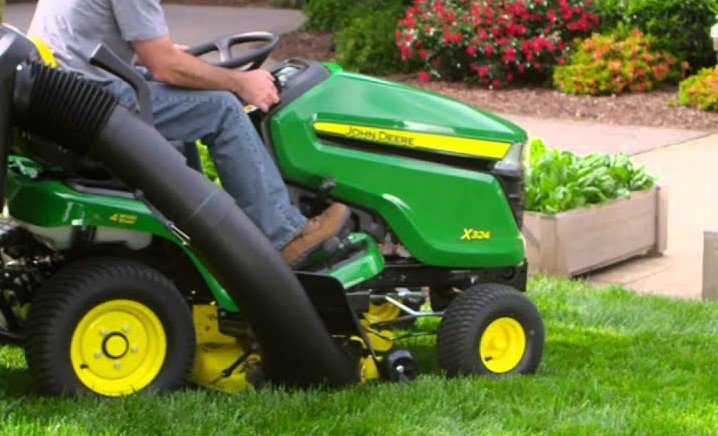
Your riding lawn mower uses an integrated component called a stator or alternator to generate electricity while the engine runs. This system converts mechanical energy into electrical power, which flows through a voltage regulator to recharge your battery while you work.
There is nothing quite as frustrating as heading out to tackle a Saturday morning chore, turning the key on your riding lawn mower, and hearing nothing but a pathetic, hollow click. You know the feeling well—the grass is tall, the sun is high, and your machine refuses to cooperate. Most people know that the battery provides the initial spark to get the engine turning, but fewer people actually understand what charges a battery on a riding lawn mower once the engine roars to life.
If you think that battery charges itself by magic or that it holds enough energy for ten starts in a row, it is time to peek under the hood. In the world of outdoor power equipment, your mower is essentially a miniature car. It relies on a closed electrical circuit that constantly replenishes itself while you mow. Understanding this process will save you from expensive repair bills and help you keep your lawn care routine running smoothly throughout the 2026 season.
Key Takeaways
- The Stator: This stationary coil of wire works with the spinning magnets of the engine flywheel to create an AC electrical current.
- The Regulator: Because the stator produces raw power, a voltage regulator is essential to convert and stabilize that energy for your battery.
- Mechanical Connection: The battery only charges when the engine is actively running at a sufficient speed to engage the charging system.
- Battery Health: A clean, tight connection at the terminals is just as important as the charging system itself for a reliable start.
- Maintenance Matters: Regularly checking your voltage output ensures your mower won’t leave you stranded in the middle of a tall patch of grass.
The Heart of the System: The Stator and Flywheel
At the center of your mower’s charging system is a component known as the stator. If you have ever looked underneath the metal cowling of your engine, you might have seen a set of copper wire coils sitting stationary around the crankshaft. This is the stator. It does not move, but it is surrounded by a flywheel that contains powerful magnets.
How Mechanical Energy Becomes Electricity
As your engine rotates, the flywheel spins rapidly around the stator. This movement of magnets past the coils creates an electromagnetic field, which generates alternating current (AC) electricity. Think of it like a bicycle light generator that glows brighter the faster you pedal. The faster your engine spins, the more potential power your stator produces. However, this raw power is not quite ready to be stored in your battery just yet.
The Role of the Magnets
The magnets inside the flywheel are permanent, meaning they do not require an outside electrical source to function. This is a brilliant design feature. Because the magnets are always there, the system starts generating power the very instant the engine begins to turn. This is why even a mower with a slightly weak battery can often keep running once it is jump-started; the stator takes over the heavy lifting once the engine reaches a consistent RPM.
Converting Power: The Voltage Regulator
While the stator creates electricity, it creates “raw” AC power that fluctuates depending on how fast your engine is running. Your battery, however, requires steady direct current (DC) at a specific voltage to charge safely. This is where the voltage regulator steps in to act as the traffic controller of your mower’s electrical system.
From AC to DC
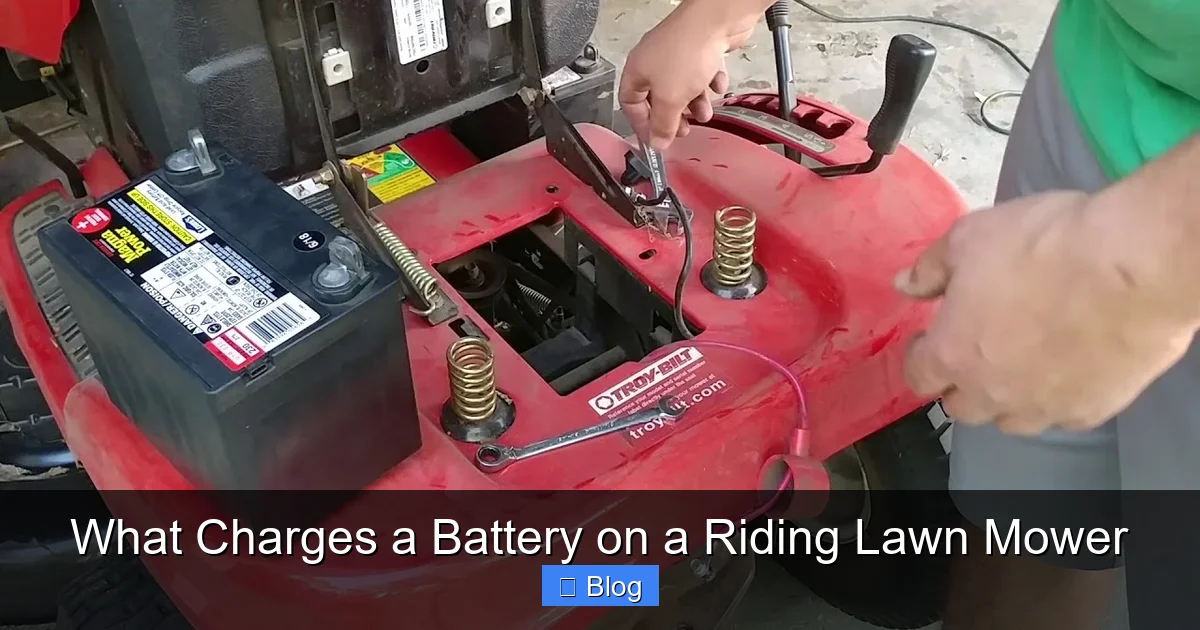
The voltage regulator performs two major jobs. First, it uses a rectifier to convert that jumpy AC electricity into smooth DC power. Without this step, you would essentially be trying to pour water from a fire hose into a delicate tea cup—the battery would likely overheat or fail due to the uneven surge of current.
Managing Voltage Spikes
The second job of the regulator is to prevent overcharging. If the engine is running at a very high speed, the stator produces more power than the battery needs. The regulator acts like a pressure valve, shedding excess energy as heat and ensuring the battery stays topped off at the correct voltage, usually around 13.5 to 14.5 volts. If your regulator fails, it will either stop charging the battery entirely or, worse, “cook” the battery by sending too much power into it.
Why Your Mower Battery Might Not Be Charging
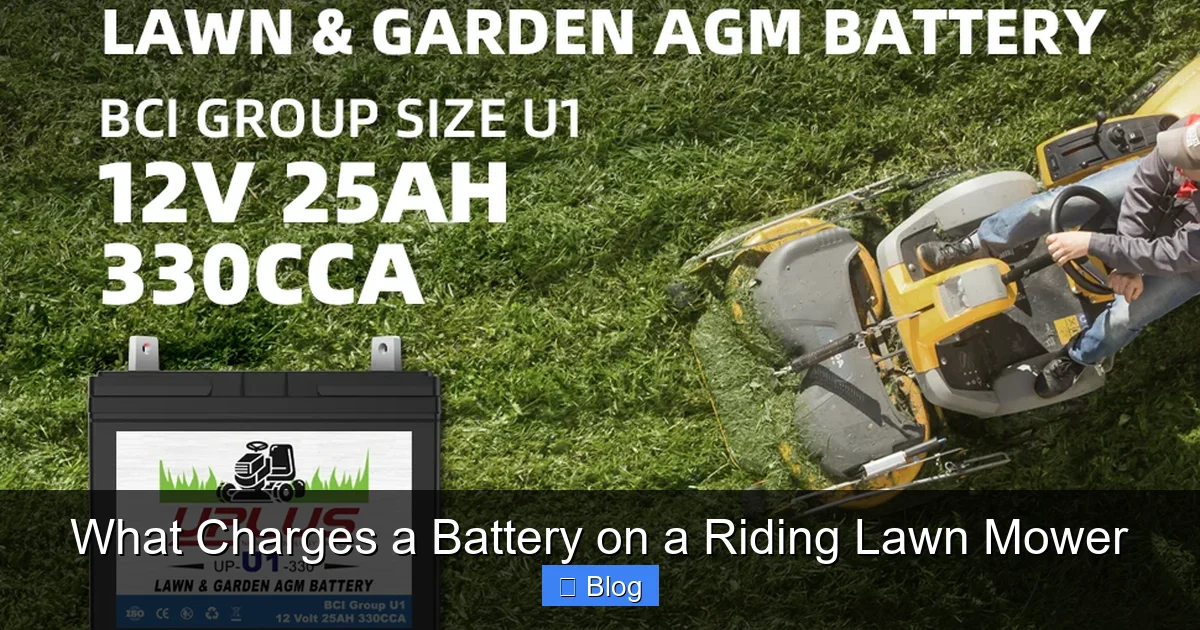
Even though you now know what charges a battery on a riding lawn mower, sometimes the system fails to do its job. If your battery is dying after a few uses, do not automatically assume the battery is “bad.” Often, the culprit is hidden within the connections or the charging components themselves.
Loose or Corroded Terminals
Before you buy a new battery, look at the cables. Corrosion—that white, crusty powder on the battery posts—acts as an insulator. It prevents the electricity coming from your charging system from actually reaching the battery cells. A simple cleaning with a wire brush and a mixture of baking soda and water can often solve a “charging” problem instantly.
Broken Safety Switches
Modern mowers are covered in safety switches. If a wire leading to your regulator or stator has been chewed by a mouse or rubbed raw against the frame, the charging circuit will be broken. A visual inspection of the wiring harness is a vital step in troubleshooting. If the stator cannot send its signal to the regulator, the battery will simply drain until the mower dies.
Optimizing Battery Life in 2026
As we move through the current season, it is worth noting that batteries are better cared for than they were a decade ago. Today’s maintenance-free batteries are robust, but they still have limits. To keep your charging system working efficiently, you should treat the battery as a living component of your machine.
The Importance of RPMs
One common mistake operators make is running the engine at a very low idle for long periods. Your charging system is designed to provide maximum output when the engine is running at full throttle—which is usually the recommended speed for cutting grass anyway. If you consistently mow at low speeds, the stator may not produce enough voltage to overcome the electrical draw of the headlights, the electric clutch, and the fuel solenoid.
Using a Battery Tender
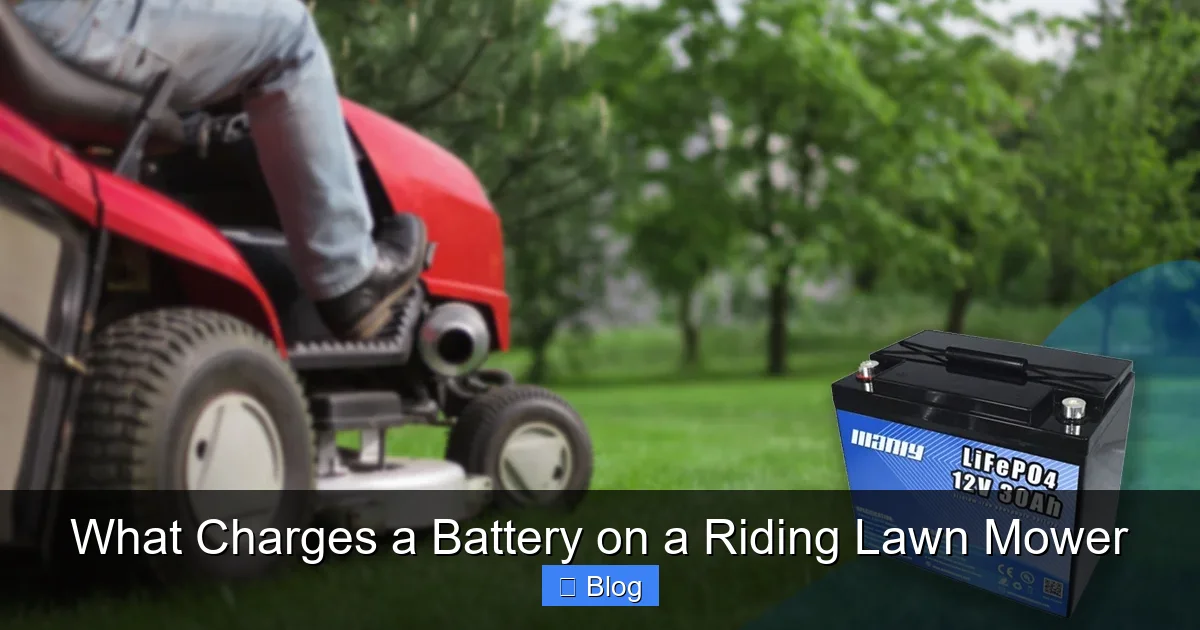
Even if your mower is charging perfectly, your battery will naturally lose charge while sitting idle in the garage between mows. In 2026, many experts recommend using a smart “trickle charger” or battery tender during the off-season or long gaps between grass-cutting sessions. Keeping the battery fully charged prevents the lead plates inside from sulfating, which effectively extends the life of your battery by years.
Common Signs of a Faulty Charging System
How do you know if the problem is the battery or the components responsible for charging it? You can perform a simple diagnostic test with a handheld digital multimeter. With the engine off, a healthy battery should read about 12.6 volts. When you start the engine and set it to full throttle, that number should climb to 13.5 or higher.
What if the Voltage Doesn’t Rise?
If the voltage stays at 12.6 or drops when the engine is running, you have a charging system failure. This usually points to a bad regulator or a burnt-out stator. Checking these parts is relatively straightforward for a DIY enthusiast, but it requires a bit of patience with a multimeter. If you are not comfortable working with electricity, any local shop can test the output of your charging system in minutes.
When to Replace the Battery
If your charging system is confirmed to be working—meaning it puts out the correct voltage—but the battery still refuses to hold a charge for more than a day, it is time for a replacement. Batteries are wear items. Over time, the internal chemical structure breaks down. No amount of efficient charging will fix a battery that can no longer hold the capacity it once did.
Conclusion
Knowing what charges a battery on a riding lawn mower turns a mysterious piece of equipment into a manageable machine. By understanding the dance between the flywheel magnets, the stator coils, and the voltage regulator, you are now better equipped to diagnose issues before they ruin your afternoon. Remember: the engine powers the stator, the stator powers the regulator, and the regulator keeps your battery ready for the next turn of the key.
Keep your connections clean, check your wiring regularly, and don’t be afraid to use a battery tender when the mower is parked for a while. With just a little bit of attention to your electrical system, your mower will remain a reliable partner for your lawn care needs all year long. Stay proactive, keep those terminals tight, and enjoy the satisfaction of a mower that starts on the first try, every single time.
Frequently Asked Questions
Does the battery charge when the engine is idling?
While the charging system produces some electricity at idle, it is often not enough to fully recharge a battery that has been drained. The system is designed to operate most efficiently when the engine is at full operating speed during the mowing process.
Can I use a car charger on my lawn mower battery?
You must be very careful, as most car chargers provide too much amperage for a small lawn mower battery. It is highly recommended to use a battery charger specifically designed for small batteries or a “smart” tender to prevent damaging the cells.
How do I know if my stator is bad?
A bad stator often produces no voltage output at all, which you can test using a multimeter on the AC setting. If the stator isn’t producing an AC signal when the engine is running, the regulator has no power to convert, and your battery will eventually go dead.
Do headlights drain the battery while I am mowing?
Headlights do draw power from the electrical system, but if your charging system is functioning correctly, the stator will easily compensate for that draw. If your lights dim significantly when the blade clutch is engaged, it may indicate a weak charging system or a loose connection.
How often should I clean my battery terminals?
It is good practice to inspect your battery terminals at the start of every season and again mid-season. If you see any signs of blue, green, or white corrosion, clean them immediately to ensure a strong connection for your starter motor.
Why does my battery go dead even if I mow every week?
If your battery dies despite regular use, you may have a “parasitic draw,” where a component is still pulling power even when the key is off. Alternatively, your voltage regulator may have failed, meaning the battery is never actually receiving a charge while the engine runs.