
For porcelain tile, the best angle grinder combines steady power, low vibration, and a quality diamond blade.
Cutting porcelain tile can turn a simple bathroom or kitchen project into a frustrating mess. A weak grinder may stall, chip the glaze, or leave a rough edge. The right tool gives you better control for trimming tiles, shaping corners, widening holes, and making small cuts that a wet saw cannot handle easily. I compared five useful options for tile work, polishing, and general repair. I also looked at power, handling, included accessories, safety features, and overall value for home users.
See the differences between my top picks at a glance.
| Product | Power Type | Best Use | Key Strength | Tile Note | Buy |
|---|---|---|---|---|---|
| Adoles Orbital Tile Cutter | Electric | Large tile work | Tile-focused design | Made for ceramic and porcelain cutting | View on Amazon |
| LOZLIN Diamond Pads | Accessory set | Edge shaping | 50/100/200 grit range | Works with a compatible grinder | View on Amazon |
| AVID POWER 7.5-Amp Grinder | Corded electric | Cutting and grinding | Strong motor and kit value | Needs a suitable diamond blade | View on Amazon |
| Metabo HPT G12SR4 | Corded electric | Light cutting and detail work | Compact body and case | Blade choice controls tile results | View on Amazon |
| DEWALT DCG413B | 20V cordless | Portable tile work | Brushless motor and brake | Battery and diamond blade sold separately | View on Amazon |
Adoles Orbital Tile Cutter

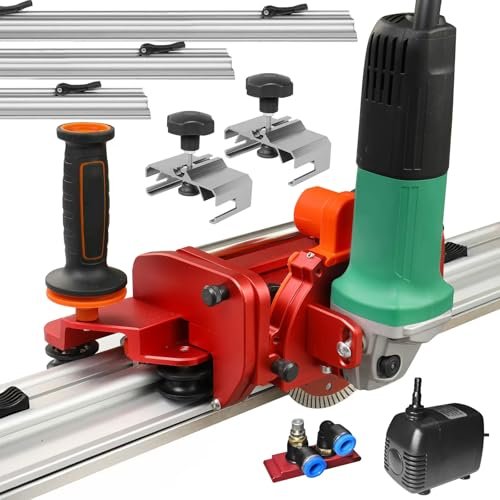
The Adoles electric orbital angle grinder tile cutter stands out because its design focuses on ceramic and porcelain tile work. That makes it more directly relevant than a standard metal grinder. The product listing presents it as a tool for large ceramic and porcelain tiles, with a stated cutting capacity of up to 122 inches. That feature may appeal to users who need to work across long tile pieces or repeated runs.
I would still check the included blade, arbor details, and adjustment method before purchase. A tile grinder only performs as well as its diamond cutting wheel and setup. The orbital format may help with controlled movement, but it does not remove the need for firm support and slow passes. For the best finish, mark the cut, support the tile well, and avoid forcing the tool through the glaze.
Pros:
- Designed specifically for ceramic and porcelain tile work
- Useful option for large-format tile projects
- Long stated cutting range for extended workpieces
- More task-focused than a general metal grinder
- Good fit for users who want a dedicated tile tool
- Can reduce the need to adapt a general-purpose grinder
Cons:
- May be less useful for general metal grinding than a standard angle grinder
- Buyers should confirm blade and replacement-part details before ordering
- A dedicated tile design may not suit every small repair job
What Amazon Buyers Are Saying
Customer feedback for a newer, specialized product should be read with care. Buyers who choose this type of tool generally focus on its tile-specific design and its ability to handle larger tile pieces. The main practical questions are often ease of setup, cut control, dust, and the quality of the finished edge.
I would pay close attention to recent reviews that mention the exact tile thickness, blade performance, and long-term durability. Review volume and availability can change over time. Since porcelain varies in hardness and thickness, one buyer’s result may not match another buyer’s project. Treat the listing and current customer feedback as a guide, then confirm the tool fits your tile size and cutting plan.
My Recommendation
This is my first choice when the main job involves porcelain tile and you prefer a tile-focused electric tool. It offers the clearest match between the product design and the task. I recommend it for larger tile work, but I would confirm accessories and practice on a spare tile first. It is worth considering for a dedicated tile project rather than as an all-purpose workshop grinder.
| Category | Rating |
|---|---|
| Tile suitability | 4.7/5 |
| Cut control | 4.2/5 |
| Versatility | 3.5/5 |
| Project value | 4.2/5 |
| Overall Rating | 4.3/5 |
LOZLIN Diamond Polishing Pads

The LOZLIN set is not an angle grinder. It is a three-piece diamond polishing pad kit for tile, marble, and granite. The set includes 4-inch pads in 50, 100, and 200 grit. That range can help you move from rough edge shaping to a smoother finish when used with a compatible grinder.
For porcelain tile, these pads are most useful after a cut. They can soften a sharp edge, refine a chamfer, or improve the look of an exposed side. They do not replace a diamond cutting wheel, and they do not turn a weak grinder into a strong cutter. I see this kit as a smart companion purchase for someone who already owns a suitable angle grinder.
Pros:
- Includes three useful grit levels for staged edge work
- Suitable for tile, marble, and granite applications
- Useful for chamfering and edge shaping
- 4-inch size suits many common small grinders
- Can improve the feel of a freshly cut tile edge
- Offers a low-cost way to add finishing capability
Cons:
- It cannot cut porcelain tile by itself
- Requires a compatible grinder and correct backing setup
- Polishing creates dust and needs careful work-area control
What Amazon Buyers Are Saying
When buyers review diamond pad sets, they usually comment on how quickly the pads shape an edge, how long the abrasive lasts, and whether the grits produce a clear change in surface finish. The most useful reviews explain the material worked on and the grinder used. That detail matters because porcelain hardness and pad pressure affect results.
Some users may expect a polishing pad to remove large chips or correct a badly cut tile. That is not its best role. A pad works better when the cut is already close to the desired shape. I recommend checking current reviews for pad wear, backing fit, and performance on porcelain rather than relying only on reviews from users working with softer stone.
My Recommendation
I recommend the LOZLIN pads as an add-on, not as the best angle grinder for porcelain tile. They make sense if you need cleaner edges after cutting. The three grits offer a simple work sequence, but you still need a stable grinder and proper technique. Buy them with confidence for edge finishing, provided the pad connection fits your tool.
| Category | Rating |
|---|---|
| Edge finishing | 4.4/5 |
| Grit range | 4.2/5 |
| Cutting ability | Not applicable |
| Accessory value | 4.1/5 |
| Overall Rating | 4.2/5 |
AVID POWER 7.5-Amp Angle Grinder

The AVID POWER angle grinder uses a 7.5-amp motor and a 4-1/2-inch format. The package includes grinding wheels, cutting wheels, and an auxiliary handle. The included accessories make it useful for more than tile, although I would use a dedicated diamond blade for porcelain. Its corded design provides steady power for work near an outlet.
This grinder can serve a homeowner who wants one tool for tile cuts, rust removal, grinding, and light polishing. The auxiliary handle gives you a second grip, which helps when you guide a diamond wheel along a marked line. Still, a general-purpose grinder demands more care during tile work. Use a blade rated for porcelain, keep the wheel aligned, and do not press hard enough to twist the cut.
Pros:
- 7.5-amp motor suits many home repair tasks
- Includes an auxiliary handle for improved control
- Useful 4-1/2-inch size for small and medium cuts
- Package includes both grinding and cutting accessories
- Corded power avoids battery charging breaks
- Works across tile, metal, rust removal, and polishing tasks
Cons:
- Included wheels may not be the right choice for porcelain
- Cord limits movement around large rooms or outdoor work
- More vibration and noise may occur during long cuts
- Requires careful speed and pressure control from the user
What Amazon Buyers Are Saying
Common buyer themes for this type of grinder include useful power, a helpful accessory package, and good value for occasional work. Users often like having a second handle and several wheels in the box. Buyers who use the tool for metal or general repairs may value its broad purpose more than tile specialists do.
The usual concerns with budget corded grinders involve heat, vibration, switch feel, and accessory quality. Customer experiences can vary with workload and technique. For porcelain tile, I would focus on reviews that discuss cutting performance, wheel control, and run time under load. Remember that the supplied cutting wheel may not be a porcelain-rated diamond wheel, so inspect the package before starting a cut.
My Recommendation
The AVID POWER is a strong value pick for a homeowner who needs a general grinder and plans occasional porcelain tile work. It offers useful power and a practical kit. I would buy a high-quality continuous-rim or tile-rated diamond blade separately. With the right blade, this is one of the more flexible choices in the group, though it lacks the tile-specific focus of the Adoles tool.
| Category | Rating |
|---|---|
| Cutting power | 4.4/5 |
| Tile control | 4.0/5 |
| Included value | 4.4/5 |
| Versatility | 4.5/5 |
| Overall Rating | 4.3/5 |
Metabo HPT G12SR4 Angle Grinder

The Metabo HPT G12SR4 is a compact 4-1/2-inch angle grinder with a 6.2-amp motor. It comes with five grinding wheels and a hard case. The smaller body can feel easier to manage when you work around tight corners or make short tile cuts. Its corded setup also provides consistent power for a home renovation project.
This model is a practical choice for users who value a simple tool and organized storage. The five included wheels are useful for general grinding, but I would not assume they are suitable for porcelain. Choose a proper diamond wheel for tile and test the grinder on scrap material. Its compact design can help with control, but light pressure remains important because porcelain can chip when the wheel catches.
Pros:
- Compact 4-1/2-inch body suits detail work
- 6.2-amp motor supports common home projects
- Includes five grinding wheels
- Hard case keeps the grinder and parts together
- Corded design gives steady power during use
- Useful for grinding, shaping, and occasional tile work
Cons:
- Included grinding wheels may not suit porcelain cutting
- Lower motor rating than the AVID POWER model
- Corded operation can be awkward in unfinished spaces
- May need a separate diamond blade and tile guide
What Amazon Buyers Are Saying
Buyers often value the compact size, hard case, and ready-to-use accessory package. Reviews for a tool in this class commonly focus on how comfortable it feels in the hand and whether it handles light work without trouble. The case also appeals to people who want a neat storage option for a small workshop.
Some customers may want more power for heavy grinding or long jobs. That concern matters less for short porcelain cuts than it does for thick metal. I suggest reading recent reviews for switch operation, vibration, and durability under load. As with every general grinder here, tile results depend heavily on the diamond blade and the user’s cutting method.
My Recommendation
I recommend the Metabo HPT for light tile work, trim cuts, and buyers who want a compact grinder with a case. It is not my first choice for repeated large-format porcelain cuts. However, it offers good handling and useful value for small renovation tasks. Add a tile-rated diamond wheel, and it becomes a capable secondary option.
| Category | Rating |
|---|---|
| Compact handling | 4.4/5 |
| Tile suitability | 3.9/5 |
| Accessory package | 4.3/5 |
| Storage value | 4.5/5 |
| Overall Rating | 4.2/5 |
DEWALT DCG413B 20V MAX Angle Grinder

The DEWALT DCG413B is a 20V MAX cordless angle grinder with a brushless motor, paddle switch, and kickback brake. The listing identifies it as a 4-1/2-inch tool-only model. That means you need a compatible battery, charger, and tile-rated diamond blade unless you already own them. Its cordless design gives you freedom to work without dragging a cord across a room.
This grinder makes sense for mobile repair work and quick cuts in places without a nearby outlet. The paddle switch can support a more natural grip, while the brake and kickback control add useful safety features. A cordless tool may feel more balanced for short cuts, but battery choice affects weight and run time. For long porcelain jobs, keep a charged spare battery ready and use steady, light passes.
Pros:
- Brushless motor design supports efficient cordless use
- 20V platform offers easy movement around a job site
- Paddle switch allows quick access to tool control
- Kickback brake adds a valuable safety feature
- 4-1/2-inch size suits many tile trimming tasks
- Useful for users already invested in the DEWALT battery system
Cons:
- Tool-only package does not include a battery or charger
- Battery cost increases the total purchase price
- Run time depends on battery size and cutting load
- Diamond tile blade usually requires a separate purchase
What Amazon Buyers Are Saying
Buyers commonly praise the cordless freedom, compact size, brushless motor, and fast stopping action. Users who already own compatible DEWALT batteries often see the tool-only package as a benefit. Job-site users may also like the lack of a power cord when they work outdoors or in unfinished rooms.
The most common concerns tend to involve battery cost, weight with larger packs, and run time during demanding work. Those points are important for porcelain because continuous cutting can use power quickly. I would focus on reviews that mention the battery used and the type of material cut. Do not compare a short trim cut with a full day of heavy grinding.
My Recommendation
The DEWALT DCG413B is my favorite cordless option in this comparison. It is worth buying if you already own DEWALT 20V batteries or need portable cutting power. The brake and paddle switch add confidence, but the tool-only price can be high for a first-time buyer. Pair it with a quality porcelain-rated diamond blade for the best result.
| Category | Rating |
|---|---|
| Cordless control | 4.7/5 |
| Safety features | 4.6/5 |
| Tile suitability | 4.2/5 |
| Total value | 4.0/5 |
| Overall Rating | 4.4/5 |
How to Choose the Best Angle Grinder for Porcelain Tile
Choosing the best angle grinder for porcelain tile takes more than looking at amp or voltage numbers. Porcelain is dense, hard, and prone to edge chips. A good result comes from the tool, the diamond blade, the support under the tile, and the way you guide the cut. I use the points below when judging a grinder for tile work in 2026.
1. Match the Grinder to the Tile Job
Start with the type of cut. A grinder works well for small notches, corner cuts, curved cuts, plumbing openings, and trimming a tile that does not fit. It is less ideal for many long, straight cuts across a room. A wet saw usually gives cleaner long cuts and controls dust better.
For occasional cuts, a 4-1/2-inch grinder offers a useful balance of reach and control. A corded model suits long sessions near an outlet. A cordless model suits quick work in several rooms. A tile-focused tool may be better when porcelain is your main material. A general grinder may be better when you also plan to grind metal or remove rust.
2. Prioritize the Diamond Blade and Cut Control
The wheel matters as much as the grinder. Use a diamond blade made for porcelain, ceramic, or hard tile. A continuous-rim blade often helps produce a smooth edge, while a segmented blade can cut more freely but may leave a rougher finish. Always check the wheel size, arbor size, speed rating, and material rating before installation.
Look for a grinder that feels stable in both hands. An auxiliary handle helps you guide the wheel. A paddle switch can make control easier because you can release it quickly. A brake and kickback control can add another layer of protection. These features do not replace safe technique, but they can help reduce risk when the wheel binds.
3. Consider Heat, Dust, and Safety
Dry cutting porcelain creates fine dust. I recommend outdoor work when possible, or strong local dust collection if the job stays indoors. Wear safety glasses or a face shield that meets the proper impact standard. Use hearing protection and a suitable dust mask or respirator for fine particles. Keep loose clothing away from the wheel, and never remove the guard.
Heat can damage the blade and increase chipping. Make slow passes instead of forcing the wheel. If the blade or tile becomes very hot, stop and let it cool. Clamp or support the tile so it cannot move. Make a shallow scoring pass first, then deepen the cut. This method gives the diamond rim less work at one time and often improves control.
4. Check Power, Runtime, and Comfort
Amp ratings help compare corded grinders, but they do not tell the full story. Motor design, gearing, wheel condition, and user pressure also affect cutting speed. More power can help under load, yet too much vibration can make a cut harder to guide. For small tile work, comfort may matter more than the highest number on the box.
Cordless grinders offer easy movement, but remember the cost of a battery and charger. A larger battery may last longer but add weight. If you already use a battery platform, staying with that brand can lower the total cost. For a first tool, a corded grinder may provide better value when you need long, steady cutting sessions.
5. Check the Package Before You Order
Many angle grinders include wheels for metal grinding or general cutting. Those wheels may not be suitable for porcelain. Read the package details instead of assuming every included disc works on tile. Confirm whether the product includes a guard, side handle, wrench, case, battery, or charger.
Also check replacement parts. A popular grinder makes it easier to find compatible guards, brushes, wheels, and batteries. If you buy diamond polishing pads, verify the attachment method and size. The LOZLIN set, for example, is an accessory for edge finishing. It is not a cutting solution by itself.
6. Use a Simple Porcelain Cutting Method
Mark the cut with a fine pencil or tile marker. Place masking tape over the line if it helps you see the mark and support the glaze. Secure the tile on a firm, padded surface. Keep the grinder at a comfortable angle and let the diamond edge do the work.
Begin with a light scoring pass. Do not try to cut through the full tile in one hard push. Follow with deeper passes until the cut is complete. Clean the edge with a finer diamond pad if needed. Before the final installation, test the tile in place and check the edge under the trim or grout line.
Final Verdict: Which Should You Buy?
For most porcelain-focused projects, I would choose the Adoles Orbital Tile Cutter. For a flexible general grinder, the AVID POWER offers strong value. The DEWALT DCG413B is best for cordless users who already own compatible batteries.
The best angle grinder for porcelain tile still needs a proper diamond blade and safe technique. Match the tool to the cut, control dust, and work slowly for a cleaner finish.
FAQs Of best angle grinder for porcelain tile
Can I cut porcelain tile with a regular angle grinder?
Yes. Use a grinder with the correct size and speed rating, plus a diamond blade made for porcelain or hard tile. A regular grinder can work well for notches, curves, and short cuts.
What type of blade is best for porcelain tile?
A quality diamond blade rated for porcelain is the safest choice. A continuous-rim blade often gives a smoother edge, while a segmented blade may cut faster but can leave more chipping.
Is a cordless angle grinder good for porcelain tile?
Yes, especially for short cuts and areas without a nearby outlet. Check battery capacity and keep a spare charged battery for larger jobs. The DEWALT DCG413B is a strong cordless option.
Do I need water when cutting porcelain tile with an angle grinder?
Not always. Many grinders use dry cutting, but dry cutting creates dust and heat. Follow the blade instructions, use dust control, and never use water with a tool or blade that is not rated for wet cutting.
How can I prevent porcelain tile from chipping?
Use a sharp porcelain-rated diamond blade, support the tile firmly, and make light scoring passes before cutting deeper. Avoid twisting the grinder or forcing the wheel through the tile.