
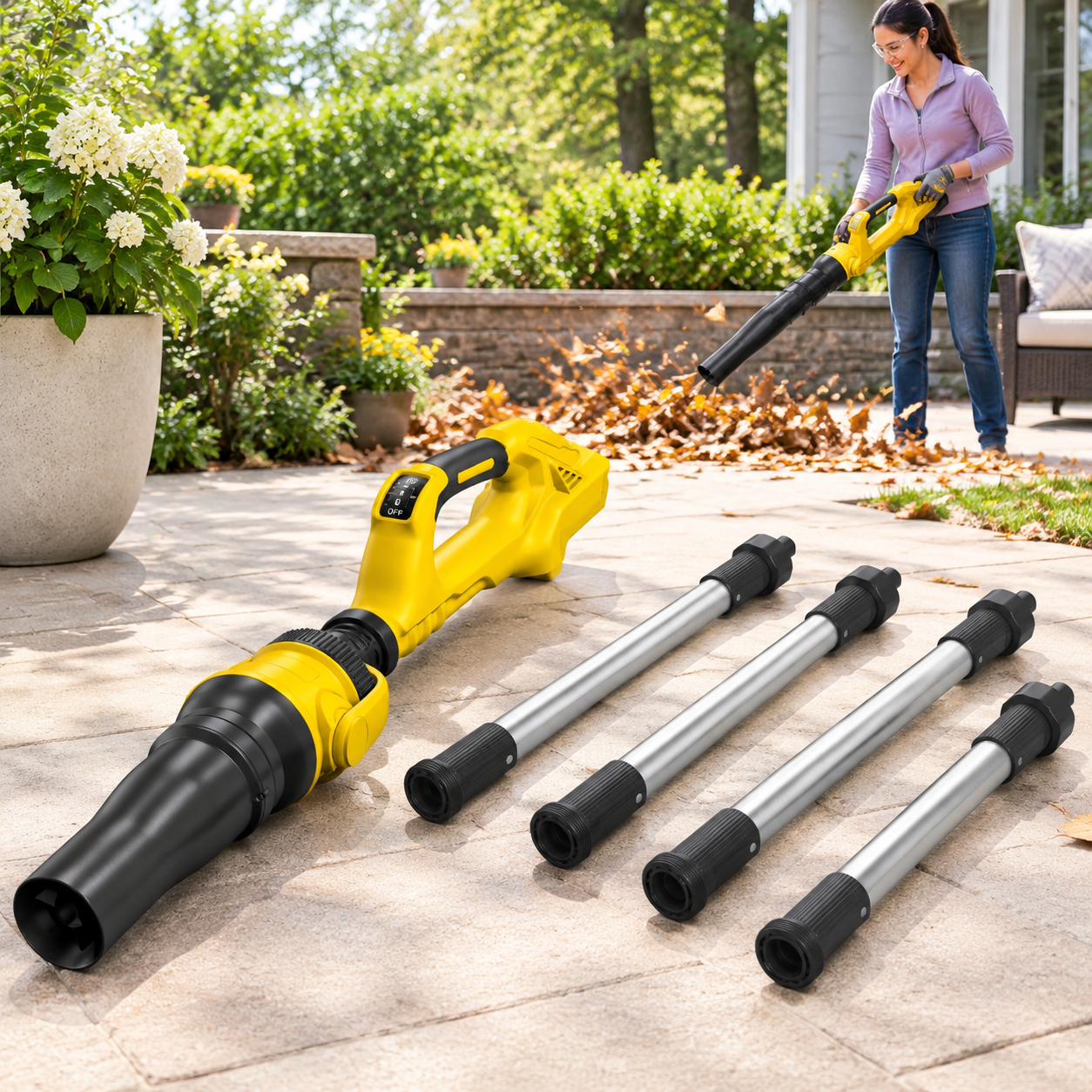
Most leaf blowers are not waterproof. Some are designed to handle light rain or water spray, but that does not mean they can operate safely in heavy rain, puddles, or after being submerged.
A leaf blower’s water protection depends on its power source, battery pack, motor housing, switches, vents, and the manufacturer’s instructions. Unless the manual gives a clear water-resistance rating or says the tool can work in rain, treat it as a dry-weather tool.
This guide explains how rain affects gas, corded electric, and cordless leaf blowers, how to read an IP rating, and what to do if your blower gets wet.

What “Waterproof” Means for a Leaf Blower
“Waterproof” means a product can prevent water from reaching parts that could cause damage or an electrical hazard. In practice, very few consumer leaf blowers are fully waterproof.
Manufacturers more often use terms such as:
- Water-resistant: The product can tolerate a limited amount of moisture.
- Weather-resistant: The product may withstand normal outdoor conditions, but only within stated limits.
- Rainproof: The product has some protection from rain, but the term may not define a specific test.
- Waterproof: Water should not enter under stated test conditions. This still does not always mean the tool can be submerged.
The label alone is not enough. A blower may have a sealed motor housing but an exposed trigger, battery connection, air intake, or charging port. Water can enter through any of these points.
Water resistance is not the same as safe operation
A leaf blower may survive a brief splash and still be unsafe to use in a storm. Water can:
- Reach electrical contacts
- Short a switch or control board
- Corrode battery terminals
- Enter the motor or fan housing
- Make the handle slippery
- Increase the risk of electric shock
- Freeze inside the tool and cause later damage
For this reason, follow the exact manual for your model. The U.S. Consumer Product Safety Commission and manufacturers commonly advise users to follow product safety instructions and keep electrical equipment away from unsafe wet conditions.
Can You Use a Leaf Blower in the Rain?
You should generally avoid using a leaf blower in rain, even if the rain seems light. Use it only when the product manual clearly allows wet-weather operation and the conditions stay within the stated limits.
The main issue is not just whether the blower still works. A wet tool may develop a fault later, after water reaches its electronics or metal contacts.
Light drizzle
A short period of light drizzle may not immediately damage a well-sealed blower. However, this is not proof that the blower is rated for rain.
If you must work in damp conditions:
- Check the manual first.
- Keep the blower away from standing water.
- Do not use a corded model where water can reach the plug, outlet, or connection.
- Stop if rain becomes steady or heavy.
- Dry the tool before storing or charging it.
Heavy rain and storms
Do not use a leaf blower during heavy rain, thunderstorms, or strong wind. Wet ground, standing water, poor visibility, and slippery surfaces create risks that a water-resistant housing cannot remove.
A blower also has limited value during heavy rain. Wet leaves are heavier and often stick to pavement, grass, and gutters. Waiting for the area to dry can protect the tool and make the work easier.
Puddles and standing water
Never place a leaf blower in a puddle or use it to push water. A blower moves air, not water, and forcing water into the intake or housing may damage the motor and controls.
Keep the blower’s intake and exhaust openings above wet ground. Do not rest the tool on wet grass when it is running or connected to a power source.

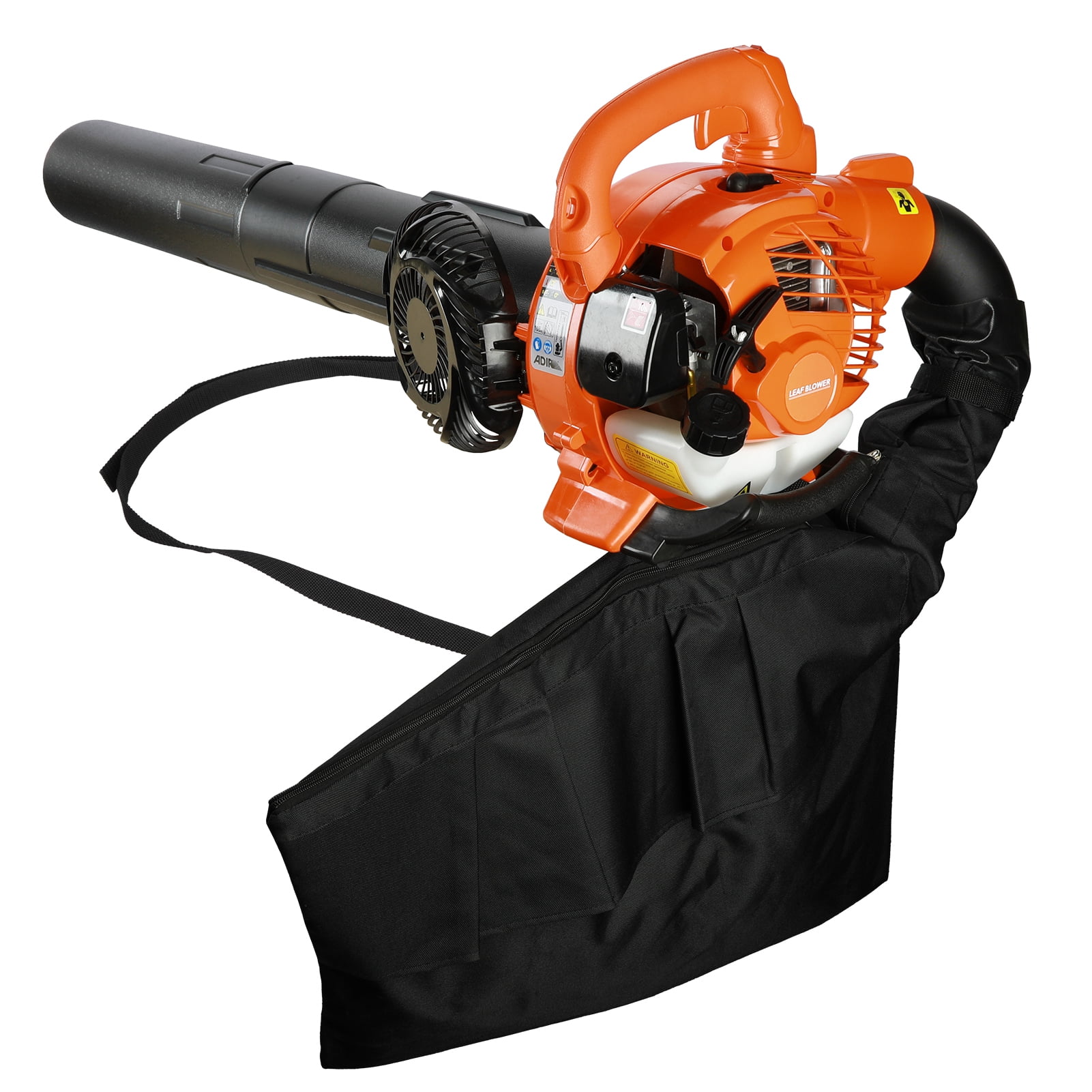
Are Gas-Powered Leaf Blowers Waterproof?
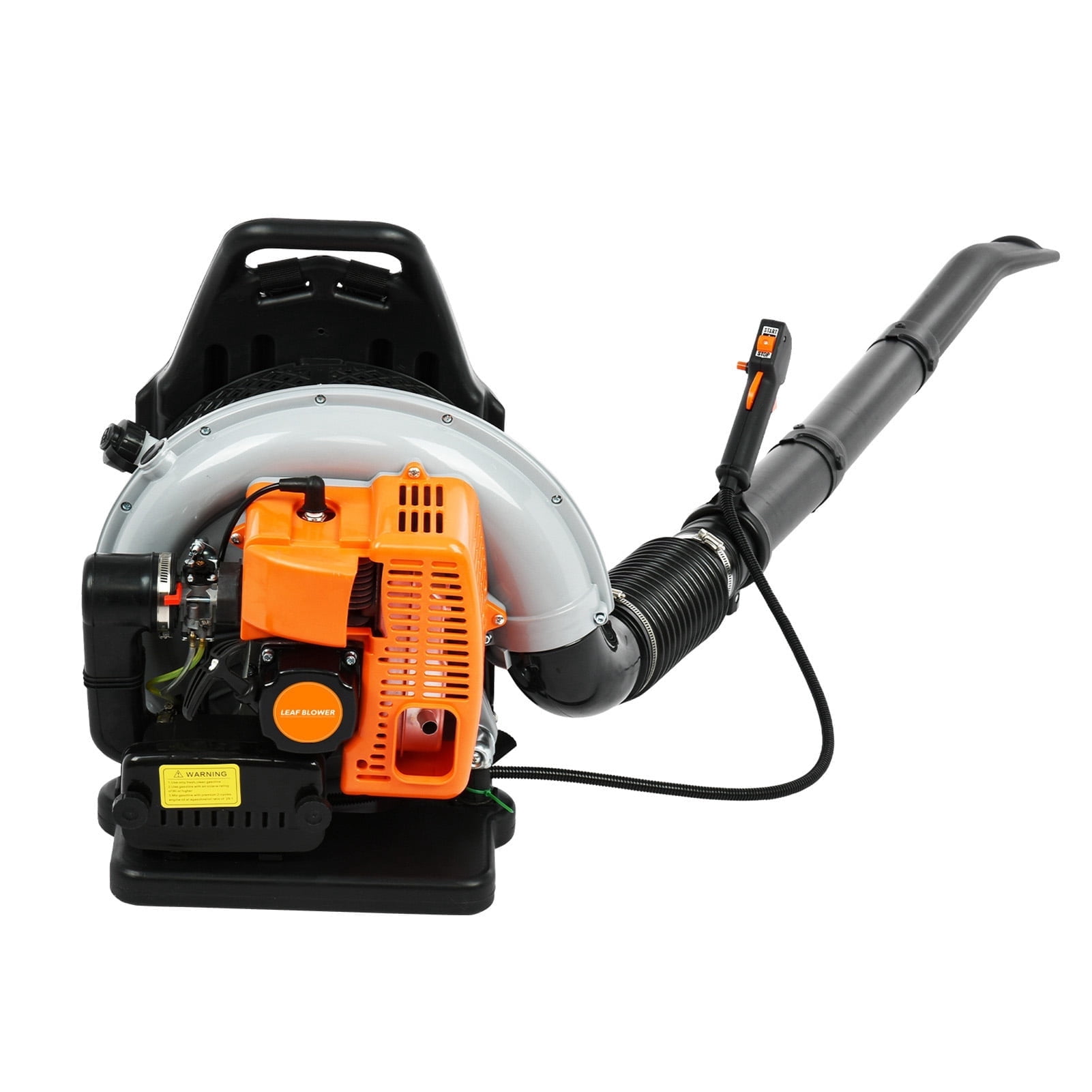
Gas-powered leaf blowers are not waterproof. They do not have the same electrical shock concern as a corded blower, but rain can still harm the engine, fuel system, ignition parts, and controls.
A gasoline engine needs air for combustion. Its intake and exhaust openings cannot be sealed completely. Water entering the air filter or engine can cause poor running or serious damage.
Rain can also affect:
- The spark plug and ignition system
- The carburetor or fuel-injection system
- The air filter
- The throttle and stop switch
- The fuel cap and tank vent
- Metal fasteners and bearings
A gas blower may continue to run after getting wet, but that does not mean it is safe or undamaged.
If a gas blower gets wet
Turn it off and move it to a dry, ventilated place. Do not restart it until the outside is dry and you have checked the air filter, controls, and visible openings.
If water may have entered the engine, air intake, or fuel system, follow the owner’s manual or ask an authorized service center for help. Do not keep pulling the starter cord if the engine may contain water.
Gasoline itself also creates a separate hazard. Never dry a fuel-powered blower near an open flame, heater, pilot light, or other ignition source.

Are Cordless Battery Leaf Blowers Waterproof?
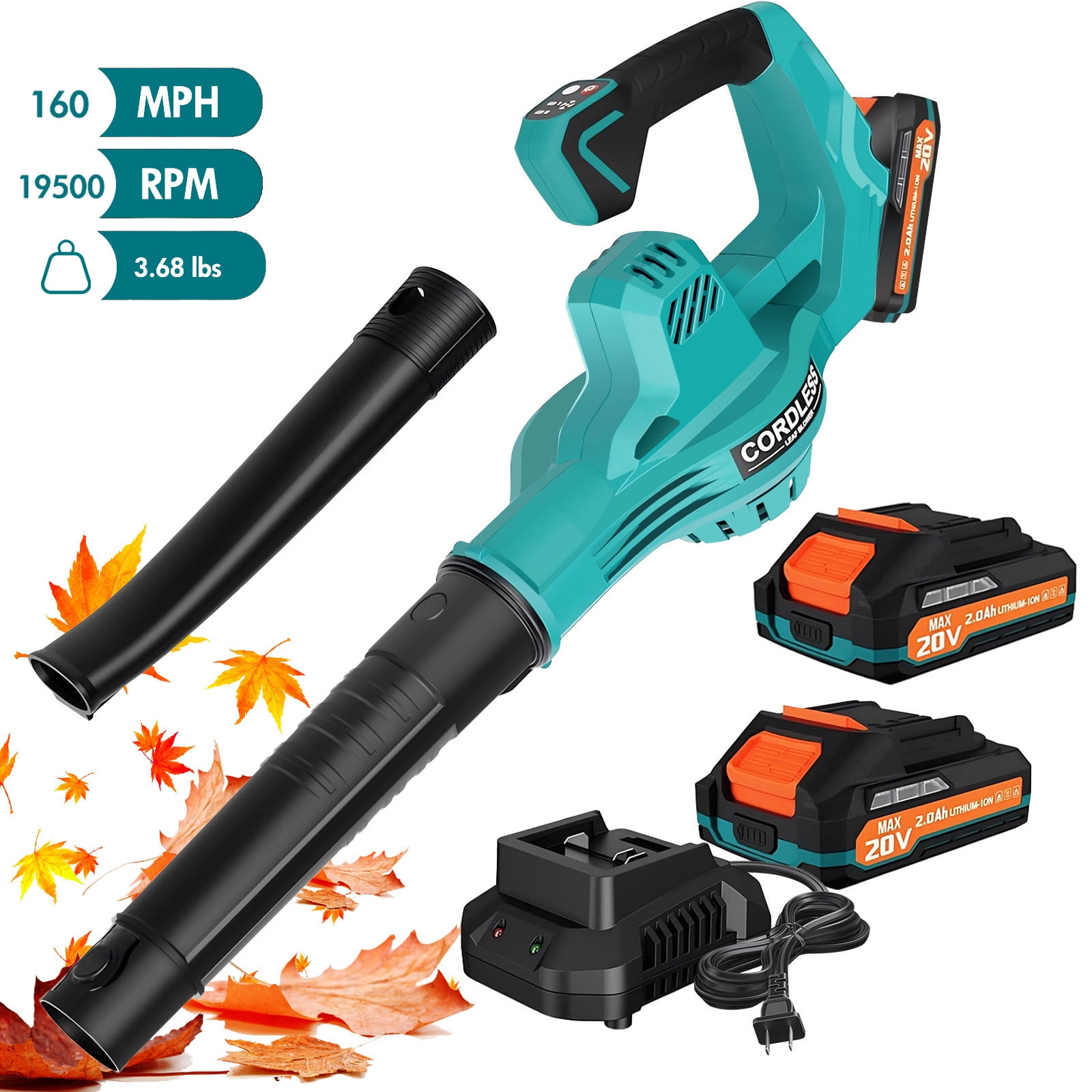
Most cordless leaf blowers are water-resistant at most, not waterproof. Their protection varies by model and by component.
The blower body may have some sealing, while the removable battery may have a different rating. The charger may have little or no protection against water. Treat the blower, battery, and charger as separate products.
The battery is often the most important concern
Lithium-ion batteries can be damaged by water, especially at the contacts or inside the battery case. A wet battery may short, corrode, heat up, or fail later.
Do not:
- Charge a wet battery
- Insert a wet battery into the blower
- Use a battery with corrosion or visible damage
- Dry a battery with a heat gun, hair dryer, or open flame
- Open the battery case
Remove the battery if you can do so safely. Wipe the outside with a dry cloth and place it in a dry area away from flammable materials. If it becomes hot, swells, leaks, smokes, or smells unusual, move away and contact the manufacturer or local emergency services as appropriate.
Do not place a damaged lithium-ion battery in household trash. The U.S. Environmental Protection Agency provides guidance on recycling and disposing of used household batteries.
Check for an IP rating
Some products use an IP rating, which describes protection against solid objects and water. For example:
- IPX4: Protection against splashing water from various directions.
- IPX5: Protection against water jets under test conditions.
- IPX7: Protection against temporary immersion under test conditions.
The “X” means the product does not state a dust-protection rating in that position. An IPX4 blower is not waterproof, and an IP rating applies only under the test conditions used for that product.
Do not assume the rating applies to the charger. Check the rating for each part and confirm whether the manufacturer allows use in rain.

Are Corded Electric Leaf Blowers Waterproof?
Corded electric leaf blowers are usually the least suitable for wet conditions. Water near a power cord, plug, outlet, extension connection, or motor can create an electric shock or fire risk.
A ground-fault circuit interrupter, or GFCI, can reduce the risk of severe shock by cutting power when it detects an imbalance. It does not make a leaf blower waterproof. It also does not protect every failure or make it safe to use damaged equipment.
Safer use of a corded blower
Use a corded model only when the ground and weather are dry, the cord is in good condition, and the outlet and connection stay dry.
Before use:
- Inspect the power cord for cuts, crushed areas, and exposed wires.
- Check the plug and extension cord for damage.
- Use the cord size and length recommended in the manual.
- Keep connections off wet ground.
- Do not run the cord through puddles.
- Stop work if rain begins.
Never wrap a wet cord around the blower for storage. Disconnect power first, then dry the cord and tool before putting them away.
How to Check Whether Your Leaf Blower Can Handle Water
The owner’s manual is the best source for a model-specific answer. Product listings and broad phrases such as “built for the outdoors” do not replace the manual.
Use this process:
-
Find the model number.
Look on the blower housing, battery compartment, or product label. -
Open the correct manual.
Make sure the manual matches the model and voltage sold in the United States. -
Search for terms such as “rain,” “water,” “wet,” “moisture,” “IP,” and “storage.”
-
Check the blower and accessories separately.
Review instructions for the battery, charger, extension cord, and battery cover. -
Follow the strictest instruction.
If the manual says to keep the tool dry, do not rely on a general product description that suggests weather resistance. -
Look for a specific operating limit.
A statement such as “do not expose to rain” is different from a tested IP rating or a clear statement allowing operation in light rain.
If the manual is unclear, assume the blower is not designed for rain. Contact the manufacturer before using it in wet weather.
Quick decision table
| Situation | Use the leaf blower? | Reason |
|---|---|---|
| Dry grass and dry leaves | Yes, if the blower is in good condition | Normal operating condition |
| Light mist or brief drizzle | Usually no | The manual may prohibit rain |
| Steady rain | No | Higher water and slip risk |
| Thunderstorm | No | Electrical, wind, and visibility hazards |
| Wet leaves after rain | Usually yes, after conditions dry | Wet leaves may be heavy and harder to move |
| Standing water or puddles | No | Water can enter openings or electrical parts |
| Wet battery or charger | No | Do not charge or connect until checked and dry |
| Blower was submerged | No | It needs inspection or service before use |

What to Do If Your Leaf Blower Gets Wet
Act quickly, but do not rush to test the tool. Turning it on while moisture remains inside can worsen the damage.
If the blower was lightly splashed
- Switch it off.
- Disconnect the plug or remove the battery, if safe.
- Wipe off visible water.
- Leave the blower in a dry, ventilated area.
- Inspect the air intake, battery contacts, trigger, and cord.
- Follow the manual before restarting it.
Do not use direct high heat. Heat can damage plastic, seals, insulation, batteries, and electronic parts.
If the battery or charger became wet
Keep the wet battery and charger disconnected. Do not charge them until the manufacturer confirms that they are safe to use.
If you see swelling, cracks, corrosion, smoke, leaking fluid, or unusual heat, stop handling the battery. Seek instructions from the manufacturer or a qualified battery-recycling facility.
If the blower was submerged
Do not turn it on. Do not assume that several hours of air-drying makes it safe. Water may remain in hidden electrical parts, bearings, switches, or the motor.
A qualified service center should inspect a submerged electric blower. A gas model may also need inspection if water entered the engine, intake, fuel system, or ignition system.

Common Mistakes That Damage Leaf Blowers
The most common mistake is treating “outdoor use” as proof that a blower is waterproof. Outdoor use usually means the tool can be used outside in suitable conditions. It does not automatically include rain, flooding, or wet storage.
Other mistakes include:
- Charging a battery immediately after it gets wet
- Storing the blower in a damp shed
- Leaving a battery attached during wet storage
- Using a corded blower with a damaged extension cord
- Covering a wet blower tightly before it dries
- Using compressed air to force water deeper into seals
- Spraying the blower with a hose to clean it
- Restarting a gas blower without checking its air filter
- Using a GFCI as a substitute for dry conditions
- Assuming one component’s IP rating covers the whole system
Clean dust and debris with a dry brush or the method specified in the manual. Do not wash a leaf blower unless the manufacturer expressly permits it.
How to Store a Leaf Blower Safely
Store a leaf blower in a clean, dry place protected from rain, condensation, freezing temperatures, and direct sunlight.
For a cordless model, remove the battery if the manual recommends separate storage. Keep the battery and charger away from metal objects that could bridge the contacts. Do not store a battery where extreme heat or cold can damage it.
For a gas model:
- Let the engine cool before storage.
- Keep fuel away from ignition sources.
- Follow the manual’s fuel-storage instructions.
- Store the blower where it cannot fall into water.
- Check the air filter and housing before the next use.
For a corded model, coil the cable loosely after it is clean and dry. Avoid tight bends that can damage the insulation.

Frequently Asked Questions
Can I use a leaf blower after it rains?
Yes, but wait until the blower and work area are dry enough for safe use. Wet leaves may be difficult to move, and the manual may prohibit use in damp conditions. Do not use the blower around puddles or standing water.
Can I leave a leaf blower outside overnight?
It is best to store it indoors or under a dry, protected cover. A cover may keep off rain but cannot always prevent condensation. Never store a wet blower while it is still damp inside.
Can I wash a leaf blower with water?
Usually not. Water from a hose can enter the motor, switch, battery compartment, air intake, or charger. Use the cleaning method in the owner’s manual instead.
Are leaf blower batteries waterproof?
Do not assume they are. Some batteries have a stated water-resistance rating, while others must stay dry. Check the exact battery manual, not only the blower manual, and never charge a wet battery.
What is the difference between IPX4 and waterproof?
IPX4 means protection from splashing water during a defined test. It does not mean protection from immersion, water jets, heavy rain, or long exposure. “Waterproof” is a broader marketing term unless the product gives a clear test standard and limit.
Conclusion: Treat Leaf Blowers as Dry-Weather Tools
Most leaf blowers are not waterproof. Gas models can suffer engine and fuel-system damage, cordless models can damage their batteries and electronics, and corded models create additional electrical risks around water.
The safest rule is simple: use a leaf blower in dry weather, keep every power connection dry, and follow the exact instructions for your model. If the blower, battery, or charger becomes wet, disconnect it, let it dry safely, and seek manufacturer or qualified service advice before using it again.