
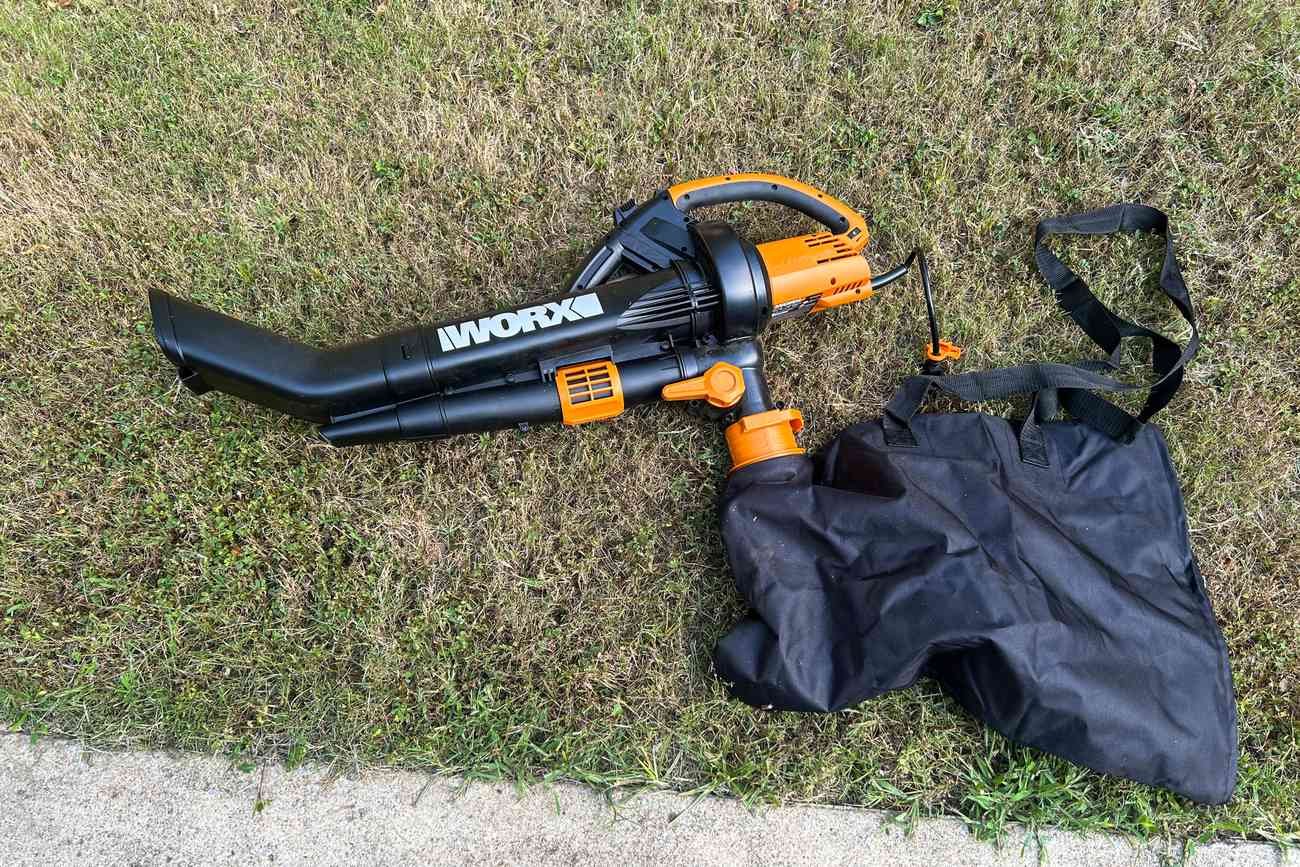
A leaf blower mulcher is a yard tool that moves leaves with air, pulls them into a vacuum tube, chops them with an impeller, and collects the smaller pieces in a bag. Many models sold in the United States combine three functions: blower, vacuum, and mulcher.
In blower mode, the machine pushes air out through a narrow nozzle. In vacuum mode, it reverses the airflow and pulls leaves through a wide tube. The leaves then pass through a fan-like impeller, which breaks them into smaller pieces before they enter the collection bag.
This guide explains how the system works, what the mulch ratio means, how to use it safely, and why a leaf blower mulcher may clog or perform poorly.
What Is a Leaf Blower Mulcher?
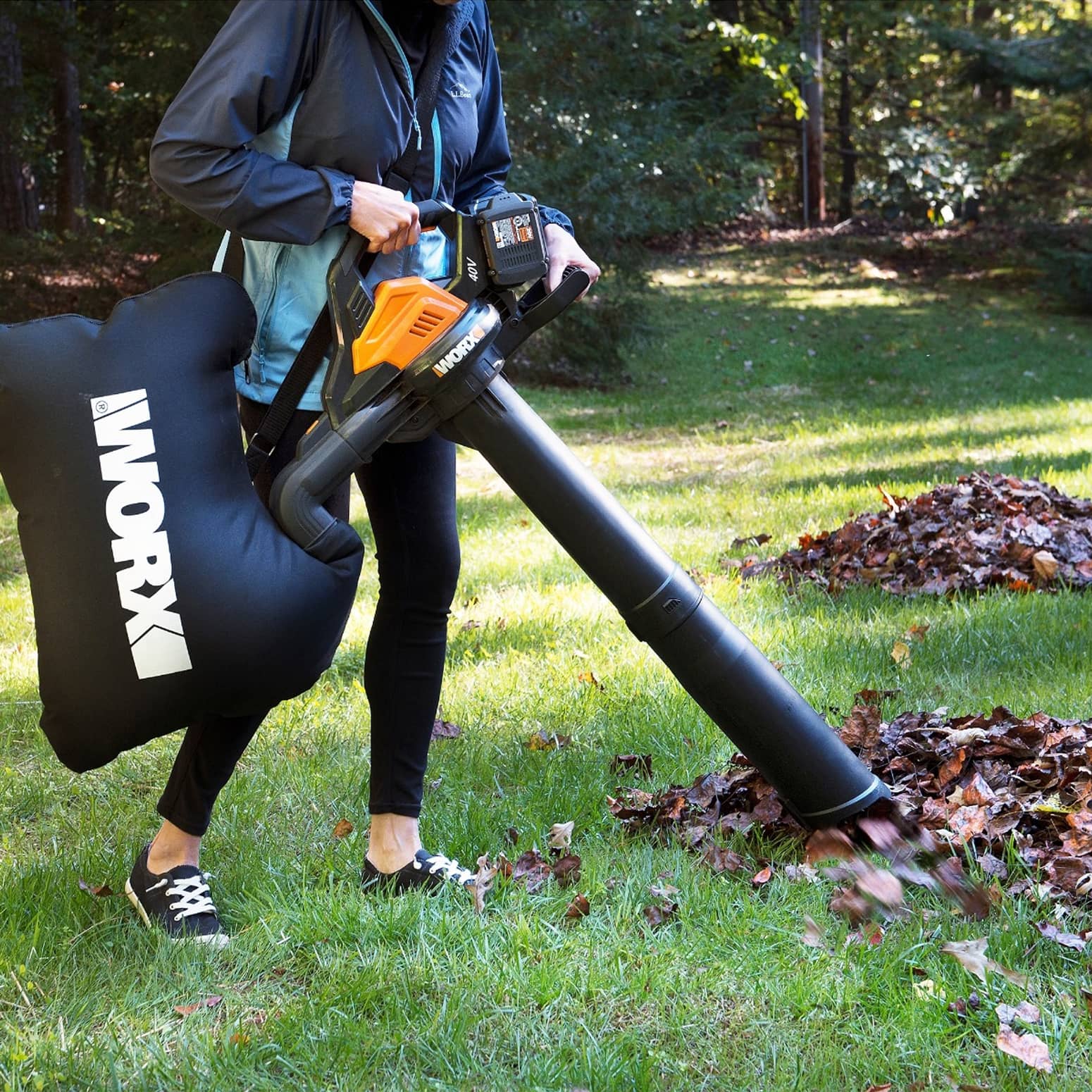
A leaf blower mulcher is usually a three-in-one machine:
- Blower: Pushes air to gather leaves into piles.
- Vacuum: Pulls leaves into the machine.
- Mulcher: Chops the leaves as they pass through the impeller.
- Collector: Stores the shredded leaves in a fabric or plastic bag.
Some machines switch between blower and vacuum modes with a lever. Others require you to move the blower tube, attach a vacuum tube, or install a separate intake cover. Always follow the manual for the exact model.
A leaf blower mulcher is not the same as a wood chipper. It is designed for light yard debris, such as dry leaves, small twigs, and grass clippings. Large branches, stones, mulch, metal, and other hard objects can damage the impeller.
The mulching function reduces the space that leaves occupy. It does not turn them into finished compost. The shredded material still needs time, moisture, air, and suitable organic matter to decompose.

How Does a Leaf Blower Mulcher Work?
A leaf blower mulcher works by using a motor, fan, airflow path, cutting chamber, and collection bag. Each part has a separate job, but the parts work as one air-and-material system.
1. The motor spins the impeller
The motor is the power source. It may run on:
- A wall outlet in a corded electric model
- A rechargeable battery in a cordless model
- Gasoline in a gas-powered model
The motor turns an impeller, which is a fan with angled blades. In blower mode, the impeller creates moving air that exits through the blower nozzle.
In vacuum mode, the same spinning impeller creates suction at the intake tube. The air then carries loose leaves into the machine.
2. The intake tube pulls in leaves
The vacuum tube is wider than a blower nozzle because leaves need more room to pass through it. A narrow tube may create strong air speed, but it can clog more easily when leaves are damp or packed together.
The vacuum tube should stay close to the leaf pile without being buried in it. A steady supply of loose leaves helps the machine maintain airflow.
3. The impeller breaks the leaves apart
After leaves enter the housing, they strike the spinning impeller. The impact tears or cuts the leaves into smaller pieces.
Depending on the model, the impeller may be made from:
- Plastic
- Reinforced composite material
- metal
some machines also include a secondary shredder edge or blade near the impeller. The exact design affects how well the tool handles leaves and how much wear it receives.
The impeller does not grind every object into dust. It is meant to reduce common leaf material. Hard objects can bend blades, crack the housing, or create dangerous projectiles.
4. Air carries the shredded material into the bag
Once the leaves pass through the impeller, the airflow pushes them into the collection bag. The bag allows air to escape while holding the shredded material.
A full or clogged bag reduces airflow. When that happens, the machine may lose suction, run hotter, or stop pulling leaves altogether.
5. The blower and vacuum use different airflow paths
The main difference between the two modes is the direction and location of airflow.
| Mode | Air movement | Main use |
|---|---|---|
| Blower | Air moves out of the nozzle | Gather leaves |
| Vacuum | Air moves into the intake tube | Collect leaves |
| Mulcher | Leaves pass through the impeller | Reduce leaf volume |
| Collection | Air exits through the bag fabric | Hold shredded leaves |
The impeller is usually involved in both modes, but only vacuum mode sends leaves through the cutting area.

What Does the Mulching Ratio Mean?
The mulching ratio describes how much the machine reduces the volume of leaves. A stated ratio, such as 10:1 or 16:1, means the manufacturer estimates that a given volume of loose leaves becomes a smaller volume after shredding.
For example, a hypothetical 10:1 ratio could mean:
- 10 bags or bins of loose leaves
- Become about 1 bag or bin of shredded material
This is a volume comparison, not a weight comparison. It does not mean the machine removes 90% of the leaf material. The total mass remains nearly the same, except for small losses from dust or moisture.
Actual results vary with:
- Leaf type
- Leaf moisture
- How tightly the leaves are packed
- The amount of grass or twigs mixed in
- The condition of the impeller
- The size of the collection bag
- The testing method used by the manufacturer
Dry, brittle leaves usually shred more easily than wet leaves. Broad, thin leaves may reduce well, while thick leaves and small sticks may produce a lower real-world ratio.
Treat the printed ratio as a product specification under stated or implied test conditions, not as a guaranteed result in every yard.
How to Use a Leaf Blower Mulcher
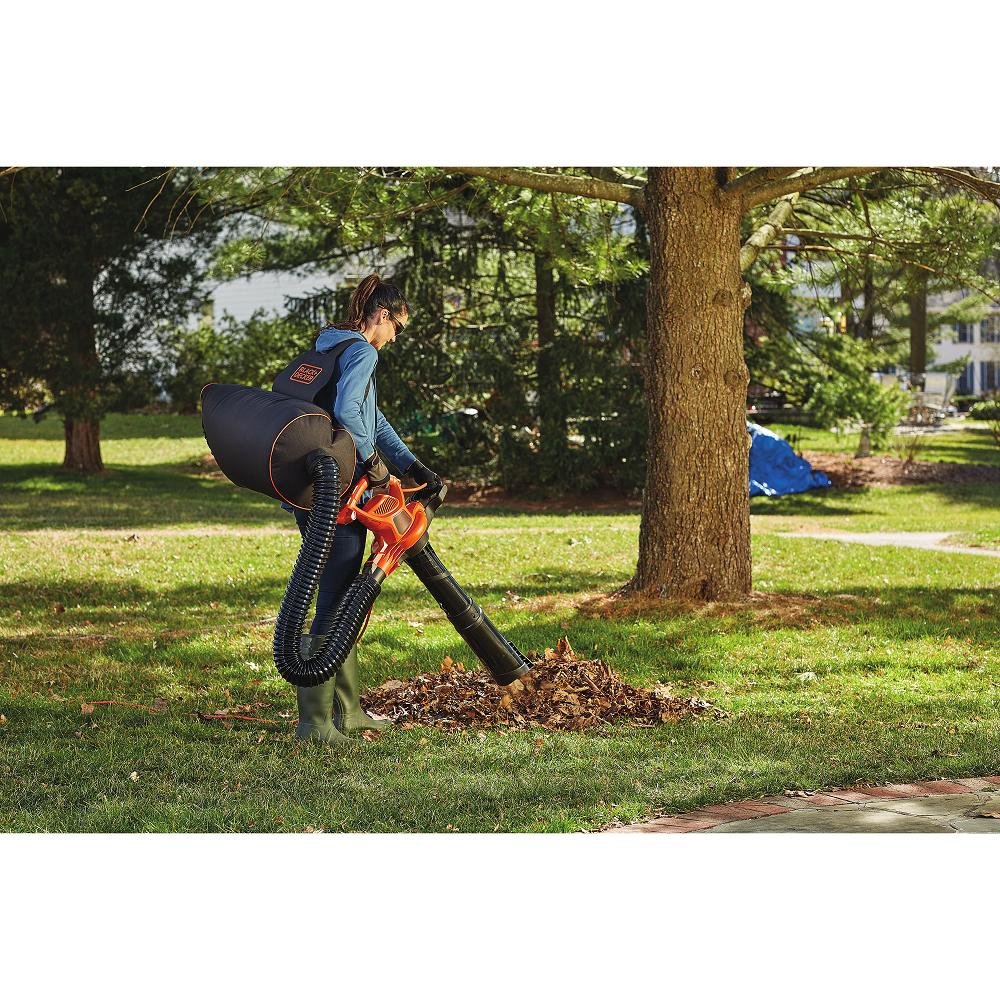
Use the blower function first, then switch to vacuum and mulch mode after you have gathered the leaves. This two-step method is often faster than trying to vacuum scattered leaves across the entire yard.
Before starting
Check the following items:
- Read the owner’s manual.
- Inspect the cord, battery, fuel system, tubes, housing, and collection bag.
- Confirm that the bag is properly attached.
- Remove stones, toys, wires, branches, and other hard objects from the work area.
- Put on eye protection, hearing protection, sturdy shoes, and work gloves.
- Keep children, pets, and bystanders away from the work area.
- Use a properly rated outdoor extension cord if the model requires one.
Do not operate a damaged machine. For corded models, use an outdoor-rated cord and a ground-fault circuit interrupter, commonly called a GFCI, where required by local electrical guidance.
Step 1: Gather the leaves
Set the machine to blower mode. Use short, controlled bursts of air to move leaves into a manageable pile.
Start from the outer edge of the yard or driveway. Avoid blasting leaves toward roads, storm drains, windows, vehicles, or other people.
A nozzle held too close to the ground may lift dust and small debris. Keep the nozzle low enough to move leaves but high enough to avoid scraping the surface.
Step 2: Change to vacuum mode
Turn the machine off before changing tubes, covers, or mode settings. Disconnect the power cord, remove the battery, or allow a gas engine to stop and cool, depending on the model.
Install the vacuum tube and collection bag according to the manual. Do not run the machine with the vacuum opening exposed or with the bag disconnected.
Step 3: Vacuum the leaf pile
Place the tube near the top or edge of the pile. Let the machine pull in a controlled amount of material.
Avoid forcing a large, compacted pile into the tube. Feed leaves gradually. This helps the impeller maintain airflow and lowers the chance of a blockage.
Keep the tube moving. Holding it in one place can draw in too much material at once.
Step 4: Monitor the collection bag
Stop when the bag is full or airflow drops. Turn the machine off and disconnect its power before removing the bag.
Empty the shredded leaves into a compost pile, garden bed, paper yard-waste bag, or other approved disposal container. Check local rules before placing yard waste at the curb. Requirements vary among U.S. cities and counties.
Step 5: Clean the machine
After use:
- Remove the battery or unplug the cord.
- Empty the collection bag.
- Check the tube and impeller area for blockage.
- Brush away loose debris.
- Allow damp parts to dry.
- Store the tool in a dry location.
Never reach into the impeller housing while the machine is connected to power.
Signs that the process is working
A functioning leaf blower mulcher should show:
- Steady suction in vacuum mode
- A consistent sound from the motor
- Leaves entering the tube without repeated stops
- Air passing through the collection bag
- Shredded leaves collecting in the bag
- No strong burning smell or unusual vibration
Stop immediately if the machine vibrates heavily, smells like burning insulation, makes a grinding sound, or ejects debris unexpectedly.

Why Does a Leaf Blower Mulcher Lose Suction?
Weak suction usually results from a blockage, a full bag, poor airflow, or unsuitable debris. Check the simplest and safest causes first.
| Symptom | Likely cause | Safe check |
|---|---|---|
| Little or no suction | Full collection bag | Turn off and empty the bag |
| Airflow drops during use | Clogged tube or impeller | Disconnect power and clear the blockage |
| Machine sounds strained | Wet leaves or too much material | Feed smaller amounts |
| Leaves stop entering | Tube connection is loose | Refit the tube |
| Dust escapes from the bag | Damaged or poorly sealed bag | Inspect and replace the bag |
| Strong vibration | Damaged or unbalanced impeller | Stop use and arrange service |
| Motor runs but airflow is weak | Blocked intake or outlet | Clean the air path after disconnecting power |
Wet leaves are a common problem. They can stick together, form a dense mass, and block the tube or impeller chamber. If the leaves are soaked, let them dry when practical or use a rake instead.
Do not push a stick, tool, or hand into the tube to clear a blockage. Disconnect all power first, then use the cleaning method specified by the manufacturer.

What Leaves and Debris Can a Mulcher Handle?
A leaf blower mulcher works best with dry or slightly damp leaves and small, soft plant material. It is not a general-purpose debris vacuum.
Usually suitable:
- Dry leaves
- Small grass clippings
- Small, flexible twigs if the manual allows them
- Light pine needles
- Small pieces of plant litter
Usually unsuitable:
- Rocks and gravel
- Glass and metal
- Pinecones, unless the manual permits them
- Thick branches
- Wet, compacted piles
- Soil and mud
- Plastic or wire
- Pet waste
- Standing water
- Large amounts of wood chips
The limits differ by model. A machine with a metal impeller may tolerate some small twigs better than a lightweight plastic-impeller model, but metal does not make the tool safe for stones or hard objects.
If you need to process branches, use a properly rated chipper or shredder. If you need to remove mixed debris from a paved area, a broom or rake may be safer and more effective.

Does Mulched Leaf Material Help a Lawn or Garden?
Shredded leaves can be useful as compost material or as a thin layer of organic mulch. Smaller pieces have more exposed surface area, which can help natural breakdown.
Do not place a thick, wet layer of shredded leaves over living grass. It can block light and air and may smother the lawn. Spread the material thinly or remove excess leaves.
For compost, mix shredded leaves with nitrogen-rich material such as fresh grass clippings or suitable food scraps. Keep the pile moderately moist, not soaked, and turn it as needed.
For garden beds, use only clean plant material. Avoid leaves contaminated with chemicals, trash, disease, or invasive weeds. Local extension offices can provide region-specific guidance for composting and leaf disposal in the United States.

Leaf Blower Mulcher Safety Rules
The impeller can cause serious injury because it spins at high speed and may hold energy briefly after the motor stops. Safe operation depends on preventing contact with the cutting chamber and avoiding dangerous material.
Follow these rules:
- Wear safety glasses or a face shield.
- Use hearing protection around loud gas or electric equipment.
- Wear long pants and closed-toe shoes.
- Keep hands, hair, loose clothing, and drawstrings away from openings.
- Never point the blower at people, animals, cars, or windows.
- Do not use vacuum mode without the correct tube and collection bag.
- Disconnect the power source before clearing a clog.
- Do not use a corded tool in wet conditions unless the manual and local electrical requirements permit it.
- Keep the cord behind you and away from the intake path.
- Stop work if lightning, flooding, or unsafe visibility develops.
- Use extra care near sidewalks, roads, and public areas.
The U.S. Consumer Product Safety Commission provides general safety information for outdoor power equipment. The owner’s manual remains the controlling source for model-specific warnings, required parts, and maintenance intervals.

Corded, Battery, or Gas: Which Type Uses Mulching Best?
All three power types can operate a mulcher, but each has different practical limits.
| Power type | Main advantage | Main limitation |
|---|---|---|
| Corded electric | No fuel and steady power | Limited by cord length and outlet access |
| Battery electric | Quiet operation and easy starting | Runtime depends on battery capacity and workload |
| Gas | Strong mobility and long work sessions with fuel | More noise, maintenance, exhaust, and fuel handling |
Corded models can maintain steady power, but the cord can limit movement and create a trip or cutting hazard. Battery models are convenient for smaller properties, though wet leaves and heavy piles may use more battery energy.
Gas models can suit large properties where cord access is difficult. They require fuel, engine maintenance, ventilation, and more attention to noise and emissions.
The best choice depends on the yard, not the label. Consider the distance from an outlet, the size of the leaf load, storage space, noise limits, and whether you already own compatible batteries.

Common Mistakes to Avoid
The most common errors involve feeding too much material, ignoring moisture, or clearing a blockage while the machine remains powered.
Avoid these mistakes:
-
Vacuuming before removing hard debris
Stones and metal can damage the impeller and create projectiles. -
Using the tool on a soaked pile
Wet leaves can clog the tube and reduce airflow. -
Overfilling the bag
A full bag restricts air movement and makes the motor work harder. -
Expecting the advertised ratio in every condition
Mulching performance changes with leaf type, moisture, and debris. -
Clearing a jam with your hand
The impeller may move unexpectedly if power remains connected. -
Running without the correct bag or tube
This can expose the operator to debris and moving parts. -
Using the blower to move dust or hazardous material
Fine dust, mold, and contaminated debris may create breathing or exposure risks. -
Ignoring vibration or unusual noise
These signs may indicate a damaged impeller, loose part, or foreign object.

Frequently Asked Questions
Does a leaf blower mulcher really shred leaves?
Yes. In vacuum mode, leaves pass through a rotating impeller or related cutting area. The impact breaks the leaves into smaller pieces before they enter the collection bag. The result depends on the machine design and the condition of the leaves.
Can a leaf blower mulcher pick up wet leaves?
Many models can handle slightly damp leaves, but wet leaves are harder to collect and shred. They can stick together and clog the tube or impeller. Dry leaves usually provide better airflow and more consistent mulching.
Can I use the mulched leaves as compost?
Yes, if the leaves are clean and free of trash or harmful contamination. Shredding helps reduce volume and may help the material break down. For faster composting, combine leaves with nitrogen-rich material and maintain proper moisture and airflow.
Why does my leaf blower mulcher keep clogging?
Common causes include wet leaves, an overfilled bag, too much material entering at once, a blocked tube, or unsuitable debris such as sticks and pinecones. Disconnect the power before inspecting or clearing the machine.
Is a leaf blower mulcher better than a rake?
It depends on the job. A mulcher can collect and reduce a large volume of leaves quickly, while a rake is quiet, simple, and does not use fuel, electricity, or a spinning impeller. A rake may be better near delicate plants, wet soil, or hard debris.

Key Takeaways
- A leaf blower mulcher combines blowing, vacuuming, shredding, and collection.
- The motor spins an impeller that creates airflow and breaks leaves into smaller pieces.
- The mulching ratio measures volume reduction, not weight reduction.
- Dry leaves usually process more easily than wet or compacted leaves.
- Remove stones, metal, branches, and other hard debris before vacuuming.
- Disconnect the power source before clearing clogs or inspecting the impeller.
- Use the shredded leaves for compost or thin garden mulch when appropriate.
- Follow the owner’s manual for tube setup, debris limits, maintenance, and safety warnings.
Conclusion
A leaf blower mulcher works by reversing its airflow, pulling leaves through a vacuum tube, and sending them across a fast-spinning impeller. The impeller breaks the leaves into smaller pieces, while the collection bag catches the material and lets air pass through.
For the best results, gather leaves first, use dry material when possible, feed the machine slowly, and empty the bag before airflow drops. Before your next use, check the manual for approved debris, wear eye and hearing protection, and disconnect the power before touching any part of the intake or impeller.