
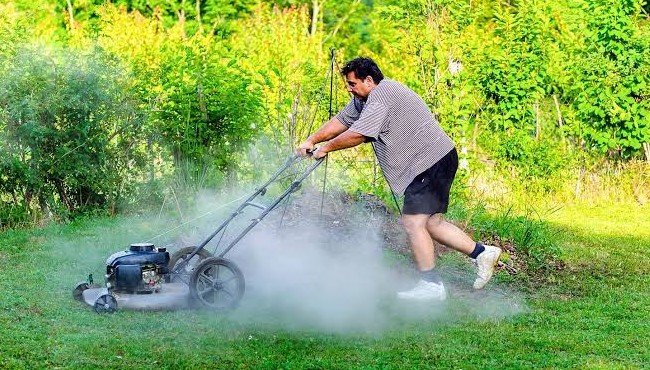
Seeing smoke coming from your Toro lawn mower can be alarming, but it is often a sign of a manageable maintenance issue rather than a total engine failure. By identifying the color of the smoke and checking key components like your oil levels, air filter, and cooling fins, you can quickly troubleshoot and resolve the problem to get back to your yard work safely.
There is nothing quite as frustrating as heading out on a beautiful Saturday morning in 2026, ready to tackle the lawn, only to have your Toro lawn mower start billowing smoke the moment you pull the cord. It is a sight that makes any homeowner’s heart sink. You might wonder if you have ruined your machine or if you need to buy a brand-new mower immediately. Before you start shopping for a replacement, take a deep breath. In most cases, a smoking Toro mower is telling you something specific, and it is usually something you can fix right in your own garage.
Understanding why is my Toro lawn mower smoking is the first step toward getting your machine back in working order. Whether you are using a classic Toro Recycler or one of the newer battery-hybrid models, engines often react the same way to improper care or minor accidents. By learning to “read” the smoke, you can quickly determine whether you are dealing with a minor spill, a clogged component, or something that needs a bit more professional attention. Let’s break down the common culprits behind that mysterious haze.
Key Takeaways
- Identify the smoke color: Blue-grey smoke usually means burning oil, while black smoke indicates a fuel-to-air ratio issue.
- Check your oil levels: Overfilling the oil reservoir is the most common reason for unexpected smoke during operation.
- Inspect the air filter: A clogged or dirty air filter restricts airflow, forcing the engine to run rich and create exhaust smoke.
- Look for debris: Dry grass or leaves trapped near the muffler or engine block can ignite or smolder, creating a burning smell and smoke.
- Mind your tilt: Never tilt your Toro mower toward the air filter side, as this allows oil to leak into the carburetor.
- Know when to get help: If the engine continues to smoke after basic troubleshooting, consult a certified Toro technician to prevent permanent damage.
The Color of the Smoke Matters
When you see smoke, your first reaction should be to observe the color. The smoke acts as a diagnostic tool. In the world of small engines, smoke color tells a story about what is happening inside the combustion chamber or on the exterior of your engine block.
Blue or Grey Smoke
If you see a plume of blue or grey smoke, your engine is likely burning oil. This happens when oil finds its way into the combustion chamber where it doesn’t belong. It might be due to a simple overfill, or it could mean your piston rings are worn out. Don’t worry yet; start with the simplest explanation. Did you tip the mower recently? If you tipped it the wrong way, oil could have seeped into the carburetor. This is a common mistake that creates a lot of blue smoke for a few minutes until the excess oil burns off.
Black Smoke
Black smoke is a different animal entirely. It indicates a rich fuel mixture. This means your mower is getting too much gasoline and not enough air. Think of it like a candle that doesn’t have enough oxygen to burn cleanly. This is often linked to the air intake system. If your Toro mower is blowing black smoke, your first stop should be the air filter. A dirty or clogged filter is almost always the cause of this smoky phenomenon.
White Smoke
While less common, white smoke can sometimes appear, especially if you have recently spilled gasoline or oil on the exterior of the hot engine. If the smoke is coming from the outside of the machine, it is likely just burning off residue. If it is coming from the exhaust, however, it might indicate moisture in the fuel or, in more severe cases, a blown head gasket. Thankfully, modern Toro mowers are built to be robust, so internal failures are much rarer than maintenance-related issues.
Common Maintenance Mistakes That Cause Smoking
Most of the time, when a customer asks why is my Toro lawn mower smoking, the answer lies in a simple maintenance oversight. We have all been there trying to get the job done quickly and accidentally spilling a little oil or forgetting to check the air filter after a dusty season. These small errors are usually easy to correct without expensive tools.
Visual guide about Why Is My Toro Lawn Mower Smoking
Image source: bestsowftware.com
Overfilling the Oil Reservoir
It sounds simple, but overfilling the oil is a leading cause of engine smoke. When there is too much oil in the crankcase, the crankshaft can whip the oil into a froth. This pressurized oil is then forced past the piston rings or into the breather tube, where it eventually enters the combustion chamber. The result? A cloud of blue smoke that signals the engine is burning the excess oil. If you suspect you have overfilled the oil, use a suction pump or drain the excess until it reaches the proper level on the dipstick.
Improper Mowing Angle
Did you recently clean the underside of your deck or change the blade? If you tilted the mower, you must be careful about which side faces up. You should always tilt the mower with the air filter facing the sky. If you tilt it with the air filter facing down, oil can run directly into the carburetor and air filter housing. Once you start the engine, that oil is sucked into the engine, creating a thick, white-grey smoke that can be quite alarming.
Neglected Air Filters
Your lawn mower engine needs to breathe. When you mow, you kick up dust, pollen, and debris. Over time, these particles clog the air filter. When the engine cannot pull in enough air, it compensates by pulling in more fuel. This rich mixture leads to incomplete combustion, which results in black smoke. Replacing the air filter is an inexpensive and highly effective way to keep your Toro running smoothly. We recommend checking your filter at the start of every season and after every 25 hours of use.
External Debris and Overheating Issues
Sometimes, the smoke isn’t actually coming from the engine’s internal combustion process at all. It might be coming from the hot components on the outside of the mower. If you notice a burning smell accompanying the smoke, this is the first thing you should investigate.
Trapped Dry Grass and Leaves
If you have been mowing in very dry conditions, bits of grass, leaves, or even twigs can get packed around the muffler or the engine cooling fins. When the engine gets hot—as it naturally does during operation—that dry organic matter can start to smolder or even ignite. This creates localized smoke that rises from the mower deck. If you see this, turn the mower off immediately, let it cool down, and carefully clear away all debris from around the engine and muffler areas.
Clogged Cooling Fins
The engine block has cooling fins that allow air to dissipate heat. If these fins are packed with mud or grass clippings, the engine cannot cool itself efficiently. The resulting overheating can cause the oil to break down prematurely and can even damage seals, leading to leaks that turn into smoke. Use a soft brush or compressed air to keep those cooling fins clean. A cool engine is a happy, smoke-free engine.
Fuel Quality and Storage Issues
The fuel you put into your machine in 2026 makes a massive difference. Gasoline degrades over time, especially if it contains ethanol, which is common in many areas. Old fuel can cause a variety of problems, including rough running and smoke.
The Problem with Old Gasoline
If you left fuel in your mower over the winter, it may have started to gum up. Stale fuel can lead to deposits in the carburetor, preventing the float needle from seating properly. This can cause the mower to “flood,” leading to an over-rich fuel mixture and black exhaust smoke. If your fuel is more than 30 days old, it is best to drain it and replace it with fresh, high-quality gasoline. Always use a fuel stabilizer if you plan on storing your mower for more than a few weeks.
Using the Wrong Oil
Believe it or not, the type of oil you use matters. Toro specifies certain oil viscosities for their engines. If you use an oil that is too thin or not designed for small air-cooled engines, it may not lubricate properly and could be consumed by the engine faster than intended. Always check your Toro manual for the specific grade of oil recommended for your model. Using the correct oil ensures better performance and reduces the risk of internal smoke-producing issues.
When Should You Worry About Engine Damage?
While most smoking issues are minor, there are times when the smoke indicates something more serious. If you have checked your oil, replaced the air filter, and ensured there is no external debris, yet the mower continues to smoke heavily, you may be facing internal wear.
Worn Piston Rings
Piston rings create a seal between the piston and the cylinder wall. As a mower ages, these rings naturally wear down. When they no longer form a tight seal, oil from the crankcase slips into the combustion chamber. This will result in consistent blue smoke, especially when you first start the mower or when the engine is under load. While you can sometimes use thicker oil to temporarily mitigate this, a full repair eventually requires replacing the rings, which is a job for a professional.
Blown Head Gasket
A head gasket creates a seal between the engine block and the cylinder head. If this gasket fails, oil or coolant can leak into the cylinder. If you notice a significant drop in power along with persistent smoke, it could be a sign of a compromised gasket. This is not a “do it yourself” repair for most homeowners, as it requires precision torque settings and potentially engine disassembly. If you suspect this, it is time to bring your Toro to an authorized service center.
Preventative Maintenance Tips for 2026
Prevention is the best medicine for your lawn mower. By following a consistent maintenance schedule, you can avoid the headache of a smoking mower entirely. Think of it as a small investment in the longevity of your equipment.
First, keep your mower clean. After every use, give it a quick wipe-down and ensure no grass is stuck under the deck or near the cooling air intake. Second, be religious about your oil changes. Change the oil at the start of every season or after the manufacturer’s recommended interval. Third, keep your blade sharp. A dull blade tears the grass rather than cutting it, which puts unnecessary stress on the engine. Finally, always use fresh fuel. If you follow these four simple habits, your Toro mower will likely remain a reliable partner for many seasons to come.
Remember that the Toro brand is known for reliability, so if you are seeing smoke, it is usually a symptom of human error or simple wear and tear rather than a defect in the machine. Stay calm, go through the checklist, and you will likely be back to mowing your lawn in no time. If you ever feel unsure, there is no shame in calling a professional. A quick tune-up by an expert can save you from replacing an engine down the line.
In conclusion, the next time you ask yourself why is my Toro lawn mower smoking, remember to stay observant. Check the smoke color, inspect your levels, and clear away any debris. Most of the time, the fix is right in front of you. Keep your mower maintained, treat it with care, and it will continue to provide that clean, crisp cut you expect from a Toro.
Frequently Asked Questions
Why is my Toro lawn mower smoking white smoke?
White smoke often indicates oil burning off from the exterior of the hot engine or potential moisture in the fuel system. It can also occur if the mower was tipped incorrectly, allowing oil to seep into the combustion chamber.
Can I mow my lawn if my Toro is smoking?
It is not recommended to keep mowing if your lawn mower is smoking. Continuing to run an engine that is burning oil or overheating can lead to permanent internal damage that is much more expensive to repair.
How do I know if I have too much oil in my mower?
Check your oil dipstick on a level surface after the engine has cooled. If the oil level is significantly above the “full” mark, you have overfilled it and need to drain the excess.
Why does my lawn mower smoke when I turn it?
This usually happens because oil has leaked into the carburetor or air filter housing due to the tilt. Always make sure to keep the air filter side facing upward when you need to tilt your mower.
Is black smoke from a lawn mower dangerous?
Black smoke indicates an overly rich fuel mixture, which means the mower is burning fuel inefficiently. While not immediately explosive, it will lead to carbon buildup and poor engine performance, so it should be fixed by replacing your air filter or checking the carburetor.
How often should I change my mower’s air filter?
For most residential Toro mowers, you should check the air filter after every 25 hours of use and replace it at least once per season. If you mow in very dry or dusty conditions, you may need to replace it more frequently.