
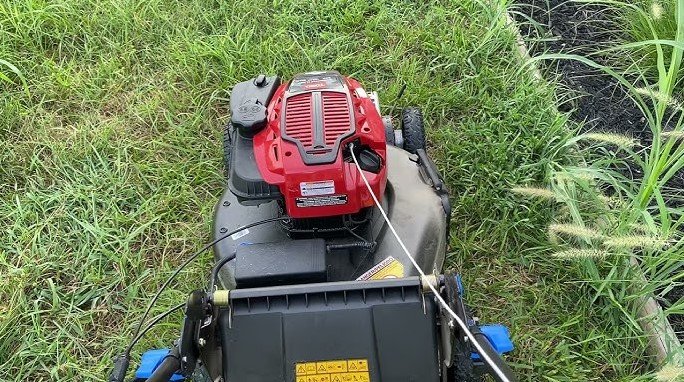
If your lawn mower is sputtering, it is usually a sign of a fuel delivery issue, a dirty air filter, or an old spark plug. Most of these problems can be fixed at home with basic tools and a little bit of patience.
There is nothing quite as frustrating as stepping out on a Saturday morning in 2026, ready to tackle your yard, only to have your mower start coughing and wheezing the moment you engage the blades. You might be asking yourself, “Why is my lawn mower sputtering?” It is a common problem that almost every homeowner faces eventually. Whether you are using a classic gas-powered walk-behind or a heavy-duty riding mower, a sputtering engine is usually just trying to tell you that it needs a little bit of care.
The good news is that you do not need to be a professional mechanic to get your machine back in tip-top shape. In most cases, the culprit is something simple and inexpensive to fix. By understanding how your mower’s engine consumes fuel and air, you can troubleshoot the issue quickly and get back to your weekend. Let’s dive into the most common reasons why your lawn mower is sputtering and how you can solve them before the grass gets any taller.
Key Takeaways
- Fuel Quality Matters: Old or contaminated gasoline is the number one cause of engine sputtering and poor performance.
- Airflow is Essential: A clogged air filter prevents the engine from “breathing,” leading to rough idling and sputtering.
- Spark Plug Health: A fouled or worn spark plug fails to ignite fuel properly, causing the engine to cough or stall.
- Check the Carburetor: Gunk inside the carburetor often blocks fuel flow, which is a common occurrence after winter storage.
- Simple Maintenance Saves Money: Regular tune-ups, including oil changes and blade sharpening, prevent major engine failures.
The Impact of Old or Bad Fuel
The most frequent reason for a sputtering lawn mower is the fuel sitting in the tank. Gasoline is a perishable liquid. In 2026, most fuel contains ethanol, which can break down over time. When it sits in your mower’s fuel tank for more than a month or two, it begins to separate and gum up the internal components.
Signs of Stale Gasoline
If your mower has been sitting in the garage since the end of last season, the gasoline has likely degraded. Stale fuel absorbs moisture from the air. This moisture creates a corrosive environment that damages the fuel system. If the engine starts but immediately sputters and struggles to maintain power, the old fuel is likely failing to combust efficiently.
How to Fix Fuel Issues
The easiest fix is to drain the old fuel entirely. Use a siphon pump to remove the gas from the tank and dispose of it at a local recycling center. Once the tank is empty, fill it with fresh, high-quality gasoline. If you want to be extra careful, add a fuel stabilizer during the winter months. This keeps the fuel fresh and prevents the gunk from forming, saving you a headache when spring rolls around.
Clogged Air Filters and Engine Breathing
Think of an air filter as the lungs of your lawn mower. To create the power needed to cut through thick grass, your engine needs a perfect mix of fuel and air. If that air supply is choked off by dust, grass clippings, or debris, the engine will run “rich.” This means there is too much fuel and not enough oxygen, which results in the sputtering sound you hear.
Inspecting Your Filter
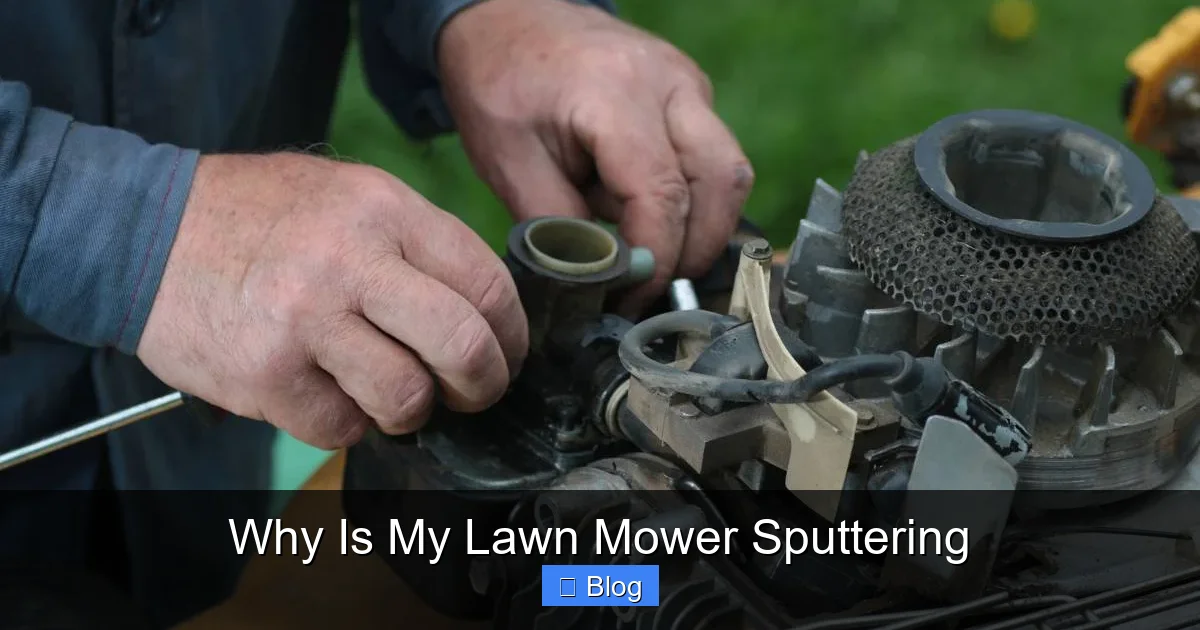
Most mowers have an easily accessible air filter housing on the side of the engine. If you pop the cover off and the filter looks dark gray, oily, or caked with dirt, it is time for a change. For paper filters, you cannot clean them effectively; they must be replaced. If you have a foam filter, you might be able to wash it with warm soapy water and let it dry completely before reinstalling it.
Tips for Better Airflow
If you live in a particularly dusty area, check your air filter more frequently than the manual suggests. A clean filter does not just stop the sputtering; it also improves your fuel efficiency and extends the life of your engine. Keeping the surrounding area of the engine deck clear of grass clippings also helps the engine stay cool, which prevents secondary performance issues.
Spark Plug Troubles
The spark plug is responsible for the tiny explosion that powers your mower. Over time, the tip of the spark plug can become covered in carbon deposits, or the gap between the electrodes can widen. When the spark is weak or inconsistent, the fuel does not ignite properly, leading to a sputtering engine.
How to Check the Spark Plug
You will need a spark plug wrench to remove the plug. Once removed, take a look at the electrode end. If it is covered in black soot or looks wet, it needs to be cleaned or replaced. A new spark plug is a very cheap investment usually under ten dollars and it can make a world of difference in how easily your mower starts and runs.
When to Replace
If you see signs of heavy corrosion or if the porcelain around the center electrode is cracked, replace it immediately. Always ensure the new plug matches the specifications listed in your owner’s manual. A mismatched plug can cause the engine to run too hot or fail to start entirely.
Carburetor Issues and Fuel Delivery
If you have fresh gas, a clean filter, and a new spark plug, but the mower is still sputtering, the problem might be inside the carburetor. The carburetor is the heart of the engine; it controls the flow of fuel. If tiny jets inside the carburetor are blocked by microscopic debris, the engine will not get the fuel it needs to run smoothly under a load.
Cleaning the Carburetor
You can buy a can of carburetor cleaner spray at any auto parts store. You may need to remove the air filter housing to get a clear shot at the intake. Spraying a little bit of cleaner into the throat of the carburetor while the engine is trying to start can sometimes clear out minor blockages. However, if the blockage is deep inside the jets, you may need to take the carburetor off and clean it thoroughly.
Avoid “Tinkering” Too Much
If you are not comfortable taking the carburetor apart, do not force it. It is a precise instrument with delicate springs and gaskets. If a simple spray does not do the trick, it might be time to take the mower to a professional shop. Sometimes, a quick professional cleaning is all it takes to keep a mower running for another decade.
Engine Overheating and Debris
Sometimes the sputtering happens after you have been mowing for twenty or thirty minutes. This is often a sign of overheating. Your engine relies on airflow around the cooling fins to stay at the right temperature. If the cooling fins are packed with grass clippings and dirt, the engine will overheat, expand, and start to sputter as a self-preservation mechanism.
Keeping the Engine Cool
After you finish mowing, get in the habit of using a leaf blower or a stiff brush to clear off the top of the engine. Do not spray your engine with a high-pressure hose while it is hot, as this can crack the metal. Instead, use a damp cloth to wipe down the exterior surfaces. This simple act of cleaning ensures that heat can dissipate properly while you work.
Oil Levels Matter
Low oil or old, sludge-filled oil can cause increased friction, which leads to excess heat. Always check your oil level before every use. If the oil is black and gritty, change it. Fresh oil provides better lubrication, which keeps the engine running cooler and quieter.
Conclusion: The Path to Smooth Mowing
A sputtering lawn mower is rarely a sign of a “dead” engine. In 2026, with the right maintenance routine, you can keep your equipment running reliably for many seasons. By addressing the fuel, air, and spark, you are covering the three essential pillars of small engine health. Start with the easiest tasks changing the fuel and the air filter and move toward more complex maintenance only if necessary.
Remember that preventative maintenance is the secret to a stress-free summer. If you set aside time once a year to perform a basic tune-up, you will spend significantly less time worrying about why your mower is acting up. Keep your tools sharp, your filters clean, and your gas fresh. Before you know it, you will be back to enjoying a perfectly manicured lawn without the frustration of engine troubles.
Frequently Asked Questions
How often should I change my lawn mower spark plug?
You should generally replace your spark plug once every season or every 100 hours of use. This ensures a consistent spark and helps the engine start on the first or second pull.
Can I leave gas in my lawn mower over the winter?
It is best to either drain the tank completely or add a fuel stabilizer if you plan to store the mower for more than a month. Leaving untreated gas in the tank leads to gum and varnish buildup in the carburetor.
Why does my mower sputter only when it hits tall grass?
This usually happens because the engine is under a heavy load and struggling to get enough fuel or air. A dirty air filter or a partially clogged carburetor jet is often the cause of this specific symptom.
What color should the spark plug look like?
A healthy spark plug should have a light tan or gray color on the electrode. If it is pitch black, oily, or has white crusty deposits, it needs to be cleaned or replaced.
Should I use high-octane gasoline in my mower?
Most standard lawn mowers are designed to run perfectly fine on regular 87-octane gasoline. Always check your owner’s manual, but for most residential mowers, premium fuel is an unnecessary expense.
Is it dangerous to clean my own carburetor?
It is not inherently dangerous, but you must be careful with chemicals and small parts. If you are not confident in your mechanical skills, a professional service is safer and often worth the investment.