
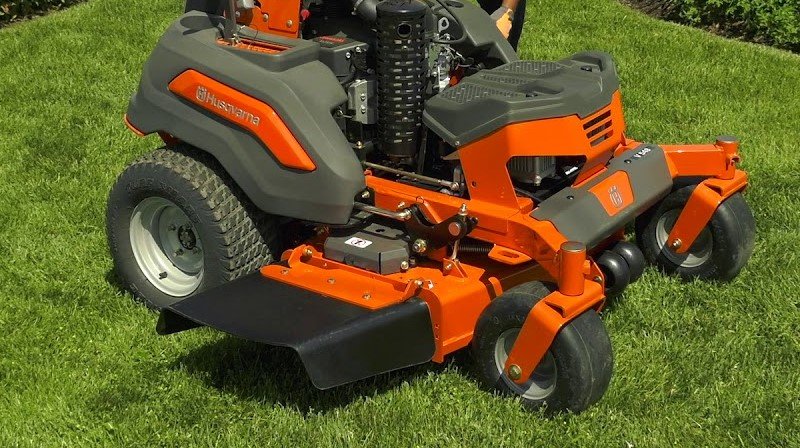
Learning how to turn on a Husqvarna lawn mower is a fundamental skill for every homeowner looking to maintain a pristine yard. Whether you are using a modern zero-turn, a walk-behind, or an electric model, our step-by-step guide ensures you can power up safely and efficiently every single time.
There is something uniquely satisfying about a freshly manicured lawn. The smell of cut grass and the sight of clean lines can turn a weekend chore into a moment of zen. However, that zen can quickly evaporate if you find yourself sitting in the driver’s seat, turning the key, and hearing nothing but silence—or worse, the dreaded sputtering of an engine that refuses to wake up. Learning how to turn on Husqvarna lawn mower equipment is the first step toward mastering your landscape maintenance routine.
Whether you have just upgraded to a high-powered 2026 Z-series zero-turn or you are sticking with a reliable walk-behind push mower, the process requires a mix of mechanical awareness and safety protocols. Husqvarna has spent decades refining their machinery to be user-friendly, but every engine has its own quirks. By following the right sequence, you save your battery, protect your starter, and get to the task of mowing much faster.
Key Takeaways
- Preparation is Key: Always check your oil, fuel levels, and deck area before attempting to start the engine to prevent mechanical damage.
- Safety First: Ensure the parking brake is engaged and you are sitting firmly in the seat before turning the key.
- Choke Usage: Understanding when to use the choke is vital for cold starts on carbureted gasoline models.
- Battery Maintenance: For electric or battery-powered models, ensure the safety key is inserted and the battery is fully charged.
- Troubleshooting Basics: If the mower won’t start, check the spark plug, fuel quality, and safety interlock switches first.
Understanding Your Husqvarna Model
Not all Husqvarna mowers are created equal. Before you turn the key, you need to identify the “personality” of your specific machine. Modern mowers generally fall into three categories: traditional gasoline push mowers, gas-powered riding mowers, and the increasingly popular battery-electric models.
Gasoline Riding Mowers
Most riding mowers utilize a combustion engine that requires a specific sequence of “priming.” These machines rely on a battery to kickstart the combustion process. If you have a riding mower, you are likely dealing with safety sensors located in the seat. If you aren’t sitting squarely on the sensor, the mower will refuse to start as a protective measure.
Push Mowers and Walk-Behinds
Push mowers are simpler but often require more physical input. Some use a primer bulb to move fuel into the carburetor, while others use an “Auto-Choke” system that removes the guesswork. Understanding if your mower has a primer bulb is essential for that first start of the season.
The Pre-Start Checklist
Before you ever touch the ignition, take sixty seconds to inspect the machine. Think of this as a pilot checking their aircraft. Skipping these steps is the most common reason users fail when learning how to turn on Husqvarna lawn mower units.
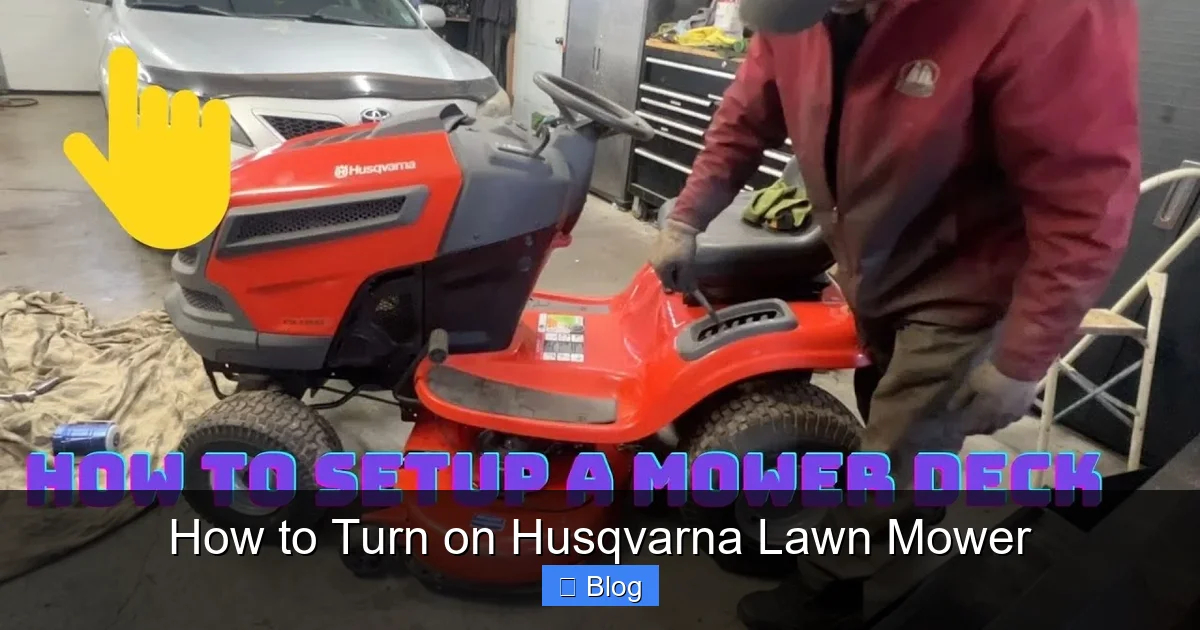
Visual guide about How to Turn on Husqvarna Lawn Mower
Image source: i.ytimg.com
Fuel and Oil Levels
Check your oil dipstick. If the oil is black, murky, or below the “add” line, do not attempt to start the engine. Likewise, ensure your gasoline is fresh. Gasoline that has sat in a tank all winter can turn into a gummy mess that clogs the carburetor, making it nearly impossible to start the engine.
The Safety Interlocks
Husqvarna mowers are packed with safety switches. These prevent the blades from engaging unless you are seated or have the parking brake set. Ensure that your mower is on a flat surface, the deck height is adjusted, and the parking brake is firmly locked in the “on” position. If the deck is engaged when you try to start the mower, the safety system will disable the ignition to prevent a dangerous situation.
Starting a Gas-Powered Husqvarna Riding Mower
If you are operating a riding model, consistency is your best friend. Follow this logical flow to ensure a smooth start every time.
Step-by-Step Ignition Process
First, move the throttle lever to the “Choke” position if the engine is cold. The choke restricts airflow, which creates a richer fuel mixture necessary to jumpstart a cold engine. Once you are seated, engage the brake. Insert your key into the ignition switch and turn it to the “Start” position. Hold it for no more than five seconds.
If the engine catches, immediately move the throttle back to the “Rabbit” or operating position. If the engine sputters or dies, give it a moment to rest. Forcing the starter motor to turn over for too long will eventually drain your battery and can overheat the solenoid.
Tips for Cold Weather Starts
If you are mowing during a chilly spring morning, the engine oil is thicker, and the fuel takes more effort to vaporize. Use the choke fully and make sure your battery is in top condition. If the mower still struggles, check to see if your model has a “Primer” button—pressing this three times can manually force fuel into the system to help it catch faster.
Powering Up Electric Husqvarna Models
The 2026 lineup of Husqvarna battery-powered mowers has changed the game. These machines are much quieter and significantly easier to start. However, the process is different from gas engines.
The Safety Key System
Most battery-electric mowers feature a removable safety key. This acts as a master switch. Before the mower will activate, you must insert this key into the port. This ensures that a child or an unauthorized user cannot accidentally activate the blades.
Activation Sequence
Once the safety key is in, you usually need to press and hold a “Start” button or safety button on the handle, then pull the bail arm back toward the handle. This “two-handed” operation is a standard safety feature. Always listen for a beep or look for a green LED light on the dashboard, which signals that the mower is in “Ready” mode and the blades will spin the moment you engage the bail.
Troubleshooting Common Starting Issues
Even with the best maintenance, things go wrong. If your Husqvarna refuses to roar to life, don’t panic. Most issues fall into three buckets: electrical, fuel, or mechanical.
Electrical Failures
If you turn the key and hear a “click-click-click” sound, your battery is likely dead. This is common if the mower has been sitting for several weeks. Use a trickle charger to bring it back to full voltage. If there is no sound at all, check your safety switches. Is the brake on? Are you fully seated? Is the blade engagement lever in the “Off” position?
Fuel and Airflow Issues
If the engine cranks but won’t catch, your fuel may be “stale.” Gasoline degrades quickly. If the mower sat for more than three months with fuel in it, that fuel may no longer be combustible. Drain the tank and refill it with fresh, high-quality gasoline. Also, check the air filter. A clogged filter chokes the engine of the oxygen it needs to create a spark, preventing startup.
Maintaining Your Mower for Easy Starts
The secret to knowing how to turn on Husqvarna lawn mower equipment effortlessly is actually about how you turn it off and store it. At the end of the season, always use a fuel stabilizer in your tank. This prevents the gasoline from breaking down and gumming up the small jets inside the carburetor.
Clean the underside of the mower deck regularly. A deck packed with caked-on grass creates drag on the blade, which puts extra strain on the engine during the starting process. By keeping the deck clean and the blade sharp, you reduce the load on the motor, making every start easier. Finally, keep your battery connections tight and free of corrosion. A little bit of baking soda and water can clean off any white, crusty buildup on the terminals, ensuring a solid flow of electricity every time you turn the key.
By following these practices, you ensure that your Husqvarna remains a reliable partner in your lawn care journey. Whether you are a weekend warrior or a dedicated landscaper, mastering these startup procedures will save you time, frustration, and money in the long run. Enjoy your mowing season!
FAQs
Why does my Husqvarna mower click but not start?
A clicking sound usually indicates a weak battery or a faulty starter solenoid. Check that your battery terminals are clean and tight, and try charging the battery with a dedicated trickle charger.
Should I use the choke every time I start my mower?
No, you only need to use the choke when the engine is cold, such as when you first start it for the day. If the engine is already warm, it should start without the choke.
What do I do if the mower won’t start after sitting all winter?
The most common cause is stale fuel that has gummed up the carburetor. Drain the old fuel, add fresh gasoline with a stabilizer, and check the spark plug for any carbon buildup.
Why does my mower turn off as soon as I stand up?
Husqvarna mowers are equipped with a seat safety switch that kills the engine if the operator leaves the seat while the blades are engaged. This is a mandatory safety feature to prevent accidents.
How often should I replace the spark plug?
For most residential Husqvarna mowers, it is recommended to replace the spark plug once per season or every 100 hours of operation. A fresh plug ensures a strong spark for easy starting.
Is it safe to spray starting fluid into the carburetor?
While starting fluid can help in an emergency, it should not be a regular habit as it can be harsh on the engine internals. If your mower requires starting fluid to run, it is a sign of a deeper fuel system issue that needs professional attention.