
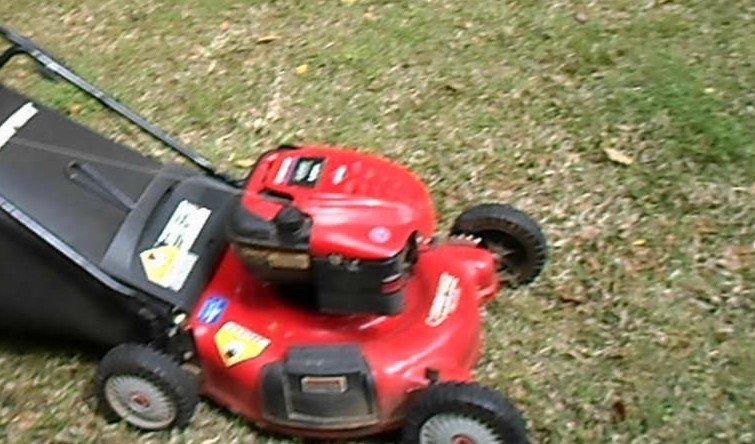
Starting your Troy Bilt lawn mower doesn’t have to be a frustrating chore. By following our simple, step-by-step guide, you can ensure your machine fires up every time, helping you maintain a beautiful lawn with minimal effort and maximum safety.
There is nothing quite as satisfying as the smell of freshly cut grass on a Saturday morning. However, that satisfaction can quickly turn into frustration if your machine refuses to roar to life. If you have been searching for how to turn on Troy Bilt lawn mower equipment, you are not alone. Whether you are using a classic push mower or a modern riding tractor, starting these machines correctly is the secret to a long engine life and a stress-free afternoon in the yard.
As we head into the 2026 gardening season, technology has made these machines more efficient, but the basic principles of starting an internal combustion engine remain the same. Understanding the “heartbeat” of your mower—how it draws fuel, sparks, and runs—will empower you to stop relying on luck and start relying on a solid process. Let’s walk through the steps to get you back to mowing in no time.
Key Takeaways
- Safety First: Always check your oil and fuel levels before attempting to start the engine to prevent mechanical damage.
- The Primer Bulb: For cold starts, using the primer bulb is essential to move fuel into the carburetor for an immediate ignition.
- Blade Engagement: Ensure the blade control handle or engagement lever is in the disengaged position to prevent accidental movement.
- Maintenance Matters: Regularly replace your spark plug and air filter to keep your mower starting reliably throughout the season.
- Troubleshooting: If the mower won’t start, check for old fuel, a loose spark plug wire, or a clogged air intake system.
Step 1: The Pre-Start Inspection Checklist
Before you even think about pulling the cord or turning the key, you need to perform a quick visual inspection. Think of this as the “pilot’s pre-flight check.” Skipping this step is the number one reason people fail when learning how to turn on Troy Bilt lawn mower units.
Checking Fluid Levels
First, check your engine oil. If the oil is low, the engine may not start, or worse, it could seize up. Use the dipstick to ensure the oil level is within the “safe” zone. Next, check your fuel tank. If the fuel has been sitting in the mower for more than a month, it might have degraded. Fresh fuel is the lifeblood of your Troy Bilt engine.
Safety Environment Check
Make sure your mower is on level ground. Never try to start a mower on an incline or in tall grass. The blade must be clear of debris, and you should ensure the area around you is free of pets or children. Once you have confirmed the oil is full, the gas is fresh, and the area is clear, you are ready to move to the ignition process.
Step 2: Mastering the Cold Start Process
Most people struggle to start their mower because the engine is “cold.” An engine needs a specific air-to-fuel ratio to ignite when it has been sitting idle. Learning how to turn on Troy Bilt lawn mower models during these cold starts requires the use of the primer bulb or the choke system.
Visual guide about How to Turn on Troy Bilt Lawn Mower
Image source: i.ytimg.com
The Role of the Primer Bulb
On many push mower models, you will see a small, usually red, rubber bulb on the side of the engine. This is the primer. When you press this bulb three times, you are manually pushing a small amount of fuel directly into the carburetor. This provides the “rich” mixture needed for the engine to fire up instantly. If you press it too many times, you might flood the engine, so stick to the manufacturer’s recommended three presses.
Setting the Choke
If your mower uses a choke lever instead of a primer bulb, move the lever to the “Choke” or “Start” position. The choke restricts air intake, which makes the fuel mixture thicker and easier to ignite. As soon as the engine catches and begins to hum, remember to move the lever back to the “Run” position. If you leave it in the choke position, the engine will eventually sputter and die.
Step 3: Engaging the Ignition System
Now that the engine is primed, it is time to actually initiate the start. Depending on your specific model, you might be using a pull-start handle or an electric start key.
Using the Pull Cord
For push mowers, hold the blade control handle (the bar you hold against the handle) firmly. This is a safety feature called the “deadman’s switch.” If you let go, the engine will stop. Once that is held down, grab the starter cord handle and give it a steady, firm pull. Do not jerk it violently, as this can snap the cord. A smooth, swift pull usually does the trick. If it does not start on the first try, wait a second, ensure the blade handle is still engaged, and try again.
Electric Start Simplicity
If you own a Troy Bilt riding mower or a push model with “Push Button Start” technology, the process is even easier. Insert the key or ensure the battery is charged, turn the key to the start position, and hold it there for no more than five seconds. Once the engine catches, release the key immediately. Prolonged cranking can drain your battery or overheat the starter motor.
Step 4: Troubleshooting Common Starting Issues
Even when you know how to turn on Troy Bilt lawn mower equipment perfectly, things can go wrong. Engines are temperamental, especially after the winter months. If your mower is turning over but not starting, follow this quick troubleshooting flow.
Checking the Spark Plug
The spark plug provides the electricity that ignites the fuel. If it is covered in carbon buildup or the wire has vibrated loose, you won’t get a spark. Ensure the rubber boot is pushed firmly onto the top of the spark plug. If it looks black and corroded, it is time for a replacement. This is an inexpensive fix that often restores a mower to “like-new” performance.
Airflow and Fuel Flow Problems
An engine is essentially a giant air pump. If the air filter is clogged with grass clippings and dust, the engine cannot “breathe.” Take the air filter cover off and give the filter a tap to remove debris; if it looks gray or oily, replace it. Additionally, if the fuel cap vent is clogged, a vacuum can form in the tank, preventing fuel from reaching the engine. Loosening the cap slightly can help you determine if this is the culprit.
Step 5: Safety and Best Practices After Starting
Once your Troy Bilt mower is purring, you have won half the battle. However, safety should remain your top priority. Learning how to turn on Troy Bilt lawn mower units is just the first step; operating them safely is how you protect yourself and your equipment.
Allowing the Engine to Warm Up
Never engage the blades or start driving immediately after the engine starts. Let the engine run at a low idle for about 30 to 60 seconds. This allows the oil to circulate and reach all the moving parts, reducing internal wear. Think of it as stretching before you run a race.
Post-Mowing Shut Down
Just as important as starting is the shutdown. When you are finished, allow the engine to idle for a minute before killing the power. This prevents “afterfire” or backfiring. Once the engine is cool, clean off any grass clippings from the deck. Clippings hold moisture, and moisture causes rust, which can lead to structural issues with your mower’s deck over time.
Conclusion
Mastering how to turn on Troy Bilt lawn mower equipment is a skill that saves you time, money, and frustration. By following these steps—checking your fluids, properly priming the engine, engaging the safety handle, and maintaining your spark plug—you ensure that your mower is a reliable partner in your lawn care routine. Don’t let a stubborn engine keep you from a well-manicured lawn. With a little practice and routine maintenance, you will be able to start your mower with confidence every single time you head out to the yard.
Remember, your Troy Bilt machine is built to last, provided it is treated with a bit of care. Keep the fuel fresh, check your filters, and stay consistent with your pre-start checklist. Now that you have the knowledge, it is time to get out there and get to work. Happy mowing!
Frequently Asked Questions
Why does my mower start and then immediately die?
This is often caused by a fuel delivery issue or a dirty air filter. If the engine doesn’t get enough fuel or air, it will stall shortly after ignition; check your fuel lines and filter to ensure there is no blockage.
How many times should I push the primer bulb?
For most Troy Bilt push mowers, three firm presses of the primer bulb are sufficient to deliver enough fuel for a cold start. Avoid pushing it excessively, as this can flood the engine with too much gas.
Is it okay to use old gasoline from last season?
No, you should never use fuel that has been sitting for more than 30 days without a stabilizer. Old gasoline can turn gummy and clog your carburetor, which will prevent the engine from starting correctly.
What should I do if the pull cord feels stuck or hard to pull?
If the cord is difficult to pull, there may be a mechanical obstruction or the engine may be flooded. Check the underside of the mower deck for debris, and try waiting a few minutes to let the engine clear out before trying again.
Can I start the mower on a steep hill?
It is highly recommended that you start your mower on flat, level ground to ensure the engine oil circulates properly. Starting on a hill can cause the oil to shift, potentially leading to a lack of lubrication and engine damage.
How often should I replace the spark plug?
You should aim to replace the spark plug once every season or every 100 hours of operation. A fresh spark plug is one of the easiest ways to ensure your mower starts on the first or second pull every time.