
Learning how to use a gas lawn mower is a fundamental skill for any homeowner looking to maintain a pristine yard. This guide covers essential safety, fuel management, and efficient mowing techniques to help you achieve professional-looking results with confidence.
There is something incredibly satisfying about the smell of fresh-cut grass and the look of a perfectly manicured lawn. As we move through the 2026 gardening season, many homeowners are rediscovering the power and reliability of a gas lawn mower. While battery-operated models are trending, there is no denying that a gas-powered machine offers the raw torque needed for thick grass and large properties.
If you are new to yard work or just need a refresher on how to use a gas lawn mower correctly, you have come to the right place. Operating these machines does not have to be intimidating. With a few safety precautions and some insider tips on technique, you can turn a Saturday chore into a rewarding experience. Let’s dive into everything you need to know to become a lawn care pro.
Key Takeaways
- Safety First: Always clear the lawn of debris and wear protective gear, such as sturdy shoes and eye protection, before you begin mowing.
- Fuel Basics: Use fresh, ethanol-free gasoline to prevent engine gunk, and never refuel a hot engine to avoid fire hazards.
- Height Matters: Adjust your mower deck to the correct height, following the “one-third rule” to keep your grass healthy and lush.
- Mowing Pattern: Alternating your mowing direction each week prevents soil compaction and promotes straight, even growth.
- Maintenance Routine: Clean the underside of the deck and check the air filter regularly to keep your mower running smoothly throughout the 2026 season.
Preparation: Getting Ready to Mow
Before you even touch the pull cord, you need to prepare both yourself and your yard. Safety is the most important part of learning how to use a gas lawn mower. You would be surprised how often small items left in the grass can turn into dangerous projectiles once the blade hits them.
Clearing the Terrain
Walk your lawn thoroughly before you start. Pick up sticks, rocks, thick branches, and any stray children’s toys. If you have a hidden sprinkler head, mark it with a small flag so you do not accidentally damage it. Taking five minutes to clear the area saves you from potential repairs and keeps everyone safe.
Checking Your Gear
You should always wear the right clothing. Closed-toe boots are non-negotiable—never mow in sandals or flip-flops. If you have sensitive ears, a pair of earplugs or noise-canceling muffs will make the experience much more pleasant. Finally, put on some safety glasses to protect your eyes from flying debris.
Fueling and Engine Maintenance
A gas lawn mower is essentially a small engine that requires regular feeding. If you treat your fuel system with care, your mower will start on the first or second pull every time. In 2026, fuel quality matters more than ever for small engines.
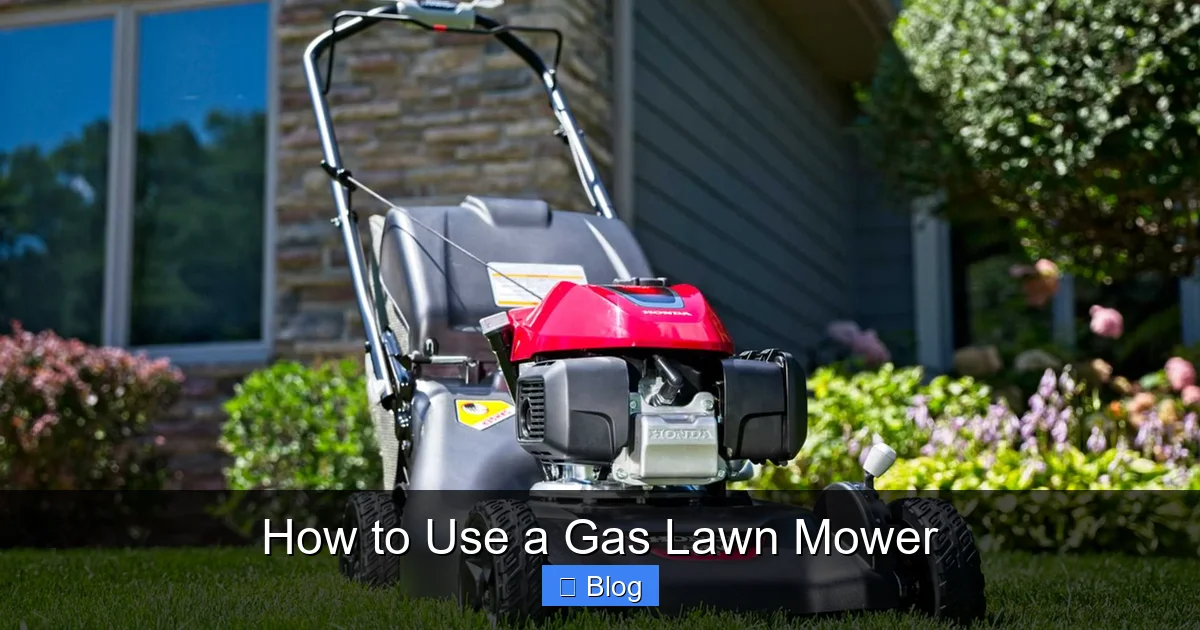
Visual guide about How to Use a Gas Lawn Mower
Image source: cdn.motor1.com
Choosing the Right Fuel
Always check your manual, but as a general rule, use fresh, unleaded gasoline with low ethanol content. Ethanol can break down over time and leave gummy deposits in your carburetor. If you are not mowing every single week, consider using a fuel stabilizer to keep the gas fresh during the off-months.
Refueling Safety
Never add gas while the engine is hot. If you run out of fuel halfway through the job, walk the mower to a cool spot and let it sit for at least ten minutes. Gasoline fumes can ignite if they touch a hot muffler, so keeping a cool engine is a vital safety habit. Also, keep a funnel handy to prevent spills, as spilled gas can kill your grass and harm your lawn’s soil health.
Starting Your Mower With Confidence
Starting a gas mower often feels like a test of strength, but it is actually a test of technique. If your mower has a primer bulb, give it three firm presses to get fuel into the system. If your model has a choke, make sure it is set to the “cold start” position if the engine hasn’t been run yet today.
The Pull Technique
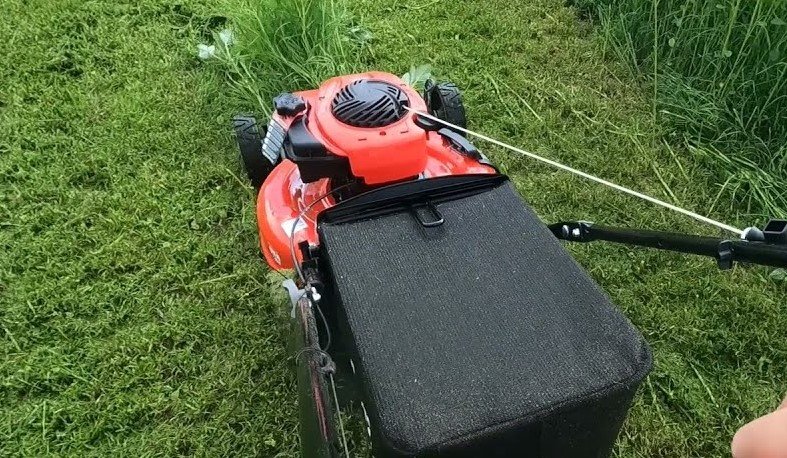
Stand firmly behind the mower, hold the safety bar down against the handle, and pull the cord with a steady, fluid motion. Do not yank it wildly. If it doesn’t start on the first try, stay calm. Wait for the engine to stop spinning completely before you try again. If your mower features an electric start, simply turn the key or press the button—it really is that simple!
Techniques for a Perfect Cut
Now that you have the mower running, it is time to tackle the grass. The way you walk and steer makes a huge difference in the final look of your lawn. You want your yard to look like a professional landscaper did the work.
The One-Third Rule
One of the biggest mistakes beginners make is cutting the grass too short. You should never cut off more than one-third of the grass blade length in a single session. Cutting too deep can shock the grass, make it turn brown, and allow weeds to take over. Set your mower deck to a higher setting; your grass will stay greener and healthier throughout the 2026 summer heat.
Mowing Patterns
Try to change your direction every time you mow. If you go north-to-south one week, go east-to-west the next. This prevents “ruts” from forming in your soil and keeps your grass growing straight and strong. If you are working on a hill, always mow across the slope rather than up and down to ensure you don’t lose your footing or have the mower tip backward.
Cleaning and Post-Mowing Care
When you finish, the work isn’t quite done. A little bit of cleanup ensures that your mower is ready for the next time you need it. Think of this as preventative maintenance that saves you money in the long run.
Removing Grass Clumps
Grass clippings can build up under the deck and trap moisture, leading to rust. After the mower has cooled down, use a plastic scraper or a stick to clear out any caked-on clippings. Never reach under the deck with your hands, even if you are sure the mower is off.
Air Filter and Oil Checks
Once a month, check your air filter. If it looks black or clogged with dust, swap it out for a new one. A clean filter helps the engine breathe, which keeps it running cooler and using less fuel. Check your oil level periodically as well; if it looks dark and gritty, it is time for an oil change to keep those engine parts moving smoothly.
Conclusion
Learning how to use a gas lawn mower is a rite of passage for many, and with the tips provided, you are now equipped to handle your yard like an expert. Remember to prioritize safety, keep your blades sharp, and never cut your grass too short. By following these steps throughout 2026, you will not only make your chores easier, but you will also create the envy of the neighborhood with a vibrant, healthy lawn.
At the end of the day, yard work is about more than just keeping the grass short. It is about taking pride in your home and spending a little time outdoors. Grab your protective gear, check your fuel, and enjoy the satisfaction that comes with a job well done!
Frequently Asked Questions
How often should I change the oil in my lawn mower?
Most manufacturers recommend changing the oil at least once per season or after every 50 hours of use. Checking your oil level before each mow is a great habit to ensure your engine stays healthy.
Is it better to bag the clippings or leave them on the lawn?
Leaving clippings on the lawn acts as natural fertilizer, provided they aren’t too long or clumped together. If you mow frequently, mulching is usually the best choice for a healthy, green yard.
What should I do if the mower stalls while I am mowing?
Stalling often happens if you are moving too fast through tall, thick grass. Stop the mower, clear out any clogs from the discharge chute, and try taking a narrower path on your next pass.
How do I know if my mower blade is dull?
If the tips of your grass look shredded or white after mowing, your blade is likely dull. A sharp blade makes a clean, healthy cut, so consider sharpening or replacing it once a year.
Can I wash my lawn mower with a garden hose?
Avoid spraying water directly into the engine, air filter, or carburetor, as this can cause permanent damage. Instead, use a brush or a damp cloth to wipe down the exterior, and use a scraper for the underside of the deck.
What should I do with my lawn mower during the winter?
Before storing it for the winter, either run the mower until the fuel tank is empty or add a fuel stabilizer to the gas. This prevents the fuel from breaking down and gumming up your engine during the cold months.