
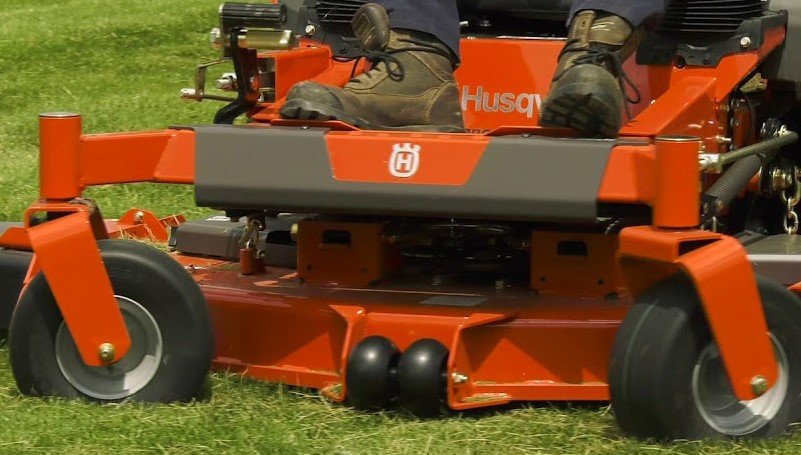
Mastering the startup process for your machine is the first step toward a perfect lawn. This guide covers essential safety checks and the precise sequence needed to get your engine roaring and your blades spinning with confidence.
Owning a riding lawn mower changes the game when it comes to yard maintenance. Whether you have a sprawling suburban lot or a large rural property, these machines turn a grueling chore into a manageable task. However, if you are new to the world of power equipment, the dashboard might look a little intimidating. Learning how to turn on riding lawn mower units is a foundational skill that every homeowner needs to master.
In 2026, modern mowers are equipped with advanced safety features designed to protect both the operator and the machine. While these features make the machines safer than ever, they also mean there is a specific, required sequence of events you must follow to get moving. If you skip a step, the engine simply will not turn over. Let’s walk through the process to ensure you get your lawn care done efficiently and safely.
Key Takeaways
- Safety First: Always check your surroundings and ensure the parking brake is engaged before you start the engine.
- The Neutral Check: Your riding mower must be in neutral or park for the safety interlock systems to allow the engine to crank.
- Choke Usage: Understanding when to use the choke setting is vital for starting a cold engine in varying 2026 climate conditions.
- Blade Position: Never attempt to start a riding lawn mower with the cutting blades engaged, as this is a major safety hazard.
- Maintenance Matters: A clean battery and fresh fuel are the two most common reasons why a mower might fail to start on the first try.
Pre-Startup Safety Inspections
Before you even think about turning the key, you must perform a brief walk-around. Safety is the most important part of operating heavy equipment. Start by checking the area around the mower. Ensure there are no toys, garden hoses, or large rocks that could become projectiles once the blades are moving. If your mower has been sitting for a long period, take a moment to look under the deck to ensure no debris has accumulated.
Checking Fluids and Tires
Modern mowers rely on peak performance from their engines. Open the hood and check your oil levels using the dipstick. If the oil is dark or low, top it off or schedule an oil change. Next, take a quick glance at the tires. A mower with uneven tire pressure will result in an uneven cut across your lawn. If one tire looks softer than the others, grab a pressure gauge and inflate it to the manufacturer’s recommended PSI found in your manual.
Understanding the Safety Interlocks
In 2026, nearly all riding mowers feature a “Deadman” switch or seat sensor. This technology detects if you are sitting in the operator’s seat. If you are not in the seat, the engine will cut off or refuse to start. This is not a glitch; it is a critical safety feature. When you climb on the seat, make sure you are sitting squarely in the center so the sensor can register your weight correctly.
The Starting Sequence
Once you are comfortably seated, it is time to prepare the cockpit. Most riding mowers have a standardized control layout, even if the brand names differ. Your primary goal is to ensure the machine is in a “passive” state before adding electricity or fuel to the ignition system.
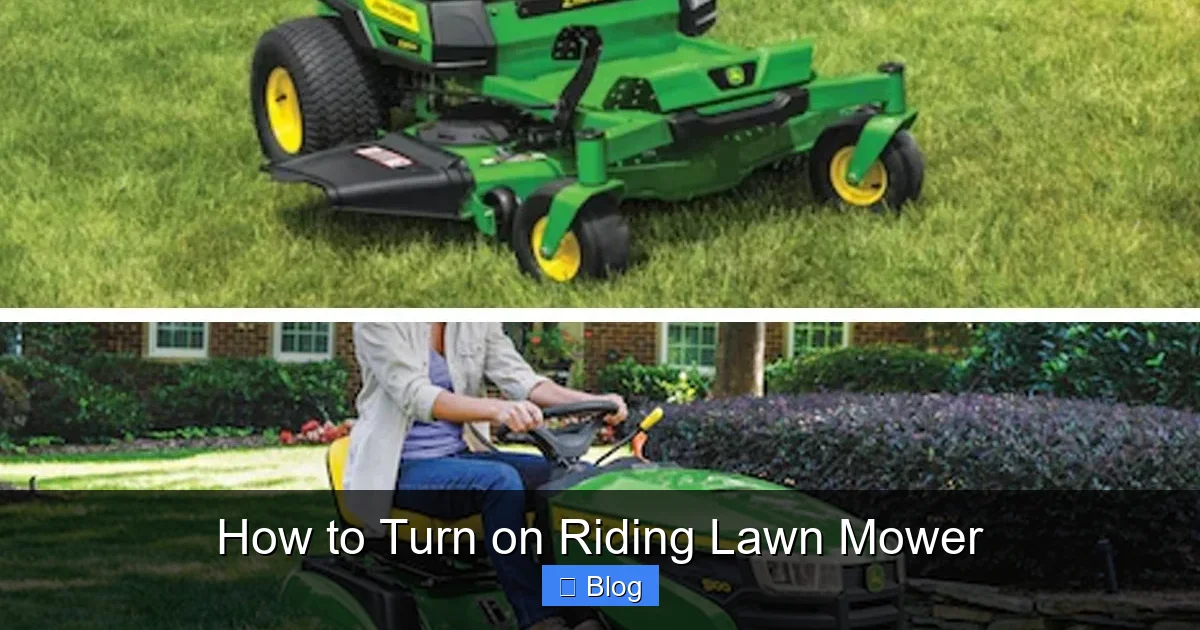
Visual guide about How to Turn on Riding Lawn Mower
Image source: familyhandyman.com
Setting the Brake and Neutral
Engage the parking brake firmly. On most models, this is a pedal on the left side that locks into a notched plate. Next, ensure your transmission is in the neutral position. If you have a hydrostatic drive, this might be a specific lever or simply ensuring the drive pedal is at rest. The mower will not start if it senses the transmission is engaged.
Disengaging the Cutting Deck
Look for the Power Take-Off (PTO) switch. This is usually a bright yellow or red knob on the dash. You must push this knob down or move the lever to the “Off” position. Starting a mower with the blades engaged is dangerous and puts unnecessary strain on the battery and the belt system. If the PTO is engaged, the engine will likely click but remain silent.
Ignition Techniques for Different Engines
Not all engines start the same way. The ambient temperature and the engine’s current state—whether it is cold from sitting overnight or warm from recent use—will dictate your technique. Learning how to turn on riding lawn mower models requires a little bit of intuition regarding your specific engine type.
The Choke and Throttle
If you are starting a cold engine, you will likely need to engage the choke. Move the throttle lever up to the “Choke” or “Start” position. This restricts airflow to the carburetor, which creates a fuel-rich mixture that helps a cold engine catch. Once the engine sputters to life, slowly move the throttle lever down toward the “Rabbit” or high-speed icon. Do not leave it on choke for too long, or you might flood the engine.
Turning the Key
Insert the key into the ignition switch. Turn it clockwise just like you would with a car. Do not hold the key in the start position for more than 5-10 seconds. If it does not start immediately, release the key, wait about 10 seconds for the starter motor to cool down, and try again. Forcing the starter to run continuously will drain your battery very quickly.
Troubleshooting Common Startup Issues
Even with the best preparation, sometimes things go wrong. If you follow all the steps and the machine refuses to start, don’t panic. In 2026, most startup issues are related to simple electrical or fuel-delivery problems that you can solve without a mechanic.
Battery and Electrical Gremlins
If you turn the key and hear a rapid clicking sound, your battery is likely dead or has a loose connection. Check the battery terminals to ensure the cables are tight and free of white, crusty corrosion. If the terminals are dirty, scrub them with a mixture of baking soda and water. If the battery is old, it might simply be time for a replacement.
Fuel Quality
If the engine cranks over strongly but refuses to actually catch and run, the issue might be fuel. Gasoline that has sat in the tank for more than a few months can degrade, especially if it contains ethanol. If your mower has been sitting through the winter, drain the old fuel and add fresh, high-quality gasoline. A splash of fuel stabilizer is a great preventative measure for the future.
Maintaining Your Mower for Easy Starts
The secret to knowing how to turn on riding lawn mower models every single time is consistent maintenance. Think of your mower as a hardworking athlete. If you keep it well-fueled and clean, it will perform when you need it to. Every spring, perform a “tune-up” that includes changing the air filter and the spark plug.
Airflow and Spark
A clogged air filter prevents the engine from “breathing,” which makes starting very difficult. Check the filter before every season. Similarly, a fouled spark plug will fail to create the spark needed to ignite the fuel. Replacing your spark plug is an inexpensive way to ensure your engine starts with just a turn of the key. It is a small job that yields big results in reliability.
Winterization
If you live in a region with cold winters, remember to store your mower properly. Disconnect the battery and store it on a trickle charger inside your garage. This ensures that when the first warm day of spring arrives, your battery will be fully charged and ready to go. Proper winter storage is the best insurance policy against a mower that won’t start when the grass starts growing again.
Conclusion
Taking care of your lawn should be a rewarding experience, not a source of frustration. By understanding the safety protocols, respecting the ignition sequence, and staying on top of basic maintenance, you will find that turning on your riding lawn mower becomes second nature. It is a simple skill that empowers you to take control of your property’s appearance and health.
Remember, each mower model has its own personality, so always keep your owner’s manual handy. As we move through 2026, technology continues to make these machines more user-friendly, but the core principles remain the same. Stay safe, keep your maintenance schedule, and enjoy the satisfaction of a freshly cut lawn every single weekend.
Frequently Asked Questions
What do I do if the engine clicks but won’t turn over?
This sound usually indicates a dead battery or loose cable connections. Ensure your battery terminals are clean and tight, and try charging the battery with an external charger.
Can I start the mower while the cutting blades are on?
No, you should never start a riding mower with the blades engaged. Doing so is a significant safety risk and can damage the drive belt or blow the starting fuse.
Why does my mower stall as soon as I let go of the key?
This is often caused by an incorrect throttle or choke setting. Ensure the choke is adjusted properly after the engine warms up, or check for a fuel delivery blockage.
Do I need to be sitting in the seat to start the mower?
Yes, almost all modern riding mowers have a seat safety switch that must be engaged by your weight. Without someone in the seat, the ignition system will remain disabled.
How long should I hold the key when starting?
Turn the key and hold it for no more than 5 to 10 seconds. If it does not start, wait about 15 seconds to let the starter cool down before trying again.
Why is there white smoke when I start the mower?
A small puff of blue or white smoke at startup can be normal, but consistent smoke often means you have too much oil in the engine or an oil leak. Check your oil level and look for any signs of leaking around the engine block.