
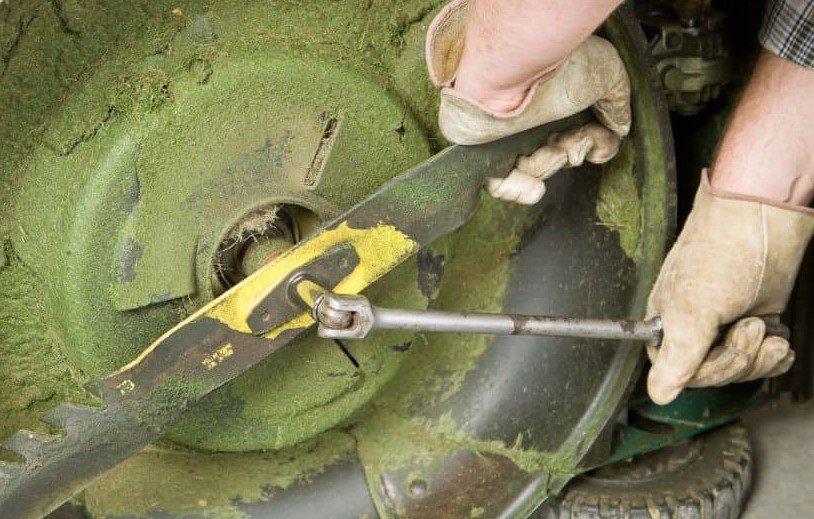
Tightening your lawn mower blades is a crucial maintenance task that ensures both operator safety and lawn health. By following a few simple steps, you can secure your blades firmly to prevent vibration and uneven cuts during your 2026 gardening season.
There is nothing quite like the smell of fresh-cut grass on a sunny Saturday morning in 2026. However, if your mower is vibrating more than usual or leaving ragged, uneven edges on your lawn, you might be dealing with loose mower blades. Many homeowners ignore this simple task, but learning how to tighten lawn mower blades is one of the best ways to keep your equipment running for years to come.
You do not need to be a professional mechanic to master this skill. With the right tools and a little bit of patience, you can get your mower back in tip-top shape in just about thirty minutes. In this guide, we will walk you through the entire process, making sure you stay safe while achieving that perfect, professional-looking cut every single time you head out to the yard.
Key Takeaways
- Safety First: Always disconnect the spark plug wire before working on the mower to prevent accidental starts.
- Stabilize the Blade: Use a block of wood or a specialized blade tool to keep the blade from spinning while you tighten the bolt.
- Correct Direction: Remember that most mower blades use standard right-hand threads, but some rotate in reverse; check your manual.
- Use a Torque Wrench: Proper torque is vital; overtightening can snap the bolt, while undertightening can cause the blade to come loose.
- Inspect Hardware: Always check the bolt and washer for signs of wear, rust, or stripping before reinstalling.
- Consistent Checks: Make it a habit to check blade tightness every few times you mow to maintain optimal performance.
Preparation and Essential Safety Measures
Before we dive into the nuts and bolts literally we need to talk about safety. When you work on a lawn mower, you are dealing with a heavy, sharp tool that has the potential to start unexpectedly. Taking a few extra minutes to prep your workspace will save you a world of trouble down the line.
Disabling the Power Source
The most important rule in mower maintenance is to prevent the engine from starting while your hands are near the blades. If you have a gas-powered mower, pull the spark plug wire off the plug. It is a simple step, but it is the single most effective way to guarantee your safety. If you are using one of the newer electric models popular in 2026, make sure to remove the battery completely before doing anything else.
Gathering Your Tools
You do not need a massive toolbox to tighten your blades. At a minimum, you will need a socket wrench, the correct size socket for your blade bolt, and a sturdy block of wood. A torque wrench is highly recommended if you have one, as it takes the guesswork out of how tight the bolt needs to be. Having a pair of heavy-duty gloves is also a smart move, as mower blades can be quite sharp, even when the mower is off.
Getting Access to the Mower Blade
Now that you are prepped and safe, it is time to get under the mower. The way you do this depends on the type of machine you own. If you have a standard walk-behind mower, you will need to tilt it. Always tilt the mower with the air filter and carburetor side facing up. If you tilt it the other way, oil can leak into the air filter, which will cause a real headache when you try to start it again.
Visual guide about How to Tighten Lawn Mower Blades
Image source: i.ytimg.com
Securing the Mower
For zero-turn or riding mowers, you might be able to reach under the deck, but often it is safer to use a lawn mower jack or lift. If you do not have a lift, make sure you have the parking brake set and that the wheels are chocked so the machine does not move. Never rely solely on a car jack; use proper jack stands or blocks to support the weight of the mower while you are working underneath it.
The Art of Stabilizing the Blade
The biggest challenge when trying to tighten lawn mower blades is that the blade wants to spin every time you turn your wrench. You need a way to lock it in place. This is where your block of wood comes in handy.
Using the Block of Wood Method
Take a short piece of 2×4 wood and wedge it between the blade and the inner wall of the mower deck. As you turn your wrench to tighten the bolt, the blade will push against the wood, which will hold it firmly in place. This is a tried-and-true method that has worked for decades. It is cheap, effective, and protects the blade from getting damaged by metal-on-metal contact.
Using a Blade Locking Tool
If you prefer specialized tools, many retailers sell blade locking devices that clamp onto the mower deck and hold the blade still. These are excellent if you plan on doing this maintenance frequently. They are especially useful for people who manage large properties and want to ensure their blades are perfectly aligned and tight after every sharpening session.
How to Properly Tighten the Bolt?
Once the blade is stabilized, you can start the tightening process. Locate the bolt holding the blade to the spindle. Before you go crazy with the wrench, inspect the hardware. If the bolt head is rounded off or the threads look damaged, it is time to replace them. Using worn-out bolts is a safety hazard.
Finding the Correct Torque
Tightening is not just about “muscle.” If you tighten a bolt too much, you could snap the bolt or damage the spindle. If you do not tighten it enough, the vibration of the mower will eventually work the blade loose, which can lead to expensive damage to your mower deck.
Check your owner’s manual for the specific torque settings. Most manufacturers recommend a specific foot-pound rating. Using a torque wrench is the only way to be 100% sure you are within the manufacturer’s suggested range.
Righty-Tighty, Lefty-Loosey (Mostly)
Most mower blades turn counter-clockwise, meaning the bolt is typically a standard right-hand thread. This means you tighten by turning it clockwise. However, some manufacturers use reverse-threaded bolts on certain models to prevent them from loosening during operation.
If you feel extreme resistance, stop and double-check your manual to ensure you are turning in the correct direction. Forcing a bolt the wrong way will cause damage to the threads.
Inspection and Finishing Touches
After you have tightened the bolt, do not just rush to finish. Take a moment to inspect the entire blade assembly. Are there any cracks in the metal? Is the blade dull or nicked from hitting rocks or debris? If the blade is in poor condition, tightening it will not solve the poor cutting quality. You might consider sharpening or replacing the blade while you have it off the mower.
Testing for Vibration
Once you put the mower back on the ground and reconnect the spark plug, start the engine. Listen carefully. A loose blade will make a distinct clanking or high-pitched vibrating sound. If the mower runs smoothly and sounds like it usually does, you have successfully completed the task. It is always a good idea to let the mower run for a minute before heading into the yard to ensure everything remains secure.
Developing a Routine
In 2026, we are all about efficiency. Adding a quick “blade check” to your maintenance routine every few mowings will save you from major repairs. When you check your oil or clean off the grass clippings from under the deck, just reach in and give the blade a firm tug. If it moves even slightly, you know exactly what to do.
Conclusion: Maintaining Your Mower for the Long Haul
Learning how to tighten lawn mower blades is a skill that empowers every homeowner. It saves money, keeps you safe, and ensures your lawn remains the envy of the neighborhood. By taking care of your equipment, you are not just maintaining a machine; you are investing in the health of your yard and the longevity of your investment.
Remember that consistent maintenance is the key to a stress-free mowing season. Whether you have a small electric mower or a heavy-duty riding tractor, the principles remain the same. Keep it clean, keep it sharp, and keep it tight. Your lawn will thank you for it, and you will have more time to sit back and enjoy that perfect green carpet you have worked so hard to create.
Frequently Asked Questions
How often should I check if my mower blades are tight?
You should check your blades every 20 to 25 hours of operation or at the start and middle of the mowing season. If you frequently mow over uneven terrain or hit debris, check them more often to ensure they have not vibrated loose.
Do I really need a torque wrench for this?
While you can tighten blades by feel, a torque wrench is highly recommended to prevent over-tightening or under-tightening. Using the manufacturer’s recommended torque ensures the blade is secure without risking damage to the bolt or spindle.
What should I do if the bolt is stuck and won’t turn?
If the bolt is seized, spray it with a high-quality penetrating oil and let it sit for 15-20 minutes. If it still won’t budge, use a longer wrench handle for extra leverage, but be careful not to force it too hard to avoid snapping the bolt head.
Can I tighten the blade while the mower is on its side?
Yes, but you must ensure the carburetor and air filter side are facing upward to prevent oil from leaking. Always disconnect the spark plug wire first to ensure the mower cannot start while you are working.
What are the signs that my blades are loose?
Common signs include excessive vibration, a loud clanking noise while the engine is running, and an uneven or “streaky” appearance in your lawn. If you notice any of these, stop mowing immediately and inspect the blade hardware.
Should I replace the bolt every time I remove the blade?
You do not need to replace the bolt every time, but you should inspect it for signs of wear, rust, or thread damage. If the bolt looks worn or the head is starting to round off, replace it immediately to prevent future issues.