
Starting a self propelled lawn mower is a straightforward process when you follow the right sequence of safety and mechanical steps. By checking your fuel levels, engaging the safety bail, and utilizing the correct starting mechanism, you can ensure a smooth, efficient start every time you head out to mow the grass.
There is nothing quite like the smell of freshly cut grass on a Saturday morning. However, if you are staring at your machine and wondering how to start a self propelled lawn mower, that peaceful morning can quickly turn into a source of stress. Whether you are a new homeowner or just upgraded your equipment, getting the hang of your lawn mower is a rite of passage. Modern mowers are designed for ease, but they still require a specific routine to kick into gear.
In 2026, the technology behind outdoor power equipment has advanced significantly. While mowers are more reliable than ever, the fundamentals of combustion and electric starting systems remain largely the same. By mastering these steps, you will not only save time but also extend the lifespan of your machine. Let’s walk through the process together so you can get back to enjoying your beautiful yard.
Key Takeaways
- Safety First: Always clear the area of debris and check your oil levels before attempting to start your mower.
- Fuel Matters: Using fresh, high-quality fuel is the most common solution to engines that refuse to turn over.
- The Bail Handle: Understanding that the safety bail must be held firmly against the handle is vital for the engine to stay running.
- The Primer Advantage: If your model is equipped with a primer bulb, pressing it three times is the secret to a quick start on cold mornings.
- Maintenance Routine: Keeping your spark plug clean and your air filter clear prevents long-term starting issues.
- Battery Care: For electric-start models, ensure the battery is charged before the season begins to avoid frustration.
Preparation: Setting the Stage for Success
Before you even touch the starter cord, you need to prepare your machine. Most people skip this step, but it is the number one reason why mowers fail to start. Think of it as a pre-flight checklist for your lawn care adventure.
Check Your Fluid Levels
Start by checking the oil and fuel. Even if you left gas in the tank over the winter, fuel can degrade. In 2026, we recommend using a fuel stabilizer if the mower has been sitting for more than a month. Check your oil dipstick to ensure the level is within the marked range. If it looks dark or gritty, it might be time for a change.
Clear the Deck
Walk around your yard and pick up rocks, sticks, or dog toys. These items are dangerous when hit by a blade, but more importantly, they can get lodged in the discharge chute, making it harder for the engine to spin freely during the start-up phase. A clean mowing path is a happy mower engine.
The Starting Sequence: Step-by-Step
Now that you are prepared, it is time to get moving. Most self propelled lawn mower models follow a similar logic, though some use pull-cords while others use a simple push-button start.
Visual guide about How to Start Self Propelled Lawn Mower
Image source: vader-prod.s3.amazonaws.com
Engaging the Safety Bail
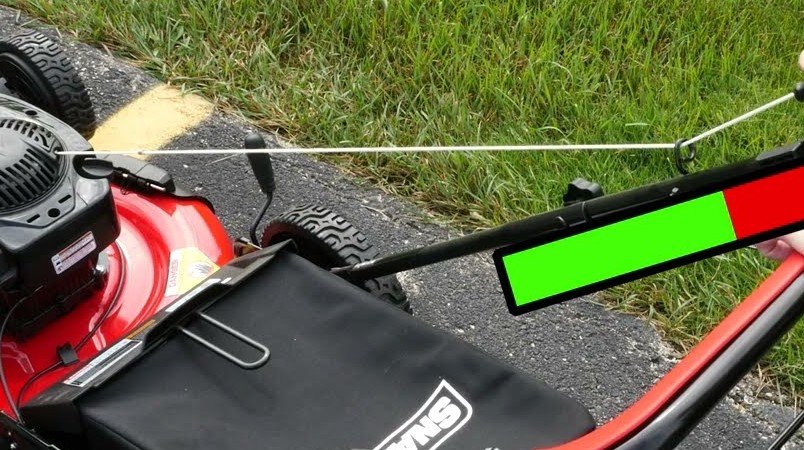
The most important part of any mower is the safety bail handle. This is the bar that runs along the top of the handle. You must pull this bar back toward the main handle and hold it firmly while you start the engine. This handle acts as a “dead man’s switch.” If you let go, the engine stops instantly, which is a fantastic safety feature for any homeowner.
Using the Primer or Choke
If your mower is “cold,” meaning it hasn’t run in a few hours, it needs a little help. If your mower has a primer bulb—usually a small red or black rubber button—press it three times. This pushes a small amount of fuel directly into the carburetor. If your mower has a choke lever, make sure it is set to the “Start” or “Cold” position before you pull the cord.
Pull-Start vs. Electric Start
There are two primary ways to get the engine turning in 2026. The method you choose depends on the specific features of your mower. Understanding the nuances of each can save you a lot of physical effort.
The Pull-Cord Technique
For a traditional pull-cord, do not yank it violently. Start by pulling the cord slowly until you feel resistance, which means the piston is in the correct position. Then, give it a firm, steady pull. Many modern engines are designed to start on the first or second pull if the priming was done correctly. Keep your feet clear of the blades and stand firmly on solid ground.
The Electric Start Advantage
If you have an electric start model, you are in luck. These mowers come with a small rechargeable battery. Simply ensure the key is inserted or the button is depressed while holding the safety bail. It is incredibly convenient for those who might find pull-starting physically challenging. In 2026, many of these batteries are lithium-ion and can last an entire season on a single charge.
Engaging the Self-Propelled Feature
Once the engine is purring, you are halfway there. Many people forget that the self-propulsion is a separate system from the engine itself. Once the mower is running, you don’t want to just push it; you want the machine to do the heavy lifting for you.
Locating the Drive Lever
Look for a second bar or a trigger near the handle. This is your drive control. When you gently squeeze this lever, the mower will begin to move forward on its own. Start slow. Most mowers have a variable speed dial. If you are new to this, set it to a lower speed until you get used to how the mower pulls.
Tips for Better Handling
To turn the mower, release the drive lever completely. Attempting to force a turn while the self-propulsion is engaged can wear out your transmission belt prematurely. Think of it like a car—you want to ease into the drive and release the power when you are navigating obstacles or trees. It creates a much smoother mowing experience.
Troubleshooting Common Starting Issues
Even with the best preparation, sometimes things go wrong. If you find yourself pulling the cord and getting nothing, don’t panic. Usually, the issue is small and easy to fix.
The Spark Plug Check
If the engine sounds like it wants to turn over but just won’t “catch,” check your spark plug. Over time, carbon buildup can prevent the spark from igniting the fuel. Simply unscrewing the plug, wiping it with a clean cloth, and re-attaching the wire can often resolve the problem. If the tip looks black and charred, it is time to replace it.
Air Filter Maintenance
An engine needs air to run. If your air filter is clogged with dust and grass clippings, the engine will “choke” and fail to start. Most filters in 2026 are easy to access by opening a plastic cover on the side of the engine. A quick tap against the side of the mower or a replacement filter can restore full power instantly.
Conclusion: Maintaining Your Mower for the Future
Learning how to start a self propelled lawn mower is about more than just getting the blade moving; it is about respecting the tool you use to maintain your home. By taking the time to prime the engine, check your fluids, and understand the safety mechanisms, you ensure that your mower remains a reliable partner in your lawn care routine for years to come.
Remember that consistency is key. Treat your mower with care, store it in a dry place, and keep the blade sharp. When you follow these simple habits, the start-up process becomes second nature. Soon, you will be able to get your lawn finished in record time, leaving you with more of those precious weekend hours to relax and enjoy the green space you worked so hard to maintain. Happy mowing!
Frequently Asked Questions
How do I know if my mower is flooded?
If you smell a strong odor of gasoline or the mower refuses to start after many pulls, it may be flooded. Simply wait 15 minutes to let the excess fuel evaporate from the combustion chamber before trying again without priming.
Why does my self-propelled mower move slowly?
This is often caused by a loose drive cable or a worn transmission belt that needs adjustment. Check your owner’s manual to see how to tighten the drive cable, as this is a simple fix for most 2026 models.
Is it okay to tilt the mower to clean underneath?
Never tilt the mower with the air filter or carburetor facing downward, as this will cause oil to leak into the filter and foul the engine. Always tilt the mower with the air filter facing upward if you absolutely must inspect the deck.
How often should I change the oil?
For most residential users, changing the oil once per season or every 50 hours of use is sufficient. Regular oil changes are the best way to ensure the engine starts easily every single spring.
What if my mower won’t start after sitting all winter?
The culprit is almost always old fuel that has turned “gummy” in the carburetor. Always use fresh gas mixed with a stabilizer at the end of the season to prevent this from happening.
Does the self-propelled feature require maintenance?
Yes, the drive system relies on cables and belts that stretch over time. Keeping the area around the transmission housing free of grass clippings will help the system run smoothly and prevent premature wear.