
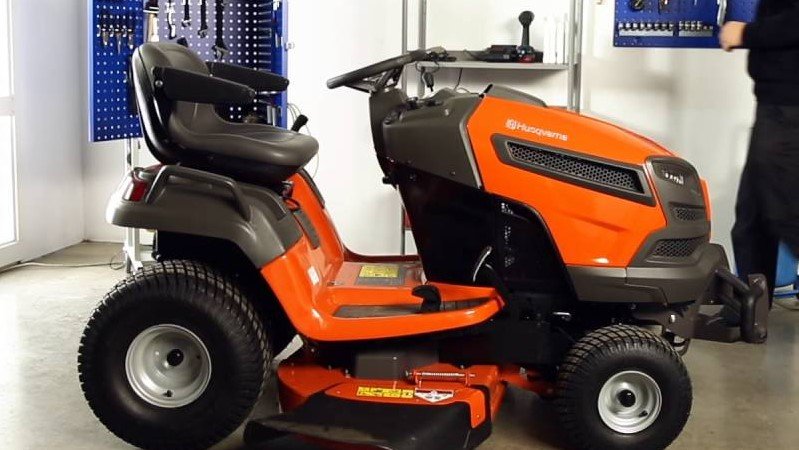
Preparing your lawn mower for winter storage is the single most important task you can perform to extend the life of your equipment. By following these proven maintenance steps, you prevent fuel degradation and internal engine damage, ensuring your mower starts effortlessly when the first grass of spring appears.
As the leaves fall and the frost begins to settle on your lawn, your trusty lawn mower is likely ready for a well-deserved break. Many homeowners simply park their mower in the shed or garage and forget about it until the following year. However, if you want to know how to store lawn mower for winter properly, you have to think about more than just finding a spot for it. Taking the time to winterize your machine now is the best way to avoid expensive repairs and frustrating engine issues when spring finally arrives in 2026.
The transition from a busy mowing season to a quiet winter is the perfect opportunity to perform a little preventative maintenance. Modern lawn mowers are complex machines, and leaving them idle for months without preparation can cause fuel to go bad and metal parts to rust. This comprehensive guide will walk you through everything you need to know about how to store lawn mower for winter so your equipment stays in peak condition for years to come.
Key Takeaways
- Fuel Management: Always stabilize your fuel or drain the tank completely to prevent varnish buildup in the carburetor.
- Clean the Deck: Removing dried grass and debris is essential to prevent rust and corrosion on the mower’s underside.
- Oil Changes: Changing the oil before storage removes contaminants that can damage your engine over the long winter months.
- Battery Care: If your mower has an electric start, disconnect and store the battery in a cool, dry place to prevent drain.
- Safe Environment: Store your mower in a dry, covered space to shield it from moisture, rodents, and temperature fluctuations.
The Critical Importance of Fuel Management
The most common reason a lawn mower fails to start in the spring is fuel-related. Gasoline, especially the ethanol-blended fuel commonly sold in 2026, begins to degrade in as little as 30 days. When this fuel sits in your tank and carburetor over the winter, it turns into a gummy, varnish-like substance that clogs up tiny passages in your engine’s fuel system.
Should You Drain or Stabilize?
You have two main options when deciding how to handle your fuel for winter. The first is to drain the system entirely. This involves running the mower until the engine dies from lack of fuel, then using a siphon or drain bolt to clear any remaining liquid from the tank. This is the safest method to prevent any varnish buildup, but it requires a bit of extra effort.
The second, and perhaps more popular method, is to use a high-quality fuel stabilizer. You simply add the stabilizer to a fresh tank of gas, run the engine for five to ten minutes to ensure the treated fuel reaches the carburetor, and then turn it off. The stabilizer prevents the gas from breaking down, ensuring that the fuel remains “fresh” even after months of storage.
Best Practices for Fuel Safety
Always store your fuel cans in a well-ventilated area away from living spaces. If you choose to drain your fuel, make sure to dispose of the old gasoline responsibly at a local hazardous waste collection site. Never dump gasoline into the soil or down the drain, as it is harmful to the environment.
Cleaning Your Mower Before Storage
When you think about how to store lawn mower for winter, cleaning might seem like just a cosmetic step. However, it is actually a vital protective measure. Grass clippings are like sponges; they soak up moisture and hold it against the metal deck of your mower. If left throughout the winter, this wet mass will cause your deck to rust, potentially leading to holes and structural failure.
Deep Cleaning the Undercarriage
Start by safely disconnecting the spark plug wire to ensure the mower cannot start accidentally. Then, carefully tilt the mower—always with the air filter side facing up to prevent oil from leaking into the filter—and scrape away the caked-on mud and grass from the underside. A plastic scraper or a putty knife works wonders here without damaging the paint finish.
Washing the Exterior
Give the rest of the mower a good wipe-down. Use a damp cloth to remove dirt, grease, and grime from the engine housing and wheels. If you have a hose, use it sparingly on the deck, but avoid spraying water directly into the engine, air filter, or electrical components, as this can lead to moisture buildup in areas where you definitely do not want it.
Engine Maintenance: The Secret to Longevity
The engine is the heart of your lawn mower. To ensure it beats strongly in 2026 and beyond, you should perform a few key maintenance tasks before the winter sets in. Taking care of these now means you can head straight into mowing once the grass begins to grow again.
Changing the Oil
Dirty oil contains microscopic bits of debris and acidic contaminants from the combustion process. If this oil sits in your engine all winter, those contaminants can cause pitting and corrosion on internal engine components. Drain the old oil while the engine is still slightly warm, replace it with fresh, high-quality oil, and don’t forget to swap out the oil filter if your specific model uses one.
Checking the Air Filter and Spark Plug
Remove the air filter and inspect it. If it is paper, replace it if it looks dirty. If it is foam, wash it with soap and water, let it dry completely, and apply a light coat of clean engine oil before reinstalling. Finally, remove the spark plug and check for carbon buildup. If the electrode looks worn, replace it. It is a very cheap way to ensure your mower kicks into life on the first pull next season.
Managing Batteries and Electrical Systems
If you own a mower with an electric start, you likely have a lead-acid or lithium-ion battery on board. Batteries that are left connected in a cold garage or shed all winter will inevitably lose their charge. When a lead-acid battery is left in a “discharged” state for too long, it can suffer permanent damage, leading to a much shorter lifespan.
Storage Tips for Batteries
For the best results, disconnect the battery cables and remove the battery from the mower entirely. Store it in a cool, dry place—definitely not in a place that gets extremely cold or hot. If you have a “trickle charger” or a “smart maintainer,” hook the battery up to it. This device will monitor the voltage and keep the battery topped off throughout the winter, ensuring it is ready for action in the spring.
Checking Connections
While the battery is removed, take a quick look at the terminals. Are they clean and free of corrosion? If you see a white or blueish powder, clean it off with a mixture of baking soda and water. A clean connection ensures that all the power from the battery actually makes it to the starter motor when you need it.
Choosing the Perfect Winter Storage Spot
Now that your mower is cleaned and serviced, the final piece of the puzzle is where to put it. You might be tempted to leave it under a tarp in the backyard, but that is a recipe for disaster. Moisture trapped under a tarp can create a greenhouse effect that accelerates rust.
Indoor vs. Outdoor Storage
The ideal location is a dry, enclosed space like a garage, basement, or shed. The key is to keep the machine away from the elements. If you must store it in an unheated shed, make sure it is elevated off the concrete floor if possible. Placing a piece of wood or a rubber mat under the tires can prevent them from freezing to the damp concrete, which can damage the rubber over time.
Pest Protection
Winter is when rodents look for a warm, cozy home, and a lawn mower engine or seat is a prime target for mice. To discourage them, ensure that no food or grain is stored nearby. Some people find success placing a few mothballs or cedar chips around the base of the mower to deter curious critters, but keeping your storage area tidy is the most effective deterrent.
Final Spring Prep and Routine Inspections
Before you park the mower for the final time in late 2026, do a quick “once-over.” Check the tire pressure to ensure they aren’t sitting on flats all winter. Tighten any loose nuts or bolts that you might have noticed during the season. If you have a bagger attachment, clean it out and make sure it is dry before storing it away.
The Benefits of Preparation
Storing your lawn mower correctly isn’t just about saving money on repairs; it’s about peace of mind. There is no better feeling than walking into your garage on a warm spring morning, adding a fresh tank of gas, and having your mower start on the very first pull. By following these steps on how to store lawn mower for winter, you are guaranteeing yourself a stress-free start to the gardening season.
As you put the mower to rest, take a moment to be proud of the work you’ve done. You have protected your investment, ensured the safety of your engine, and saved yourself hours of potential frustration next year. Enjoy the winter, knowing that your lawn maintenance equipment is ready for whatever the new year brings.
Frequently Asked Questions
Do I really need to remove the battery from my mower?
Yes, removing the battery is highly recommended. Cold temperatures can drain the charge, and leaving a battery in a discharged state all winter will significantly shorten its overall lifespan.
Can I leave gas in the mower if I use a stabilizer?
Yes, if you use a high-quality fuel stabilizer and run the engine long enough to circulate it through the carburetor, the gas should stay fresh for the winter. Make sure to fill the tank to the top to minimize the air space where condensation can form.
How do I stop mice from nesting in my mower engine?
The best way to prevent pests is to store the mower in a sealed, clean garage and ensure there are no food sources like birdseed or pet food nearby. You can also place cedar chips or mothballs near the wheels to discourage nesting.
Is it okay to store my mower on the lawn during winter?
No, you should never store a mower directly on the grass. The moisture from the ground will cause the metal deck to rust quickly and the tires to rot, leading to permanent damage.
What if I don’t have a garage or shed for storage?
If you must store your mower outside, place it on a wooden pallet or concrete blocks to keep it off the ground. Use a high-quality, breathable mower cover to keep off rain and snow, but ensure it is not so tight that it traps moisture against the metal.
How often should I change the oil in my lawn mower?
As a general rule, you should change your mower oil at least once a year, ideally before putting it into winter storage. This removes acidic contaminants that can damage internal engine components while the machine sits idle for months.