
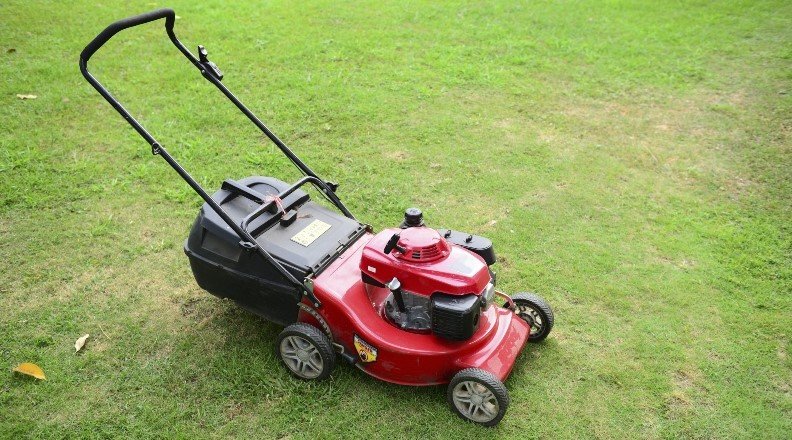
E10 gas is a fuel blend containing 10% ethanol and 90% gasoline, which is commonly found at gas stations across the country. While many modern engines can handle E10, it can lead to moisture buildup and engine damage in lawn mowers if left sitting for too long.
If you have spent any time at the pump lately, you have likely noticed the little stickers on the fuel dispensers labeled “E10.” It is the standard fuel choice for most modern cars in 2026, but does that mean it is the right choice for your lawn mower? Many homeowners make the mistake of assuming that if it works for their sedan, it must be safe for their push mower or riding tractor. Unfortunately, small engines have different requirements than the sophisticated fuel-injected engines in your car.
Understanding what E10 gas for lawn mower maintenance actually entails is the secret to a machine that starts on the first pull every single spring. In this guide, we are going to break down exactly what this fuel blend is, why it reacts differently inside your yard equipment, and how you can protect your investment from costly repairs. Grab a coffee, and let’s dive into the details of keeping your lawn care gear running smooth.
Key Takeaways
- Understanding Ethanol: E10 gas is a mixture of 10% ethanol (alcohol) and 90% regular gasoline.
- The Moisture Problem: Ethanol is hygroscopic, meaning it absorbs water from the air, which can rust fuel tanks and corrode engine parts.
- Shelf Life Matters: E10 gas degrades much faster than ethanol-free gas, often becoming problematic in as little as 30 days.
- Equipment Compatibility: Check your owner’s manual before filling up, as older engines may suffer damage from alcohol-based fuels.
- Stabilizer Importance: Always add a fuel stabilizer if you plan to store your mower for more than a few weeks.
- The Better Alternative: Whenever possible, use ethanol-free (recreational) fuel to extend the life of your small engine.
The Chemistry of E10 Gas
What Exactly is E10?
At its core, E10 gas is simply gasoline blended with 10% ethanol. Ethanol is a type of alcohol usually derived from corn or other plant materials. It is added to fuel to help it burn cleaner and to act as an oxygenate. For a car that is driven daily, this blend is perfectly fine because the fuel is constantly being cycled through the system.
However, your lawn mower sits idle for most of the week, or even the whole winter. When fuel sits in a small tank, that 10% alcohol starts to interact with the environment in ways that standard gasoline does not. It is important to know that E10 is considered a “standard” pump fuel, but it is not necessarily the “ideal” fuel for a piece of equipment that works in the dirt and dust of your backyard.
The Problem with Alcohol
The biggest challenge with using E10 gas for lawn mower engines is the tendency for ethanol to attract moisture. Alcohol is hygroscopic, which is a fancy way of saying it loves to absorb water. If you keep your mower in a shed or a garage with changing temperatures, condensation forms inside the fuel tank. The ethanol grabs that water, pulls it into the fuel, and creates a cloudy mixture.
This mixture is not just bad for performance; it is corrosive. Over time, that water-ethanol blend can rust the inside of a metal tank, clog your carburetor jets, and damage rubber fuel lines. This is why you might find that your mower refuses to start after a long winter break—the fuel has essentially gone “bad” and turned into a gummy, watery mess.
How E10 Impacts Your Engine
Carburetor Clogging
Most lawn mowers use a carburetor to mix air and fuel. These carburetors have very tiny passages that must remain clear for the engine to run. When E10 gas begins to break down, it leaves behind a varnish or a sticky residue. Think of it like tree sap inside your fuel lines.
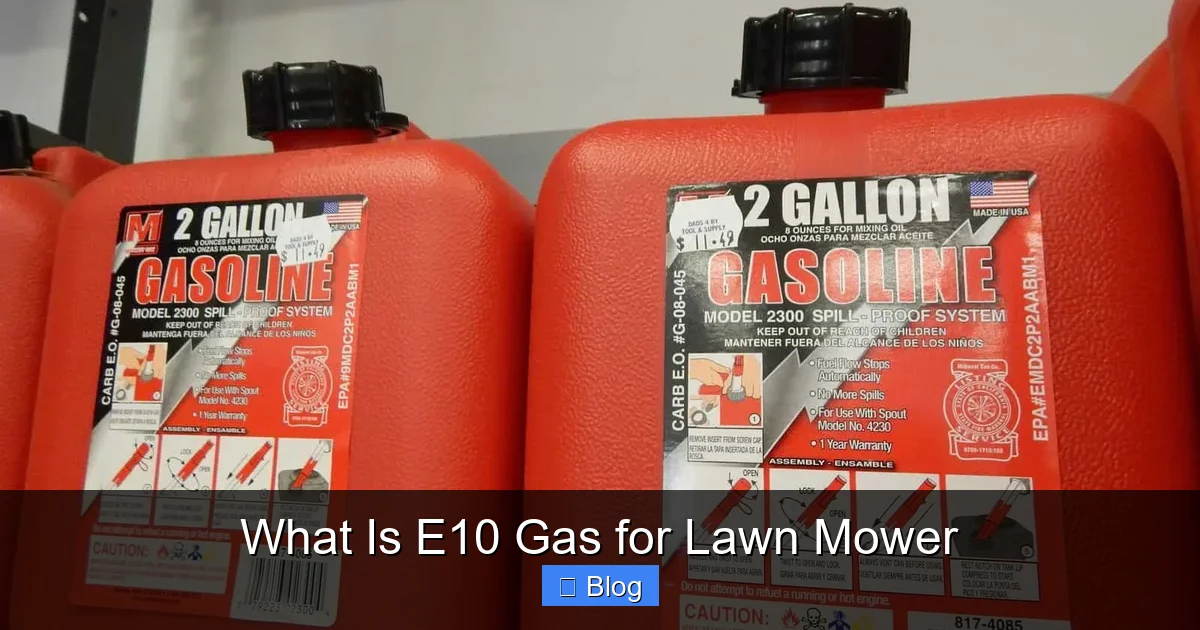
Visual guide about What Is E10 Gas for Lawn Mower
Image source: mowerliving.com
If you leave E10 in the carburetor over the winter, the ethanol evaporates, but the gummy additives remain. When you pull the cord in the spring, the fuel cannot flow through the narrow jets, and your mower will either refuse to start or run very roughly. In many cases, this requires a professional cleaning or a full carburetor replacement.
Degradation of Rubber and Plastic
Older lawn mowers, especially those built before the widespread use of ethanol, were often equipped with gaskets, seals, and fuel lines made of rubber that was not designed to handle alcohol. Ethanol can dry out these parts, causing them to crack and leak fuel.
Even on newer models, constant exposure to E10 can shorten the lifespan of fuel system components. This is why you might notice a leak in your fuel line after a few years of heavy use. Keeping an eye on these rubber parts is a practical way to manage the risks associated with E10 gas for lawn mower health.
The Case for Ethanol-Free Fuel
Why Experts Recommend “Rec” Fuel
If you talk to a professional small-engine mechanic, they will almost always recommend using “ethanol-free” or “recreational” fuel for lawn equipment. This fuel is exactly what it sounds like: pure gasoline with no alcohol additives. It does not attract water, it does not leave behind gummy residue, and it stays stable for much longer periods.
Many gas stations in 2026 have a separate pump or a specific grade labeled as ethanol-free. While it usually costs a bit more per gallon than the E10 blend, you are paying for peace of mind. For the amount of gas a typical lawn mower uses in a season, the extra cost is usually just a few dollars, which is a bargain compared to the cost of replacing a carburetor.
When to Use High-Octane Fuel
Some people believe that using high-octane or “premium” gas in a lawn mower makes it run better. While it is true that some premium fuels are ethanol-free in certain areas, the octane rating itself does not improve performance for a mower engine. These engines are designed for standard octane ratings. Your focus should be on the ethanol content rather than the octane number. Always check the label to see if your high-octane fuel contains “up to 10% ethanol”—if it does, you are back to the same problem.
Best Practices for Fuel Management
The Rule of 30 Days
If you must use E10 gas for your lawn mower, the most important rule is the “30-day window.” If you have fuel in the tank, try to burn through it within a month. If you are a casual mower and only cut the grass once every two weeks, don’t fill the tank to the brim. Only add enough fuel to complete the job.
This keeps your fuel fresh and prevents it from absorbing too much moisture. By keeping the tank mostly empty during the off-season, you reduce the chances of significant fuel degradation inside the equipment.
Using Fuel Stabilizers
If you cannot find ethanol-free gas, a fuel stabilizer is non-negotiable. Fuel stabilizers are chemical additives you pour into your gas can before filling up. They act as a preservative, preventing the chemical breakdown of the fuel and stopping the ethanol from attracting as much moisture.
Always add the stabilizer to your gas can *before* you put the fuel into your mower’s tank. This ensures the entire batch of fuel is treated. If you follow this simple step every time you go to the gas station, you will significantly reduce the risk of engine issues.
Storage Tips for the Off-Season
Drain or Keep Full?
There is a lot of debate about what to do with a lawn mower at the end of the season. One school of thought says to drain the tank completely. Another says to fill it with stabilized, ethanol-free fuel. The truth depends on your mower’s fuel system.
If your mower is simple and easy to drain, emptying the fuel system entirely is the safest bet to avoid any issues with E10 residues. If you prefer to keep it full, ensure the fuel is treated with a high-quality stabilizer and is as free of ethanol as possible. Never leave untreated E10 gas in a mower for three or four months over the winter.
Clean Your Fuel System Regularly
Beyond fuel choices, simple maintenance goes a long way. Check your fuel filter once a year. If you notice it looks dark or dirty, replace it immediately. A fresh filter helps catch any bits of debris or moisture that might have made their way into the fuel, preventing them from reaching the engine. Combining good fuel habits with basic filter maintenance is the winning combination for a long-lasting machine.
Conclusion
Navigating the world of fuel types can seem complicated, but it really comes down to one goal: keeping your small engine happy. While E10 gas for lawn mower engines is common and accessible, it is rarely the best choice for the long term. The moisture-attracting properties of ethanol create challenges that require extra attention, such as using stabilizers and sticking to a strict shelf life.
By opting for ethanol-free fuel whenever you can, and treating your fuel with a stabilizer when you cannot, you are protecting your lawn mower from the most common causes of engine failure. Take these steps, and you will spend less time at the workbench fixing clogs and more time enjoying a perfectly manicured lawn this season. Treat your engine well, and it will keep your yard looking great for years to come.
Frequently Asked Questions
Is E10 gas definitely harmful to my lawn mower?
It is not immediately harmful, but it is risky for long-term storage because it attracts moisture and can cause internal corrosion. If you use your mower regularly and use the fuel quickly, it is generally considered safe, but it is not ideal.
How do I know if my mower is “ethanol-safe”?
Check your owner’s manual for the fuel requirements section. Most modern engines manufactured after 2010 are built to handle E10, but older machines may suffer from degraded fuel lines and seals when exposed to ethanol.
Can I just leave E10 in the mower over the winter?
You should definitely avoid this, as E10 gas begins to degrade in as little as 30 days. If you must store the mower with fuel, ensure it is treated with a high-quality fuel stabilizer to prevent gumming and moisture buildup.
What should I do if my mower won’t start after sitting?
It is likely that the fuel has turned into varnish and clogged the carburetor. You may need to drain the old fuel, add fresh fuel with a cleaner additive, or have the carburetor cleaned by a professional.
Where can I find ethanol-free gas?
Many gas stations that offer “recreational” fuel or “premium” without ethanol labels carry it, particularly in areas with large boating or landscaping communities. You can often find locator apps online to help you find nearby stations selling “pure” gas.
Is using fuel stabilizer really necessary?
If you use E10 gas, a stabilizer is highly recommended to protect your engine. It keeps the fuel chemically stable and helps prevent the ethanol from pulling water into your fuel system, acting as an insurance policy for your engine.