
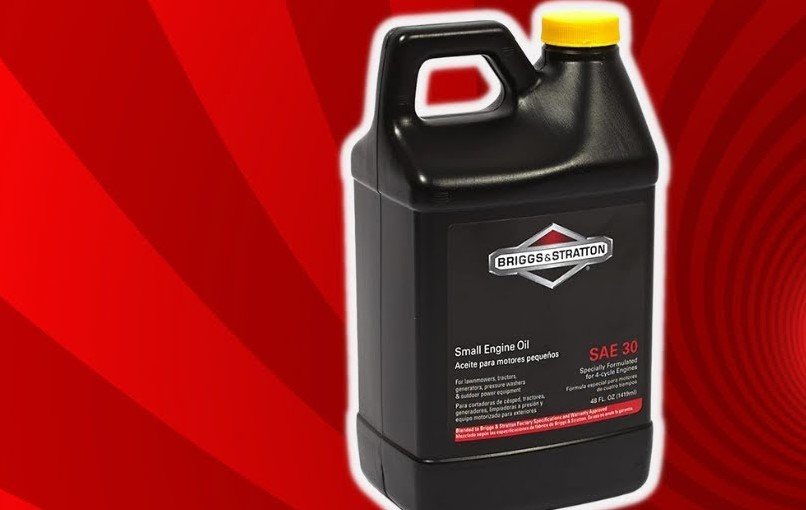
Choosing the right oil for your Briggs and Stratton lawn mower is the single most important step for engine longevity. Most modern engines perform best with SAE 30 or 10W-30 synthetic oil, depending on your local climate and usage patterns. Always check your specific engine manual to ensure peak performance and warranty compliance throughout the 2026 mowing season.
Walking out to your shed on a bright Saturday morning, you expect your lawn mower to roar to life with a single pull. We have all been there, standing in the garage, staring at a shelf full of plastic bottles, wondering: what type of oil for Briggs and Stratton lawn mower engines is actually the best? It is a common point of confusion for homeowners, yet it is the secret ingredient to a mower that lasts for decades rather than just a few seasons.
As we move through 2026, mower technology has continued to evolve. While the engines are more efficient than ever, they still rely on the same fundamental principle: clean, high-quality lubrication. If you have been guessing which bottle to grab, this guide will clear up the mystery. We are going to look at why oil matters, which types you should prioritize, and how to maintain your engine like a pro.
Key Takeaways
- Engine Health: Using the correct oil reduces friction, keeps components cool, and prevents costly internal engine damage.
- Standard Choice: SAE 30 is the gold standard for most warm-weather mowing conditions, providing excellent protection for air-cooled engines.
- Versatility: 10W-30 synthetic oil offers the best flexibility for varying temperatures, making it a reliable year-round choice.
- Check the Manual: Always consult your specific engine model’s manual, as some newer models have unique lubrication requirements.
- Oil Level Matters: Checking the dipstick before every use is the easiest way to prevent running an engine dry or overfilling it.
- Change Regularly: Even if the mower looks clean, oil degrades over time and should be changed at least once per season or every 50 hours of use.
Understanding the Basics of Lawn Mower Lubrication
To understand why you cannot just grab any oil off the shelf, you have to realize that lawn mowers are not like cars. Your car has a water-cooled engine with a complex pump system, but your lawn mower uses an air-cooled engine. These engines run significantly hotter and work harder, especially when they are pushing through tall, thick grass in the middle of a hot summer afternoon.
The Role of Viscosity
Viscosity is simply a measure of how thick or thin an oil is. You will see numbers like 10W-30 or SAE 30. The “W” stands for winter, while the second number represents the thickness at high operating temperatures. Because your mower engine does not have a radiator, the oil has to withstand intense heat without breaking down into a thin, watery liquid that fails to protect the metal parts inside the cylinder.
Synthetic vs. Conventional Oil
In 2026, the debate between conventional and synthetic oil has largely been settled. Synthetic oil is engineered at a molecular level to handle wider temperature ranges and resist breakdown better than conventional oils. For a Briggs and Stratton engine, synthetic oil is almost always the superior choice. It flows better during the first start of the day, reducing wear on the piston rings and crankshaft during that critical initial warm-up period.
Choosing the Right Oil Type for Your Climate
Not every backyard is the same. If you live in a place where the mornings are crisp and cool, your needs differ from someone mowing in a sweltering desert climate. Briggs and Stratton engines are designed to be versatile, but they perform best when you match the oil to the ambient temperature.

Visual guide about What Type of Oil for Briggs and Stratton Lawn Mower
Image source: i.ytimg.com
SAE 30: The Warm Weather Classic
SAE 30 is the traditional choice for small engines. If you live in a region where temperatures are consistently above 40 degrees Fahrenheit (4 degrees Celsius), this is a solid, reliable choice. It remains stable under high heat, which is perfect for heavy-duty mowing. Most people who mow exclusively during the spring and summer months will find that SAE 30 is all they ever need to keep their engine happy.
10W-30: The All-Weather Professional
If you find yourself starting your mower on chilly autumn mornings or late-season spring days, 10W-30 is a smarter option. The “10W” rating means the oil is thinner at startup, allowing it to coat the engine components faster. This reduces the “dry start” wear that happens when your engine has been sitting cold. Modern 10W-30 synthetic oil is widely considered the best overall performer for almost every Briggs and Stratton model on the market today.
How to Check and Change Your Oil Safely?
Even the most expensive, high-quality oil will eventually lose its protective properties. As the engine runs, microscopic metal shavings and debris accumulate in the oil, turning it dark and thick. This is why a regular change schedule is non-negotiable.
The Importance of the Dipstick
Before you mow, take five seconds to pull the dipstick, wipe it clean, reinsert it, and check the level. If the oil is below the “full” mark, your engine is working harder than it needs to. It is like running a marathon while dehydrated. Adding just a few ounces of oil can save you from overheating issues that shorten the life of the engine valves.
Steps for a Perfect Oil Change
Changing the oil is a simple ritual. First, run the engine for about five minutes to warm the oil up this helps it drain faster and carries more contaminants out with it. Next, place a pan under the drain plug (or tilt the mower on its side, making sure the air filter side is facing up so oil does not soak the filter). Drain the old fluid, replace the plug, and refill with the exact amount specified in your manual. Usually, this is about 15 to 20 ounces for a standard walk-behind mower.
Common Mistakes to Avoid
Even with good intentions, people often make errors that lead to engine trouble. Understanding these traps will keep your mower running long after your neighbor’s has given up.
Overfilling the Crankcase
There is a temptation to add just a little “extra” oil, but this is a major mistake. Overfilling leads to aeration—the oil gets whipped into a froth by the internal moving parts. Frothy oil does not lubricate effectively, and it can cause your engine to blow blue smoke or leak from the seals. Always fill to the line, never above it.
Using the Wrong Oil Grade
Avoid automotive oils with high friction modifiers intended for modern fuel-efficient cars. These additives can cause the wet clutches or internal components of small engines to slip. Always look for oils specifically labeled for “small engines” or those that meet the SJ, SL, or SM service ratings provided by the American Petroleum Institute.
When to Perform Maintenance?
Maintenance is about habits. In 2026, many homeowners are opting for smart mowers that track usage, but if your mower is older, you should stick to a calendar-based or hour-based schedule.
The Seasonal Refresh
At the start of every season, change the oil. Think of it as a fresh start for your machine. Even if you only mowed a few times the previous year, the oil has been sitting, gathering moisture and potentially oxidizing. Starting fresh ensures your engine is protected from the first cut to the last.
Hour-Based Changes
If you have a large property and mow frequently, base your oil changes on hours. Briggs and Stratton typically recommends an oil change every 50 hours of use. If you do not have an hour meter, try to change the oil at least twice a season if you are mowing more than half an acre every week.
Conclusion: Protecting Your Investment
Your lawn mower is a tool that serves you faithfully season after season. By simply choosing the right oil and staying consistent with your maintenance, you are doing more than just “taking care of the grass” you are ensuring that your machine will be ready whenever you need it. Whether you choose SAE 30 or the versatile 10W-30 synthetic, the important thing is that you are taking action.
Keep your oil clean, your levels checked, and your engine cool. With these simple practices, your Briggs and Stratton engine will continue to run smoothly throughout the 2026 season and beyond. Remember, a little bit of maintenance today prevents a massive repair bill tomorrow. Happy mowing!
Frequently Asked Questions
Can I use automotive oil in my Briggs and Stratton mower?
You can use high-quality automotive oil as long as it meets the API service ratings (SJ, SL, or SM) specified in your manual. However, it is generally recommended to use oil specifically labeled for small engines to ensure it lacks friction modifiers that could interfere with engine performance.
How much oil does my Briggs and Stratton engine hold?
Most standard walk-behind Briggs and Stratton lawn mowers hold between 15 and 20 ounces of oil. Always check your specific engine model’s manual or look for the capacity stamped near the oil fill tube to avoid overfilling.
What happens if I put too much oil in the mower?
Overfilling the oil can lead to foaming, where the oil becomes aerated and loses its ability to lubricate effectively. This can cause the engine to smoke, run hot, and potentially force oil into the air filter, causing the mower to stall or stop working entirely.
How often should I change the oil?
You should change the oil at least once per season or every 50 hours of operation, whichever comes first. If you use your mower commercially or on very dusty, hot properties, consider changing the oil more frequently.
Is synthetic oil worth the extra cost for a lawn mower?
Yes, synthetic oil is highly recommended for modern small engines. It offers better resistance to high-heat breakdown and flows more easily during startup, which provides superior protection for your engine’s internal components.
Does the oil color tell me when to change it?
Oil will naturally turn dark brown or black as it cleans the engine and traps debris, so color alone is not always a perfect indicator of health. It is much safer and more reliable to follow the recommended hourly schedule provided in your owner’s manual.