
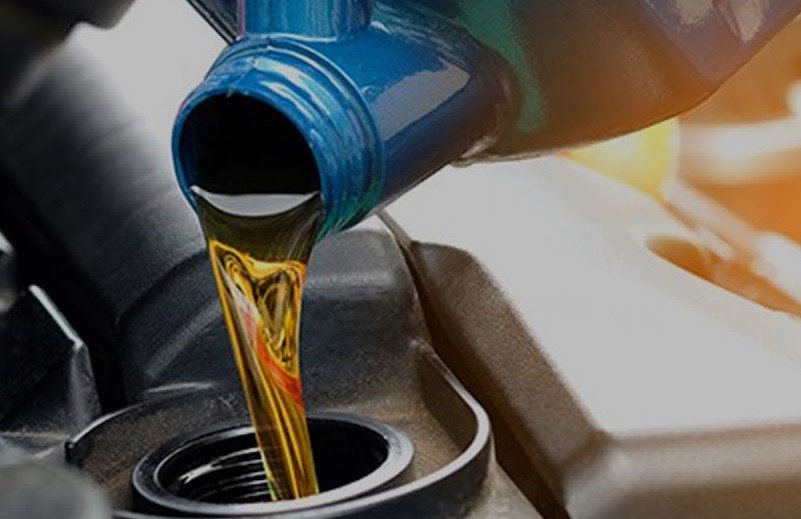
Choosing the right oil is the most important step in lawn mower maintenance to ensure your engine lasts for years. By matching the oil viscosity to your local climate and engine requirements, you prevent costly repairs and keep your machine running at peak performance.
Every spring, as the grass starts to grow again, many homeowners head to the garage to pull out their lawn mower. You pull the cord, it sputters to life, and you get to work. But have you ever paused to think about what is happening inside that engine? Just like your car, your lawn mower relies on high-quality oil to keep its internal parts moving smoothly. If you have ever caught yourself asking, “what type of oil for my lawn mower is the safest choice?” you are not alone.
Using the wrong oil is one of the quickest ways to shorten the lifespan of your machine. Whether you are using a push mower, a riding tractor, or a zero-turn mower, the oil acts as the lifeblood of the engine. It reduces friction, cools internal components, and keeps debris away from sensitive parts. In this 2026 guide, we will break down everything you need to know about lawn mower oils so you can keep your yard looking great without the stress of engine trouble.
Key Takeaways
- Check the Manual: Always prioritize the manufacturer’s recommendations found in your mower’s user manual before buying oil.
- Understand SAE Viscosity: Learn how numbers like 30 or 10W-30 indicate how thick your oil is and how it performs in different temperatures.
- Synthetic vs. Conventional: Synthetic oil offers better protection in extreme heat and cold, often leading to a longer engine life.
- Check Levels Often: Make it a habit to check your oil level before every mow to prevent engine seizing due to low lubrication.
- Change Regularly: Even if you don’t use the mower much, changing the oil once per season removes contaminants that cause internal wear.
Understanding Oil Viscosity and Climate
The first thing to understand when picking an oil is viscosity. You will see numbers like SAE 30 or 10W-30 on the bottles. Viscosity is simply a measure of how easily the oil flows at a specific temperature. If the oil is too thick, it won’t lubricate the engine properly during start-up. If it is too thin, it won’t provide a strong enough protective film when the engine gets hot.
The Common SAE 30 Standard
For many years, SAE 30 has been the gold standard for small, air-cooled lawn mower engines. It works incredibly well in warm weather, which is exactly when most of us are mowing our lawns. If you live in a region where temperatures are consistently above 40 degrees Fahrenheit, straight SAE 30 is often the best choice for your machine. It is stable, cost-effective, and designed specifically for the heavy load of a mower engine.
The Versatility of 10W-30
If you live in an area with a wider range of temperatures, you might want to look at 10W-30. The “W” stands for “winter,” and the number before it tells you how the oil flows in the cold. A 10W-30 oil is thinner when it is cold, allowing it to lubricate the engine faster when you first pull the cord. As the engine warms up, the “30” part of the oil ensures it stays thick enough to protect the internal parts while you cut the grass.
Synthetic vs. Conventional Oil
When you walk down the aisle at the hardware store in 2026, you will see bottles labeled “Full Synthetic” and “Conventional.” It can be tempting to reach for the cheapest option, but synthetic oil has become the preferred choice for many homeowners.
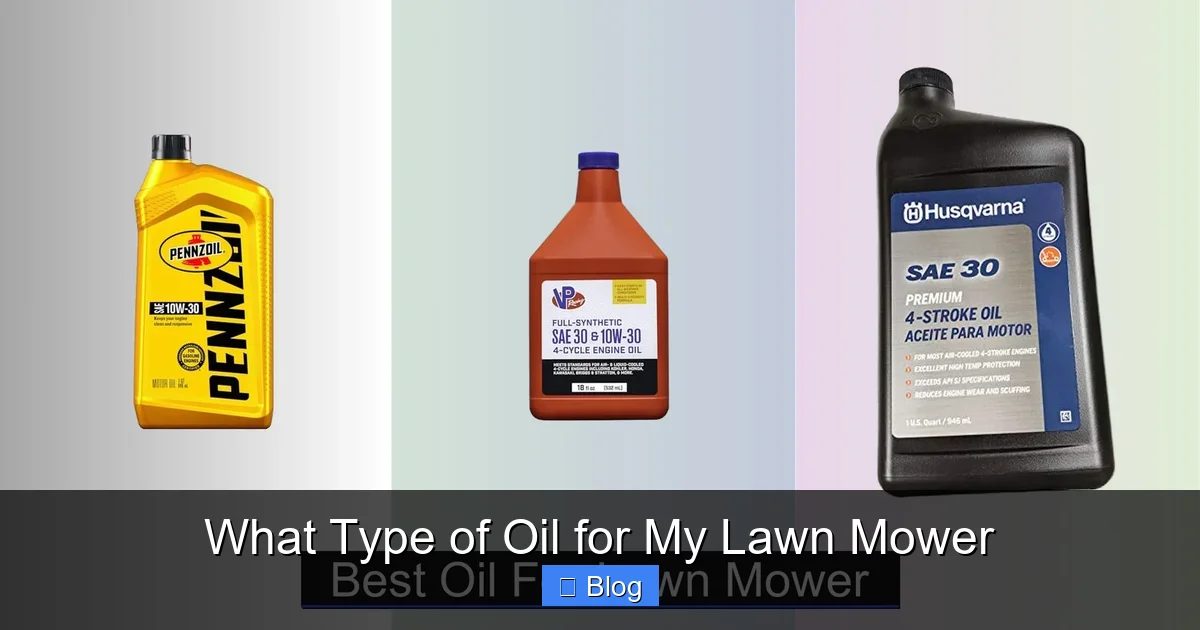
Visual guide about What Type of Oil for My Lawn Mower
Image source: bestlawnmower.reviews
Why Choose Synthetic?
Synthetic oil is engineered to have more uniform molecules. This means it doesn’t break down as quickly as conventional oil when the engine gets very hot. Air-cooled engines, like those on lawn mowers, operate at very high temperatures compared to car engines. Because they lack a radiator to circulate coolant, they rely entirely on oil to pull heat away from the piston and cylinder walls. Synthetic oil handles this intense heat much better, providing superior protection against engine sludge and deposits.
Can You Mix Them?
Generally, you can top off your mower with synthetic oil even if it currently has conventional oil in it. However, for the best results, try to stick to one type when doing your seasonal oil change. If you have an older mower, some people worry that synthetic oil will cause leaks. Modern synthetic oils are perfectly safe for older gaskets and seals, so do not let that old myth stop you from upgrading your engine’s protection.
The Importance of API Ratings
You might notice a small circular stamp on the back of the oil bottle. This is the API (American Petroleum Institute) service rating. It tells you what kind of service the oil is designed for. For most lawn mowers, you want to ensure the label says “SJ,” “SL,” “SM,” or “SN.”
What the Letters Mean
The letter “S” stands for “Service” and refers to gasoline engines. The second letter, like “N,” indicates the level of performance. Higher letters like “SN” or “SP” are newer and provide more protection against oxidation and deposit buildup. As a rule of thumb, you can always use a higher letter rating than what your manual recommends, but never go lower.
Avoiding Detergent Issues
Many modern car oils contain additives meant to clean the engine and suspend dirt. While this sounds good, some very old mower engines might not be designed to handle high-detergent oils. Always check your manual to see if your manufacturer has specific requirements regarding detergent levels. Most engines manufactured in the last two decades are fully compatible with standard modern motor oils.
Step-by-Step: Changing Your Lawn Mower Oil
Changing your oil is a simple task that you can do in under twenty minutes. It is a great way to bond with your machine and ensure it lasts all season long. You don’t need a professional mechanic; just a few basic tools and a bit of patience.
Getting Prepared
First, run your mower for about five minutes. Warm oil flows much better than cold, thick oil, making it easier to drain all the old gunk out. Once it is slightly warm, turn the engine off and disconnect the spark plug wire for safety. This prevents the mower from accidentally starting while you are working.
Draining and Filling
Place a drain pan under the oil plug. Carefully unscrew the drain plug, letting the dark, used oil empty into the pan. Once it has finished draining, wipe the plug clean and tighten it back up. Add the new oil slowly using a funnel to avoid spilling. Start with about 80 percent of the recommended amount, check the dipstick, and then top it off until you reach the “Full” line. Be very careful not to overfill, as that can cause the engine to smoke and run poorly.
Common Mistakes to Avoid
Even with the right oil, you can run into trouble if you make common mistakes. The most frequent error is neglecting to check the level. A lawn mower engine holds a very small amount of oil, usually less than a quart. If it burns even a little bit over the course of a long mowing season, you could be running on fumes without realizing it.
Ignoring the Air Filter
Oil is only half the story. Your engine also needs clean air to breathe. If your air filter is clogged with dust and grass clippings, your engine has to work harder. This extra strain makes the engine run hotter, which breaks down your oil much faster. Make sure to check or replace your air filter whenever you do an oil change.
Over-tightening the Drain Plug
When you put the drain plug back in, do not over-tighten it. Lawn mower frames are often made of aluminum or thin steel. If you torque the plug down too hard, you might strip the threads or crack the housing. Hand-tighten it until it is snug, and give it just a tiny nudge with a wrench to make sure it is secure.
Final Thoughts on Engine Care
Taking care of your lawn mower is a rewarding experience. It saves you money in the long run and gives you the satisfaction of a job well done. When you ask yourself “what type of oil for my lawn mower is the right fit,” remember that consistency is key. Pick a high-quality oil, stick to a regular schedule, and your mower will be ready to tackle your lawn every single week of the summer.
Don’t wait for your mower to start making weird noises or losing power. A quick oil check today can prevent a major repair bill tomorrow. Treat your engine with care, and it will keep your yard looking beautiful for many seasons to come. If you are ever in doubt, the manual is your best friend—but following the advice in this guide will get you 95 percent of the way there.
FAQs
How often should I change my lawn mower oil?
You should change the oil at least once per season, or every 50 hours of operation, whichever comes first. If you have a brand-new mower, perform the first oil change after the initial 5 hours of use to remove any metal shavings from the break-in period.
Can I use car oil in my lawn mower?
Yes, you can use high-quality automotive motor oil as long as it meets the viscosity and service requirements listed in your owner’s manual. Most modern 10W-30 or SAE 30 automotive oils are perfectly fine for small engines, provided they aren’t marked as “energy conserving.”
What happens if I overfill the oil?
Overfilling the oil can lead to excess pressure in the crankcase, which may force oil into the air filter or combustion chamber. This often causes the engine to blow blue smoke and can eventually lead to permanent damage if not corrected quickly.
Why does my lawn mower oil look black?
Black oil is normal after a few hours of use and simply means the oil is doing its job by suspending carbon and contaminants. If the oil feels gritty or smells like gasoline, it is time for an immediate change.
Do I need to change the oil filter?
If your mower is equipped with an oil filter, you should definitely change it during every oil change. Leaving an old, dirty filter in place will immediately contaminate the new, clean oil you just added.
Is it okay to store my mower with old oil in it?
It is best to change the oil before you store your mower for the winter. Used oil contains acidic compounds that can corrode internal engine parts while the machine sits idle for several months.