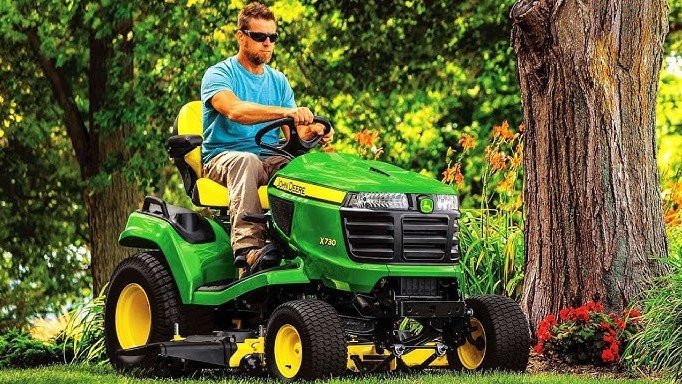
Finding the best riding lawn mower in 2026 comes down to matching your yard size, terrain, and budget with the right engineering. Whether you need a commercial-grade beast for an acre or a nimble rear-engine rider for a tight suburban plot, choosing a reliable brand ensures long-term performance and easier maintenance.
If you are tired of pushing a walk-behind mower around your yard, you are likely wondering who makes the best riding lawn mower for your specific needs. As we navigate the 2026 season, the landscape of lawn care technology has evolved significantly. Mowers are quieter, more efficient, and surprisingly smart, making the task of maintaining a large property feel more like a relaxing cruise than a grueling chore.
The quest to find the perfect machine is not just about the nameplate on the hood; it is about how the mower handles your specific grass type, the shape of your trees, and the slope of your hills. In this guide, we will explore the industry leaders, the hidden gems, and exactly what you should look for before handing over your credit card. Let’s dive into what makes a machine truly stand out in the crowded 2026 market.
Key Takeaways
- Define Your Terrain: The best riding lawn mower for a flat, open lawn is very different from one designed for hilly, rough terrain.
- Prioritize Engine Quality: Brands that partner with premium engine manufacturers like Kawasaki or Kohler typically offer superior longevity.
- Serviceability Matters: Before buying, check if there is a local dealer or service center nearby to keep your mower running for years.
- Comfort Equals Productivity: Features like high-back seats, adjustable controls, and ergonomic foot pedals make long mowing sessions much easier.
- Budget Beyond the Sticker Price: Always factor in the cost of attachments, maintenance kits, and long-term fuel consumption.
- Warranty Protection: Look for brands that offer robust multi-year warranties as a signal of their confidence in machine build quality.
Understanding Your Mowing Needs
Before we crown a champion, we have to look at your personal yard profile. There is no such thing as a one-size-fits-all mower. If you live on a quarter-acre plot, a massive zero-turn mower might be overkill and difficult to store. Conversely, if you have three acres of rolling hills, a tiny lawn tractor will likely spend more time in the shop than on the grass.
Matching Horsepower to Yard Size
Horsepower is often the first number people look at, but it is not the only metric for success. For standard residential lots up to one acre, a mower with 16 to 20 horsepower is typically sufficient.
If you are dealing with tall, thick grass or want to pull heavy attachments like aerators or trailers, you should lean toward 22 to 25 horsepower. Remember, more power usually means higher fuel consumption, so don’t overbuy unless you actually need the extra torque.
The Terrain Factor
Terrain determines the type of mower you should investigate. If your yard is relatively flat with a few obstacles, a traditional lawn tractor is easy to operate and comfortable for beginners.
However, if your yard is packed with flower beds, tight corners, and mature trees, a zero-turn mower is the absolute gold standard. Their ability to pivot on a dime cuts your mowing time by nearly 40 percent compared to traditional steering-wheel tractors.
The Titans of the Industry
When you start researching who makes the best riding lawn mower, you will find a few brands that consistently rise to the top. These manufacturers have built their reputations on decades of innovation and customer loyalty. Whether you are looking for a reliable workhorse or a premium machine loaded with technology, these brands are where most professionals start their search.
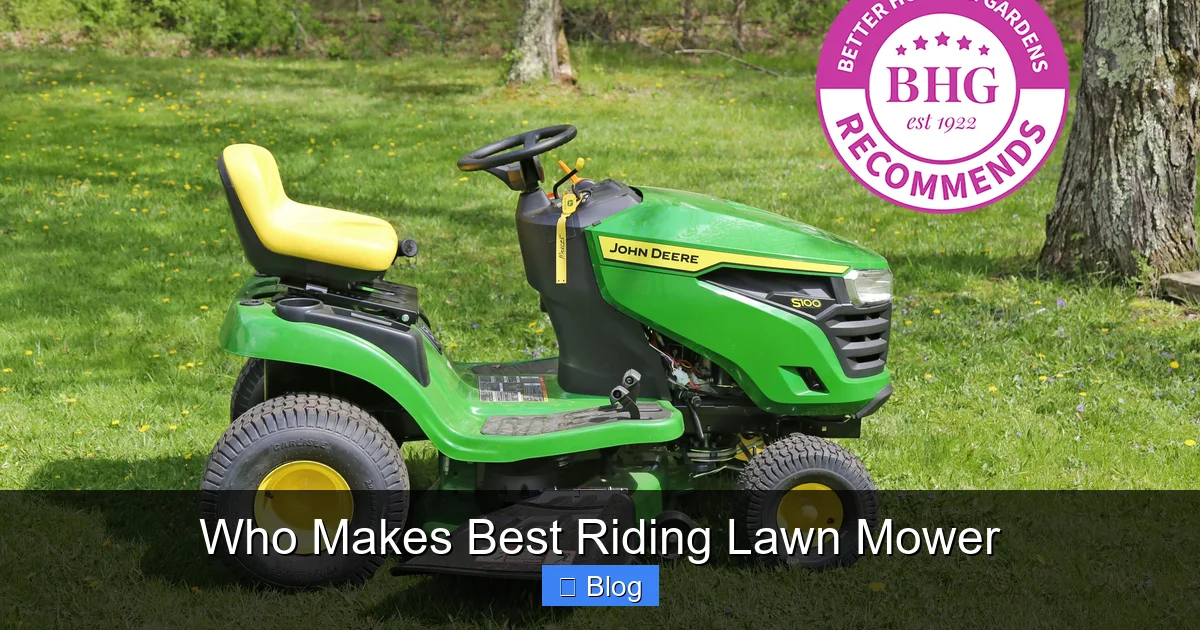
Visual guide about Who Makes Best Riding Lawn Mower
Image source: bhg.com
John Deere: The Gold Standard
John Deere remains the most recognized name in the business for a reason. Their S-series and X-series tractors offer unparalleled build quality and a vast network of local service centers. When you buy a Deere, you are buying into an ecosystem.
Finding parts, blades, or specialized attachments is incredibly easy because they are the largest player in the game. Their consumer-grade mowers are designed for the person who wants a machine that starts every single time, even after sitting through a cold winter.
Husqvarna: The Versatile Contender
Husqvarna is a fan favorite for homeowners who want professional performance at a mid-range price point. Known for their excellent deck designs and superior discharge systems, these mowers are particularly great for people with thick, stubborn grass. Husqvarna machines are known for being user-friendly, with intuitive control layouts that don’t require a manual to understand.
Engineering and Build Quality
The “best” mower is essentially a collection of high-quality parts working in harmony. You need to pay attention to the deck construction, the transmission type, and the engine manufacturer. A mower is only as good as the steel in its deck and the precision of its gearbox.
The Importance of Deck Fabrication
You will often see the terms “stamped” versus “fabricated” decks. Stamped decks are made from a single sheet of steel pressed into shape; they are lightweight and affordable. Fabricated (or welded) decks are made from heavier-gauge steel plates welded together. If your property is rocky or you frequently bump into stumps, a fabricated deck is worth the extra investment because it will not bend or crack under stress.
Transmission Types: Hydrostatic vs. Manual
In 2026, almost every high-quality riding mower features a hydrostatic transmission. This is similar to an automatic transmission in your car. It allows you to control your speed and direction simply by pressing a pedal.
Avoid manual gear-shift mowers unless you are looking for a very budget-friendly, older model. A hydrostatic system is smoother, easier on the engine, and allows for much better maneuverability around obstacles.
Comfort Features That Matter
Mowing a large property can take an hour or two. If your seat is uncomfortable or the steering is heavy, you are going to dread the task. Modern manufacturers have realized that ergonomics are a major selling point. When you are testing mowers at the dealership, sit on them for a few minutes. Check if the pedals are in a natural position and if the steering wheel feels secure in your grip.
Suspension and Seat Tech
Premium brands now offer mowers with seat suspension systems that absorb vibrations from the rough ground. This is a game-changer if you have bumpy terrain. You will notice that you aren’t as tired after you finish the lawn because your body hasn’t been fighting the constant jarring motion of the machine. Always look for adjustable high-back seats; they provide the back support necessary to keep you comfortable during long summer afternoons.
Visibility and Controls
A good mower should offer a clear view of the cutting path. Look for designs where the engine hood slopes downward, giving you a better sightline. Additionally, ensure the cutting height adjustment lever is easy to reach without having to lean over dangerously. Some of the latest models even include electronic height adjustments, allowing you to change the cut with the touch of a button.
Maintenance and Long-Term Value
Who makes the best riding lawn mower is also a question of who makes the easiest mower to maintain. Even the most expensive mower will underperform if it is not serviced properly. You want a machine that makes routine tasks like changing the oil, cleaning the deck, or replacing air filters as straightforward as possible.
Easy Access Points
When shopping, look at how difficult it is to reach the battery, the oil drain plug, and the spark plugs. Some brands now include tool-less access panels. This might seem like a small detail, but when you are performing your end-of-season maintenance, you will be thankful for engineers who prioritized your time and convenience.
Availability of Parts
Before committing to a niche or ultra-cheap “big box store” brand, check online to see if parts are readily available. If a brand disappears from the market or has a weak supply chain, you will be left with a giant paperweight when a simple pulley snaps. Sticking with established brands like John Deere, Toro, Cub Cadet, or Husqvarna ensures that you can find parts at your local hardware store or online for the next fifteen years.
The Future is Electric
By 2026, electric riding mowers have moved from a novelty to a serious contender for the “best mower” title. If you are tired of storing gasoline, dealing with carburetors, and inhaling fumes, electric is the way to go. These mowers are incredibly quiet, allowing you to mow early in the morning without waking the neighbors.
The Benefits of Battery Power
Electric mowers provide instant torque. This means when you hit a patch of tall, wet grass, the blades won’t bog down like they might on a low-end gas machine. You also eliminate the need for oil changes, fuel filters, and spark plug replacements. While the upfront cost is higher, the long-term savings on fuel and engine maintenance can offset that price difference within a few seasons.
Considering Range
The main drawback of electric mowers is range. If you have five acres, you need to ensure the battery capacity can handle the entire property on a single charge. Most modern electric riding mowers are good for 1.5 to 2 hours of continuous use, which covers most residential properties with ease. Just remember to build a routine of plugging the machine in the moment you park it in your garage.
Conclusion
Ultimately, the question of who makes the best riding lawn mower is answered by looking at the machine that fits your life. If you value brand heritage and an easy resale market, John Deere is hard to beat.
If you want a workhorse with great grass-cutting technology at a fair price, Husqvarna and Toro are excellent choices. For those who want the quietest, cleanest experience, the new generation of electric mowers is setting a high bar in 2026.
Take your time, visit a local dealer, and sit on a few different models. Don’t be afraid to ask questions about maintenance costs and warranty terms. Your lawn is one of your home’s most important assets, and investing in the right equipment will save you time, effort, and money over the long run. Happy mowing!
Frequently Asked Questions
How long should a riding lawn mower last?
With proper maintenance, a quality riding mower can last between 10 and 15 years. Regular oil changes, blade sharpening, and winterization are essential to reaching this lifespan.
Is a zero-turn mower better than a lawn tractor?
A zero-turn mower is better for speed and maneuverability, especially if your yard has many obstacles like trees or gardens. A lawn tractor is generally more comfortable and stable for large, open, or sloped areas.
Does engine brand matter?
Yes, the engine is the heart of the mower. Brands like Kawasaki, Kohler, and Briggs & Stratton are well-regarded for their reliability and ease of getting parts.
How often should I change the oil in my mower?
Most manufacturers recommend changing the oil every 50 hours of use or at least once at the beginning of every mowing season. Refer to your specific owner’s manual for the exact requirements of your model.
Are electric riding mowers as powerful as gas ones?
Modern electric mowers offer excellent torque and can handle thick grass just as well as, or better than, traditional gas models. They are generally quieter and require significantly less mechanical maintenance.
What is the most important maintenance task?
Keeping your mower deck clean of grass clippings and debris is vital. A clogged deck leads to poor cut quality, rusted metal, and excessive strain on the drive belt.