
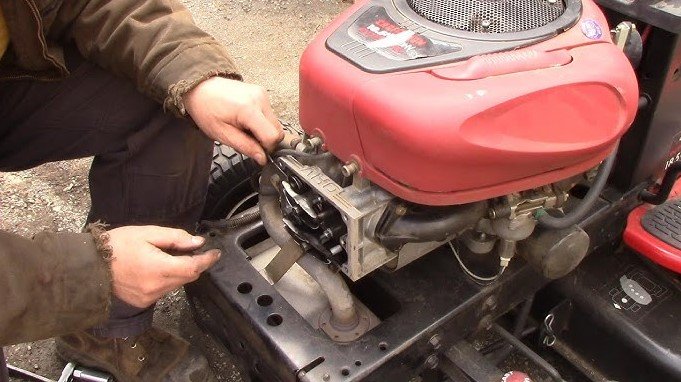
If you find that your lawn mower battery keeps dying, the culprit is often a faulty charging system, a parasitic electrical drain, or simply an old battery reaching the end of its life. By performing a few simple diagnostic tests with a multimeter, you can identify the root cause and restore your mower to perfect working order.
There is nothing quite as frustrating as heading out to mow the grass on a sunny Saturday afternoon, only to turn the key and hear that pathetic, hollow click. You know the sound. It is the universal sign that your lawn mower battery keeps dying, and your plans for a manicured lawn have just hit a major snag.
We have all been there, standing in the garage wondering why this machine which worked perfectly two weeks ago now refuses to cooperate. In 2026, our outdoor power equipment is more reliable than ever, but batteries remain a weak point. Whether you are dealing with a ride-on mower, a garden tractor, or a zero-turn beast, the symptoms are usually similar.
Your lawn mower battery keeps dying because something in the electrical chain has broken. It might be a charging issue, a storage mistake, or simply the natural process of aging. The good news is that troubleshooting this problem is well within the reach of most DIY homeowners. You do not need to be a certified mechanic to get your mower back to life.
Key Takeaways
- Battery Age: Most lawn mower batteries only last 3 to 5 years before they stop holding a reliable charge.
- Charging System Issues: A faulty alternator or voltage regulator will fail to recharge the battery while the engine is running.
- Parasitic Drains: Forgotten lights or corroded wiring can slowly sap power from your battery even when the mower is parked.
- Terminal Corrosion: Build-up on battery terminals prevents electricity from flowing, making it seem like the battery is dead.
- Loose Connections: Vibrations from the engine can shake wires loose, preventing the starter from getting the power it needs.
- Cold Weather Storage: Leaving a battery in a freezing garage over the winter can permanently damage its chemical capacity.
1. The Anatomy of a Mower Battery Problem
To understand why your lawn mower battery keeps dying, we first need to look at how the system works. Your mower uses a 12-volt battery to engage the starter solenoid. Once the engine kicks over, a small alternator or stator under the engine shroud creates electricity. This current travels through a voltage regulator, which converts it back into a manageable charge to “top off” the battery while you cut your grass.
Is the Battery Truly Dead?
Before you rush to the store to buy a new one, you need to verify if the battery is truly dead or just “dead on arrival.” Sometimes, a battery looks fine but has a loose connection. Vibration is the enemy of all machinery.
If the bolt holding the ground wire to the frame is loose, or the positive terminal is wiggling, the circuit cannot complete. Always give those connections a firm tug and check for that white, crusty corrosion that acts like an insulator.
The Life Cycle of a Lead-Acid Battery
Most standard lawn mower batteries are lead-acid units. They are not designed to last forever. If your battery is more than four years old, it might simply be unable to hold a charge anymore.
Over time, the internal lead plates become covered in sulfate crystals. When this happens, the battery loses its capacity to store energy. It is like trying to fill a bucket with a hole in the bottom; no matter how long you charge it, it will eventually empty out.
2. Troubleshooting the Charging System
If you have a fresh battery but your lawn mower battery keeps dying after a few uses, the problem isn’t the battery – it’s the charging system. The battery is just a storage vessel. If your alternator isn’t filling that vessel back up while the engine is running, the battery will run out of juice every single time you start the machine.
Visual guide about Why Does My Lawn Mower Battery Keep Dying
Image source: i.ytimg.com
Testing with a Multimeter
A digital multimeter is the best friend of any mower owner. Set your meter to DC volts and touch the probes to the battery terminals while the engine is off. You should see about 12.6 volts. Now, start the engine and keep it at a moderate throttle. If the voltage jumps to between 13.5 and 14.5 volts, your charging system is working correctly. If the voltage stays the same or drops, your alternator or stator is failing.
The Role of the Voltage Regulator
Think of the voltage regulator as the gatekeeper of your electrical system. It takes the raw, fluctuating power coming from the engine and smooths it out so it doesn’t “fry” your electronics. If this little box goes bad, it can either stop charging the battery entirely or, worse, overcharge it, which causes the battery to swell or leak. If your battery feels hot to the touch after a short run, you likely have a faulty regulator.
3. Hunting for Parasitic Power Drains
Sometimes, the battery is fine, and the charging system is perfect, yet your lawn mower battery keeps dying overnight. This is almost always caused by a parasitic drain. A parasitic drain is an electrical “leak” where current continues to flow even when the key is turned to the off position. It is the equivalent of leaving the interior light on in your car for a week.
Common Culprits of Hidden Drains
In modern 2026 mower models, there are many electronic safety sensors, digital displays, and perhaps even GPS-enabled tracking or smart-features. If a relay gets “stuck” in the closed position, it keeps sending power to a component that should be powered down. Check your hour meter, your headlights, and even your PTO (Power Take-Off) switch. If any of these are staying “live,” they will drain a small mower battery to zero in a matter of days.
How to Test for a Drain
Disconnect the negative cable from your battery. Set your multimeter to “Amps” or “milliamps.” Place one probe on the battery post and the other on the loose wire end. If the meter shows a reading higher than a few milliamps, something is pulling power from the system. You can then pull fuses one by one until the reading drops to zero to identify exactly which circuit is causing the drain.
4. The Importance of Proper Battery Maintenance
The biggest reason owners ask “why does my lawn mower battery keep dying” is simply neglect. We treat our mowers like workhorses, ignoring them until they break. However, a small amount of preventative care can easily double the lifespan of your battery.
Keeping Terminals Clean
Corrosion is a sneaky thief. It builds up on the terminals and creates high resistance. High resistance means the starter has to work harder, pulling more amperage than necessary. Use a simple mixture of baking soda and water with a wire brush to scrub the terminals once a season. It takes five minutes and keeps the electrical path clear.
Winter Storage Rules
If you live in a climate where you don’t mow for four or five months of the year, that battery is in danger. When a lead-acid battery sits in the cold, its chemical reaction slows down. Eventually, it can freeze, which physically cracks the internal plates.
Always disconnect your battery for the winter. Better yet, keep it on a “smart trickle charger” in a climate-controlled space like a basement or shed. This keeps the battery “exercised” and ready for the first mow of spring.
5. When to Replace the Battery
Even with perfect care, there comes a time when you must admit defeat. If you have cleaned the terminals, confirmed the charging system is functional, and verified that there is no parasitic drain, yet your lawn mower battery keeps dying, it is time for a replacement.
Choosing the Right Replacement
Don’t just buy the cheapest battery on the shelf. Look for the Cold Cranking Amps (CCA) rating. This indicates how much “oomph” the battery has to turn over the engine. If you live in a colder climate or have a larger engine, look for a higher CCA rating.
Ensure the physical dimensions match your battery tray, and always double-check the terminal orientation positive and negative sides vary by brand, and you don’t want to get home and realize your cables won’t reach.
Eco-Friendly Disposal
Remember that mower batteries are full of lead and acid. They are hazardous waste. Do not throw them in your regular trash. Most hardware stores and automotive shops have a battery recycling program. When you buy your new battery, take the old one with you. Many stores will even offer a “core charge” refund, giving you money back for returning the old casing.
Conclusion
Solving the mystery of why your lawn mower battery keeps dying is really just a process of elimination. Start with the simplest things: check for loose wires and clean up that nasty corrosion. Move on to using your multimeter to check the battery’s resting voltage and the charging system’s output. By approaching this logically rather than guessing, you save time, money, and frustration.
Most of the time, you will find that a clean connection or a simple battery replacement solves the issue immediately. Keep these tips in mind as you head into the 2026 mowing season. A well-maintained electrical system means a mower that starts on the first turn of the key every single time. Enjoy your perfectly mowed lawn, and rest easy knowing you have the skills to keep your equipment running smooth.
Frequently Asked Questions
How do I know if my mower battery is bad?
A bad battery often fails to hold a charge even after a full day on the charger, or it may look physically swollen or cracked. You can use a multimeter to check the voltage; if it reads significantly below 12 volts after charging, it likely has a dead cell.
Can I jump-start my lawn mower with a car?
Yes, you can jump-start a mower with a car, but be very careful. Ensure the car’s engine is turned OFF to prevent the high-output car alternator from damaging the mower’s smaller electrical components.
How often should I replace my mower battery?
Most lawn mower batteries last between three and five years depending on how well they are maintained. If you live in an area with harsh winters and don’t store your battery properly, you may need to replace it sooner.
Why is my battery getting hot while charging?
A battery that gets hot while charging is often suffering from an internal short circuit or is being overcharged by a faulty voltage regulator. Stop charging immediately and inspect the system, as this can be a fire hazard.
What is a parasitic drain on a lawn mower?
A parasitic drain is an electrical issue where a component continues to draw power from the battery even when the ignition switch is off. This is usually caused by a faulty relay, a shorted wire, or a stuck electrical switch.
Does mowing for short periods hurt the battery?
Yes, short mowing sessions can prevent the alternator from fully recharging the battery after the initial high-drain start. If you only mow for 5-10 minutes at a time, consider using a trickle charger once a month to keep the battery topped up.