
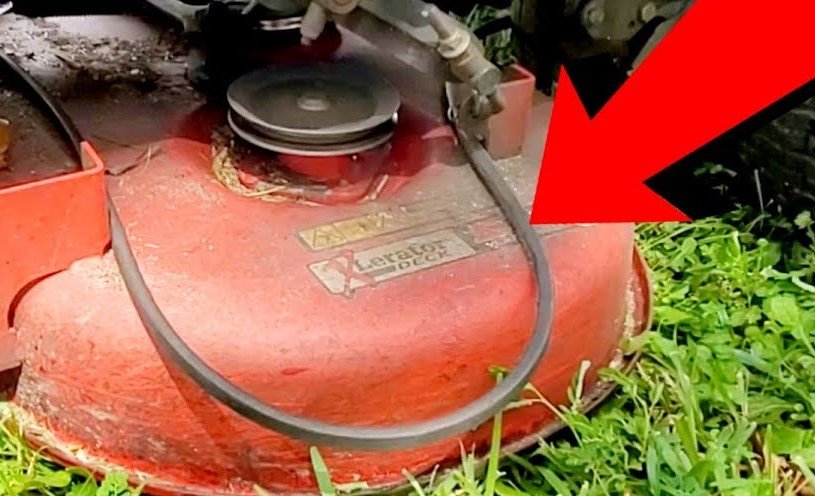
If your lawn mower belt keeps coming off, it is usually due to a stretched belt, worn-out pulleys, or incorrect tension settings. By checking these key components regularly, you can prevent frustrating mid-mow breakdowns and keep your equipment running smoothly all season long.
There is nothing quite as annoying as heading out to tackle the yard on a beautiful Saturday morning, only to have your mower grind to a halt five minutes in. You pull it back to the garage, peek underneath, and realize the drive belt is dangling uselessly by the side.
If you have found yourself asking, why does my lawn mower belt keep coming off, you are certainly not alone. It is one of the most common mechanical headaches homeowners face when maintaining their lawn equipment in 2026.
The good news is that this problem is usually fixable without needing a professional mechanic. Most of the time, the issue stems from simple wear and tear or a lack of basic maintenance.
When a mower belt keeps coming off, it is essentially the machine’s way of telling you that something is out of balance, stretched, or clogged. Let’s walk through the troubleshooting process together so you can get back to mowing without the constant fear of a breakdown.
Key Takeaways
- Belt Wear: Over time, belts stretch and lose their grip, making them prone to slipping off the pulleys.
- Pulley Misalignment: If your pulleys are bent or loose, the belt will not stay seated in the groove.
- Debris Buildup: Grass clippings and twigs can force the belt off if they pack into the pulley housing.
- Spring Tension: A weak or broken tension spring is a common culprit for a mower belt that keeps coming off.
- Spindle Issues: Worn-out bearings in your mower spindles can cause the pulleys to wobble under pressure.
- Correct Replacement: Always use the exact manufacturer-specified belt size to ensure a perfect fit for your deck.
Understanding How Your Mower Belt Works
Before we dive into the repairs, it helps to understand what the belt actually does. In most modern mowers, the engine turns a drive pulley, which sends power to the mower deck. The belt acts as the bridge between that power source and the blades themselves. It operates under a significant amount of tension and heat, which is why it has to be in perfect condition to stay on the track.
The Role of Tension
Tension is the secret ingredient that keeps everything moving. Your mower deck is designed with a spring-loaded idler pulley that pushes against the belt to keep it taut. If that tension is lost even just a little bit the belt begins to flop around. Once it starts flopping, it is only a matter of time before it hops off the pulley entirely. Think of it like a rubber band; if you stretch it just enough, it stays put, but if you let it go slack, it falls right off.
The Pulley System
Pulleys act as the guides for your belt. They have deep grooves designed to cradle the belt and keep it moving in a straight line. If the pulleys are misaligned, dirty, or worn, the belt has no choice but to wander away from its intended path. Understanding this relationship between the belt, the tension, and the pulley grooves is the first step toward solving the mystery of the falling belt.
Check Your Belt for Wear and Stretch
The most common reason a mower belt keeps coming off is simply that the belt is old. Belts are made of rubber compounds that naturally break down over time. As they age, they harden, crack, and most importantly they stretch. When a belt stretches, it becomes longer than the original design intended. This makes it impossible for the idler pulley to apply enough tension to keep it seated.
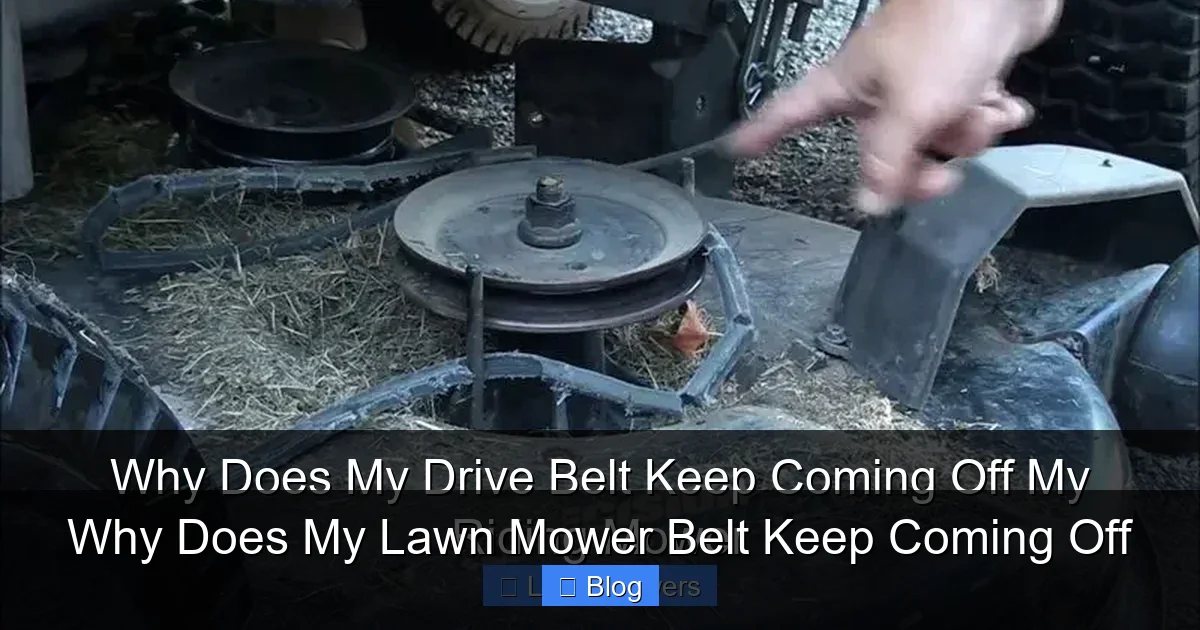
Visual guide about Why Does My Lawn Mower Belt Keep Coming Off
Image source: toplawnmower.com
Signs of a Worn-Out Belt
Take a close look at your belt. If you see cracks along the underside, fraying on the edges, or if the belt looks shiny and “glazed” rather than matte black, it is time for a replacement. A glazed belt has lost its friction coefficient, meaning it slips on the pulleys instead of gripping them. If you pull on the belt and it feels loose or hangs with more than half an inch of “give,” it has definitely stretched beyond its useful life.
The Importance of OEM Parts
When you go to buy a replacement, you might be tempted to pick up a generic belt from the local hardware store. Resist the urge! Manufacturers design specific belts for their decks. A “close enough” size is often a recipe for disaster. Using the exact OEM (Original Equipment Manufacturer) part ensures that the thickness, width, and material composition are perfectly matched to your specific mower model.
Inspecting Pulleys and Spindles
If your belt is brand new and still coming off, the problem lies elsewhere. Pulleys are often overlooked, but they are crucial for keeping the belt on track. Over years of use, the metal or plastic pulleys can become damaged. You should check each pulley on your mower deck for any signs of physical deformity or looseness.
How to Check for Alignment
With the engine off and the spark plug wire disconnected for safety, try wiggling each pulley with your hand. There should be almost zero lateral movement. If a pulley wobbles, the bearing inside the spindle has likely failed. A wobbling pulley creates a “wavy” path for the belt, which forces it to jump off the track the moment the mower hits a patch of thick grass or turns a corner.
Cleaning the Pulley Grooves
Debris is another major offender. If you mow in the early morning while the grass is still damp, clippings tend to clump and stick to everything. Sometimes, these clumps get pushed into the pulley grooves. This buildup pushes the belt upward, effectively “lifting” it out of its seating. Take a screwdriver or a small brush and clean out every single pulley groove to ensure the belt sits deep inside where it belongs.
The Tensioner System and Springs
If the belt is good and the pulleys are clean, we need to look at the tensioning mechanism. The spring-loaded idler pulley is what keeps the belt tight while the mower is in operation. If the spring itself has become weak, rusted, or stretched, it cannot pull the idler pulley tight enough against the belt.
Testing the Idler Arm
Locate the idler arm – it is usually a pivoting piece of metal that holds the tensioner pulley. Try to move it by hand. It should move with some resistance and snap back into place when you let go. If the arm is seized up with rust or grass, it will remain stuck in one position. Even a small amount of resistance in the pivot point can prevent the spring from doing its job.
Replacing the Tension Spring
Sometimes the fix is as simple as replacing a two-dollar spring. Over time, these springs lose their “bounce.” If you find that the tensioner isn’t putting much pressure on the belt, check the spring. If it looks overstretched or has visible gaps between the coils, it is time for a new one. This is often the cheapest fix for a belt that keeps slipping off.
Deck Leveling and Obstructions
Your mower deck is the foundation of the entire cutting process. If the deck itself is damaged or misaligned, the angle of the pulleys can change. This is especially common if you have accidentally hit a rock or a tree stump. A bent deck bracket or a misaligned spindle housing can throw the pulleys out of parallel.
Checking for Bent Brackets
Look at your mower from the front. Is the deck sitting level? If it appears tilted or skewed, the belt will naturally pull toward the low side, increasing the tension on one edge of the belt and causing it to slide off the pulleys. If you find a bent bracket, you may need to straighten it or replace it to restore the proper alignment.
The Danger of Hidden Obstacles
Have you been mowing over gravel, sticks, or uneven terrain? These items can get kicked up into the deck housing. Sometimes, a stick can get lodged between the belt and the pulley. It might not be enough to stop the mower, but it is enough to nudge the belt out of the groove. Always perform a quick visual inspection of the area beneath the deck before and after you mow.
Maintenance Tips for 2026 and Beyond
Prevention is the best way to handle this issue. In 2026, many homeowners are using mowers that are a few years old, meaning maintenance is more important than ever. By following a few simple steps, you can avoid the headache of a slipping belt entirely.
Create a Regular Cleaning Schedule
After every few mows, take five minutes to scrape out the deck. Use a putty knife or a dedicated deck scraper to remove the accumulation of grass and mud. Not only does this keep the belt and pulleys clean, but it also prevents the deck from rusting prematurely.
Lubrication and Inspection
Make it a habit to check the tensioner pivot point once a month. A small shot of lubricant or grease—depending on your mower’s service manual—can keep the arm moving freely. While you are down there, do a “shake test” on all the pulleys. Finding a loose pulley before it causes a belt failure can save you a lot of time and money in the long run.
Final Thoughts on Belt Safety
Always, and I mean always, disconnect the spark plug wire before you put your hands anywhere near the pulleys or the belt. It is the golden rule of mower maintenance. Your mower is a powerful machine, and your safety is more important than a tidy lawn.
If you have checked your belt, cleaned your pulleys, and verified your tension springs, and the belt still keeps coming off, there may be a deeper issue with the spindle bearings. In those rare cases, don’t be afraid to take it to a professional. There is no shame in asking for help when the machine is being particularly stubborn!
Remember, a lawn mower that keeps throwing its belt is just a machine that needs a little bit of love. By diagnosing the issue systematically, you can solve the problem and keep your yard looking sharp all season long. You’ve got this!
Frequently Asked Questions
Why does my lawn mower belt keep coming off right after I put a new one on?
If a new belt pops off immediately, it is often because it was installed incorrectly or the pulleys are misaligned. Double-check that the belt is seated firmly in every pulley groove and that it isn’t routed over or under a guide incorrectly.
Can grass clippings really cause a mower belt to fall off?
Yes, absolutely! When grass clippings and mud build up inside the pulleys, they take up the space where the belt is supposed to sit, which pushes the belt out of the groove.
How do I know if my mower belt is the right size?
You can check the owner’s manual for the specific part number or look for the model number on the frame of your mower. Always purchase belts by the specific manufacturer part number rather than just measuring the old, stretched-out belt.
Is it dangerous to keep mowing when the belt keeps slipping?
You should stop immediately if the belt begins to slip. A slipping belt creates intense heat through friction, which can melt the belt, damage the plastic pulley covers, or even start a small fire in the dry grass.
How often should I replace my lawn mower drive belt?
Most manufacturers recommend inspecting the belt every 50 hours of use. If you notice cracking, fraying, or excessive stretching, it should be replaced regardless of how many hours are on it.
Do I need special tools to change a mower belt?
In most cases, you only need a socket set and a way to release the tension on the idler pulley, such as a long wrench or a dedicated tensioner tool. Refer to your owner’s manual for the specific procedure for your model.