
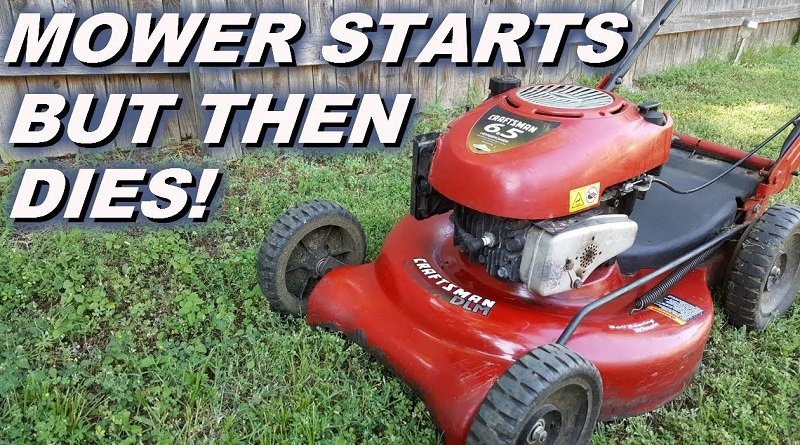
If your lawn mower starts and then immediately dies, the culprit is usually a disrupted flow of fuel, air, or a safety mechanism. By checking your fuel quality, air filter, and spark plug, you can often restore your machine to perfect working order without needing a professional mechanic.
There is nothing quite as frustrating as stepping out on a Saturday morning, eager to tackle the yard, only to have your lawn mower start then turn off within seconds. You pull the cord, hear that satisfying roar of the engine, and just as you prepare to engage the blades, the machine falls silent. It feels like a cruel joke, but rest assured, you are not alone. This is one of the most common dilemmas homeowners face, and in most cases, the solution is much simpler than you think.
By 2026, lawn mower technology has become more refined, yet the fundamental principles of internal combustion remain the same. To keep your grass looking pristine, your mower requires three basic things: fuel, air, and a consistent spark. When one of these elements is interrupted, the engine simply gives up. Let’s walk through the diagnostic process together so you can get back to mowing in no time.
Key Takeaways
- Fuel Issues: Old or contaminated gasoline is the most frequent reason a mower starts and then dies.
- Airflow Obstructions: A clogged air filter prevents the engine from “breathing,” leading to an automatic stall.
- Safety Interlocks: Damaged sensors or loose debris near the blade engagement lever can trigger an emergency shut-off.
- Spark Plug Health: A fouled or loose spark plug may provide just enough fire to start the engine but not enough to sustain it.
- Ventilation Problems: A clogged gas cap vent creates a vacuum in the fuel tank, starving the engine of gasoline.
The Fuel System: The Lifeblood of Your Mower
When asking why does my lawn mower start then turn off, the fuel system should be your first stop. Modern gasoline, especially blends with ethanol, can break down surprisingly fast. If your mower has been sitting for a few months, the fuel currently in the tank might have already degraded.
Old Gasoline and Ethanol
Gasoline can start to gum up and lose its volatility in as little as 30 days. When this “stale” fuel reaches the carburetor, it creates deposits that clog the tiny jets required to keep the engine running smoothly. If your mower starts on the priming charge but dies immediately after, it is a classic sign that the engine cannot draw new fuel from the tank.
Checking the Fuel Cap Vent
Sometimes the problem isn’t the fuel itself, but the way it moves. Your gas cap has a tiny vent that allows air into the tank as fuel is used. If that vent becomes clogged with dirt or debris, a vacuum forms inside the tank. The engine starts fine because there is enough fuel in the line, but as that small amount is consumed, the vacuum prevents more fuel from flowing. Try loosening the cap slightly; if the mower stays running, you just need a new gas cap!
Air Filters: Helping Your Engine Breathe
Just like humans, engines need to breathe. If your air filter is dirty, the engine cannot get the proper air-to-fuel ratio required to keep the combustion cycle going. A mower that starts and then dies is often literally “choking” on its own exhaust or struggling for air intake.
Visual guide about Why Does My Lawn Mower Start Then Turn Off
Image source: i.ytimg.com
When to Clean or Replace
If you haven’t checked your filter this season, do it now. Paper filters should be replaced if they look gray or brownish. Foam filters can often be washed in warm, soapy water, dried thoroughly, and re-oiled. If you live in a particularly dusty environment, you should check this every few mows to prevent premature stalling.
Air Leaks in the System
On the flip side, too much air can also be an issue. Check the gaskets around the carburetor. If a seal is cracked, “unmetered” air enters the engine, throwing off the fuel mixture. This can lead to a rough idle and an engine that quits as soon as it tries to pull a load.
Spark Plug Issues: The Hidden Culprit
The spark plug is responsible for the ignition that keeps your machine moving. A spark plug that is “fouled” or covered in carbon deposits might work just well enough to give you a quick burst of power, but it fails under the stress of continuous operation.
Signs of a Faulty Plug
Look for signs of black soot or a buildup of oily residue on the tip of the plug. While you can clean a plug with a wire brush, they are inexpensive parts. Replacing the spark plug annually is one of the cheapest and most effective forms of preventative maintenance you can perform in 2026.
Loose Connections
Before you toss the old plug, ensure the spark plug wire is snapped on tightly. Sometimes vibration from the engine can cause the wire to work itself loose, leading to an intermittent connection that causes the engine to cut out unexpectedly.
Safety Interlocks and Sensors
Modern mowers are equipped with various safety sensors, including seat switches, blade engagement levers, and bag sensors. If a sensor detects that the grass catcher is missing or the blade lever is positioned incorrectly, the machine is programmed to shut down instantly to prevent injury.
Inspecting the Safety Switches
If your mower starts then turns off as soon as you shift it into gear, check for grass clippings or sticks lodged around the safety switches. Even a small buildup of debris can prevent a switch from engaging fully, tricking the computer into thinking it is unsafe to run. Use a can of compressed air to clear out the tight spaces near the levers and switches.
Carburetor Clogs: The Deep Clean
If you have checked the fuel, air, and spark and the problem persists, the carburetor is likely the culprit. This is where fuel and air mix. If you have let the mower sit for a long winter with fuel in the tank, the carburetor jets are likely gummed up.
Should You DIY or Call a Pro?
Cleaning a carburetor involves removing it, taking it apart, and ensuring every tiny port is clear of obstructions. If you are comfortable with basic mechanical work, there are plenty of tutorials available. However, if the thought of tiny springs and gaskets intimidates you, it is perfectly fine to have a local shop perform a carburetor cleaning. It will save you hours of frustration and ensure the machine is calibrated correctly.
Fuel Additives
To prevent this in the future, always add a fuel stabilizer to your gas can at the beginning of the season. This helps keep the fuel fresh and prevents the gumming that causes carburetor failures in the first place.
Conclusion
Dealing with a mower that keeps quitting is a rite of passage for every homeowner. By systematically checking the fuel quality, air intake, spark plug, and safety sensors, you can resolve most issues without a trip to the repair shop. Remember, engines are machines that appreciate routine care. Keeping your fuel fresh, changing your filters, and keeping the unit clean will go a long way in ensuring your mower stays running from the first pull to the last patch of grass.
Don’t let a little stalling stop your weekend plans. Armed with these tips, you now have the knowledge to troubleshoot why your lawn mower starts then turns off. With a bit of patience and a few simple tools, you will have your lawn looking sharp again in no time!
Frequently Asked Questions
Why does my mower start then immediately die?
This is most often caused by stale fuel clogging the carburetor or a dirty air filter that prevents the engine from getting enough air. Check your fuel quality first, as it is the most common issue.
Does old gas really ruin my lawn mower?
Yes, ethanol-based gasoline begins to degrade within weeks, leaving behind gummy deposits that block the small passages in your carburetor. Always use a fuel stabilizer to keep your gas fresh throughout the season.
How often should I replace my spark plug?
It is recommended to replace your spark plug at least once every season. A fresh plug ensures a strong, consistent spark that helps your mower start easily and stay running under load.
What should I do if the gas cap vent is clogged?
If the vent is clogged, try cleaning it with a soft brush or compressed air. If the issue persists, replace the gas cap, as these are very inexpensive and crucial for proper fuel flow.
Can a loose spark plug wire cause stalling?
Absolutely. If the spark plug wire is not making a solid connection, engine vibrations can cause the ignition to cut out intermittently, leading to the mower starting and then dying.
Should I use a fuel additive?
Yes, using a high-quality fuel stabilizer in your gasoline storage can prevent moisture buildup and fuel degradation. It is a simple step that significantly increases the lifespan of your mower’s engine.