
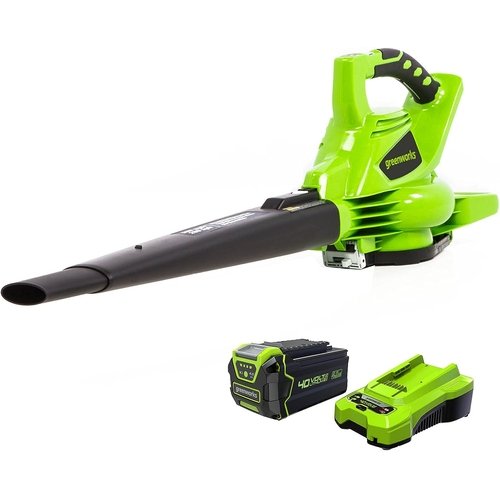
Yes, cordless leaf vacuums are good for many U.S. homeowners, but they are not the best tool for every yard. They work well for dry leaves on patios, decks, driveways, small lawns, and flower beds. They are quiet, easy to start, and free from gas, cords, and fuel mixing.
Their limits are just as clear. Battery leaf vacuums may struggle with wet leaves, heavy piles, sticks, acorns, and large lots. Runtime also depends on the battery size, tool speed, leaf load, and outdoor conditions.
For most buyers, the best answer is simple:
- Choose a cordless leaf vacuum for small or medium cleanup jobs.
- Choose a corded or gas model for long jobs and large piles.
- Use a blower first, then vacuum only where collecting and mulching leaves saves time.
- Check the manual before vacuuming anything other than dry leaves and light yard debris.

What Is a Cordless Leaf Vacuum?
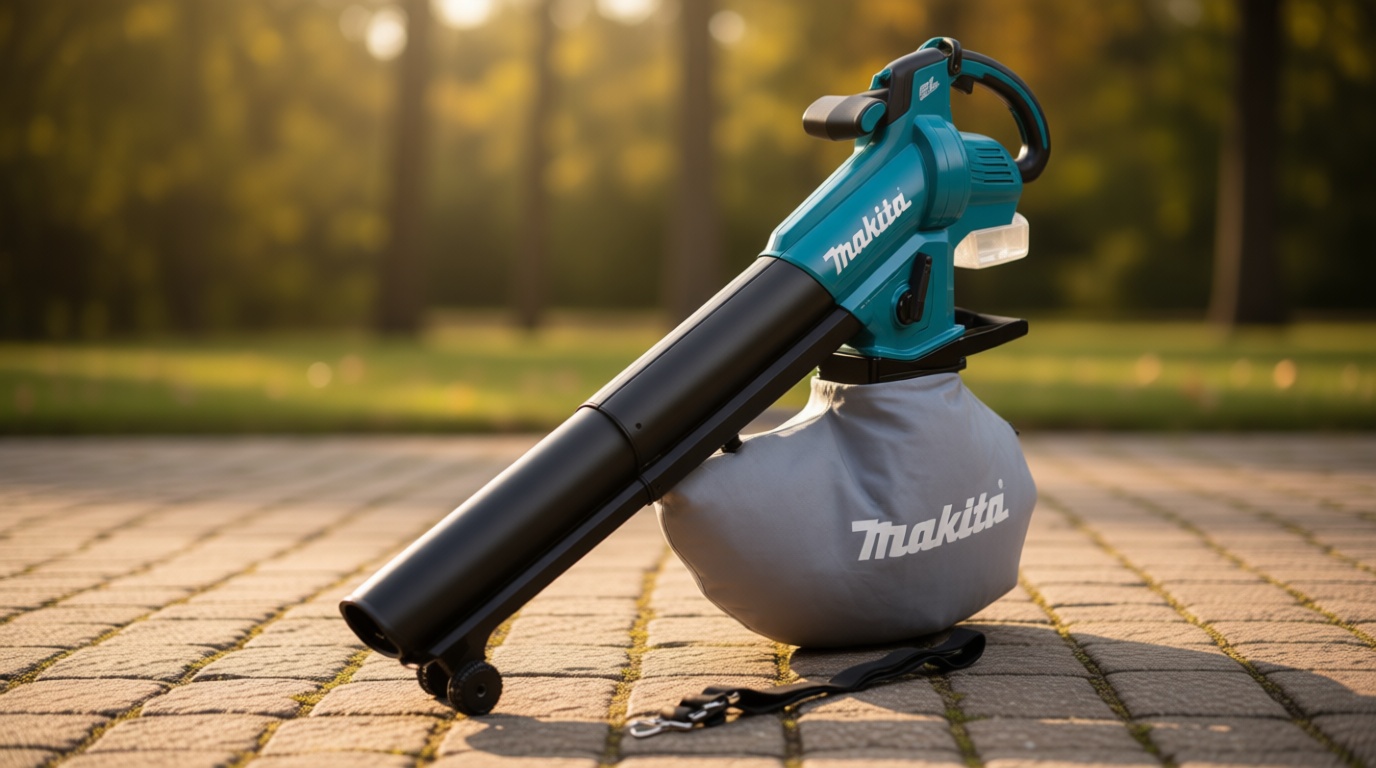
A cordless leaf vacuum is a battery-powered yard tool that pulls leaves through an intake tube. Many models also include a blower mode and a mulching function.
The three common functions are:
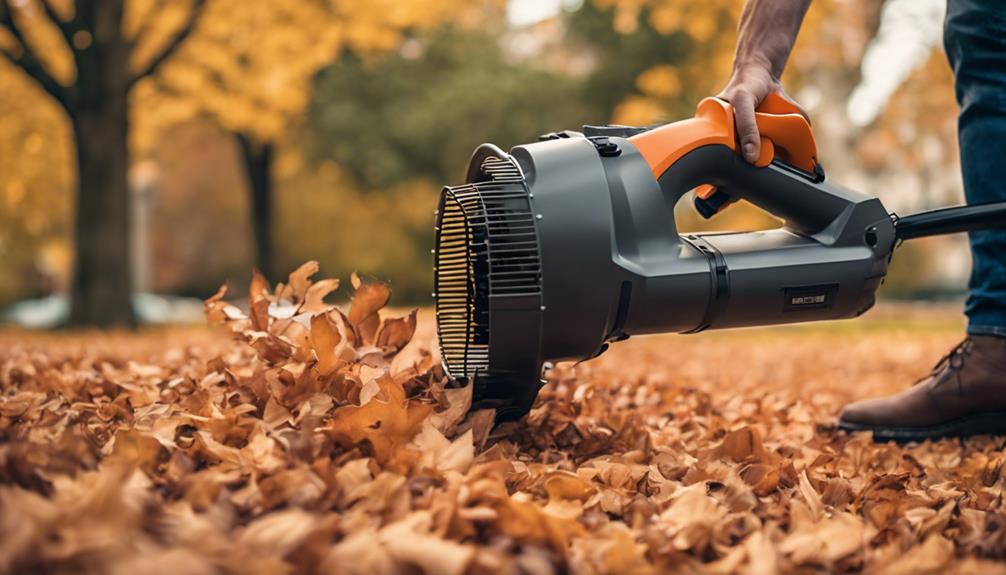
- Blower: Moves leaves into a pile.
- Vacuum: Pulls leaves into a bag or collection tube.
- Mulcher: Breaks leaves into smaller pieces before they enter the bag.
A leaf vacuum is not the same as a wet/dry shop vacuum. It is made for outdoor leaf cleanup. Most models are designed for dry leaves and light plant debris, not water, mud, rocks, or large branches.
Cordless leaf vacuum vs. leaf blower
A blower moves debris. A vacuum collects it.
A blower is usually faster for clearing:
- Open lawns
- Long driveways
- Sidewalks
- Large piles
- Dry grass clippings
A vacuum is more useful when you want to:
- Gather leaves into a bag
- Clean tight spaces
- Remove leaves from gravel or mulch
- Shred leaves for compost
- Avoid creating a pile that you must rake later
Many cordless tools combine both functions. This can reduce the number of yard tools you need, but combination tools may not match the power of a dedicated blower or dedicated vacuum.
Are Cordless Leaf Vacuums Powerful Enough?
Cordless leaf vacuums are powerful enough for routine residential cleanup, especially when leaves are dry and loose. They are less effective when leaves are soaked, packed down, or mixed with heavy debris.
Battery tools have improved because modern lithium-ion battery packs can provide strong power without an extension cord. Still, a cordless motor must balance power with battery life. Higher speed may clear leaves faster, but it also drains the battery sooner.
Look at both air volume and air speed:
- CFM measures the volume of air moved.
- MPH measures the speed of the air.
- Neither number alone tells you how well the tool will vacuum real leaves.
A high MPH figure can sound impressive, but a tool also needs enough air volume and a well-designed intake tube to pull leaves into the machine. Manufacturers may also measure performance under different test conditions. Compare numbers from the same brand and product line with care.
What cordless models handle well
Most cordless leaf vacuums are well suited to:
- Dry maple, oak, and similar leaves
- Small piles
- Leaves on hard surfaces
– Leaves caught around shrubs - Light pine needles
- Dry grass clippings, if the manual allows them
- Leaf mulch for garden beds or compost
What can slow or stop them
Performance drops when the material is:
- Wet
- Thick and compact
- Mixed with soil
- Full of twigs
- Covered with stones or acorns
- Stuck in long grass
- Frozen or partly decomposed
Wet leaves are a common problem. They are heavier, cling to the tube, and can block the impeller or bag. If rain has passed through your area, waiting for the leaves to dry may make the job much easier.
How Long Does a Cordless Leaf Vacuum Run?
A cordless leaf vacuum may run for a short cleanup session or several sessions, depending on the battery and work conditions. Exact runtime is difficult to predict because manufacturers often test batteries under controlled conditions.
Runtime changes with:
- Battery voltage and amp-hour rating
- Motor speed
- Blower or vacuum mode
- Leaf weight
- Airflow blockage
- Temperature
- Battery age
- Use of the same battery in other tools
A battery marked 5.0 amp-hours (Ah) stores more energy than one marked 2.0 Ah within the same voltage system. It will often run longer, though tool design and power demand still matter.
A simple estimate can help:
Estimated runtime = battery energy ÷ average tool power
For example, a 40-volt, 5-Ah battery stores about 200 watt-hours in theory:
40 volts × 5 amp-hours = 200 watt-hours
Real usable energy is lower. Motor demand also changes during use. Treat this as a planning tool, not a guarantee.
How to plan for a larger yard
If one battery will not finish the job, you can:
- Buy a second battery
- Use a larger battery from the same tool platform
- Work in smaller sections
- Blow leaves into smaller piles
- Empty the collection bag often
- Wait for leaves to dry
- Use a rake for dense piles
For a large suburban property, battery cost can change the value of the tool. The vacuum may be affordable by itself, but extra batteries and a charger can add a large part of the total cost.
Cordless Leaf Vacuum Pros and Cons
Cordless leaf vacuums offer real benefits, but they also involve trade-offs.
Main advantages
Easy starting: Pressing a trigger or button is simpler than starting a gas engine.
No fuel or exhaust: You do not need gasoline, oil, or fuel storage. The tool also produces no tailpipe exhaust during use.
Less noise: Battery models are often quieter than gas equipment, though hearing protection may still be wise.
No power cord: You can work around trees, fences, patios, and the far side of a yard without managing an extension cord.
Lower routine maintenance: There is no spark plug, carburetor, fuel filter, or engine oil to service.
Good control: A cordless tool is useful for small areas where a large blower would feel excessive.
Main disadvantages
Limited runtime: A single battery may not cover a long cleanup.
Battery cost: Replacement batteries can be expensive.
Lower heavy-duty capacity: Dense, wet, or large leaf piles can overwhelm smaller tools.
Collection bag limits: The bag may fill quickly when leaves are not well mulched.
Clogs: Wet material and sticks can block the tube or impeller.
Battery aging: Lithium-ion batteries lose capacity over time and may eventually need replacement.
Seasonal storage needs: Batteries should be stored as directed by the manufacturer. Extreme heat, freezing conditions, and moisture can shorten battery life or create safety risks.
Cordless vs. Corded vs. Gas Leaf Vacuums
The best power source depends on your yard size, cleanup time, and tolerance for maintenance.
| Type | Best for | Main strength | Main drawback |
|---|---|---|---|
| Cordless | Small and medium U.S. yards | Quiet, mobile, easy to start | Battery runtime |
| Corded electric | Small yards near an outlet | Continuous power | Extension cord limits movement |
| Gas | Large yards and heavy piles | Long work time and strong output | Noise, fuel, exhaust, and maintenance |
| Walk-behind vacuum | Large leaf collection jobs | Handles more material | Larger, costlier, and harder to store |
A cordless model is often the best middle option. It offers more freedom than a corded tool and less maintenance than a gas machine.
A gas model may still make sense when you have a large lot, frequent heavy leaf fall, or many mature trees. A corded model can be practical for a small yard with an outdoor outlet and little concern about managing the cord.
Do Cordless Leaf Vacuums Pick Up Wet Leaves?
Most cordless leaf vacuums work best with dry leaves. Wet leaves may be picked up in small amounts, but they can reduce suction, clog the tube, and make the collection bag heavy.
Before vacuuming after rain:
- Check the product manual.
- Let the leaves dry if possible.
- Remove sticks, stones, and large debris.
- Start with a small test area.
- Stop if the tube clogs or the motor sounds strained.
- Disconnect the battery before clearing a blockage.
Do not assume that a tool rated for “yard debris” can safely handle mud, standing water, or saturated organic waste. Water and electrical components are a poor combination, even when the motor is outdoors.
Can a Cordless Leaf Vacuum Pick Up Sticks and Acorns?
Small, light debris may be acceptable if the manufacturer allows it. Larger sticks, stones, metal, glass, and thick acorns can damage the impeller or create a dangerous projectile hazard.
Clear the area before vacuuming. A quick rake or visual check can prevent expensive damage.
Avoid vacuuming:
- Rocks and gravel
- Glass
- Metal
- Wire
- Large sticks
- Pine cones, unless approved by the manual
- Pet waste
- Standing water
- Soil and mulch in large amounts
A mulcher is not a wood chipper. If the intake tube cannot pass the material easily, do not force it into the tool.
How Much Leaf Mulching Do You Need?
Leaf mulching can reduce the volume of material in the bag. It can also make leaves more useful for compost or garden beds.
The stated reduction ratio is usually a manufacturer specification. Actual results vary with leaf type, moisture, and how full the bag becomes. A dry, thin leaf may shred more easily than a wet oak leaf or a pine cone.
Mulching helps most when:
- Leaves are dry
- The pile is loose
- The tool has a clear intake
- You empty the bag before it becomes packed
- The leaves are suitable for the tool
Do not use the claimed ratio as a direct promise of bag capacity. A “10-to-1” claim does not mean every ten bags of mixed yard waste will fit into one bag after use.
For compost, shredded leaves break down more quickly because smaller pieces have more surface area. Keep leaves free of plastic, trash, and treated materials.
How to Use a Cordless Leaf Vacuum Safely
Read the manual for your exact model before use. Product design, battery type, intake rules, and protective equipment can differ.
Before starting
- Inspect the tool, tube, bag, and battery.
- Check that guards and covers are secure.
- Remove stones, wire, toys, and branches from the work area.
- Keep children and pets away.
- Wear eye protection.
- Use hearing protection if the sound level is uncomfortable.
- Wear sturdy shoes and clothing that will not catch in the intake.
- Do not use the tool in rain unless the manual clearly permits it.
During use
- Keep hands, hair, and loose clothing away from the intake.
- Hold the tool as the manual shows.
- Watch for people, windows, vehicles, and fragile plants.
- Stop if the motor vibrates, smells hot, or loses power.
- Do not bypass a safety switch.
- Do not carry the tool with a finger on the trigger.
- Keep the battery and electrical contacts dry.
When clearing a clog
Turn the tool off and remove the battery before reaching near the tube, impeller, or housing. Do not rely only on releasing the trigger. Some machines may hold moving parts briefly after shutoff.
Use a tool or method listed in the manual. Never put your hand into a blocked intake while the battery is attached.
The U.S. Consumer Product Safety Commission provides general safety information for outdoor power equipment. The product manual remains the main source for model-specific instructions.
How to Maintain a Cordless Leaf Vacuum
Basic care can improve performance and extend tool life.
After each use:
- Remove the battery.
- Empty and clean the collection bag.
- Check the tube and intake for packed leaves.
- Inspect the impeller area for damage.
- Wipe dirt from the housing.
- Let damp parts dry before storage.
- Store the battery according to the manufacturer’s instructions.
Do not spray water into the motor housing or battery compartment. Do not store a lithium-ion battery in a hot vehicle or near a heat source.
If the tool loses power, check the simplest causes first:
- The battery may be low.
- The battery may be too hot or too cold.
- The bag may be full.
- The intake may be blocked.
- The filter or vent may be dirty.
- The battery may be worn out.
- The tool may be in a protection mode.
If a battery swells, leaks, smells unusual, becomes very hot, or shows damage, stop using it. Follow the battery maker’s guidance for safe handling and disposal. Do not place loose lithium-ion batteries in household trash or curbside recycling unless your local program specifically accepts them. The EPA points consumers to proper battery recycling and disposal resources.

What Should You Look for When Buying One?
Start with your yard, not the product’s longest feature list.
1. Battery system
If you already own tools from a battery platform, a bare tool may cost less. Confirm that the battery and charger are compatible with the exact model.
Do not assume that two batteries with the same voltage will fit. Brands can use different connectors, electronics, and charging systems.
2. Vacuum design
Check how the machine changes between blower and vacuum modes. A tool that requires a long, awkward conversion may be frustrating during a large cleanup.
Look for:
- A solid intake tube
- Easy bag removal
- A bag with a wide opening
- A clear clog access point
- Comfortable handles
- A shoulder strap when supported
- Controls that are easy to reach
3. Collection bag size
A small bag may be fine for patios and flower beds. A larger bag can reduce emptying on lawns, but it also adds weight when full.
A full bag can make a light tool feel heavy. A bag that is too large may also become difficult to carry through narrow areas.
4. Weight and balance
Vacuum mode can feel heavier than blower mode because the intake tube extends forward and the bag fills behind you.
Try to compare:
- Tool weight without the battery
- Tool weight with the recommended battery
- Balance while the bag is empty
- Balance while the bag is full
5. Variable speed
Variable speed helps when you need gentle control around gravel, mulch, or flower beds. Full power is useful for stubborn piles, but it uses more battery energy.
6. Warranty and replacement parts
Check whether the manufacturer sells replacement:
- Batteries
- Chargers
- Collection bags
- Tubes
- Impellers
- Straps
- Seals and covers
A low purchase price matters less if a small damaged part makes the whole tool unusable.
Is a Cordless Leaf Vacuum Worth It for You?
Use this quick decision guide.
| Your situation | Likely choice |
|---|---|
| Small patio or deck | Cordless vacuum or blower |
| Small yard with dry leaves | Cordless combination tool |
| Medium yard with several trees | Cordless model with a spare battery |
| Large lot with heavy fall leaf drop | Gas or walk-behind vacuum |
| Yard close to an outdoor outlet | Corded electric model |
| Frequent wet leaf cleanup | Larger, stronger machine or rake-and-tarp method |
| Gravel beds and delicate plants | Blower plus hand tools |
| Need to collect leaves for compost | Vacuum with a durable bag and mulcher |
| Need long, nonstop operation | Gas or corded model |
The main trade-off is convenience versus capacity. Cordless models make short jobs pleasant. Larger machines handle long jobs with fewer stops.
Common Mistakes to Avoid
Many poor results come from using the right tool in the wrong way.
Vacuuming before forming a pile
A vacuum works faster when leaves are gathered first. Use the blower mode, rake, or tarp to create small piles.
Running at full power all the time
High power can drain the battery quickly. Use the lowest setting that moves the leaves.
Waiting until leaves are soaked
Wet leaves are heavy and sticky. Dry them when possible.
Overfilling the bag
A packed bag can restrict airflow and increase strain. Empty it before it becomes difficult to remove.
Ignoring small debris
Stones and sticks can damage the impeller. Clear the area first.
Buying a battery platform without checking future needs
If you expect to add a mower, trimmer, or chainsaw later, compare battery costs, warranty terms, and tool availability before choosing a platform.
Treating marketing numbers as field results
Air speed, suction, runtime, and mulch ratios depend on test conditions. Use specifications to narrow your options, not to predict exact yard performance.
FAQ About Cordless Leaf Vacuums
Do cordless leaf vacuums replace rakes?
Usually, no. They can reduce raking for dry leaves on hard surfaces and open lawns. A rake is still useful for wet leaves, deep piles, narrow corners, and areas where a vacuum may pull up mulch or gravel.
Are cordless leaf vacuums quieter than gas models?
They are often quieter because they do not use a gas engine. The actual sound depends on the motor, fan, speed setting, and distance from the operator. Wear hearing protection when the sound is uncomfortable, and follow local noise rules.
Can I use a cordless leaf vacuum on gravel?
Use caution. A vacuum can pull in gravel and damage the impeller. A blower on a low setting may be safer, but test a small area first and follow the manual.
Do cordless leaf vacuums work on pine needles?
Many can handle light, dry pine needles, but long needles can pack into the intake or bag. Clean the tube often and check the manufacturer’s approved debris list.
Is a cordless leaf vacuum better than a cordless leaf blower?
Neither is always better. A blower is faster for moving leaves. A vacuum is better when you need to collect or mulch them. For many homeowners, a combination tool is the most flexible option.
Key Takeaways
- Cordless leaf vacuums are good for small and medium U.S. yard cleanup.
- They work best with dry leaves and light debris.
- Wet leaves, sticks, rocks, and large piles can cause clogs or damage.
- Runtime depends on battery size, speed, leaf weight, and tool design.
- A second battery may be more useful than a higher advertised speed.
- A blower is usually faster for moving large amounts of leaves.
- Read the manual and remove the battery before clearing a blockage.
- Choose gas or walk-behind equipment for large properties and long cleanup sessions.
Conclusion: Are Cordless Leaf Vacuums Any Good?
Cordless leaf vacuums are a good choice when convenience matters more than maximum capacity. They are easy to start, easy to move, and useful for collecting dry leaves from patios, driveways, lawns, and garden areas.
They are not a universal replacement for a rake, powerful blower, or gas vacuum. Before buying, estimate your leaf volume, check the battery system, and decide whether you need a spare battery. For a small or medium U.S. yard, a well-matched cordless model can make fall cleanup faster and less frustrating.