
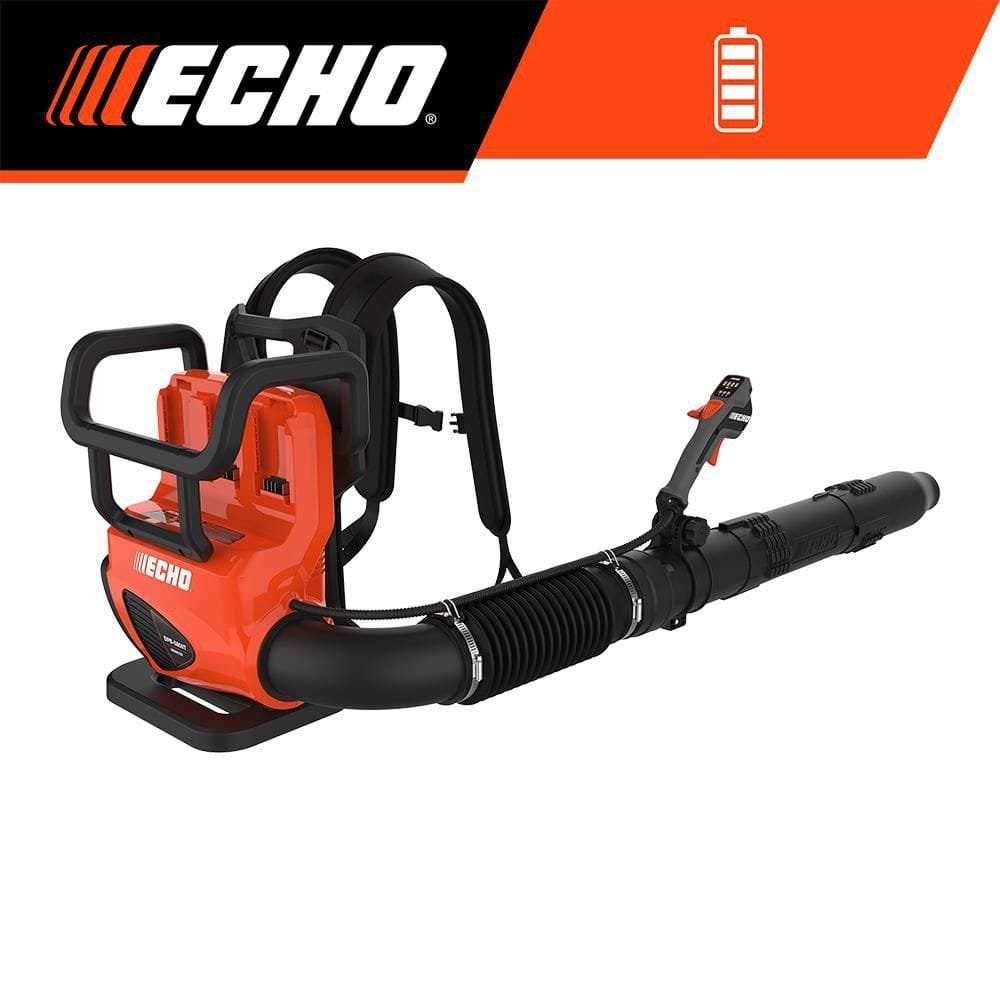
A backpack leaf blower moves leaves, grass clippings, and light yard debris with a focused stream of air. In the United States, the best results come from using the right nozzle, wearing hearing and eye protection, checking local rules, and working in a planned pattern. Start on dry ground, keep the air stream low, and push debris toward one collection area instead of chasing leaves at random.
What You Need Before Using a Backpack Leaf Blower
You need the correct fuel or battery, protective gear, a clear work area, and a quick blower inspection before starting.
Basic equipment checklist
Prepare these items:
- Backpack leaf blower
- Blower tube and nozzle
- Approved fuel container, if the model uses gasoline
- Fresh fuel mixed at the ratio listed in the owner’s manual
- Charged battery, if the model is electric
- Safety glasses or a face shield
- Hearing protection
- Work gloves
- Long pants and sturdy, closed-toe shoes
- Dust mask or respirator when working in dry dust, if suitable for the hazard
- Rake, tarp, or yard-waste bags for final cleanup
The owner’s manual controls fuel type, oil mix, starting steps, approved attachments, and maintenance intervals. Do not guess the fuel mix. A two-stroke engine can suffer serious damage if gasoline and oil are mixed incorrectly.
Check local U.S. rules first
Some cities, counties, homeowners associations, and state agencies limit gas-powered leaf blower use. Rules may cover:
- Allowed days and hours
- Noise levels
- Seasonal use
- Gas-powered equipment
- Blowing leaves into streets or storm drains
- Use near schools, hospitals, or homes
Search your city or county website for “leaf blower rules” or “outdoor power equipment.” Local rules can change, so check them before each season.
The U.S. Environmental Protection Agency regulates emissions from many types of outdoor power equipment, but local restrictions may be stricter. Federal emissions compliance does not mean a blower is allowed everywhere.
Inspect the blower
Before each use:
- Check the tube, nozzle, housing, and throttle control for cracks or loose parts.
- Confirm that the air intake is clear.
- Look for fuel leaks, damaged fuel lines, or a loose fuel cap.
- Check that the battery and contacts are clean and dry.
- Make sure all guards and covers are in place.
- Confirm that the stop switch works.
- Remove stones, toys, wire, and other objects from the work area.
Never operate a blower with a damaged tube, missing guard, leaking fuel system, or faulty stop control.

How to Put On and Adjust a Backpack Leaf Blower
Put the blower on before starting it, then adjust the straps so the frame rests close to your back and the controls remain easy to reach.
1. Place the blower on a stable surface
Set the blower on level ground. Keep the nozzle pointed away from people, pets, windows, vehicles, and loose objects.
Do not start a gasoline blower while carrying it unless the owner’s manual specifically allows that method. Starting it on the ground gives you better control and reduces the risk of contact with the moving air stream.
2. Lift it with both hands
Bend your knees and lift with your legs. Slide your arms through the shoulder straps. Avoid twisting your back while lifting a heavy machine.
3. Fasten the waist and chest straps
Clip the waist belt and tighten it until the blower feels stable. The waist belt should carry much of the load. If the model has a chest strap, fasten it without making breathing difficult.
4. Adjust the shoulder straps
Pull the adjustment tabs evenly. The blower should sit close to your upper back without pressing hard into your neck.
A good fit has three signs:
- The frame does not sway when you walk.
- The waist belt stays in place.
- You can move the blower tube without leaning far to one side.
If the blower pulls backward, lower the shoulder straps slightly or tighten the waist belt. If it feels too high, adjust the frame according to the manual.
5. Set the tube and handle
Position the blower tube so your wrist stays close to a neutral position. Keep the control handle relaxed. The tube should point where you want the air to go without forcing your shoulder or elbow into an awkward angle.
A properly adjusted blower works like a broom with air. You guide it with small movements rather than swinging it with your whole arm.

How to Start a Gas or Battery Backpack Leaf Blower
Starting steps differ by model, but the safe sequence is the same: inspect the area, place the machine securely, use the correct control setting, and let the engine or motor stabilize before moving.
Gas-powered blower starting steps
Follow the sequence in your manual. Many gas blowers use some combination of a stop switch, primer bulb, choke, and throttle lock.
A common cold-start process is:
- Set the blower on level ground.
- Move the stop switch to the run position.
- Press the primer bulb the number of times listed in the manual.
- Set the choke for a cold engine.
- Hold the blower steady.
- Pull the starter cord with a smooth, firm motion.
- Move the choke toward the run position as the engine warms.
- Let the engine idle briefly before raising the throttle.
Do not pull the starter cord to its full length or let it snap back uncontrolled. Those actions can damage the starter.
If the engine floods, stop pulling. Follow the manual’s flooded-engine procedure. It may require opening the choke and waiting before trying again.
Battery-powered blower starting steps
For a battery model:
- Install a charged, compatible battery.
- Check that the battery locks in place.
- Confirm that the tube and nozzle are secure.
- Hold the blower away from people and loose items.
- Press the safety button or unlock control.
- Squeeze the trigger or move the throttle control.
Use only the battery and charger approved for the blower. A battery that fits physically may still be electrically incompatible.
Know the controls
Most backpack blowers have:
- A throttle or trigger
- A stop switch
- A variable-speed control
- A throttle lock or cruise control
- A tube-mounted handle
- A nozzle with a round or flat outlet
Use the lowest air speed that moves the debris. Full throttle creates more noise, dust, fuel use, and the risk of moving gravel or damaging delicate plants.

How to Use a Backpack Leaf Blower: Step-by-Step
Use a backpack leaf blower by working in a planned direction, keeping the nozzle low, and gathering debris into small piles that you can collect.
1. Plan the direction of travel
Choose the final collection point before you start. Good collection points include:
- A tarp
- A compost area
- A yard-waste bin
- A leaf vacuum
- A designated curbside yard-waste area
Do not blow leaves into a public road, sidewalk, storm drain, neighboring property, or waterway. Leaves in storm drains can contribute to blockages and excess organic material in waterways.
2. Start with the outer edge
Begin at the far edge of the lawn or driveway. Work toward the collection point. This prevents you from spreading debris across areas you already cleared.
For a large yard, divide the space into sections. Finish one section before moving to the next.
3. Hold the nozzle close to the ground
Keep the nozzle about 1 to 3 inches above the surface when conditions allow. The exact height depends on the surface and debris.
Use these adjustments:
- Grass: Hold the nozzle low and angle it slightly forward.
- Driveways: Use a low angle to move leaves without lifting gravel.
- Mulch beds: Reduce power and angle the air across the surface.
- Wet leaves: Use short passes and more patience.
- Dusty areas: Lower the speed to reduce airborne dust.
The air stream should slide under or behind the leaves. If you point it straight down, you may create a dust cloud or scatter debris in every direction.
4. Sweep from side to side
Move the tube in a slow arc from one side to the other. Keep your elbow near your body and turn your upper body rather than repeatedly twisting your wrist.
Make narrow passes. A wide, fast sweep can push leaves past your target.
5. Use barriers to your advantage
Fences, walls, curbs, and parked-free areas can help contain leaves. Direct the air along the edge of a barrier, then push the gathered material toward your collection point.
Avoid blowing directly into a wall or fence at high speed. The rebound can send dust and debris back toward you.
6. Adjust power for the material
Use more power only when the debris requires it.
| Material or surface | Suggested approach |
|---|---|
| Dry leaves on grass | Low to medium speed |
| Dry leaves on pavement | Low speed first |
| Wet leaves | Medium speed with repeated passes |
| Grass clippings | Low speed to prevent scattering |
| Pine needles | Medium speed and short passes |
| Small twigs | Direct air from the side |
| Gravel or mulch | Lowest practical speed |
This table is a starting point, not a universal setting. Wind, moisture, nozzle design, and blower output can change the result.
7. Make small piles
Large piles are harder to control. Create several small piles, then combine them from different directions.
When the final pile is ready, switch off the blower before raking, bagging, or picking up debris. Never reach near the nozzle or intake while the machine is running.
8. Stop before leaving the work area
Turn off the engine or motor when you:
- Cross a path or driveway
- Speak with another person
- Move near a pet
- Refuel
- Clear a blockage
- Change an attachment
- Carry the blower indoors
For a gasoline model, allow the engine and muffler to cool before placing the blower in a shed, vehicle, or enclosed space.

How to Use a Backpack Leaf Blower Without Damaging Property
Use controlled air and low power near windows, vehicles, plants, gravel, and outdoor furniture. A blower can move more than leaves.
Protect people and pets
Keep bystanders and pets away from the work area. Small stones, sticks, and other objects can become airborne. The American National Standards Institute’s outdoor power equipment guidance and manufacturer manuals emphasize protective equipment and safe operating practices, but the operator still must control the work zone.
Stop the blower if someone approaches. Do not assume hearing protection means another person can hear you.
Protect windows and vehicles
Avoid aiming the air stream at:
- Windows
- Screens
- Cars
- Outdoor lights
- Painted surfaces
- Patio doors
Air can carry grit that scratches glass or paint. Keep a wider distance near vehicles and use a lower setting.
Protect mulch and soil
High air speed can remove mulch, disturb bare soil, and expose plant roots. Angle the air across the surface instead of down into it.
If mulch keeps moving, stop and use a rake. A blower is not the best tool for every bed.
Protect gravel and decorative stone
Loose gravel can become a projectile. Use the lowest setting that works, keep the nozzle farther away, and avoid blowing toward people or structures.
If the blower moves stones, reduce power immediately. Do not try to solve the problem by standing closer with more throttle.
Avoid dust and biological hazards
Do not blow moldy leaves, animal waste, bird droppings, or unknown debris toward yourself or other people. Wet or collect these materials when practical.
Dry dust can irritate the eyes and lungs. A suitable dust mask may reduce exposure, but it does not make contaminated material safe to disturb. Follow local public-health guidance for hazardous waste, rodents, or suspected asbestos-containing material.

Backpack Leaf Blower Safety and Maintenance
The safest blower is one that is maintained, used with protective gear, and stored correctly.
Wear the right protection
At a minimum, wear:
- Eye protection
- Hearing protection
- Closed-toe shoes
- Long pants
The National Institute for Occupational Safety and Health warns that loud equipment can contribute to hearing damage. Noise exposure depends on the blower, distance, operating time, and surroundings. Earplugs or earmuffs can help reduce exposure, but they do not remove the need to limit run time.
Use gloves when handling rough debris or the machine. Do not wear loose clothing, jewelry, or anything that could catch on controls or moving parts.
Refuel safely
For gasoline models:
- Turn off the engine.
- Let the engine and muffler cool.
- Move outdoors, away from flames and ignition sources.
- Open the fuel container slowly.
- Do not overfill the tank.
- Wipe up spills before starting.
- Store fuel only in an approved container.
Never refuel inside a garage, shed, basement, or vehicle. Gasoline vapors can collect and ignite.
Clean and inspect the blower
After use:
- Remove leaves from the intake and cooling areas.
- Check the tube and nozzle.
- Wipe off dirt and moisture.
- Inspect the fuel system for leaks.
- Remove the battery from an electric model before storage.
- Store the blower where children cannot reach it.
Follow the manual for air-filter cleaning, spark-plug service, fuel storage, and winterization. Do not pressure-wash the engine or battery compartment unless the manufacturer permits it.
Manage noise and neighbors
Choose reasonable operating hours. Keep the blower pointed away from homes and people. Use the lowest useful speed and finish the job rather than repeatedly reworking the same area.
Some U.S. communities set specific noise limits or ban gas-powered blowers during certain periods. A quiet time rule may apply even when no equipment ban exists.

What to Do When a Backpack Leaf Blower Does Not Work
Check the safest and simplest causes first. Stop the blower before inspecting the tube, intake, battery, or fuel system.
| Symptom | Likely causes | Safe next step |
|---|---|---|
| Engine will not start | Empty tank, wrong switch position, stale fuel, flooded engine | Check the manual’s start sequence and fuel guidance |
| Engine starts, then stops | Blocked filter, fuel problem, choke left on | Stop the engine and inspect only after it cools |
| Weak air flow | Blocked intake, loose tube, dirty filter, low battery | Turn off the unit and clear visible blockage |
| Blower vibrates | Damaged fan, debris, loose tube, broken housing | Stop use and arrange service |
| Battery runs briefly | Cold battery, worn battery, heavy throttle use | Use the approved battery and charger; follow storage guidance |
| Leaves scatter | Speed too high, nozzle too high, wind from the side | Lower the speed and keep the nozzle closer |
| Dust cloud forms | Dry soil, excessive speed, nozzle aimed down | Reduce power or use a rake or water-safe method |
Do not remove engine covers or repair a damaged fan unless you have the training and the manual supports the repair. A cracked fan can fail at high speed.
Stop using the blower if it leaks fuel, smells strongly of burning insulation, overheats, loses control response, or makes a new grinding sound. Contact the manufacturer or a qualified small-engine or outdoor-power-equipment technician.

Common Backpack Leaf Blower Mistakes
The most common errors are using too much power, skipping protective gear, and blowing debris without a collection plan.
Avoid these mistakes:
- Starting without eye and hearing protection
- Blowing leaves toward roads or storm drains
- Using a gas blower in a closed garage
- Refueling a hot engine
- Pointing the nozzle at people, pets, or windows
- Running full throttle for every task
- Blowing gravel, mulch, or dust without reducing power
- Carrying a running blower across a walkway
- Ignoring vibration or a damaged tube
- Mixing two-stroke fuel without checking the manual
- Leaving a battery installed during long-term storage when the manual says to remove it
- Using a blower to move hazardous or contaminated material
A blower saves time when it replaces repeated raking. It wastes time when high power scatters the same leaves across the yard again.

Frequently Asked Questions About Backpack Leaf Blowers
Should you use a backpack leaf blower on wet leaves?
Yes, but wet leaves need more air and more passes. They are heavier and tend to stick to grass and pavement. Use a moderate setting and work in small sections. If the leaves form a thick, soaked layer, a rake or leaf vacuum may work better.
How far should you hold a backpack leaf blower from the ground?
Start with the nozzle about 1 to 3 inches above the surface. Raise it slightly near loose gravel, mulch, or dry soil. The correct distance is the one that moves the leaves without lifting stones or creating a dust cloud.
Can you use a backpack leaf blower on gravel?
You can, but use caution. Start at the lowest speed, keep the nozzle away from the gravel, and blow parallel to the surface. If stones move, stop and switch to a rake or another method.
How long can you run a backpack leaf blower?
There is no single safe time for every model. Run time depends on noise exposure, weather, fuel or battery capacity, temperature, and the manufacturer’s instructions. Take breaks, protect your hearing, and stop if the machine overheats or your control declines.
Is a backpack leaf blower better than a handheld blower?
A backpack model usually offers better weight distribution and may suit large yards or long work periods. A handheld blower may be easier for small areas, quick cleanup, and storage. The better choice depends on the size of the property, the blower’s weight, noise limits, and your ability to carry it safely.
What should you do with leaves after blowing them?
Collect them for composting, mulching, or approved yard-waste disposal. Follow your local waste rules. Do not leave piles in streets or push leaves into storm drains.
Key Takeaways
- Read the owner’s manual before starting.
- Check local U.S. rules for hours, noise, and gas equipment.
- Wear eye protection, hearing protection, long pants, and closed-toe shoes.
- Plan the collection area before you blow.
- Use the lowest air speed that moves the debris.
- Keep the nozzle low, but raise it near gravel and loose mulch.
- Stop the blower before clearing blockages, refueling, or crossing a path.
- Do not blow debris into streets, storm drains, windows, vehicles, or neighboring property.
- Service or replace the blower if it leaks, vibrates, overheats, or loses control.
Conclusion
Using a backpack leaf blower well is mainly a matter of control. Fit the harness, start the machine safely, guide leaves toward one collection point, and reduce power near people, property, gravel, mulch, and dust. When the blower cannot move material without causing damage, switch to a rake, tarp, or yard vacuum.
For model-specific fuel, battery, maintenance, and starting instructions, use the owner’s manual first. For local operating hours and equipment restrictions, check your city, county, state, or homeowners association rules before you begin.