
In the United States, a leaf blower usually costs $30 to $700, depending on its power source, size, battery system, and intended use. A basic corded electric blower may cost $30–$100, while a battery-powered model often costs $80–$400. Gas handheld blowers commonly range from $100–$300, and gas backpack blowers can cost $250–$700 or more.
The blower itself is only part of the budget. You may also need a battery and charger, extension cord, fuel, oil, replacement parts, hearing protection, and seasonal maintenance. The lowest purchase price is not always the lowest total cost.

Leaf Blower Cost by Type
The main factor that changes the price is the blower’s power source. Electric models often cost less to maintain, while gas models can offer longer run times and stronger performance for large areas.
| Leaf blower type | Typical U.S. purchase price | Best for |
|---|---|---|
| Corded electric | $30–$100 | Small yards, patios, driveways |
| Battery-powered, tool only | $80–$250 | Buyers who already own compatible batteries |
| Battery-powered kit | $150–$400+ | Most homeowners who need a battery and charger |
| Gas handheld | $100–$300 | Medium yards and heavier leaf loads |
| Gas backpack | $250–$700+ | Large properties and frequent use |
| Commercial backpack or professional model | $500–$1,000+ | Landscapers and high-hour use |
These are common retail ranges, not fixed prices. Brand, motor strength, battery capacity, sales, regional availability, and seasonal demand can move the price up or down. Sales tax is usually not included.
Corded electric blowers: $30–$100
Corded blowers are often the least expensive option. They plug into a standard household outlet and work well for small yards, porches, sidewalks, decks, and driveways.
Their main limit is the power cord. You must have a suitable outdoor-rated extension cord and remain near an outlet. A cord can also be awkward around trees, garden beds, and parked vehicles.
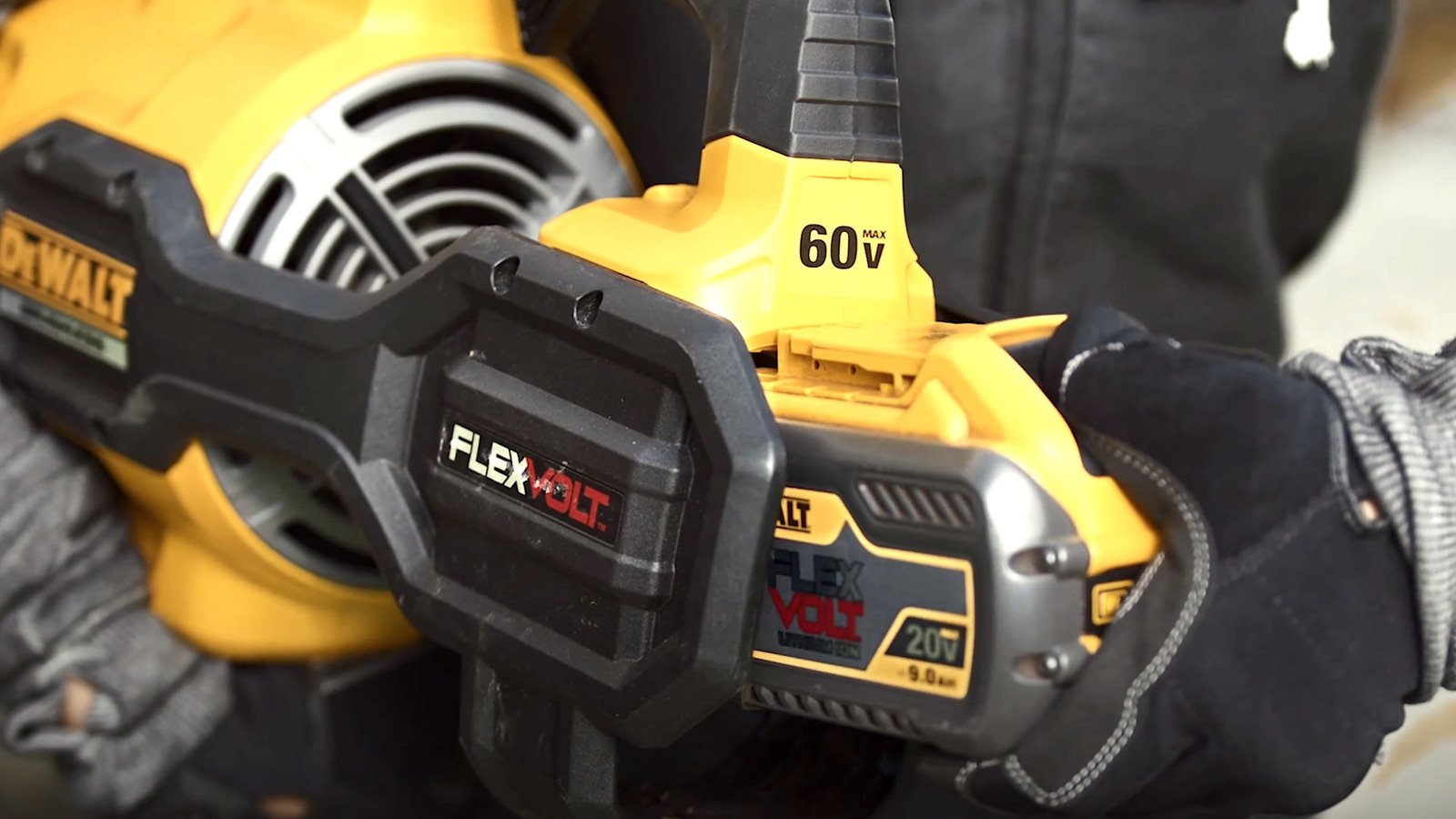
Battery-powered blowers: $80–$400+
Battery models have two common prices:
- Tool-only price: The blower is sold without a battery or charger.
- Kit price: The package includes the blower, battery, and charger.
A tool-only model may look inexpensive until you add the battery. A replacement battery can cost $50–$250 or more, depending on voltage and capacity. Higher-capacity batteries usually run longer but add weight and cost.
Battery blowers are often a good fit for homeowners who already own tools from the same battery platform. However, batteries are usually not interchangeable across brands, and some brands use different battery systems within their own product lines.
Gas handheld blowers: $100–$300
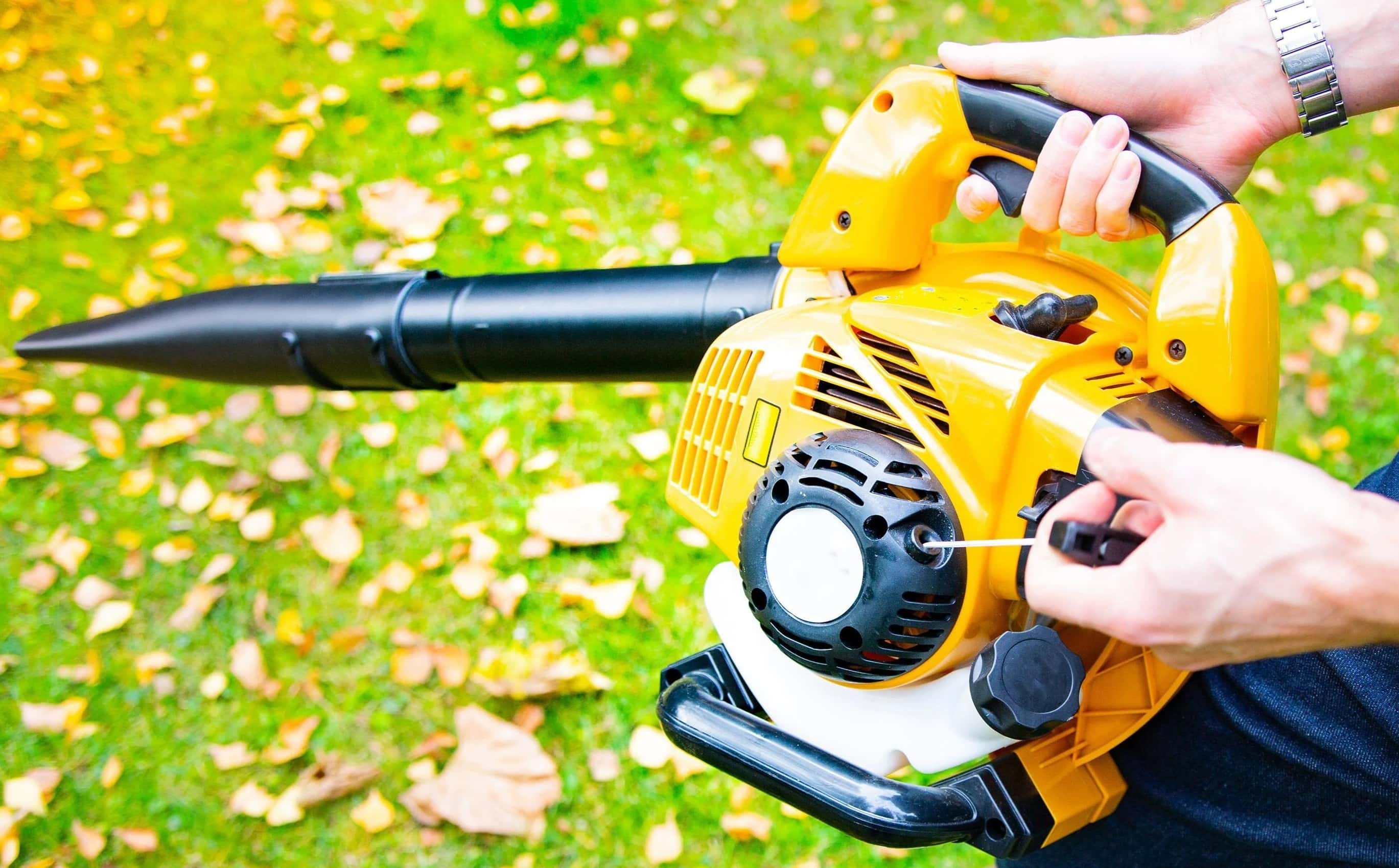
Gas handheld blowers can produce strong airflow and run as long as you have fuel. They suit medium-size yards, wet leaves, pine needles, and heavier seasonal cleanup.
The purchase price does not include fuel, two-stroke oil where required, storage containers, or maintenance. Gas engines also make more noise and produce exhaust. Local rules may limit gas-powered landscape equipment, so check your city, county, or state requirements before buying.
Gas backpack blowers: $250–$700 or more
Backpack models spread the machine’s weight across your back. This can make long cleanup jobs less tiring than holding a large handheld blower.
They cost more because they usually have larger engines, bigger air output, and a harness system. A backpack blower is often excessive for a small suburban lot but can make sense for large properties or frequent work.

What Determines the Price of a Leaf Blower?
Power, included accessories, battery capacity, and build quality usually explain most price differences.
Air speed and air volume
Leaf blowers are commonly described with two performance figures:
- Miles per hour (MPH): The speed of air leaving the tube.
- Cubic feet per minute (CFM): The amount of air moved.
MPH can help loosen wet leaves or move debris from cracks. CFM helps move a larger pile across a lawn. Looking at only one number can give an incomplete picture.
A high-MPH blower is not automatically the best choice. For broad lawns, air volume matters. For corners, gravel, and stubborn debris, air speed can matter more. The shape of the nozzle also affects how the airflow feels in use.
Battery voltage and capacity
Battery tools often use voltage to describe the system and amp-hours to describe battery capacity. In simple terms, a larger battery may provide more run time, but it can also weigh more and cost more.
Advertised run time is usually measured under specific conditions. Maximum-power settings can drain a battery much faster than low-speed use. Cold weather, an old battery, wet leaves, and repeated stops can also reduce practical run time.
Included battery and charger
A battery kit can cost much more than the same blower sold as a bare tool. Check the package before comparing prices.
A useful comparison should include:
- Blower price.
- Battery price.
- Charger price.
- Battery capacity.
- Warranty terms.
- Whether you already own compatible tools.
For example, a $120 bare blower may become a $230 purchase after adding a battery and charger. A $190 kit may be cheaper overall if it includes both accessories.
Motor, engine, and construction
More expensive models may use stronger motors, larger engines, better controls, or more durable housings. They may also offer variable-speed triggers, cruise control, turbo settings, metal impellers, padded harnesses, or lower vibration.
These features matter most when you use the blower often. Occasional users may gain little from paying for professional construction.
Blower and vacuum functions
Some leaf blowers also vacuum and mulch leaves. These combination tools may cost more than a blower-only model.
The vacuum function can reduce the volume of leaves before bagging. It may also require more setup and cleaning. A mulching feature does not remove the need to manage the collection bag, and wet leaves can clog some machines.

The Total Cost of Owning a Leaf Blower
The purchase price is only the starting point. A simple ownership budget helps you compare electric and gas models fairly.
Corded electric ownership cost
A corded blower may require:
- Outdoor-rated extension cord: about $15–$50
- Replacement cord or plug parts: occasional cost
- Electricity: usually a small seasonal expense
- Eye and hearing protection: about $10–$40
Electricity use depends on the blower’s wattage and your local utility rate. For many homeowners, the operating cost is modest compared with gasoline and engine maintenance.
Battery blower ownership cost
A battery blower may require:
- Battery and charger
- Additional battery for longer jobs
- Replacement battery after years of use
- Electricity for charging
- Eye and hearing protection
Battery replacement is the largest long-term cost. Keep batteries in a dry place and follow the manufacturer’s charging and storage instructions. Do not use a swollen, cracked, hot, or damaged battery.
Gas blower ownership cost
A gas model may require:
- Gasoline
- Two-stroke oil, if the engine requires a fuel-oil mix
- Fuel container
- Spark plug replacement
- Air filter cleaning or replacement
- Seasonal storage care
- Occasional carburetor or fuel-system service
Old fuel can create starting problems. Use only the fuel type and mixture listed in the owner’s manual. Never store gasoline in an unapproved container or near heat, flames, or ignition sources.
Example ownership calculation
Consider this hypothetical comparison:
- Corded blower: $70
- Extension cord: $25
- Safety gear: $25
- Estimated first-year total: $120
Now compare:
- Battery blower kit: $220
- Extra battery: $120
- Safety gear: $25
- Estimated first-year total: $365
And:
- Gas handheld blower: $180
- Fuel container and initial supplies: $35
- Safety gear: $25
- Estimated first-year total: $240, before fuel and maintenance
This example does not identify a universal winner. It shows why the advertised tool price can differ from the real cost of getting ready to work.

Which Leaf Blower Is the Best Value?
The best value depends on your yard size, cleanup frequency, access to power, and tolerance for maintenance.
Best value for a small yard
A corded electric blower is often the lowest-cost choice for a small lot with an outdoor outlet nearby. It is simple to start and does not need gasoline.
Choose a battery model instead if the cord would limit your work or create a trip hazard. The extra price buys more freedom of movement.
Best value for a typical suburban yard
A battery-powered kit is often a practical middle choice. It starts quickly, produces no direct exhaust during use, and can be quieter than many gas models.
Check the expected run time before buying. If you have a large yard, thick leaves, or several mature trees, one battery may not be enough.
Best value for large properties
A gas handheld or backpack blower may provide better long-session performance when you need repeated high output. A backpack design can be more comfortable for long jobs.
The value falls if local rules restrict gas equipment or if you dislike fuel handling and engine upkeep. In those cases, a second battery may be a better investment than a gas engine.
Best value for frequent professional work
Professional users should compare more than purchase price. Consider:
- Expected hours of use
- Warranty and commercial coverage
- Parts availability
- Repair support
- Battery replacement cost
- Operator comfort
- Downtime risk
- Noise and emissions rules
A cheaper residential blower may cost more over time if it cannot handle frequent, extended use.

How to Compare Leaf Blower Prices Correctly
Compare complete systems, not just the number on the front of the box.
Use this five-step price check
- Choose the power source. Decide between corded electric, battery, or gas.
- Estimate the job. Consider yard size, leaf depth, wet debris, and cleanup time.
- Check what is included. Confirm the battery, charger, tubes, vacuum attachments, and collection bag.
- Add operating costs. Include fuel, extension cords, spare batteries, and maintenance.
- Check local restrictions. Review noise rules and gas-equipment limits before purchase.
Look for the blower’s air-speed and air-volume ratings in the manufacturer’s specifications. Do not compare a bare battery tool with a complete gas package without adding the missing parts.
Watch for misleading low prices
A very low price may mean the item is:
- Sold without a battery
- Refurbished or used
- Designed for light duty
- Missing a charger
- On clearance with limited parts support
- From a platform with expensive replacement batteries
A low price can still be a good deal. It simply needs a complete cost check.

How to Lower the Cost of a Leaf Blower
You can reduce the total price without choosing the weakest tool.
Buy a kit during seasonal sales, especially in late fall or after major home-improvement holidays. If you already own compatible batteries, a tool-only model may provide the best value.
You can also avoid overbuying. A small yard does not require a commercial backpack blower. Use the lowest power that can move your normal debris without repeated passes.
Keep the air intake, tubes, filter, and cooling areas clean. Correct care can help preserve performance and reduce avoidable repair costs. Follow the owner’s manual rather than using generic fuel mixtures, chargers, or replacement parts that the manufacturer does not approve.
Leaf Blower Safety and Local Rules
Use eye protection whenever you operate a leaf blower. Small stones, sticks, and other debris can become airborne.
Wear hearing protection for loud equipment, especially during long jobs. Keep people, pets, and open windows away from the work area. Do not point the airflow at roads, cars, people, animals, or fragile surfaces.
Before using a corded model, inspect the cord and plug. Use an outdoor-rated extension cord and keep connections away from standing water. Never operate electric equipment in wet conditions unless the manufacturer specifically allows it.
For gas models, work outdoors and away from doors, windows, and air intakes. Stop the engine before clearing a blockage or performing maintenance. Let hot parts cool before refueling or storing the machine.
Noise restrictions vary across the United States. Some communities restrict gas blowers by time, season, sound level, or equipment type. Check your local government website before buying a gas model.

Common Leaf Blower Buying Mistakes
The most common mistake is choosing a blower by MPH alone. Air volume, nozzle design, battery run time, and the type of debris can matter just as much.
Another mistake is ignoring the battery price. A tool-only listing can look much cheaper than a complete system.
Some buyers also overlook storage. Gas equipment needs safe fuel storage and seasonal care. Battery equipment needs a dry storage area and a compatible charging setup. Corded equipment needs a safe way to store the cord without damage.
Finally, do not assume a blower can replace a rake in every situation. Blowers can move loose leaves, but wet piles, mulch, gravel, and dense garden beds may require slower work or a different tool.

FAQs About Leaf Blower Costs
Is a leaf blower worth the money?
A leaf blower can be worth the cost if you regularly clear leaves from a driveway, patio, deck, roof area, or large lawn. For a very small yard, a rake may cost less and require no fuel, battery, or electricity.
How much does a battery for a leaf blower cost?
A compatible battery commonly costs about $50–$250 or more. Price depends on the battery platform, voltage, capacity, and whether it is sold by the original manufacturer. Check compatibility before buying.
Are gas or electric leaf blowers cheaper?
Electric blowers often have lower maintenance costs, while gas blowers may offer longer continuous operation and high output. The cheaper choice depends on whether you need to buy batteries, pay for fuel, maintain an engine, or purchase an extension cord.
How long does a leaf blower last?
Service life depends on use, storage, maintenance, and build quality. A lightly used household blower may last for many seasons, while frequent commercial use creates more wear. Keep receipts and review the warranty before purchase.
Can I use a leaf blower for wet leaves?
Some powerful blowers can move damp leaves, but wet debris is heavier and may require more air volume. A blower may struggle with packed or soaked piles. Waiting for leaves to dry can make the job faster and reduce strain on the machine.
Conclusion
Most U.S. homeowners should budget $30–$400 for a household leaf blower, while large-property and professional models can cost $250–$1,000 or more. Corded electric models have the lowest entry price. Battery kits offer easy starting and clean operation but require attention to battery cost. Gas blowers can provide strong, long-running performance but add fuel, maintenance, noise, and possible local restrictions.
Before buying, compare the complete setup: tool, battery or cord, charger, fuel, accessories, safety gear, and expected maintenance. The right choice is the one that matches your yard and use pattern—not simply the model with the lowest sticker price.