Introduction
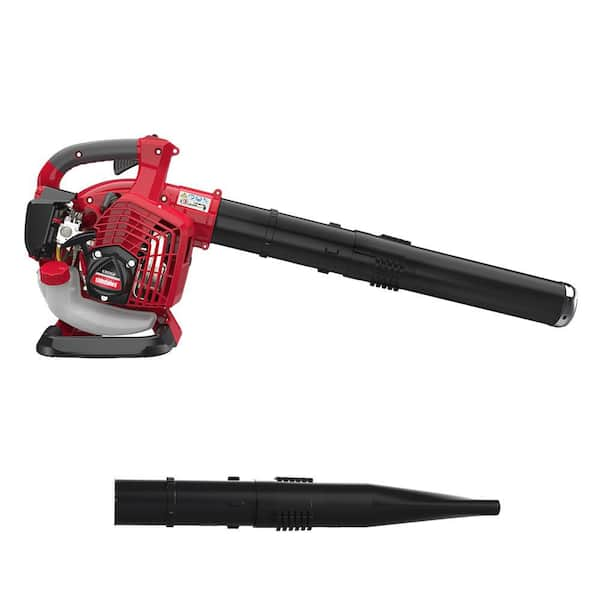
For most homeowners in the United States, a 2-cycle leaf blower is lighter, easier to carry, and often less expensive. A 4-cycle leaf blower uses fuel more simply, creates fewer fuel-mixing errors, and may suit larger properties or longer work sessions. The better choice depends on your yard size, noise limits, maintenance habits, and how much weight you want to handle.
A 2-cycle engine needs gasoline mixed with 2-cycle oil. A 4-cycle engine uses gasoline in the fuel tank and engine oil in a separate crankcase, much like a lawn mower. Both types can clear leaves well, but they differ in weight, sound, fuel use, maintenance, and emissions.
This guide compares 2-cycle and 4-cycle leaf blowers so you can choose the right engine for typical American yards, driveways, sidewalks, and property sizes.

Quick Answer: 2-Cycle or 4-Cycle Leaf Blower?
Choose a 2-cycle leaf blower if you want:
- A lighter machine
- Strong power for its size
- A lower purchase price in many cases
- Easy handling around a small or medium yard
- A simple engine with fewer moving parts
Choose a 4-cycle leaf blower if you want:
- Straight gasoline in the fuel tank
- No routine gasoline-and-oil mixing
- Better comfort during long work sessions
- Potentially lower fuel consumption under some conditions
- A blower suited to larger properties or frequent use
For many residential users, a 2-cycle handheld blower offers the best balance of weight, power, and price. A 4-cycle model becomes more attractive when fuel-mixing mistakes, long run times, or operator comfort are major concerns.

What Is a 2-Cycle Leaf Blower?
A 2-cycle, also called a 2-stroke, engine completes its power cycle in two piston strokes. The engine combines fuel intake, compression, combustion, and exhaust in a compact design.
Most 2-cycle leaf blowers require a specific mixture of gasoline and 2-cycle oil. The oil protects the engine because the fuel mixture also lubricates internal parts. The correct ratio varies by model. Common ratios include 50:1 and 40:1, but you should always follow the owner’s manual.
A 2-cycle blower often has these traits:
- Lower overall weight
- High power for its engine size
- Fast throttle response
- More vibration than some 4-cycle models
- A sharper exhaust sound
- More visible exhaust odor or smoke if the fuel mix is wrong
- More dependence on correct fuel preparation
The engine’s small size can make a major difference when you carry the blower for 30 minutes or more. That is why 2-cycle engines remain common in handheld outdoor power equipment.
How 2-cycle fuel works
A 2-cycle engine does not normally have a separate oil reservoir. Instead, oil is added to the gasoline before the fuel enters the tank.
For example, a hypothetical 50:1 mixture requires:
- 1 gallon of gasoline
- 2.6 fluid ounces of 2-cycle oil
The exact amount depends on the required ratio. Do not assume that every 2-cycle blower uses the same mixture.
Too little oil can cause severe engine wear or seizure. Too much oil can lead to smoke, poor combustion, carbon buildup, fouled spark plugs, and hard starting. Use fresh fuel, the correct oil type, and a clean fuel container marked for mixed gas.
Main strengths of a 2-cycle blower
The key benefit is the power-to-weight ratio. A small 2-cycle engine can produce strong airflow without the added parts used by a 4-cycle engine, such as valves, a camshaft, and an oil sump.
This makes a 2-cycle blower useful when you need to:
- Clear leaves from a typical suburban yard
- Move damp leaves from a driveway
- Work on stairs or slopes
- Carry the blower around garden beds
- Store the machine in a small shed
Its main weakness is fuel handling. If you dislike measuring oil or keep several gasoline-powered tools, a 2-cycle system may create more opportunities for error.

What Is a 4-Cycle Leaf Blower?
A 4-cycle, also called a 4-stroke, engine completes its power cycle in four piston strokes. It uses a separate lubrication system, so gasoline and engine oil do not normally mix in the fuel tank.
A 4-cycle leaf blower typically has:
- A separate gasoline tank
- A separate engine-oil reservoir
- More internal engine parts
- Higher weight
- Lower fuel-mixing risk
- A smoother engine feel in many designs
- Good suitability for extended operation
The four strokes are intake, compression, power, and exhaust. This design is similar to the engine used in many lawn mowers and other larger outdoor machines.
How 4-cycle fuel and oil work
You usually add regular gasoline to the fuel tank and engine oil to a separate oil-fill port. The engine stores and circulates that oil internally.
This does not mean a 4-cycle blower is maintenance-free. You still need to:
- Check the oil level
- Change the oil at the interval in the manual
- Use the correct oil grade
- Keep gasoline fresh
- Clean or replace the air filter
- Inspect the spark plug
A 4-cycle blower may be easier for people who already maintain a lawn mower because the fuel system works in a familiar way.
Main strengths of a 4-cycle blower
The main benefit is convenience during fueling. You do not need to mix oil into every gasoline batch, and the risk of putting unmixed gasoline into the fuel tank is lower.
A 4-cycle model may also feel more comfortable during long jobs. However, comfort depends on the machine’s total weight, handle design, vibration control, and balance. Engine type alone does not guarantee a quieter or more comfortable blower.
The main trade-off is added weight and mechanical complexity. A 4-cycle blower can be less convenient when you must carry it across a large yard or lift it often.

2-Cycle vs. 4-Cycle Leaf Blower Comparison
The table below summarizes the most important differences. Specifications vary by model, so check the manufacturer’s manual and product label before buying.
| Feature | 2-cycle leaf blower | 4-cycle leaf blower |
|---|---|---|
| Fuel | Gasoline mixed with 2-cycle oil | Gasoline in a separate fuel tank |
| Engine oil | Mixed with fuel | Stored in a separate crankcase |
| Weight | Usually lighter | Usually heavier |
| Power-to-weight ratio | Usually strong | Often lower because of added parts |
| Fuel preparation | Requires an exact oil ratio | No routine fuel mixing |
| Maintenance | Spark plug, air filter, fuel system | Oil changes plus standard engine care |
| Long-session comfort | Depends on vibration and balance | Often smoother, but machine may weigh more |
| Purchase cost | Often lower | Often higher |
| Best fit | Typical residential jobs | Frequent or extended use |
| Main risk | Wrong fuel mixture | Low oil level or missed oil changes |
The biggest practical difference is not raw airflow. It is how the machine fits your work. A blower with a high air-speed rating may still feel weak if it moves little air volume. Compare both miles per hour (MPH) and cubic feet per minute (CFM).
MPH describes the speed of the air stream. CFM describes how much air the blower moves. A narrow nozzle may raise MPH, while a larger outlet may improve CFM. For moving a large pile of leaves, CFM often matters more than a high advertised MPH number.
Performance: Which Engine Has More Power?
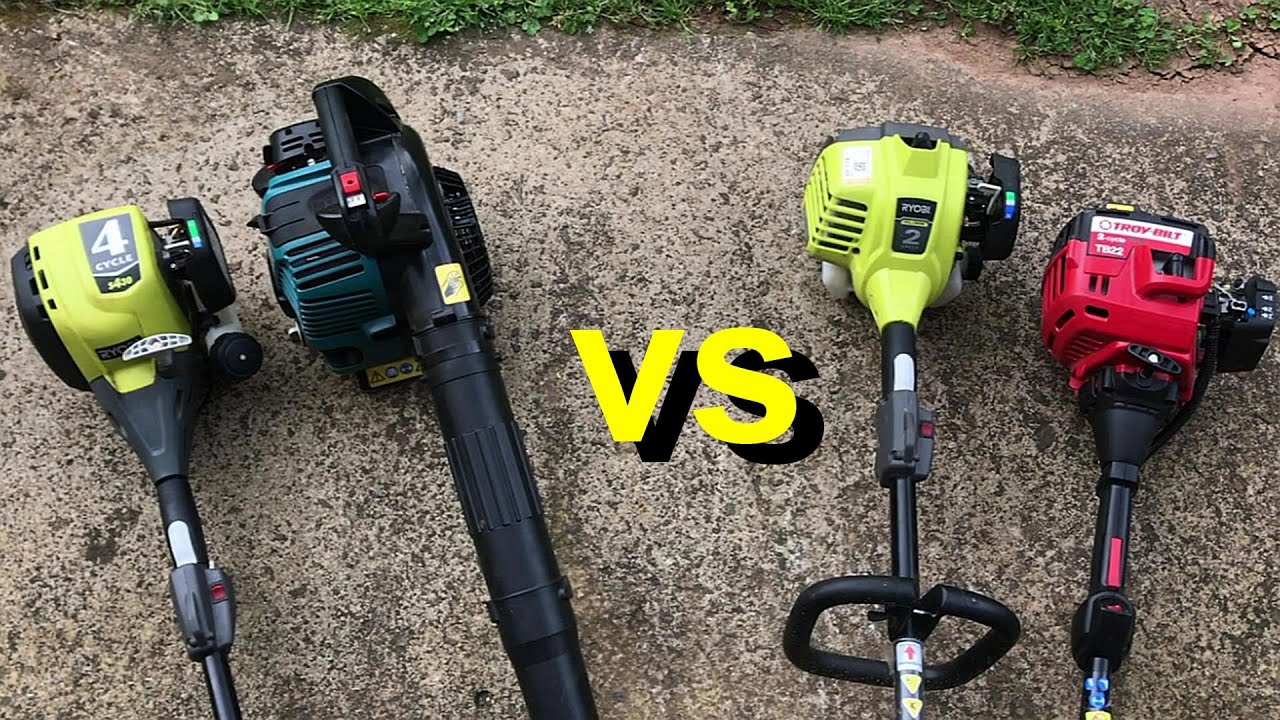
A 2-cycle blower often provides more power for its weight, but a 4-cycle blower is not automatically weak. Actual performance depends on engine size, fan design, nozzle shape, throttle control, and the manufacturer’s tuning.
For leaf piles, compare:
- CFM for air volume
- MPH for air speed
- Throttle response
- Nozzle design
- Total machine weight
- Runtime under normal use
A 2-cycle model may feel more responsive when you squeeze the throttle. Its lighter body can also make the job feel easier, even if both blowers produce similar airflow.
A 4-cycle model can perform well for large lawns and commercial work. Its larger or heavier design may provide steady output, but the extra mass can become tiring during repeated lifting or extended handheld use.
Do not compare MPH alone
Manufacturers may measure MPH at different points, such as at the nozzle opening. That can make direct comparisons difficult.
A useful buying method is to compare models from the same manufacturer or class. Look at CFM, MPH, weight, fuel capacity, warranty terms, and the intended use. If a product lists only one airflow number, treat that as incomplete information.
Fuel Use and Operating Cost
A 4-cycle engine may use less fuel in some operating conditions because it burns gasoline without carrying oil through the combustion process. However, fuel economy varies with engine size, throttle position, load, maintenance, and blower design.
A 2-cycle blower may consume more fuel during demanding work, but the cost difference for occasional residential use is often modest. The price of gasoline and 2-cycle oil also changes by location and season in the United States.
A simple cost comparison should include:
- Gasoline used per hour
- 2-cycle oil cost, if applicable
- Engine oil cost for a 4-cycle model
- Oil-change frequency
- Replacement air filters and spark plugs
- Expected annual operating hours
Do not assume that a 4-cycle blower will always cost less to operate. Its separate oil system can reduce fuel-mixing mistakes, but it also creates an oil-change requirement.

Noise, Vibration, and Emissions
Engine type affects sound and vibration, but it does not determine them by itself. Fan speed, muffler design, engine mounting, housing design, and throttle setting also matter.
Many 4-cycle engines have a deeper, less sharp sound than 2-cycle engines. That may feel more comfortable, but a 4-cycle leaf blower can still be loud. Wear hearing protection with either type.
Two-cycle engines can produce more exhaust emissions because their fuel-and-oil combustion process may allow some unburned fuel to pass through the exhaust. Modern designs have reduced emissions, and all gasoline equipment sold in the United States must meet applicable emissions requirements. State and local rules may impose additional restrictions.
California has separate air-quality rules administered by the California Air Resources Board. Some cities, counties, and homeowners’ associations also restrict gas-powered leaf blowers by time, noise, or engine type. Check local rules before buying, especially in California and densely populated communities.
Use a battery blower if your main concerns are low local exhaust, easier starting, and reduced routine engine maintenance. Battery models still create noise and have limits based on battery capacity and charging time.
Maintenance Differences
Both engine types need care, but the tasks differ.
2-cycle maintenance
For a 2-cycle blower:
- Use the exact fuel ratio in the manual.
- Use fresh fuel stored in an approved container.
- Do not use straight gasoline unless the manual specifically permits it.
- Clean the air filter as directed.
- Inspect the spark plug.
- Check the fuel filter and fuel lines.
- Empty or stabilize fuel before long-term storage.
The most common avoidable mistake is using the wrong fuel. Label mixed fuel clearly so it is not mistaken for regular gasoline.
4-cycle maintenance
For a 4-cycle blower:
- Check the engine-oil level before use.
- Change oil at the stated interval.
- Use the correct oil grade and amount.
- Keep the air filter clean.
- Inspect the spark plug.
- Use fresh gasoline.
- Drain or stabilize fuel before seasonal storage.
Never run a 4-cycle engine with low oil. Some engines include low-oil protection, but that feature does not replace regular checks.
Which is easier to repair?
A 2-cycle engine has fewer internal parts and may be easier for a trained small-engine technician to diagnose. A 4-cycle engine has valves and a lubrication system, which can increase service complexity.
That does not mean every 2-cycle repair is simple. Carburetor problems, clogged fuel lines, ignition faults, and compression loss can affect either type. If the blower has fuel leaks, severe overheating, a damaged flywheel, or repeated starting problems, stop using it and seek qualified service.

Which Leaf Blower Is Better for Your Yard?
Your property and work pattern should guide the decision.
Choose a 2-cycle blower when:
- You clear leaves a few times each season.
- You want the lowest practical carry weight.
- You need strong power for a driveway or medium lawn.
- You are comfortable measuring fuel and oil.
- You want a broad selection of handheld models.
- You can follow local gas-equipment rules.
Choose a 4-cycle blower when:
- You work for long periods at a time.
- You do not want to mix fuel.
- You already use and maintain 4-cycle lawn equipment.
- You manage a larger property.
- You value steady operation over minimum weight.
- You are willing to perform regular oil checks and changes.
Choose a battery blower when:
- You have a small or medium yard.
- You want simple starting.
- You want to avoid gasoline and engine oil.
- Local rules limit gas-powered equipment.
- You can accept battery charging and runtime limits.
For a small urban yard, a battery blower may be more practical than either gasoline engine. For a large property with heavy leaf fall, a gas blower may provide longer continuous operation. The right answer depends on the job rather than the engine label alone.

Safety Rules for Either Engine Type
Gas-powered leaf blowers require care because they contain hot surfaces, moving parts, fuel, and exhaust gases.
Follow these rules:
- Read the owner’s manual before starting the engine.
- Start the blower outdoors, never inside a garage or shed.
- Keep fuel away from sparks, flames, and hot surfaces.
- Turn the engine off and let it cool before refueling.
- Wear eye protection and hearing protection.
- Keep children and pets away from the work area.
- Do not point the air stream at people, animals, vehicles, or windows.
- Check for stones and debris before blowing.
- Avoid blowing dust toward neighbors or roadways.
- Stop if you smell leaking fuel or see unusual smoke.
- Follow local rules for leaf and yard-waste cleanup.
The U.S. Consumer Product Safety Commission and equipment manufacturers warn about the hazards of gasoline, hot engines, and carbon monoxide. Never run a gasoline blower indoors or in an enclosed space.
Common Buying Mistakes
Buying by MPH alone
A high MPH figure does not show how much air the blower moves. Compare CFM and MPH together.
Ignoring weight
A blower can look manageable in a store but feel heavy after repeated passes. Include the fuel weight when comparing machines.
Assuming 4-cycle means quiet
A four-stroke engine may have a different sound, but the blower still produces substantial noise. Use hearing protection and follow local noise rules.
Using the wrong fuel
Never guess the fuel mixture. A 2-cycle engine may be damaged by straight gasoline, while a 4-cycle engine may be damaged by adding oil to the fuel tank.
Storing old gasoline
Old fuel can cause hard starting, poor performance, and carburetor deposits. Use fuel within the period recommended by the manufacturer or use a compatible stabilizer.
Overlooking service access
Check whether you can easily reach the air filter, spark plug, fuel filter, and oil-fill port. Easy service can reduce maintenance mistakes.
Key Takeaways
- A 2-cycle leaf blower is usually lighter and offers strong power for its size.
- A 2-cycle model requires the correct gasoline-and-oil mixture.
- A 4-cycle leaf blower uses gasoline and engine oil in separate systems.
- A 4-cycle model may suit longer work sessions and users who dislike fuel mixing.
- Compare CFM, MPH, weight, fuel system, and maintenance needs.
- Noise, emissions, and local restrictions can affect the best choice.
- Battery blowers may be better for small yards or areas with gas-equipment limits.
- Always follow the exact owner’s manual for fuel, oil, storage, and service.
Frequently Asked Questions
Is a 2-cycle or 4-cycle leaf blower more powerful?
Neither engine type is always more powerful. A 2-cycle model often delivers strong power for its weight, while a larger 4-cycle model may produce substantial and steady airflow. Compare the blower’s CFM, MPH, engine size, and weight instead of relying only on the engine type.
Can I use regular gasoline in a 2-cycle leaf blower?
Only if it has already been mixed with the correct 2-cycle oil ratio required by the manual. Do not use unmixed gasoline in a conventional 2-cycle blower.
Do 4-cycle leaf blowers need oil changes?
Yes. A 4-cycle blower stores oil in a separate engine reservoir, and that oil must be checked and changed according to the manufacturer’s instructions.
Which type lasts longer?
Service life depends on design, maintenance, fuel quality, operating conditions, and storage. A well-maintained 2-cycle blower can last for years, as can a 4-cycle model. Incorrect fuel, low oil, dirty filters, and poor storage can shorten the life of either engine.
Are 4-cycle leaf blowers quieter than 2-cycle models?
They may have a deeper or smoother sound, but they are not silent. Actual noise depends on the engine, fan, muffler, throttle setting, and product design. Wear hearing protection with both types.
Is a 4-cycle blower worth the extra cost?
It may be worth the cost if you use the blower often, work for long periods, or want to avoid mixing fuel. For occasional yard cleanup, a lighter 2-cycle model may offer better value.
What is the best choice for a small U.S. residential yard?
A battery blower is often the simplest option if runtime and power meet your needs. If you prefer gasoline, a lightweight 2-cycle blower is usually practical. Check local noise and emissions rules before purchasing.
Conclusion
The choice between a 2-cycle and 4-cycle leaf blower comes down to a clear trade-off. Choose 2-cycle for lower weight, strong power-to-weight performance, and usually lower upfront cost. Choose 4-cycle for separate fuel and oil systems, longer work sessions, and easier fueling.
Before buying, compare the actual CFM, MPH, weight, warranty, maintenance schedule, and local equipment rules. Use the owner’s manual as the final authority for fuel, oil, storage, and service. For many American homeowners, the best blower is the one that matches the yard size and feels manageable throughout the entire cleanup job.