
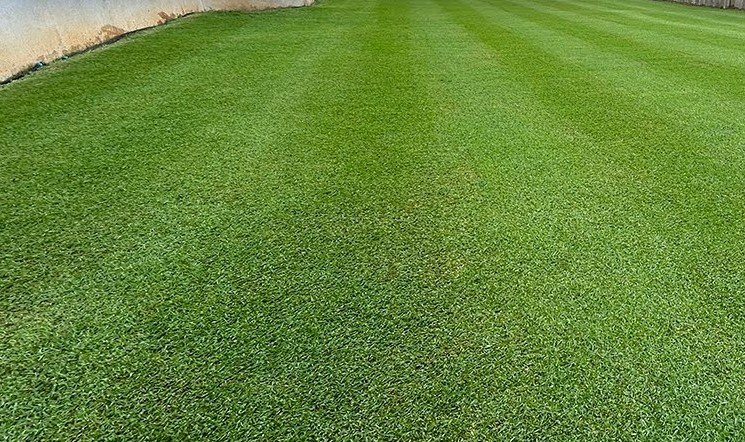
Watering your lawn immediately after mowing is generally beneficial, as it helps the grass recover from the stress of being cut. This practice encourages deep root growth and prevents the blades from drying out under the midday sun. Always aim to water in the early morning to ensure the best results for your green space.
If you take pride in your yard, you have likely stood on your porch after a fresh trim, admiring those clean lines and the scent of cut grass. But once the mower is back in the shed, a common question often pops up: is it good to water lawn after mowing? It is one of those lawn care debates that homeowners have been having for decades. With the shifting climate patterns of 2026, understanding the timing of your yard care has never been more vital for maintaining a lush, green carpet.
The short answer is yes, watering right after you finish your yard work is typically a great idea. Think of it as providing a recovery drink to an athlete after a heavy workout. When you run your mower over the grass, you are technically wounding the blades. While they are designed to handle this, they lose moisture through those open cuts. By offering a gentle soak, you help the grass heal and thrive, setting the stage for a thicker, healthier lawn that can withstand the stressors of the summer heat.
Key Takeaways
- Recovery Boost: Watering right after mowing acts like a refreshing drink for your grass, helping it bounce back from the mechanical stress of the mower blades.
- Timing Matters: The best time to mow and water is early in the morning when the temperature is cool and evaporation rates are low.
- Preventing Disease: Proper post-mow watering helps flush nutrients into the soil, but avoid evening watering to prevent fungal issues.
- Blade Protection: Grass blades are most vulnerable immediately after cutting; moisture seals the tips and keeps them from turning brown.
- Deep Rooting: Consistent post-mowing hydration encourages roots to stretch deeper into the soil, making your lawn more drought-tolerant.
The Science Behind Post-Mow Hydration
Understanding Grass Stress
Every time you mow, you are removing a portion of the leaf surface. This leaf surface is what the plant uses for photosynthesis. When you cut the grass, the plant momentarily enters a state of shock. The tips of the blades are left slightly exposed. If the weather is particularly hot or windy, these cut tips can lose moisture rapidly, which leads to that dreaded brown cast on your lawn.
When you ask, is it good to water lawn after mowing, you are really asking how to minimize this stress. Hydration replenishes the water lost through the cut tips. It keeps the cell walls turgid, which allows the grass to stand tall and continue growing. A well-hydrated plant can focus its energy on root development rather than just trying to survive the dehydration caused by the midday sun.
Improving Nutrient Uptake
Water is the primary transport system for nutrients in your soil. After you mow, your grass has a heightened demand for resources to repair itself. If the soil is bone dry, those roots cannot access the nitrogen, phosphorus, and potassium they need. By watering immediately after your mowing session, you ensure that the soil environment is primed to deliver these vital nutrients directly to the root zone.
Choosing the Perfect Time to Mow and Water
The Early Bird Advantage
If you want to know if it is good to water lawn after mowing, the context of “when” is just as important as the act itself. The absolute best time to mow and water is in the early morning, usually between 6:00 AM and 9:00 AM. During these hours, the grass is often still covered in a light dew, which actually helps the mower blades glide more smoothly.
Once you finish mowing, the soil is ready to soak up the water before the heat of the day kicks in. Watering early also allows the blades to dry off before the sun gets too intense. This is crucial because water droplets sitting on blades in extreme heat can act like little magnifying glasses, potentially causing minor leaf burn in sensitive grass types.
Why Evening Watering Should Be Avoided
Many homeowners prefer mowing in the evening after work. While the temperature is cooler, this is rarely the best time to follow up with a heavy watering. If you water late in the day, the grass stays wet throughout the night. A cool, moist environment is a breeding ground for lawn fungus and diseases. If you must mow in the evening, try to water your lawn the next morning instead, or skip the watering session entirely if the soil still feels moist to the touch.
How Much Water Does Your Lawn Actually Need?
Consistency Over Quantity
It is not just about whether it is good to water lawn after mowing; it is about how much you apply. A common mistake is giving the grass a light sprinkle every single day. This encourages roots to stay near the surface where the soil dries out quickly. Instead, aim for a deep soak that penetrates about six inches into the ground.
Think of it this way: your lawn needs about one inch of water per week, including rainfall. If you mow and find that your grass is stressed, a moderate amount of water—about a quarter to half an inch—is plenty to help it recover without waterlogging the roots. Using a simple rain gauge or even an empty tuna can in the yard can help you track exactly how much water your sprinkler is putting down.
Using the Right Equipment
The method you use to water is just as important as the timing. Oscillating sprinklers are popular, but they can sometimes lose a lot of water to evaporation. Drip irrigation or subsurface systems are the gold standard for efficiency in 2026. If you are using a standard hose-end sprinkler, try to move it frequently to ensure even coverage. If you leave it in one spot for too long, you will end up with muddy patches that can actually damage the crown of the grass.
Common Mistakes to Avoid After Mowing
Mowing When Wet
One caveat to the advice that it is good to water lawn after mowing is the state of the grass before you start. Never mow while the grass is soaking wet from a heavy rainstorm. Wet grass clumps up, clogs your mower deck, and leads to an uneven cut. Furthermore, it can tear the grass instead of slicing it cleanly. Always mow when the grass is dry, then water immediately afterward.
Ignoring Soil Health
Watering is only part of the equation. If your soil is compacted, the water will simply run off into the sidewalk instead of soaking into the roots. If you find that your lawn is not absorbing water well after you mow, it might be time to aerate. Aeration creates small holes in the soil, allowing water, air, and nutrients to reach the root zone more effectively. This ensures that when you do water after mowing, every drop counts.
Environmental Factors and Lawn Recovery
Adapting to 2026 Weather Trends
As we navigate the weather patterns of 2026, we are seeing more frequent periods of drought mixed with intense heat waves. In these conditions, the question of whether it is good to water lawn after mowing becomes even more critical. During a heat wave, your grass might go dormant to protect itself. If you mow during these times, you are stressing the plant significantly.
If you absolutely must mow during a dry spell, ensure that you keep your mower deck at the highest setting. Taller grass shades the soil, reduces evaporation, and keeps the roots cooler. After this type of “survival mowing,” a light watering is definitely recommended to keep the lawn from turning completely brown.
Matching Grass Types to Watering Needs
Different grass species have different hydration requirements. Warm-season grasses like Bermuda or Zoysia thrive in the heat and may need more frequent watering after mowing in the summer. Cool-season grasses like Fescue or Kentucky Bluegrass prefer milder temperatures and might struggle more if you mow them during a heat spike. Tailor your post-mowing hydration to the specific type of grass in your yard to get the best results.
Conclusion: The Path to a Greener Lawn
So, is it good to water lawn after mowing? With the right timing and the right amount, it is one of the most effective ways to maintain a thick, lush, and healthy landscape. By providing your grass with the moisture it needs to recover from the stress of cutting, you are investing in the longevity of your yard.
Remember to prioritize early morning sessions, aim for deep soil penetration, and always consider the specific weather conditions of the day. Lawn care is a journey, not a sprint. By adopting these consistent habits, you will find that your lawn responds with vibrant growth and improved resilience. Your neighbors might just start asking you for your secret to that perfectly green, well-maintained yard!
Frequently Asked Questions
Should I water my lawn immediately after mowing every time?
It is beneficial, but not strictly mandatory every single time. If your soil is already moist or it is going to rain, you can skip the extra watering to avoid oversaturating the ground.
Will watering after mowing cause the grass to turn yellow?
Watering does not cause yellowing, but overwatering or watering in the evening can lead to fungal diseases that cause discoloration. Stick to morning watering to keep your grass healthy.
Is it better to mow when the grass is dry or wet?
Always mow when the grass is dry. Wet grass cuts poorly, clumps in the mower, and is much more susceptible to tearing, which causes stress to the plant.
How deep should the water go after I mow?
You should aim for the water to penetrate about four to six inches into the soil. This encourages the roots to grow deep, making your lawn stronger and more drought-resistant.
Can I mow and water in the middle of the day?
It is best to avoid midday mowing and watering. The high heat increases evaporation rates, and the intense sun can stress the grass blades once they are cut.
What if I see brown patches after mowing and watering?
Brown patches can indicate a dull mower blade, pests, or fungal issues. Check your mower blades for sharpness and ensure you are not watering in the evening, which often causes fungal growth.