
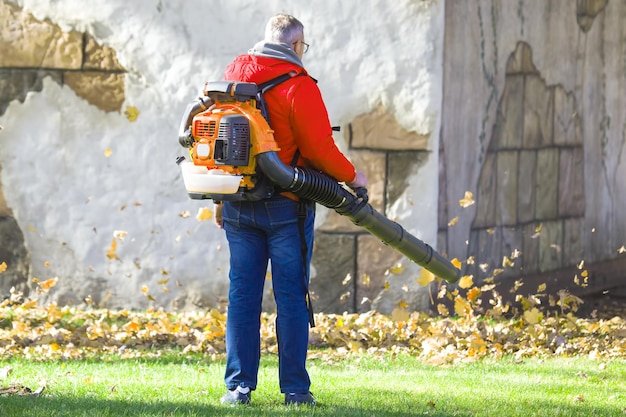
The easiest way to remove grass clippings with a leaf blower is to wait until the clippings are fairly dry, set the blower to a low or medium speed, and push the grass into one small pile. Work from the far edge of the lawn toward the center. Then collect the pile or spread it back over the grass if it is clean and thin.
This method works well for most American yards, driveways, sidewalks, patios, and curb edges. It also helps keep clippings out of storm drains, roadways, and neighboring properties.

What You Need Before You Start
You need only a few basic items:
- A leaf blower with a tube and nozzle
- Safety glasses or goggles
- Hearing protection, especially for gas blowers
- Work shoes with good grip
- A rake, broom, lawn bag, or compost bin
- Gloves if you plan to pick up clippings by hand
Check the blower before use. Make sure the tube is secure and the air intake is free of grass, twigs, and dirt. For a gas blower, check the fuel level and follow the owner’s manual. For a battery blower, charge the battery and check that it locks into place.
Wear eye protection because dry grass, dust, gravel, and small sticks can move quickly. The U.S. Consumer Product Safety Commission also advises users to follow the manufacturer’s instructions and use proper protective equipment when operating outdoor power equipment.
Do not blow clippings when people, pets, open windows, or vehicles are close by. Keep children away from the work area until you finish.

When Is the Best Time to Blow Grass Clippings?
The best time to blow grass clippings is after they have dried slightly but before wind spreads them across the yard.
Wet clippings are heavy. They tend to stick to pavement and form thick mats. A blower may move them slowly or scatter them in clumps. Very dry clippings move more easily, but they can create dust and may blow farther than you expect.
Use this simple guide:
| Clipping condition | Blower result | Best approach |
|---|---|---|
| Lightly damp | Heavy and sticky | Wait, rake, or use a higher setting briefly |
| Mostly dry | Easy to control | Ideal for blowing |
| Very dry and dusty | Moves fast and creates dust | Use a low setting and wear eye protection |
| Long, wet clumps | Hard to move | Break them up with a rake first |
If rain is expected, remove clippings from paved areas before they wash toward a storm drain. In many U.S. communities, storm drains carry water directly to local streams, lakes, or rivers rather than to a wastewater treatment plant.
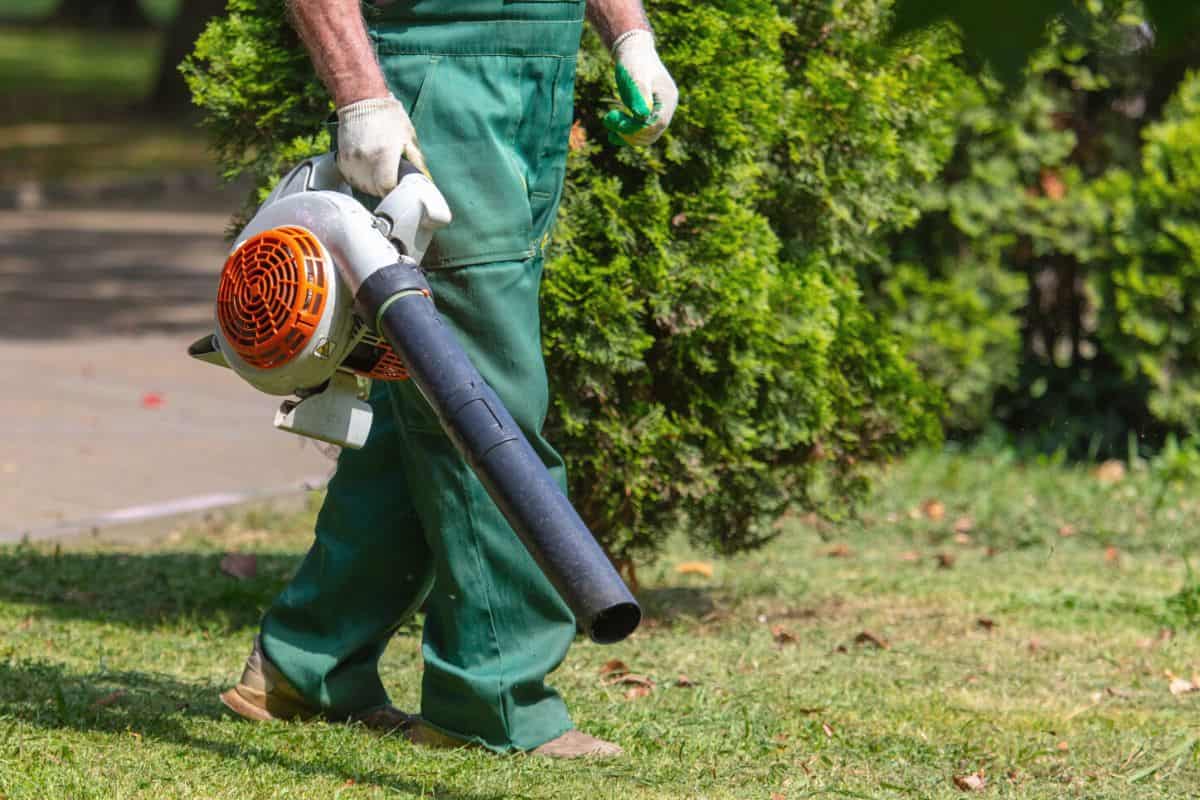
Step-by-Step: How to Remove Grass Clippings With a Leaf Blower
1. Inspect the area
Walk through the work area first. Remove large sticks, stones, toys, and other objects that the blower could launch.
Look for:
- Storm drains
- Cars and outdoor furniture
- Open doors and windows
- Flower beds
- Mulch that could scatter
- Loose gravel
- People or pets
Move fragile items away from the area. If you are cleaning a driveway, check whether small stones are mixed with the grass. A strong air stream can send those stones toward cars or windows.
2. Choose the correct blower setting
Start with the lowest useful air setting. Increase the speed only when the clippings do not move.
A high setting is not always better. Too much air can:
- Scatter clippings across a larger area
- Blow dust into the air
- Move mulch from garden beds
- Damage tender plants
- Send debris into the street
- Make the job harder to control
Use the narrow nozzle for focused work. Use a wider opening when you want to move a broad layer of clippings across a lawn.
3. Plan where the clippings will go
Choose one collection point before you start. This point could be:
- The center of the lawn
- A compost bin
- A yard-waste bag
- A garden bed
- The edge of a mowed area
Do not direct clippings into the street, sidewalk, storm drain, neighbor’s yard, or a body of water. Keep the final pile away from drains, because rain can carry loose organic material into the drainage system.
4. Begin at the farthest edge
Stand at the edge of the area that needs cleaning. Point the blower nozzle slightly downward and away from your body.
Move the air stream in slow, smooth sweeps. Push the clippings a short distance at a time. Do not wave the nozzle rapidly from side to side. Fast movements often scatter the grass instead of forming a pile.
Work toward your chosen collection point. As the pile grows, reduce the blower speed. A large pile needs less air than a thin layer.
5. Use the right nozzle angle
Hold the nozzle about 2 to 6 inches above the surface when cleaning pavement. Start farther away if the surface contains loose gravel or dust.
For grass, aim across the top of the blades rather than straight down. This lifts and rolls the clippings without creating as much dust.
A useful pattern is:
- Aim slightly forward.
- Push the clippings several feet.
- Pause and let the air settle.
- Move closer to the pile.
- Repeat until the area is clear.
If clippings fly past the pile, lower the speed or change the angle. If they do not move, raise the speed in small steps.
6. Clean edges and tight spaces
Grass often collects along curbs, fence lines, garage doors, and the edges of flower beds. Use short bursts in these areas.
Keep the nozzle angled away from mulch and soil. Blowing directly into a garden bed can spread mulch, expose plant roots, and stir up dust.
For grass packed into cracks, briefly loosen it with a stiff broom or rake. Then use the blower to finish the job.
7. Collect or reuse the clippings
Once the clippings form a pile, collect them with a rake, broom, or scoop. Place them in the proper yard-waste container if your local program requires collection.
Clean, short clippings can often remain on the lawn. Grasscycling returns organic matter to the soil and saves the work of bagging. The clippings should be spread in a thin layer, not left in thick piles.
Remove clippings when they are:
- Thick enough to cover the grass
- Wet and matted
- Mixed with trash, oil, or pet waste
- Spread on sidewalks or driveways
- Likely to wash into a drain
- From a lawn treated with a product whose label gives special instructions
Always follow the product label for pesticides, herbicides, and fertilizers. The label is the legal use instruction in the United States.
8. Do a final inspection
Walk over the area after blowing. Check the edges, driveway, sidewalk, and curb.
Look for:
- Stray clumps
- Dust on vehicles
- Grass in doorways
- Clippings near drains
- Gravel moved by the blower
- Debris in garden beds
Turn off the blower before clearing a blockage. Never put your hand near a moving fan or air intake. Follow the manual for safe clearing and maintenance.
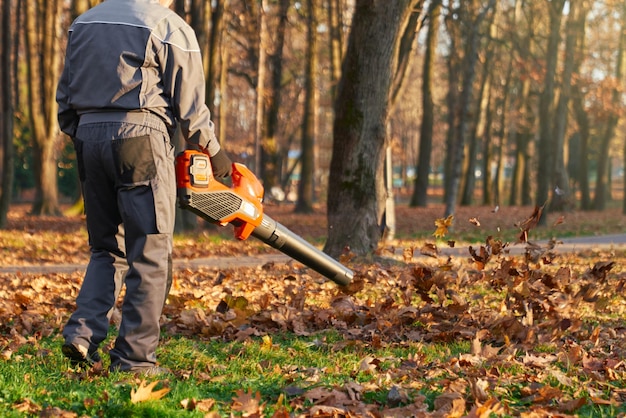
How to Blow Clippings From Different Surfaces
The best technique depends on the surface. Grass, concrete, gravel, and mulch respond differently to air pressure.
Lawns
Use a low or medium setting. Aim across the lawn and push clippings toward a central area.
Avoid holding the nozzle close to bare soil. Strong airflow can move soil, expose roots, or create dust. If the clippings are spread thinly over the grass, leave them in place when they do not form mats.
Driveways and sidewalks
Use a lower setting at first. Hard surfaces let air move freely, so clippings can travel farther than expected.
Blow away from doors, parked cars, and the street. If the surface has sand or loose gravel, use short bursts and keep the nozzle higher.
Gravel
A leaf blower can move gravel along with grass. Use the lowest setting that works and keep the nozzle several inches above the surface.
For small stones mixed with clippings, a rake or hand broom may work better. If stones continue to move, stop blowing and use a manual tool.
Mulch beds
Blow parallel to the edge of the bed, not directly into it. Start with a low setting and keep the nozzle farther away.
If mulch begins to move, stop and switch to a rake. Protecting the bed is more important than removing every clipping.
Artificial turf
Check the turf manufacturer’s care instructions first. Some surfaces can collect debris between fibers, while others may have infill that can move under strong airflow.
Use a low setting and avoid aiming directly at seams or edges.

Should You Blow Grass Clippings Onto the Lawn?
You can leave a thin layer of clean grass clippings on the lawn if the clippings are short and spread evenly.
Grass clippings are mostly water and can break down on the soil surface. They do not usually create thatch when used correctly. Thatch is a dense layer of living and dead plant material that builds up between the soil and grass leaves. It is caused mainly by slow breakdown of stems, roots, and other tough plant parts, not by a light layer of ordinary clippings.
Do not leave thick rows of wet clippings. They can block light and air, mat the grass, and create brown patches. Use a rake or mower to spread them if needed.
Bag or remove clippings when they contain weeds with mature seeds, lawn disease, trash, or chemical residue. Local yard-waste rules may also affect how you handle them.

Battery, Electric, or Gas Blower: Which Works Best?
The best blower depends on the size of the area, the amount of debris, and your tolerance for noise and maintenance.
| Blower type | Useful for | Main limits |
|---|---|---|
| Battery | Small and medium yards, quick cleanup | Run time and battery charging |
| Corded electric | Small areas near an outlet | Power cord limits movement |
| Gas | Large areas and long work periods | Noise, fuel, fumes, and maintenance |
For a few grass clippings on a sidewalk, a small battery or corded blower is often enough. A larger gas or high-output battery blower may be useful for heavy leaves, but extra power can make grass clippings harder to control.
Do not judge a blower only by its maximum air speed. Air volume, nozzle shape, surface type, and operator control also affect performance. A lower setting that keeps the clippings together may finish the job faster than full power.
Follow local rules for outdoor equipment. Some U.S. cities and counties restrict gas-powered leaf blowers during certain hours or prohibit them in specific areas.

Common Problems and Fixes
The clippings will not move
The grass may be too wet, too long, or packed into a thick layer. Wait for it to dry, break up the clumps with a rake, or increase the blower setting slightly.
Check the blower tube and air intake for blockage. Do not inspect or clear the machine while it is running.
The clippings scatter everywhere
Lower the speed and aim the nozzle more across the surface. You may also be working too close to the pile.
Create smaller piles instead of trying to move all the clippings at once. Short, controlled passes give better results.
Dust keeps filling the air
Use a lower setting and avoid pointing at bare soil or dry gravel. Lightly damp soil may create less dust, but do not operate electrical equipment in conditions that the manual warns against.
Wear eye protection. If visibility becomes poor, stop and let the dust settle.
Mulch or gravel is moving
Increase the distance between the nozzle and the surface. Lower the speed. If the material still moves, use a rake or broom.
Do not keep increasing the power. That can damage the bed or spread stones into unsafe areas.
Clippings blow into the street
Stop and change your work direction. Push material toward the center of the property, not toward the curb.
If clippings have already reached the road, remove them with a broom or rake when traffic conditions are safe. Never step into traffic to retrieve debris.
The blower overheats or loses power
Turn it off and let it cool. Check the battery, fuel, air filter, tube, and intake according to the owner’s manual.
Do not bypass a safety feature or continue using equipment that smells burnt, vibrates unusually, or makes a sharp mechanical noise. Arrange service if the problem remains.

Safety Rules for Using a Leaf Blower
Use a leaf blower with the same care as any other powered yard tool.
- Wear safety glasses or goggles.
- Use hearing protection around loud gas or high-powered blowers.
- Wear closed-toe shoes.
- Keep the air stream away from people and animals.
- Do not blow toward cars, windows, doors, or vents.
- Keep hands, hair, and loose clothing away from the intake.
- Turn off the blower before changing tubes or clearing debris.
- Do not use electric equipment in wet conditions unless the manual allows it.
- Avoid blowing dust, mold, or animal waste into the air.
- Keep bystanders away from the work zone.
- Follow local noise and equipment rules.
- Store fuel and charge batteries as directed by the manufacturer.
Never use a leaf blower to move burning material, hot ash, or a fire. Airflow can spread embers and make a small fire worse.
Gas blowers should be used outdoors, away from doors and windows. Never run a gasoline-powered blower inside a garage, shed, or other enclosed space because of carbon monoxide and exhaust hazards.
Leaf Blower Alternatives for Grass Clippings
A leaf blower is convenient, but it is not always the best tool.
Use a mower’s discharge control or mulching function when you can leave clean, finely cut clippings on the lawn. This prevents the extra cleanup step.
Use a rake when:
- The grass is wet
- The area contains loose gravel
- The clippings are packed into clumps
- You need precise control around plants
- Dust would be a problem
Use a stiff broom on sidewalks and driveways. A broom can collect clippings without sending dust or stones into the air.
Use a lawn vacuum or collection system when clippings are heavy, mixed with leaves, or spread over a large area. Follow the equipment instructions and dispose of the material according to local rules.
Key Takeaways
- Let clippings dry slightly before blowing when possible.
- Start with the lowest useful blower setting.
- Push grass toward one planned collection point.
- Aim across the surface, not straight down.
- Keep clippings out of streets, storm drains, and waterways.
- Use a rake or broom near gravel, mulch, and delicate plants.
- Leave only a thin, clean layer of clippings on the lawn.
- Wear eye protection and hearing protection when needed.
- Turn the blower off before clearing a blockage.
Frequently Asked Questions
Can I blow grass clippings back onto the lawn?
Yes, if the clippings are clean, short, and spread in a thin layer. Do not leave thick, wet piles because they can cover the grass and form mats.
Is it better to blow grass clippings when they are wet or dry?
Mostly dry clippings are easier to move and control. Wet clippings are heavy and tend to stick to pavement, while very dry clippings may create dust.
Can grass clippings go into a storm drain?
Do not intentionally blow clippings into a storm drain. They can block the drain or wash into waterways. Move them to a lawn, compost area, or approved yard-waste container.
What blower speed should I use for grass clippings?
Start on low or medium. Increase the speed only when the clippings do not move. Use less power near mulch, gravel, garden beds, vehicles, and windows.
Can a leaf blower remove clippings from gravel?
It can, but the blower may move small stones too. Use low power, hold the nozzle higher, and stop if gravel begins to scatter. A rake may be safer and more precise.
Should I bag grass clippings after blowing?
Bag them when they are thick, wet, contaminated, mixed with trash, or spread on a hard surface. Clean clippings that are thinly spread on the lawn can often remain there.
Conclusion
To remove grass clippings with a leaf blower, choose a safe collection point, start with low airflow, and work from the outside toward the pile. Keep the nozzle angled across the surface and adjust the speed before clippings begin to scatter.
For the cleanest result, inspect the area after blowing and sweep up any clippings left on sidewalks, driveways, curbs, and near drains. When conditions are wet, dusty, or sensitive, a rake or broom may be the better tool.