
Introduction
If your leaf blower is blowing weak air, the most common causes are a blocked tube, dirty air filter, low battery, weak fuel flow, or a damaged fan. Start with the safe checks first. Turn the blower off, remove the battery or spark plug wire, and inspect the air path for leaves, grass, dirt, and small stones.
This guide applies to leaf blowers used in the United States, including cordless, corded electric, and gas models. The right fix depends on the blower type and the point where the airflow drops.
Quick answer: Clean the tube and intake, check the battery or power source, inspect the air filter, and confirm that the throttle and speed controls work. If the motor sounds normal but air remains weak, inspect the fan and have the blower serviced if needed.

What Causes a Leaf Blower to Lose Airflow?
A leaf blower loses power when air cannot enter, move through, or exit the machine as designed. The fault may be simple, such as a clogged nozzle, or more serious, such as a damaged impeller.
These are the most common causes:
| Symptom | Likely cause | First check |
|---|---|---|
| Motor will not reach full speed | Low battery, bad fuel, restricted filter, throttle issue | Power source and filter |
| Airflow starts strong, then fades | Overheating, blocked intake, low battery, fuel problem | Intake vents and battery |
| Motor sounds normal, but air is weak | Clogged tube, loose tube, cracked housing, damaged fan | Tube and blower housing |
| Air pulses or surges | Dirty carburetor, fuel restriction, loose electrical connection | Fuel system or battery connection |
| Blower works only on one speed | Faulty trigger, control switch, or speed selector | Controls and wiring |
| Strong motor noise with little air | Broken or loose impeller | Fan area |
| Weak airflow after storage | Old fuel, blocked carburetor, nesting material, dirty filter | Fuel and intake system |
Air speed is not the same as air volume
Leaf blower performance uses two related measures:
- Air speed, often listed in miles per hour (MPH), describes how fast air leaves the tube.
- Air volume, often listed in cubic feet per minute (CFM), describes how much air moves.
A narrow nozzle can raise air speed while reducing the amount of air moving at once. A wide tube can move more air across a larger area but may feel less forceful at the outlet.
This means a blower can feel weak even when the motor is working correctly. A damaged nozzle, missing tube section, or wrong tube attachment can change the airflow pattern.
Airflow must follow a clear path
Most blowers follow this basic path:
- Air enters through an intake screen.
- The fan, also called an impeller, accelerates the air.
- Air passes through the blower housing and tube.
- The nozzle directs the air toward the ground.
A blockage or leak at any point can reduce the force at the nozzle. The motor may still run and sound normal.

How to Fix a Leaf Blower Blowing Weak air
follow these checks in order. The early steps are quick and safe. More advanced steps involve fuel, electrical parts, or the impeller.
1. Turn off and isolate the blower
Before you inspect the blower:
- Release the throttle.
- Turn the power switch off.
- Unplug a corded model.
- Remove the battery from a cordless model.
- Disconnect the spark plug wire on a gas model.
- Wait for hot parts to cool.
- Wear eye protection when cleaning debris.
Never place your hand inside the blower housing while the machine is connected to power. A fan can move even when the motor does not sound active.
2. Check the blower tube and nozzle
Remove the tube if the design allows it. Look through the tube toward a bright area. Grass, wet leaves, pine needles, and small stones can form a tight plug.
Clean the tube with a dry brush or a wooden stick. Do not use a metal rod that could damage plastic parts. Do not operate the blower with a tube that is cracked, loose, or partly detached.
Check that:
- The tube is fully locked in place.
- The nozzle is the correct part for the model.
- No screen or outlet is covered.
- The tube has no split or crushed section.
- The nozzle is not packed with damp debris.
A small crack can let air escape before it reaches the outlet. That reduces the useful force even when the motor reaches full speed.
3. Inspect the air intake
The intake is often near the rear or side of the blower. Dust, mulch, and dry grass can cover the intake screen.
Brush the outside of the screen. If the owner’s manual allows removal, take off the cover and clean the inside with a soft brush. Avoid forcing dirt deeper into the motor.
Do not run the blower with a missing intake screen or cover. The screen helps keep debris away from the fan and motor.
4. Check the power source
For a cordless blower, charge the battery fully with the correct charger. Make sure the battery clicks into place. Clean dust from the battery contacts with a dry cloth.
A battery may show charge but still fail under load. Signs include:
- The blower starts fast but quickly slows.
- The motor surges when you raise the speed.
- The run time is much shorter than before.
- The battery becomes unusually hot.
- Another compatible battery works normally.
Use only the battery and charger approved for that blower. Do not use a swollen, cracked, leaking, or overheated battery. Place a damaged lithium-ion battery away from flammable items and follow local disposal guidance.
For a corded blower, check the outlet, plug, and extension cord. Use an outdoor-rated extension cord with the size and length allowed by the manual. A long or undersized cord can cause voltage drop and motor performance problems.
Do not use a cord with cuts, loose plugs, or damaged insulation.
5. Inspect the air filter on a gas model
A dirty air filter limits the air entering the engine. The engine may run, but it may not reach full speed.
Remove the filter according to the manual. Check for:
- Thick dust
- Oil or fuel saturation
- Torn foam or paper
- A collapsed filter
- A missing seal
Clean or replace the filter only as the manufacturer directs. Some foam filters can be washed and lightly oiled. Some paper filters must be replaced. Never oil a paper filter unless the manual specifically says to do so.
A filter that looks clean may still be restricted. If the engine improves with a new, correct filter, the old filter was likely the cause.
6. Check fuel quality and fuel flow
Old or incorrect fuel can prevent a gas blower from reaching full speed. Ethanol-blended fuel can attract moisture during storage. Fuel can also become stale when left in the tank or carburetor.
Check the owner’s manual for the correct fuel and mixture. Many two-stroke blowers require gasoline mixed with two-stroke oil. Using straight gasoline in a two-stroke engine can cause severe engine damage.
Look for:
- Fuel older than the period allowed by the manual
- A clogged fuel filter
- A pinched fuel line
- A blocked tank vent
- A dirty carburetor
- An incorrect fuel-to-oil ratio
Drain and replace fuel only in a well-ventilated area. Keep fuel away from flames, pilot lights, sparks, and hot engine parts. Do not pour gasoline onto the ground or into a drain.
Carburetor cleaning and adjustment may require small tools and model-specific settings. If the blower only runs with the choke partly closed, the engine may have a restricted fuel passage or an air leak. Service is often safer than turning adjustment screws at random.
7. Inspect the fan or impeller
If the tube and power system look fine, inspect the fan area. The impeller may be cracked, bent, loose, or blocked.
Common signs of impeller trouble include:
- A rattling sound
- Strong vibration
- A scraping noise
- A sudden drop in airflow after picking up a stone
- A motor that races while the nozzle produces little air
Do not operate a blower with a damaged impeller. A broken fan can throw pieces through the housing. Replacement parts must match the exact model.
The fan housing can also contain packed debris. Disconnect the power source before opening any cover. If the manual does not describe user access to the fan, use a qualified repair shop.
8. Test the speed control and throttle
A blower may blow weak air because the motor is not receiving a full-speed command. Check the trigger, cruise control, turbo button, and speed selector.
The control should move smoothly and return when released. Stop using the blower if:
- The trigger sticks.
- The machine runs after the trigger is released.
- The speed changes without input.
- The switch feels hot.
- You see damaged wiring.
A control problem can be electrical or mechanical. Do not bypass a safety switch or connect wires to test the motor.

Troubleshooting by Blower Type
The best diagnosis depends on whether the blower uses a battery, household electricity, or gasoline.
Cordless leaf blower
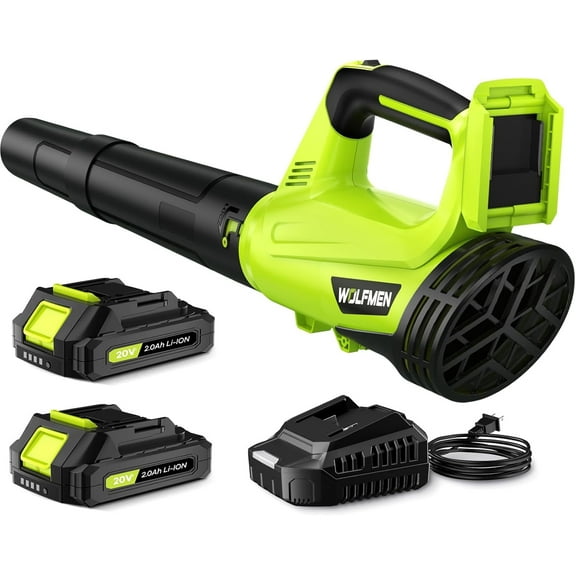
Start with the battery and air path. Cordless blowers often lose speed when the battery is cold, nearly empty, worn, or unable to supply enough current.
Use this order:
- Remove and reinstall the battery.
- Charge it with the approved charger.
- Clean the intake and tube.
- Test with a known-good compatible battery, if available.
- Check the speed control.
- Stop if the battery becomes hot, swollen, or damaged.
If a second compatible battery produces strong airflow, the original battery may be worn. If both batteries perform poorly, inspect the blower itself.
Corded electric leaf blower
Check the electrical supply before opening the blower. A weak or damaged extension cord can affect performance.
Use an outdoor-rated cord of the type and size listed in the owner’s manual. Keep the cord fully visible and away from the nozzle. Never use a cord that is hot, frayed, cut, or wet at the connection.
If the blower works normally when plugged directly into a suitable outlet but becomes weak with an extension cord, the cord or outlet may be the problem. If it stays weak, inspect the tube, intake, switch, and motor.
Gas leaf blower
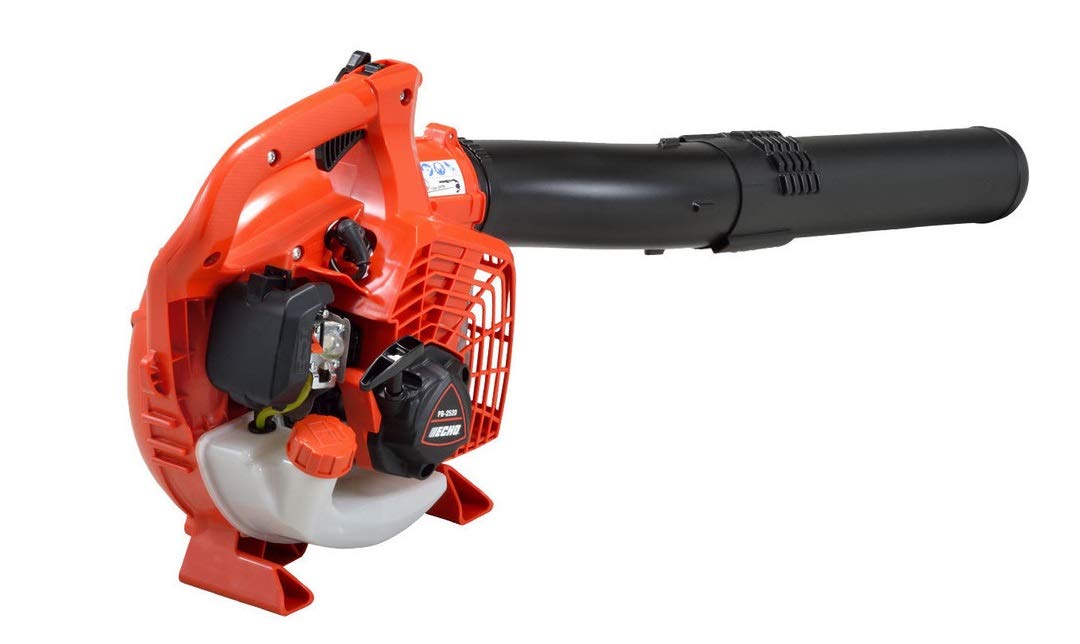
Gas blowers need clean fuel, adequate air, and a correctly adjusted engine. A dirty air filter, stale fuel, blocked fuel filter, or damaged spark plug can reduce engine speed.
Do not adjust the carburetor based only on sound. Some models have emissions-related settings that require special tools or service procedures. Follow the manual or use a repair technician.
A gas blower that emits heavy smoke, backfires, leaks fuel, or runs dangerously hot should be turned off and serviced.

When a Weak Leaf Blower Needs Repair
Some problems are suitable for basic cleaning. Others require parts or professional service.
You can usually handle
You can usually handle these tasks if the manual permits them:
- Removing leaves from the tube
- Cleaning the intake screen
- Charging or replacing a battery
- Replacing a gas-engine air filter
- Replacing approved fuel
- Tightening a loose tube connection
- Cleaning accessible debris from the housing
Seek qualified service for
Use a repair shop or the manufacturer’s service network when:
- The impeller is cracked or loose.
- The motor sparks, smokes, or smells burnt.
- The blower has severe vibration.
- A battery is swollen or damaged.
- The cord or plug is damaged.
- The engine will not reach speed after fresh fuel and a clean filter.
- The carburetor needs adjustment.
- Wiring, switches, or electronic controls need testing.
- The blower has been dropped or struck by a hard object.
Before service, record the model number and describe what changed. Say whether the blower is weak at startup, only under load, or after it warms up. That detail can shorten diagnosis time.
Common Mistakes That Make Airflow Problems Worse
Avoid these shortcuts:
- Running the blower without its tube: The machine may not cool or direct air as designed.
- Using a wet cloth inside the motor area: Moisture can damage electrical parts.
- Blowing debris deeper into the intake: Compressed air can push dirt toward the fan or motor.
- Using the wrong fuel mix: This can damage a two-stroke engine.
- Cleaning a paper filter with high-pressure air: It may create holes that let dirt pass.
- Testing a damaged battery: Heat and swelling can signal a fire risk.
- Removing safety screens: The fan can become exposed to debris and contact.
- Holding the throttle open with a jammed tube: The motor may overheat or suffer added stress.
- Using a metal tool near the impeller: It can damage blades or create sparks.
If the blower suddenly becomes weak after picking up a rock, stop using it. A sudden change often points to impeller or housing damage rather than a normal filter issue.

How to Prevent Weak Airflow
Basic care helps a leaf blower keep its designed airflow.
After each use, remove loose grass and leaves from the tube and intake. Store the blower in a dry place. Keep the tube free from crushing pressure.
For cordless models, store batteries as directed by the battery maker. Avoid extreme heat and inspect the pack before charging.
For gas models, follow the manual’s storage process. Use fresh fuel and the correct oil mix. Long-term storage may require draining the tank or treating the fuel. The correct step varies by engine design.
Inspect the air filter at the interval listed in the manual. Replace damaged tubes, screens, seals, and fan parts rather than trying to repair them with tape.
FAQ About Weak Leaf Blower Airflow
Why is my leaf blower loud but not blowing hard?
A loud motor with weak airflow may have a blocked tube, leaking housing, or damaged impeller. The motor can sound fast while the fan fails to move air correctly. Turn the blower off and inspect the tube and fan area.
Can a dirty air filter make a leaf blower blow weak air?
Yes. On a gas model, a dirty air filter restricts intake air and can keep the engine from reaching full speed. On some electric models, a blocked intake can also limit cooling and airflow. Clean or replace the filter according to the manual.
Why does my cordless leaf blower lose power after a few minutes?
A low or worn battery is one possible cause. Heat protection, a blocked intake, or a motor problem can also reduce speed. Let the blower cool, clean the air path, and test with a properly charged approved battery.
Why does my leaf blower work without the nozzle but not with it?
The nozzle may be blocked, damaged, or incorrect for the model. A nozzle can also make a normal blower feel weaker by changing air speed and volume. Check for debris and confirm that the attachment matches the owner’s manual.
Should I replace or repair a weak leaf blower?
Repair is more reasonable when the problem is a filter, tube, switch, or cleanable fuel issue. Replacement may make more sense when the motor, impeller, battery, or electronic control has failed and the repair cost is close to that of a suitable new blower. Compare the exact repair estimate with the blower’s age and condition.
Conclusion
A leaf blower blowing weak air usually has a restricted air path, weak power source, dirty filter, fuel problem, or damaged fan. Start by disconnecting power, cleaning the tube and intake, and checking the battery, cord, or fuel. Then inspect the filter and controls.
Stop using the blower if it vibrates, sparks, overheats, smells burnt, leaks fuel, or has a damaged battery or impeller. The safest next step is a model-specific repair manual or qualified service technician.
Sources and Further Reading
- U.S. Consumer Product Safety Commission: Outdoor Power Equipment Safety
- U.S. Environmental Protection Agency: Small Engine and Outdoor Power Equipment
- OSHA: Electrical Safety
- Consumer Product Safety Commission: Gasoline Safety
- The owner’s manual for the exact leaf blower model, including its maintenance, fuel, battery, cord, and storage instructions.