
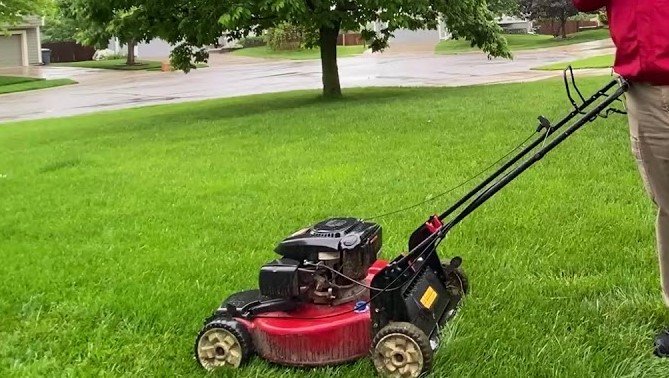
Mowing wet grass can lead to uneven cuts, clogged mower decks, and severe lawn diseases. It is best to wait until the grass blades are completely dry to ensure a professional finish and protect your soil from unwanted compaction.
We have all been there. You have a busy weekend, and you finally have a free Saturday afternoon to tackle the yard work. Just as you are about to pull the lawnmower out of the garage, the sky opens up, and a heavy rain shower sweeps across your neighborhood. You might find yourself staring at your overgrown lawn, wondering, is it ok to mow the lawn after rain?
It is a common temptation to want to get the job done quickly, especially if the grass is growing rapidly during the warmer months of 2026. However, as any professional landscaper will tell you, patience is a virtue when it comes to turf management. Mowing while the grass is still damp might seem like a time-saver, but it often leads to more work and significant damage to your lawn’s health in the long run.
Key Takeaways
- Wait for Dryness: Always let your lawn dry for at least 24 hours after a significant rainfall to ensure healthy grass blades.
- Protect Your Mower: Wet grass clippings clump together, which can clog the underside of your mower and cause rust or engine strain.
- Prevent Lawn Disease: Cutting wet grass creates open wounds that are highly susceptible to fungal infections and lawn rot.
- Soil Health Matters: Mowing on soggy ground causes ruts and soil compaction, which chokes out the grass roots.
- Achieve a Better Cut: Dry grass stands upright, allowing for a sharp, clean cut that makes your lawn look neat and uniform.
- Safety First: Wet surfaces increase the risk of slipping, especially on slopes or uneven terrain, putting your safety at risk.
The Hidden Risks of Mowing Wet Grass
When you ask, is it ok to mow the lawn after rain, the short answer is almost always no. Wet grass behaves very differently than dry grass. When your lawn is saturated, the individual blades are weighed down by water. Instead of standing tall and crisp, they lean over, which makes it nearly impossible for your mower blades to grab them cleanly.
The Impact on Your Lawn’s Appearance
Because the grass is limp and leaning, you will often find that a wet mow results in a ragged, torn look rather than a clean cut. These torn edges are not just an eyesore; they are an open invitation for pests and disease. A sharp, clean cut heals quickly, but a shredded blade of grass takes longer to recover, leaving your lawn looking dull or brownish in patches.
Disease and Fungal Growth
One of the biggest concerns with mowing wet grass is the spread of lawn disease. When your mower blade cuts through damp grass, it creates a wet, pulpy residue that sticks to the underside of your machine. As you continue moving across the lawn, this mixture acts as a breeding ground for fungi. You end up essentially painting your lawn with pathogens, which can lead to unsightly circular patches or mold that can take weeks to treat.
Protecting Your Mower and Equipment
Beyond the health of the grass, you have to consider the machinery you are using. Mowing after a rainstorm can significantly shorten the lifespan of your lawn mower. Modern mowers are designed to discharge dry clippings through the chute, but moisture changes the physics of the entire process.
Visual guide about Is It Ok to Mow the Lawn After Rain
Image source: cubeduel.com
Clogging and Engine Strain
When grass is wet, the clippings don’t fly out of the discharge chute. Instead, they turn into a thick, sticky paste. This paste builds up inside the deck of the mower, clogging the chute and muffling the blades. This forces your engine to work much harder to keep the blades spinning, which can lead to overheating or early motor failure. In 2026, with the rise of electric mowers, this extra resistance is particularly hard on battery life, causing your mower to die long before the job is finished.
The Rust Factor
Even if you have a high-end mower with a deck wash system, leaving wet grass trapped underneath is a recipe for rust. The moisture and the acidic nature of decomposing grass clippings will slowly eat away at the metal deck of your machine. If you must mow while conditions are less than ideal, you need to spend extra time cleaning the underside of the deck, which often negates any time you thought you were saving by rushing the task.
Soil Compaction and Lawn Ruts
We often forget that a healthy lawn requires healthy soil. When the ground is soaked from recent rain, it becomes soft and pliable. Riding mowers or even heavy walk-behind mowers exert a lot of pressure on the ground. When that ground is muddy, you run the risk of creating deep ruts that can ruin the level surface of your yard.
Damage to the Root System
Soil compaction is a major silent killer of lawns. When the soil is compressed by heavy machinery, it squeezes out the air pockets that the roots need to breathe. This prevents water and nutrients from penetrating deep into the soil. Over time, this leads to thinning grass and an increase in opportunistic weeds that prefer compacted soil.
Safety Considerations
Never underestimate the physical safety risk of mowing on wet surfaces. Slipping while operating a mower is a leading cause of yard-related injuries. If your lawn has any slope or elevation changes, wet mud can turn your workspace into a slip-and-slide. Always prioritize your personal well-being over the aesthetics of the yard.
How to Tell If Your Lawn Is Ready
If you are still wondering, is it ok to mow the lawn after rain, there is a simple test you can perform. Walk out onto your grass in a pair of regular shoes—not boots, just everyday shoes. If your shoes come back clean and dry, you are likely in the clear. If you see footprints forming in the soil or if your shoes get damp from the surface water, the lawn is not ready.
The 24-Hour Rule
As a general rule of thumb for 2026 homeowners, try to wait at least 24 hours after a significant rainfall. If it was a light drizzle that lasted only a few minutes, you might get away with waiting only 6 to 8 hours. However, after a heavy thunderstorm or an all-day rain event, 24 hours is the gold standard for allowing the grass and the soil underneath to recover sufficiently.
Timing the Mowing Schedule
If you know a storm is coming, try to mow your lawn the day before the rain starts. This keeps your lawn looking sharp throughout the week. If you miss that window, simply adjust your expectations. It is better to have a slightly shaggy lawn for an extra day than a diseased, patchy lawn for the rest of the season.
Alternatives and Maintenance Tips
If you absolutely must maintain your lawn during a rainy week, there are a few things you can do to minimize the impact. First, make sure your mower blades are as sharp as possible. Dull blades tear wet grass more than they cut it, increasing the damage to the blades. Secondly, set your mower deck to a higher setting. By only trimming the top third of the grass, you reduce the amount of clippings produced and prevent the mower from clogging as easily.
Use a Blower to Your Advantage
If you are in a rush and the grass is only slightly damp, you can sometimes use a leaf blower to dry off the surface of the grass before you mow. This is time-consuming, but it removes the standing water from the tips of the blades, allowing for a much cleaner cut and less mess in the mower deck.
Conclusion
So, is it ok to mow the lawn after rain? While it is tempting to cross the chore off your list as soon as the clouds clear, the evidence is clear: waiting is the best choice for both your lawn and your equipment. By waiting for the grass to dry, you ensure a cleaner cut, prevent the spread of lawn disease, protect your soil from compaction, and keep your mower in peak operating condition.
In 2026, lawn care is as much about science as it is about effort. Taking the time to observe your lawn’s conditions will result in a healthier, greener, and more resilient yard. Remember that your lawn is a living ecosystem. Treat it with care, be patient with the weather, and you will be rewarded with a beautiful outdoor space that is the envy of the neighborhood.
Frequently Asked Questions
How long should I wait to mow after it rains?
You should generally wait at least 24 hours after a heavy rain. If it was only a light shower, you might be able to mow after 6 to 8 hours, provided the grass feels dry to the touch.
What happens if I mow while the grass is wet?
Mowing wet grass can cause the clippings to clump, clog your mower deck, create ruts in your lawn, and leave the grass susceptible to fungal diseases and rot.
Can mowing wet grass damage my lawn mower?
Yes, wet grass creates a thick paste that strains the mower engine and can lead to rust on the underside of the mower deck. It also significantly reduces the efficiency of the cutting process.
How can I tell if my grass is dry enough to cut?
Perform the shoe test: walk across your lawn and check the soles of your shoes. If they remain clean and dry without leaving deep footprints, it is usually safe to mow.
Is it okay to mow early in the morning when there is dew?
It is best to avoid mowing early in the morning when the dew is heavy. Most lawns are damp until mid-morning, so waiting until the sun has had a chance to dry the grass is the better approach.
What should I do if I absolutely have to mow wet grass?
If you must mow, ensure your mower blades are extremely sharp, raise the cutting height to the highest setting, and clean the underside of the mower deck immediately after you finish to prevent rust and mold.