
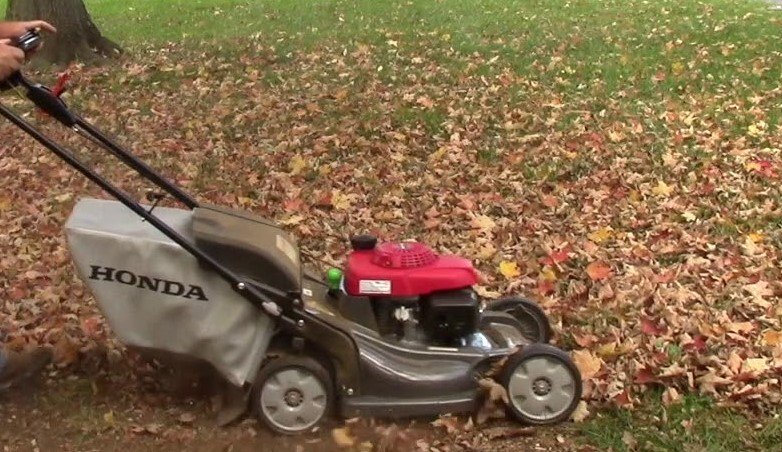
Mowing leaves is one of the best ways to maintain a healthy lawn during the autumn months. Instead of raking and bagging, shredding leaves into your turf acts as a natural, free fertilizer that suppresses weeds and improves soil structure.
As the air turns crisp and the colors change in 2026, many homeowners start to dread the annual chore of yard cleanup. You look out your window and see a thick carpet of orange and brown covering your green grass. The big question pops into your head: Is mowing leaves good for your lawn, or should I be grabbing the rake?
For a long time, the standard advice was to clear every single leaf off the grass to prevent damage. We were told that leaves would smother the lawn and cause mold. However, modern lawn care research tells a different story. If you shred them properly, leaves are actually a secret weapon for a lush, healthy landscape.
Key Takeaways
- Natural Fertilizer: Shredded leaves provide essential nutrients like nitrogen and phosphorus back to your soil.
- Time Efficiency: Mulching saves hours of labor compared to the traditional, exhausting process of raking and bagging.
- Weed Suppression: A layer of shredded leaves acts as a living mulch that prevents sunlight from reaching weed seeds.
- Moisture Retention: Mulched organic matter helps the soil retain water, keeping your lawn hydrated through dry spells.
- Environmental Impact: Keeping leaves on-site reduces the need for synthetic chemicals and keeps yard waste out of landfills.
The Science Behind Mulching Leaves
When you use a mower to shred fallen leaves, you are performing a process called leaf mulching. Instead of seeing these leaves as debris, think of them as free, high-quality organic matter. As they break down into small pieces, they filter through your grass blades and reach the soil surface.
Improving Your Soil Structure
Once those tiny leaf particles reach the dirt, they begin to decompose. This process introduces carbon and other nutrients into the soil. Over time, this improves the soil texture, making it more porous. Better soil allows grass roots to grow deeper, which is essential for a hardy lawn that can survive extreme weather.
The Benefits of Natural Decomposition
Nature rarely works by removing organic matter from the forest floor. Forests thrive because leaves fall and feed the trees. By mowing your leaves, you are essentially mimicking this natural cycle in your own backyard. You are giving your grass a boost of organic fuel that synthetic fertilizers often fail to replicate.
Is Mowing Leaves Good for Your Lawn Compared to Raking?
Raking is a workout, but it can actually be harmful to your property. When you rake, you often remove the top layer of thatch that protects your grass. You also spend precious time dragging bags to the curb, which ends up in landfills. Mowing, on the other hand, keeps the nutrients right where they are needed most.
Visual guide about Is Mowing Leaves Good for Your Lawn
Image source: i.pinimg.com
Saving Your Weekends
Let’s be honest: your weekends are for relaxing. Raking can take an entire Saturday. Mowing takes a fraction of that time. By adopting a mulch-first approach, you reclaim your free time while simultaneously doing something better for the environment.
Reducing Waste Streams
In 2026, sustainability is a top priority for many neighborhoods. When you bag your leaves and send them to a landfill, you are adding to the municipal waste burden. Shredding them on-site eliminates the need for plastic bags and the carbon emissions associated with trucks picking up yard waste. It is a win-win for you and the planet.
The Proper Technique for Shredding Leaves
You cannot just run over a giant pile of wet leaves and expect great results. Technique matters. If you want to know if mowing leaves is good for your lawn, the answer depends on how you handle the process. If you follow the right steps, you will see a much better result.
Use a Sharp Mower Blade
A dull blade tears grass and leaves, which leaves them susceptible to disease. Make sure your mower blade is sharpened before the autumn season begins. A sharp blade cleanly cuts through the leaf litter, creating tiny particles that disappear into the lawn canopy within a day or two.
Don’t Let Them Get Too Deep
If your lawn is buried under a layer of leaves six inches deep, your mower will struggle. The key is to mow often. If you mow once a week, the leaf cover will never get too thick. If you have heavy leaf drop, you might need to make two passes with the mower to ensure the leaves are small enough to reach the soil.
Choosing the Right Mower Settings
Most modern mowers have a “mulch” setting. This setting keeps the leaves under the deck longer, allowing the blade to hit them repeatedly. If your mower doesn’t have a mulch plug, you can still shred leaves, but you may need to go over the area twice. The goal is to ensure the leaves are shredded to roughly the size of a dime.
Common Concerns About Mulching Leaves
Some people worry that leaving leaf debris behind will create thatch. This is a common misconception. Research has shown that shredded leaves do not contribute to thatch buildup. Instead, they encourage the growth of beneficial earthworms and microorganisms that actually eat thatch.
What About Lawn Disease?
Another concern is lawn fungus. It is true that heavy, wet mats of whole leaves can trap moisture and harbor mold. However, when you mow the leaves into small pieces, they do not create a seal. Instead, they allow air to circulate, which actually prevents fungal growth. The trick is to keep the mulch layer thin enough so that you can still see the tips of the grass poking through.
Are Some Leaves Better Than Others?
Most tree leaves are excellent for your lawn. Oak, maple, and fruit tree leaves all break down well. The only time you might want to be careful is if you have a massive amount of thick, leathery leaves, like those from certain Magnolia trees. If you have those, just make sure to shred them extra fine or mix them with lighter maple or birch leaves.
When to Stop Mowing and Start Raking
While mowing is generally great, there are times when it might not be enough. If you have so many leaves that they completely hide your grass, you should rake some of them away. You can use the excess as mulch for your garden beds or as a base for a compost pile. Your garden shrubs and perennials will love the extra protection during the winter.
Managing Excessive Leaf Litter
If you have massive trees in your yard, don’t feel pressured to force all those leaves into the lawn. Aim to keep a light layer on the grass—enough to nourish the soil without suffocating the turf. If the volume is simply too much, clear the excess to your garden borders. You are still recycling the nutrients, just in a different location.
The Last Mow of the Season
As winter approaches and the grass stops growing, you should do one final pass. This ensures that the last of the fallen leaves are shredded before the snow covers everything. This provides a slow-release fertilizer that will be ready to help your lawn wake up faster in the spring.
A Sustainable Future for Your Lawn
As we move through 2026, gardening practices are becoming more focused on working with nature. Mowing leaves is a perfect example of this shift. It is a simple, cost-effective, and highly beneficial habit that turns a chore into a care routine for your outdoor space.
By moving away from the “perfectly bare” look and embracing a more natural, leaf-enriched lawn, you are supporting a healthier ecosystem. Your grass will be stronger, your soil will be richer, and you will have more time to enjoy your yard. So, the next time the leaves start to fall, leave the rake in the shed, fire up the mower, and feed your lawn the natural way.
Frequently Asked Questions
Will mowing leaves cause thatch buildup?
No, shredded leaves do not contribute to thatch. In fact, they encourage the activity of earthworms and beneficial microbes that help break down existing thatch layers naturally.
How fine should I shred the leaves?
You should aim to shred leaves into pieces about the size of a dime. If you can see the grass blades through the leaf particles, you have reached the perfect density.
Can I mow all types of tree leaves?
Yes, most deciduous tree leaves are beneficial. If you have exceptionally thick or waxy leaves, just be sure to shred them into smaller pieces or mix them with other leaf types to help them decompose faster.
What if my mower is not a dedicated mulching mower?
You can still shred leaves without a dedicated mulching kit. Simply go over the lawn twice in different directions to ensure the leaves are chopped finely enough to settle into the soil.
How often should I mow my leaves?
It is best to mow once a week throughout the fall. Keeping the leaf layer thin prevents your mower from clogging and ensures the grass doesn’t get smothered.
Is it ever bad to mow the leaves?
It is only problematic if you allow the leaves to accumulate until they are several inches thick. If the layer is too heavy, the mower will struggle and the grass beneath may be blocked from sunlight.