
Introduction
For homeowners in the United States, a leaf blower is a quick way to clear leaves, pine needles, grass clippings, and light dust from artificial grass. Use the blower on a low or medium setting. Keep the nozzle several inches above the turf. Work in the direction of the grass fibers and avoid blowing hard against seams, edges, or loose infill.
A leaf blower should remove surface debris only. Do not use it to move pet waste, wet mud, stones, or heavy objects. Always check the care guide for your specific synthetic turf because some lawns use sand, rubber, or other infill that can move under strong airflow.

Can You Use a Leaf Blower on Artificial Grass?
Yes, you can use a leaf blower on most artificial grass lawns. Done correctly, blowing is one of the fastest ways to clean synthetic turf without raking or brushing the entire surface.
Artificial grass has plastic blades attached to a backing. Many installations also contain infill between the blades. Infill helps support the turf, improve drainage, and keep the grass upright. A strong air stream held too close to the surface may move light infill or send it toward the edge of the lawn.
The main rule is simple: use enough air to move debris, but not enough to disturb the turf system.
A leaf blower works well for:
- Dry leaves
- Pine needles
- Small twigs
- Grass clippings
- Loose flower petals
- Light dust
- Some dry seed pods
A blower is not the right tool for:
- Pet feces
- Wet soil or mud
- Large rocks
- Broken glass
- Nails or sharp metal
- Standing water
- Sticky spills
- Deep stains
Pick up heavy or sharp debris by hand first. Clean organic waste with water and a suitable turf cleaner.

What to Do Before Blowing Artificial Turf
A short inspection helps prevent damage and keeps debris from spreading.
Check the weather
Blow dry debris on a dry day when possible. Wet leaves are heavier and may stick to the grass. Wet soil can also become airborne as mud or spray.
A light breeze is manageable, but strong wind can carry leaves into nearby yards, streets, storm drains, or pools. If the wind is strong, wait or work with the wind rather than against it.
Inspect the lawn
Walk over the area before starting. Look for:
- Toys and pet items
- Small stones
- Glass
- Metal objects
- Loose edging
- Lifted seams
- Exposed backing
- Areas where infill looks thin
Remove hard objects by hand. If a seam or edge is loose, do not blow directly across it. Air pressure may lift the turf farther.
Read the turf care instructions
The best blower setting depends on the turf type and infill. Some manufacturers allow leaf blowers. Others recommend a broom or a low-power blower for certain products.
If you know the installer or turf brand, check the care guide before the first cleaning. Follow the product instructions if they are more specific than general advice.
Wear basic protective equipment
Wear safety glasses when blowing debris. Small stones, twigs, and dry dirt can travel at high speed. Use hearing protection around loud gas blowers or during long cleaning sessions.
Wear closed-toe shoes. Keep children and pets away from the work area until the debris has settled.

How to Use a Leaf Blower on Artificial Grass: Step-by-Step
Follow these steps to clear artificial grass safely and evenly.
1. Choose the lowest useful power setting
Start with the lowest speed that moves the debris. Increase the power only when needed.
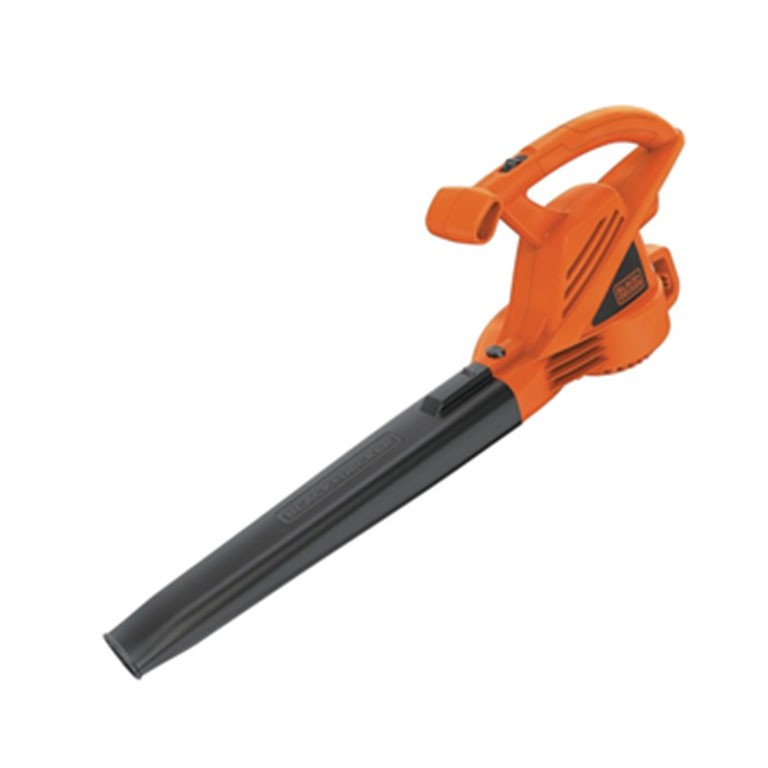
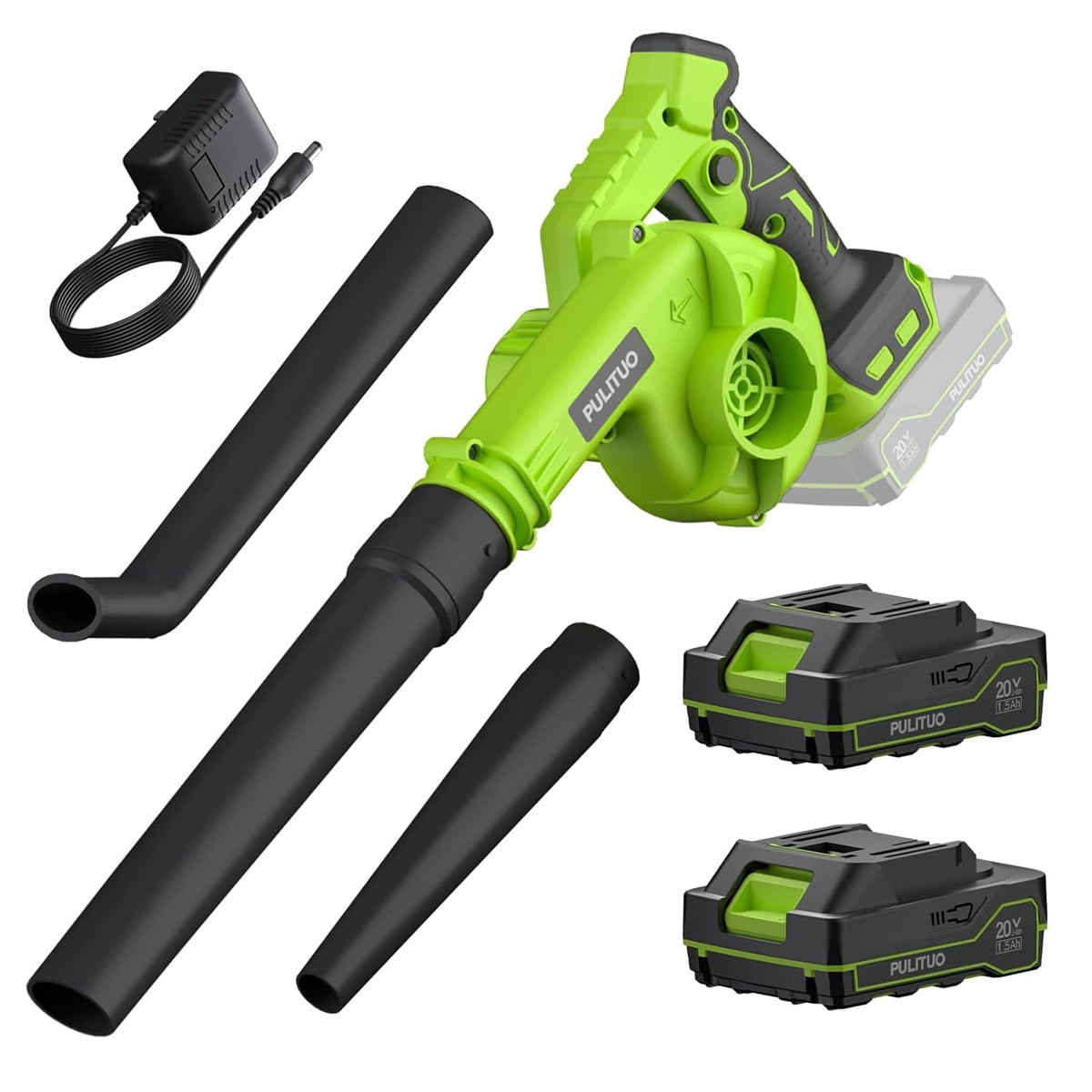
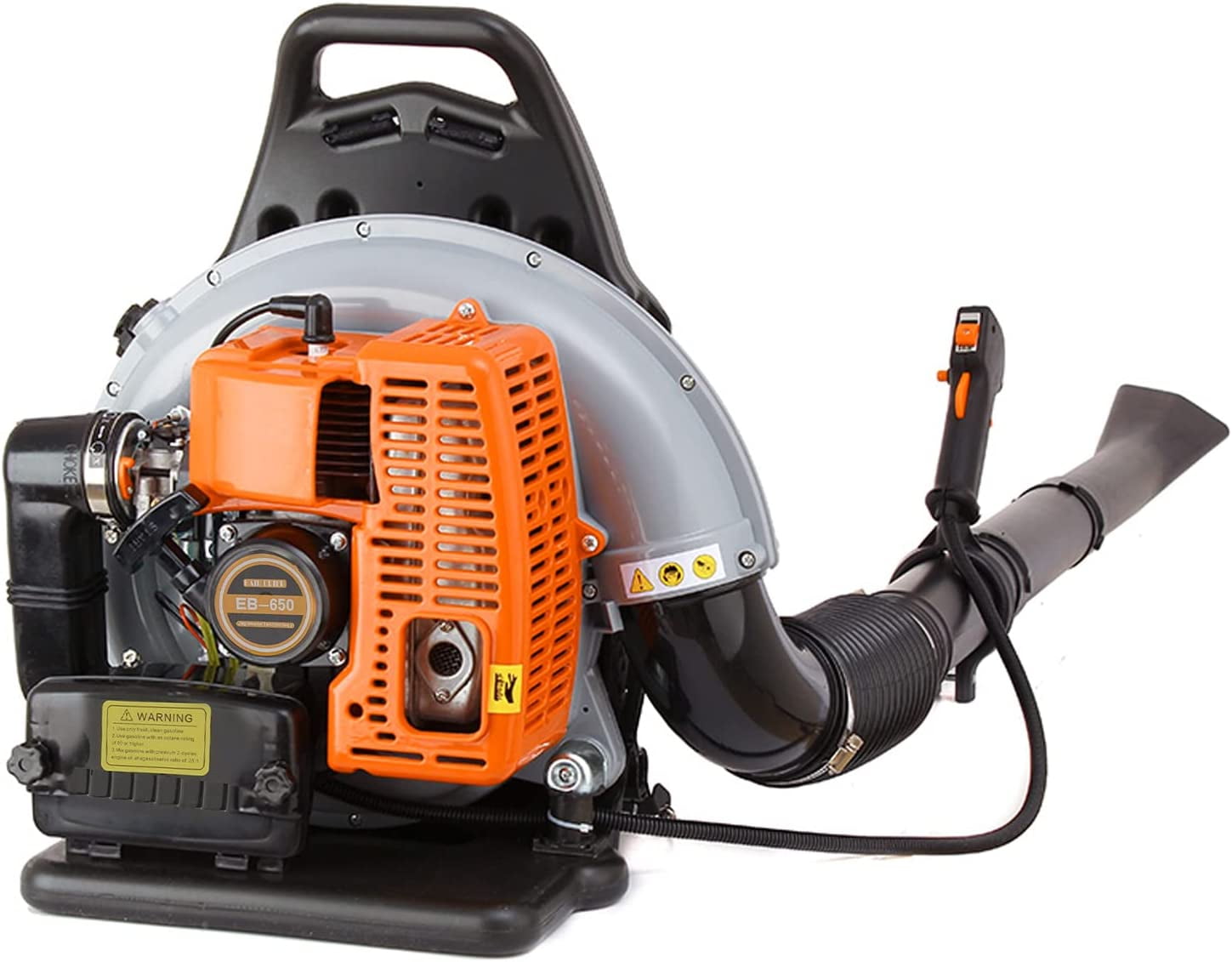
A battery or electric blower often gives better control for a small residential lawn. A high-powered backpack or gas blower may be useful for a large area, but it can move infill if used too close to the surface.
Do not start at full power. High airflow can scatter debris, disturb infill, and make the job harder.
2. Hold the nozzle above the grass
Keep the nozzle about 6 to 12 inches above the turf as a starting point. The correct height depends on the blower and the type of debris.
Raise the nozzle if:
- Sand or infill begins to move
- Grass blades flatten
- Debris sprays unpredictably
- The turf has a short pile
- You are working near an edge
Lower the nozzle slightly only if light debris will not move. Never drag the nozzle across the grass.
3. Use a shallow angle
Aim the air across the top of the grass, not straight down into it. A shallow angle helps lift leaves while reducing the chance of driving dirt into the turf or moving infill.
Think of the air stream as a soft broom. Sweep debris across the surface instead of blasting the lawn.
4. Work in one direction
Start at the far end of the lawn. Blow debris toward a collection point, such as a paved area, garden bed, or open edge.
Use slow, steady passes. Avoid random bursts because they spread debris back over areas you have already cleaned.
For a rectangular lawn, you can work in strips:
- Start along the far edge.
- Move debris toward one side.
- Step back and repeat the pass.
- Continue until you reach the near edge.
- Gather the debris with a dustpan or by hand.
5. Blow with the grass grain
Artificial grass fibers usually lean in one direction after installation and regular use. Blowing with that direction reduces resistance and helps keep the blades upright.
If you do not know the grain direction, look at the grass from several angles. The side that appears darker often shows the direction in which the fibers lean.
Near seams, edges, and hard borders, lower the power and increase the nozzle height. Do not force debris under the edge of the turf.
6. Collect the debris
Do not blow leaves into the street, a storm drain, or a neighbor’s property. Collect the debris and dispose of it according to local rules.
Leaves can go into a compost or yard-waste bin if they are free of trash and chemicals. Do not compost pet waste unless your local program specifically accepts it.
7. Inspect the surface after cleaning
Look for signs that the air was too strong:
- Exposed backing
- Bare-looking areas
- Infill piled at the edge
- Flattened grass fibers
- Loose seams
- Debris trapped at the base
If the grass is flat, brush it gently with a synthetic-turf rake or a soft, stiff-bristle broom. Brush against the direction of lay only when needed to lift the fibers. Avoid metal rakes because they can cut or pull the backing.

The Best Leaf Blower Settings for Synthetic Turf
The right setting depends on the blower, the debris, and the turf installation. There is no single speed that works for every lawn.
| Condition | Suggested approach |
|---|---|
| Dry leaves on a small lawn | Low power, nozzle 6–12 inches above grass |
| Pine needles | Low to medium power, slow passes |
| Light dust | Low power, shallow angle |
| Damp leaves | Wait for them to dry, or remove them by hand |
| Turf with loose sand infill | Low power and greater nozzle height |
| Near seams or borders | Lowest useful power |
| Large, open lawn | Medium power only if infill stays in place |
| Strong wind | Delay the job or work with the wind |
These are starting points, not fixed manufacturer settings. Watch the turf as you work. If infill moves, stop and reduce the airflow or increase the nozzle distance.
A useful test is to select a small hidden area. Blow for a few seconds. Check whether the debris moves without visible turf movement. If the test looks good, continue with short passes.

How to Clean Pet Hair, Dust, and Small Debris
A leaf blower can remove light surface debris, but it will not solve every cleaning problem.
Pet hair
Blowing may move loose pet hair, but it can also scatter hair around the yard. A stiff synthetic broom, rubber rake, or turf brush often gives better control.
Brush in one direction, collect the hair, and dispose of it. Clean pet hair often collects near fences, walls, and drainage points.
Dust and fine dirt
Use a low blower setting first. If dust remains, rinse the turf with a garden hose. A gentle flow can wash fine particles through the backing when the installation has proper drainage.
Do not flood the area if drainage is blocked. Standing water may indicate a clogged base, compacted soil, or another installation problem.
Pine needles
Pine needles can settle deep between the blades. Use a low or medium setting and move slowly. A plastic leaf rake or turf broom may work better if the needles are packed into the surface.
Small leaves
Dry leaves are the easiest debris to remove. Blow them toward a single collection point rather than across the whole yard.

How to Remove Debris Without Losing Infill
The safest method is to adjust the airflow before infill moves. Stop as soon as you see sand, rubber granules, or other fill traveling with the debris.
Try these changes:
- Increase the distance between the nozzle and the turf.
- Lower the blower speed.
- Use a shallower angle.
- Work in the direction of the grass grain.
- Use a broom near seams and edges.
- Clean smaller sections at a time.
If a small amount of infill shifts, brush it back into place with a soft synthetic-turf broom. Do not add replacement infill by guesswork. The correct material and amount depend on the turf system.
Too little infill may reduce support. Too much may cover the fibers, affect drainage, or change the feel of the lawn. Ask the installer or turf manufacturer which infill is approved for the product.

What to Do If the Leaf Blower Does Not Work Well
The leaves will not move
The debris may be wet, packed down, or trapped in the fibers. Let it dry, then try again at a low setting. Use a plastic rake or stiff broom for material that sits below the surface.
The blower scatters debris everywhere
Lower the speed and work in smaller passes. Aim toward a collection area. Wind may also be carrying the debris away from the lawn.
Sand or infill is blowing away
Stop immediately. Raise the nozzle, reduce the speed, and test a different area. If the problem continues, use a broom instead.
The grass looks flat
Heavy foot traffic, furniture, heat, or incorrect brushing may flatten artificial grass. Brush the fibers gently with a synthetic-turf broom. If the backing is visible or the turf stays flat, contact the installer.
Debris keeps returning
Check nearby trees, roof gutters, fences, and garden beds. Leaves may also collect along the perimeter because of wind. A regular light cleaning is usually easier than waiting for a thick layer to build up.

Common Mistakes to Avoid
Avoid these habits when cleaning synthetic grass with a blower:
- Using full power from the start
- Holding the nozzle close to the blades
- Aiming straight down into the turf
- Blowing across loose seams
- Blowing wet soil or pet waste
- Sending leaves into storm drains
- Using a metal rake afterward
- Ignoring exposed backing or loose edging
- Running a gas blower in a closed garage
- Cleaning near people, pets, or open windows
- Adding infill without checking the turf instructions
Gas-powered blowers also produce exhaust and high noise. Use them outdoors, follow the owner’s manual, and observe local noise rules. Never use a gasoline blower inside a garage, shed, or other enclosed space.
How Often Should You Blow Artificial Grass?
Clean artificial grass when debris appears rather than following a rigid calendar. Many residential lawns need light blowing once a week during leaf season. A lawn under trees may need more frequent cleaning.
A practical schedule is:
- After storms: Remove branches and wet leaves once the area is safe.
- During fall: Clear leaves before they become damp and compacted.
- During spring: Remove pollen, seed pods, and small twigs.
- During summer: Clear grass clippings and dry plant debris.
- After yard work: Remove loose mulch, clippings, and soil by hand or with low airflow.
Frequent light cleaning reduces the need for strong airflow. It also helps prevent organic debris from collecting between the fibers and breaking down into fine dirt.
Leaf Blower vs. Broom for Artificial Grass
A leaf blower is faster for large areas and dry, loose debris. A broom offers more control and is often better near seams, edges, infill, and small sections.
| Tool | Best use | Main limitation |
|---|---|---|
| Leaf blower | Dry leaves and light surface debris | Can move infill or spread debris |
| Synthetic-turf broom | Lifting fibers and collecting small debris | Takes more time |
| Plastic leaf rake | Pine needles and packed leaves | May pull too hard if used roughly |
| Garden hose | Dust and light surface dirt | Requires good drainage |
| Hand collection | Rocks, glass, pet waste, and sharp objects | Slow for large areas |
For many lawns, the best method combines tools. Use a blower for the open surface, then use a broom or hand tool around borders and problem spots.
Key Takeaways
- A leaf blower is generally safe for artificial grass when used at low or medium power.
- Keep the nozzle about 6 to 12 inches above the turf and aim across the surface.
- Blow dry leaves and light debris toward one collection point.
- Stop if you see infill moving or the grass fibers flattening.
- Never use a blower for pet waste, wet mud, glass, rocks, or sharp objects.
- Use a soft synthetic-turf broom near seams, edges, and loose infill.
- Follow the care instructions for your specific turf system.
Frequently Asked Questions
Can a leaf blower damage artificial grass?
It can cause problems if used too close, too forcefully, or directly against loose seams and edges. Excessive airflow may move infill or flatten fibers. Start at low power and watch the surface as you work.
Will a leaf blower remove sand from artificial grass?
It may move loose sand or other infill, especially when the nozzle is close to the surface. Raise the nozzle and reduce the power. If infill still moves, use a synthetic-turf broom.
Can I use a leaf blower to remove pet poop?
No. A blower can spread bacteria, odor, and small particles across the lawn and nearby surfaces. Remove solid waste first, then clean the area with water and a turf-safe cleaner.
Should I blow artificial grass before or after rain?
Dry debris is easier to remove before rain. After rain, wait until leaves and the surface are reasonably dry. Wet leaves are heavier and may stick between the fibers.
Can I use a vacuum instead of a leaf blower?
Some outdoor or wet-dry vacuums may work, but suction can pull fibers or infill if the nozzle is too close. Check the turf manufacturer’s instructions before using a vacuum.
Conclusion
The safest way to use a leaf blower on artificial grass is to start with low power, keep the nozzle above the surface, and blow at a shallow angle. Work with the grass grain and direct debris toward one collection point.
Watch for moving infill, flattened fibers, and loose edges. If any of these appear, stop and switch to a synthetic-turf broom. For the next cleaning, begin with a small test area and use the lowest airflow that gets the job done.
1 thought on “How To Use A Leaf Blower On Artificial Grass: Easy Guide”