
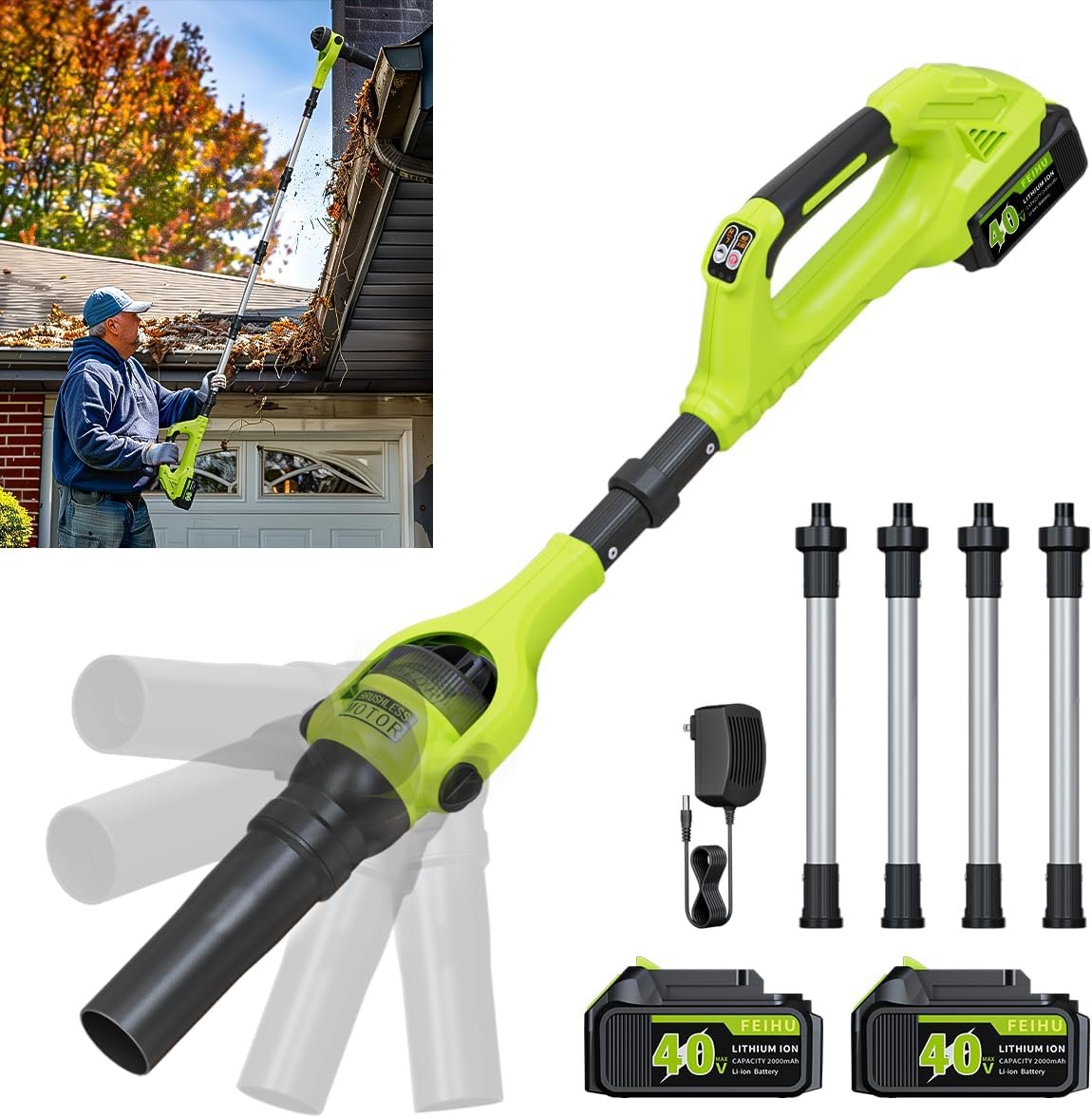
A smoking leaf blower in a U.S. yard usually has one of four problems: excess fuel, the wrong fuel mix, an overheated engine, or a damaged electrical part. Turn the blower off, move it outdoors away from dry leaves and fuel, and let it cool before checking anything.
Blue or white smoke often points to oil burning. Black smoke usually means too much fuel or too little air. Smoke from a battery or electric leaf blower is more urgent because it may signal an electrical fault or failing battery. Do not keep running the blower to “see if the smoke clears.”

What the Smoke Color Means
The smoke color gives you a useful first clue, but it does not prove the cause. Check the smell, where the smoke comes from, and what happened just before it appeared.
| Smoke or odor | Likely cause | What to do |
|---|---|---|
| Blue or blue-gray smoke | Oil burning in a gas engine | Stop the engine and check the oil or fuel mixture |
| White smoke | Oil, spilled fuel, moisture, or a hot surface | Shut it down and inspect after it cools |
| Black smoke | Rich fuel mixture, dirty air filter, or blocked air intake | Check the air filter, choke, and fuel system |
| Smoke from the motor or vents | Overheating or a failed part | Stop use and seek repair |
| Smoke from a battery or charger | Battery or electrical failure | Disconnect power only if safe and move away from combustibles |
| Burning plastic smell | Melted wiring, motor damage, or a blocked cooling path | Stop immediately and do not restart |
A small amount of vapor from a cold engine may disappear quickly. Thick smoke that continues after warm-up is not normal. Gasoline vapors can also ignite, so inspect a fuel blower only in an open outdoor area with no smoking, flames, or sparks nearby.
The smoke source matters
Smoke from the exhaust points toward combustion, fuel, oil, or air-flow problems. Smoke from the side of the engine may come from oil or fuel spilled on a hot muffler.
Smoke from an electric motor, power cord, plug, or battery pack suggests an electrical problem. Unplug the tool or remove the battery if you can do so without touching hot, melted, or damaged parts.
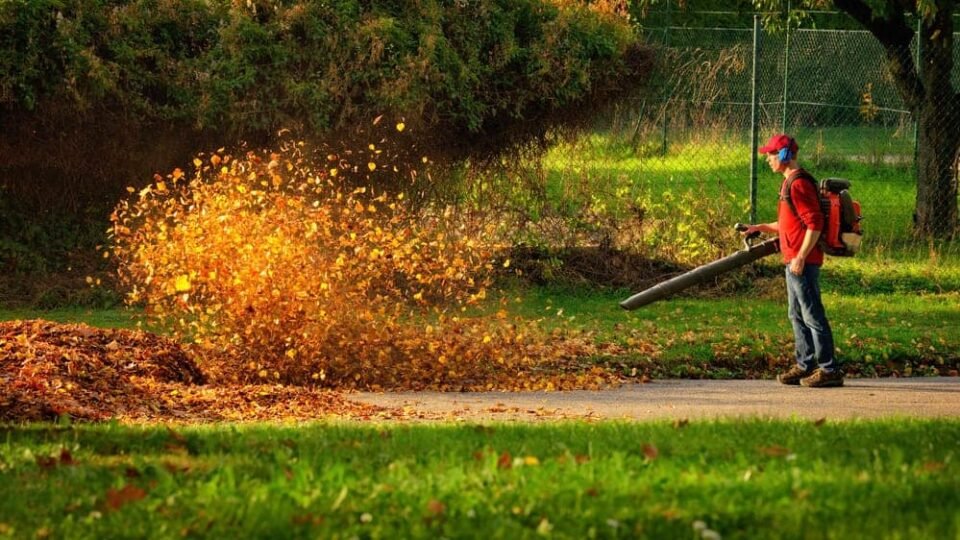
Common Reasons a Gas Leaf Blower Smokes
Gas-powered leaf blowers use either a two-stroke engine or a four-stroke engine. The correct diagnosis depends on that engine type.
1. The fuel mixture has too much oil
Most handheld two-stroke blowers use gasoline mixed with two-stroke engine oil. The oil ratio must match the owner’s manual or the oil manufacturer’s label.
Too much oil can create blue or white exhaust smoke. It can also foul the spark plug, reduce power, and leave oily deposits in the muffler.
Do not guess the ratio. For example, if a manual calls for a 50:1 mixture, one U.S. gallon of gasoline needs about 2.6 fluid ounces of two-stroke oil. A 40:1 mixture needs about 3.2 fluid ounces per gallon. These are examples, not universal instructions. Use the ratio listed for your blower.
If you used the wrong mixture:
- Stop the blower and let it cool.
- Drain the fuel only if the manual allows it and you know how to handle gasoline safely.
- Add the correct fuel mixture.
- Inspect or replace a fouled spark plug if required.
- Run the blower outdoors and watch for continued smoke.
Never add two-stroke oil to a four-stroke engine unless the manufacturer specifically says to do so.
2. Oil was spilled on the muffler
A fuel or oil spill can smoke when it reaches the hot muffler or engine housing. This often happens after refueling, adding engine oil, or tipping the blower during transport.
The smoke should stop after the spilled oil burns away, but do not assume that is the cause. Turn the blower off, let it cool fully, and wipe the outside with an absorbent cloth. Do not use the blower until you find and correct the leak.
A leaking fuel tank, fuel line, cap, or carburetor needs repair before use. Gasoline on a hot engine is a fire risk.
3. The air filter is dirty
A blocked air filter reduces the air entering the engine. The engine then receives too much fuel for the available air, which can cause black smoke, poor acceleration, and a sooty exhaust.
Remove and inspect the filter according to the owner’s manual. Some filters can be washed; others must be replaced. Do not oil a foam filter unless the manual calls for it.
A dirty air filter is a common and low-cost repair. However, replacing the filter will not fix smoke caused by a stuck choke, carburetor fault, or internal engine damage.
4. The choke is still closed
The choke restricts air during a cold start. Once the engine warms up, it usually needs to open. If the choke remains partly or fully closed, the engine may run rich and produce black smoke.
Move the choke to the normal run position after the starting procedure in the manual. If the lever moves but the choke plate stays closed, the linkage may be damaged or stuck.
Do not force the control. A broken choke linkage may need service.
5. The engine is tilted or overfilled
Four-stroke leaf blowers have a separate crankcase filled with engine oil. Too much oil, the wrong oil level, or running the machine at an unusual angle can allow oil into areas where it burns.
Blue smoke after tipping a four-stroke blower is possible. Place the blower on a level surface, let it cool, and check the oil level using the procedure in the manual. The correct method may require the dipstick to be screwed in or left unscrewed, depending on the model.
Do not operate the blower above the angle or position allowed by its manufacturer. If smoke continues after the oil level is correct, stop using it.
6. The engine is overheating
A gas blower can overheat when grass, dust, or debris blocks the cooling fins, air intake, or muffler screen. A long period of heavy use in hot weather can also raise engine temperature.
Overheating may produce white smoke, a hot-metal smell, loss of power, or an engine that stops. Let the blower cool before cleaning it. Never touch the muffler or cylinder while hot.
Clean only the areas and parts named in the manual. A blocked spark-arrestor screen can reduce exhaust flow and engine performance, but it should be removed and cleaned only as the manufacturer directs.

Why an Electric or Battery Leaf Blower May Smoke
Smoke from an electric or battery-powered leaf blower requires a more cautious response than normal exhaust smoke. These tools do not burn gasoline, so smoke from the motor, cord, plug, charger, or battery is not a normal operating condition.
Corded electric blower
If a corded blower smokes:
- Release the trigger.
- Unplug it from the outlet if the plug and cord are safe to touch.
- If the cord, plug, outlet, or tool is hot or melted, turn off power at the circuit breaker instead.
- Keep the tool away from dry leaves and other combustible materials.
- Do not plug it back in for testing.
Possible causes include a jammed fan, worn motor brushes, a damaged extension cord, a loose plug connection, or an overloaded circuit. The extension cord must also meet the size and length requirements in the owner’s manual.
Do not use a cord with cuts, crushed sections, exposed wire, melted insulation, or hot connectors. A damaged cord can create shock and fire hazards.
Battery-powered blower
If smoke comes from the blower or battery:
- Stop using it immediately.
- Disconnect the battery only if it is cool and safe to handle.
- Move away from the tool if the battery is swelling, hissing, leaking, or becoming very hot.
- Place distance between the battery and combustible materials.
- Contact the battery or tool manufacturer for disposal and service instructions.
Do not puncture, crush, open, freeze, or place a damaged lithium-ion battery in water. Do not put a damaged battery in household trash or a normal recycling bin. The U.S. Consumer Product Safety Commission advises consumers to stop using lithium-ion batteries that show signs of damage, swelling, overheating, or other failure.
A battery that smoked during charging should not be charged again. A charger can also be the source of the problem, so stop using both the charger and battery until the manufacturer or a qualified repair provider evaluates them.

How to Troubleshoot a Smoking Leaf Blower Safely
Use this order because it starts with the safest and most useful checks.
Step 1: Shut it down and identify the power source
Turn off the blower. Unplug a corded model or remove the battery when safe. For a gas model, switch off the engine and place the blower outdoors on a stable, nonflammable surface.
If you see flames, heavy smoke, sparks, or a growing fuel leak, move away and call 911. Do not use water on a gasoline fire or an energized electrical tool. Use a fire extinguisher only if it is rated for the fire type, you know how to use it, and you have a clear escape path.
Step 2: Let the blower cool
Wait until the engine, muffler, motor, battery, and housing are cool. Do not remove a fuel cap from a hot gas blower. Hot fuel can expand and spray out when the cap is opened.
Keep children and pets away. Work outside, not in a garage, shed, basement, or other enclosed space.
Step 3: Find where the smoke came from
Check whether the smoke came from:
- The exhaust or muffler
- The air filter area
- The fuel tank or fuel line
- The motor housing
- The battery
- The cord, plug, or charger
Look for oil stains, wet fuel, melted plastic, black soot, blocked vents, or leaves packed around the cooling system.
Step 4: Check the fuel and oil type
For a two-stroke blower, confirm that the fuel contains the correct two-stroke oil ratio. For a four-stroke blower, check the separate engine-oil level and confirm that no mixed fuel was added by mistake.
Old or contaminated gasoline may cause hard starting, rough running, and poor combustion. Fuel-storage guidance varies by manufacturer, so follow the manual when deciding whether to drain or replace it.
Step 5: Inspect the air filter and choke
Check the air filter for dust, oil, or damage. Confirm that the choke is in the run position after warm-up.
Do not spray starting fluid into the intake unless the manufacturer specifically permits it. Starting fluid can damage some engines and creates a fire risk.
Step 6: Check for blockages
Remove leaves and dirt from the intake, cooling vents, fan housing, and muffler screen only as directed by the manual. Never insert fingers into the fan housing. The fan may move unexpectedly, even when the tool appears to be off.
Step 7: Decide whether a restart is safe
A brief test may be reasonable only when all of these conditions are true:
- There is no fuel leak.
- The cord, battery, plug, and housing are undamaged.
- There is no melted plastic or electrical smell.
- The engine has the correct fuel and oil.
- The blower is outdoors and away from dry debris.
- The owner’s manual does not prohibit further operation.
Stop at once if smoke returns, the tool loses power, the smell worsens, the motor makes a grinding sound, or the housing becomes unusually hot.

When to Repair or Replace the Leaf Blower
A simple filter cleaning or fuel correction may solve light smoke from a gas blower. Professional service is the safer choice when the cause is not clear or when the problem involves fuel, wiring, the motor, or internal engine parts.
Seek repair before further use if you notice:
- A fuel leak
- Smoke from the electrical motor
- A damaged battery or charger
- Melted wiring or plastic
- A seized or grinding fan
- Repeated overheating
- Smoke after correcting the fuel or oil
- A muffler that glows red
- Loss of compression, power, or engine control
- A blower that runs only with the choke partly closed
Do not remove a carburetor, muffler, motor, or battery pack unless you have the correct service information and tools. Manufacturer warranties may also exclude damage caused by incorrect fuel, unauthorized repairs, or non-approved parts.
A repair may not make economic sense for an old blower with multiple failures. Compare the cost of diagnosis, parts, and labor with the cost of a replacement that meets your yard’s needs. Do not keep using a dangerous tool simply because it is inexpensive or familiar.

How to Prevent a Leaf Blower From Smoking
Correct fuel handling and airflow maintenance prevent many smoke problems.
- Use the fuel and oil type listed in the owner’s manual.
- Measure two-stroke oil accurately instead of guessing.
- Store mixed fuel in a clean, approved fuel container.
- Keep the air filter clean and replace it when damaged.
- Clear leaves from cooling vents and the intake.
- Do not overfill a four-stroke engine with oil.
- Keep the muffler and exhaust area free of debris.
- Inspect cords, plugs, batteries, and chargers before each use.
- Do not use a battery that is swollen, cracked, wet, or unusually hot.
- Let the tool cool during long jobs in hot weather.
- Store gasoline away from ignition sources and follow local disposal rules.
Read the manual for your exact model. A “leaf blower” is not one standard machine: a two-stroke handheld blower, four-stroke backpack blower, corded electric blower, and battery blower have different failure points and service limits.
Frequently Asked Questions
Is it safe to use a leaf blower that is smoking?
No. Turn it off and identify the source before using it again. Smoke from a fuel engine may come from an incorrect mixture or oil spill, while smoke from an electric tool or battery may signal fire or shock hazards.
Why is my leaf blower smoking after I added gas?
You may have spilled fuel on the muffler, used the wrong fuel mixture, or overfilled a four-stroke engine. Let the blower cool outdoors, inspect for leaks, and follow the exact fuel instructions in the owner’s manual.
Why is my leaf blower blowing black smoke?
Black smoke usually means the engine is receiving too much fuel or not enough air. Check whether the choke is still closed and inspect the air filter. A carburetor problem can also cause a rich fuel mixture.
Why is my battery leaf blower smoking while charging?
Stop charging it. Smoke, heat, swelling, leaking, or a burning smell can indicate a failed battery or charger. Disconnect power only if it is safe, keep the damaged battery away from combustibles, and contact the manufacturer for handling and disposal instructions.
Can a dirty air filter make a leaf blower smoke?
Yes. A severely blocked air filter can reduce airflow and create a rich fuel mixture, which may produce black smoke. Clean or replace the filter as directed, but stop using the blower if smoke continues.
Final Answer
The most likely reason a gas leaf blower smokes is an incorrect fuel mixture, oil spilled on a hot part, a dirty air filter, a closed choke, or an overheating engine. Smoke from a corded motor, battery, charger, or wiring is more serious and requires immediate shutdown.
Stop the blower first, let it cool, inspect the smoke source, and follow the model’s manual before restarting it. If smoke returns or you find a fuel leak, melted part, damaged battery, or electrical smell, have the blower repaired or replace it rather than taking the risk.