
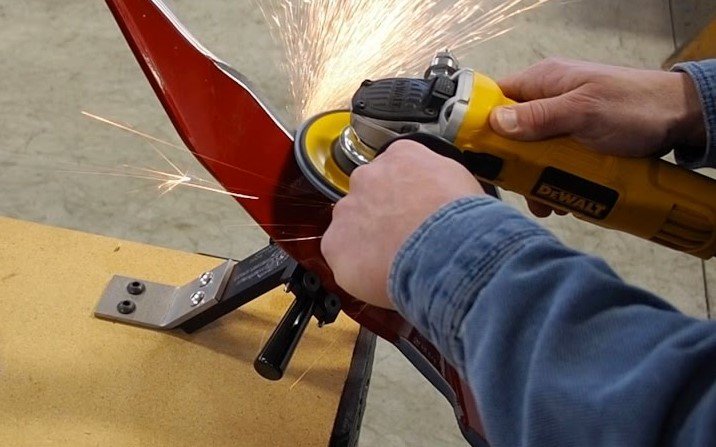
Maintaining a sharp mower blade is the secret to a lush, green lawn. This guide teaches you how to use a lawn mower blade sharpener safely and effectively to ensure your yard looks professional all season long.
Do you ever notice that after you finish mowing, your grass looks a bit ragged or brown at the tips? It is not always the fault of your watering schedule or the fertilizer you chose. Often, the culprit is a dull mower blade. Just like a kitchen knife struggles to slice through a tomato, a dull mower blade tears grass instead of cutting it. Learning how to use a lawn mower blade sharpener is one of the most rewarding DIY skills you can develop for your home maintenance routine.
By 2026, many homeowners are shifting toward DIY lawn care to save money and ensure high-quality results. Taking charge of your own equipment allows you to keep your mower running at peak performance without waiting on a repair shop. Let’s walk through the process of sharpening your blade so you can get back to enjoying your backyard oasis with that crisp, manicured finish you love.
Key Takeaways
- Regular Sharpening: Aim to sharpen your blade at least once or twice per season to ensure clean cuts.
- Safety First: Always disconnect the spark plug wire before working on your mower to prevent accidental startups.
- Balanced Blades: A sharp blade must be balanced; an unbalanced blade can damage your mower’s engine or bearings.
- Tool Selection: Choose the right sharpener for your needs, whether it is a file, a bench grinder, or a specialized drill attachment.
- Protective Gear: Always wear safety glasses and thick gloves when handling sharp metal edges.
- Check for Damage: If your blade is heavily notched or bent, it is time to replace it rather than sharpening it.
📑 Table of Contents
Understanding Why Sharp Blades Matter
A dull blade is essentially a blunt piece of metal hammering at your grass. When the grass is torn, the wound stays open longer, which makes the lawn susceptible to disease and pests. If you look closely at your lawn after mowing, look for brown or jagged edges on the grass blades. If you see them, your lawn is likely in need of a sharper cut.
The Benefits of a Precise Cut
When you know how to use a lawn mower blade sharpener properly, you are essentially promoting better plant health. A clean cut allows the grass to heal quickly, keeping the green color consistent across your yard. Furthermore, a sharp blade requires less power from the engine. This means your mower runs cooler, uses less fuel, and lasts longer. It is a win for your lawn and your wallet.
When to Sharpen
Most experts suggest sharpening your blade after every 20 to 25 hours of use. If you have a large lawn or hit a few rocks while mowing, you might need to do it more often. If your mower starts to sound like it is struggling or the grass looks uneven, it is a clear sign that you need to pull the tools out and get to work.
Safety Preparations Before You Begin
Before we dive into the steps of how to use a lawn mower blade sharpener, we must talk about safety. Working with heavy machinery and sharp steel requires focus and caution. Never skip these steps, as they are designed to keep you safe from accidents.
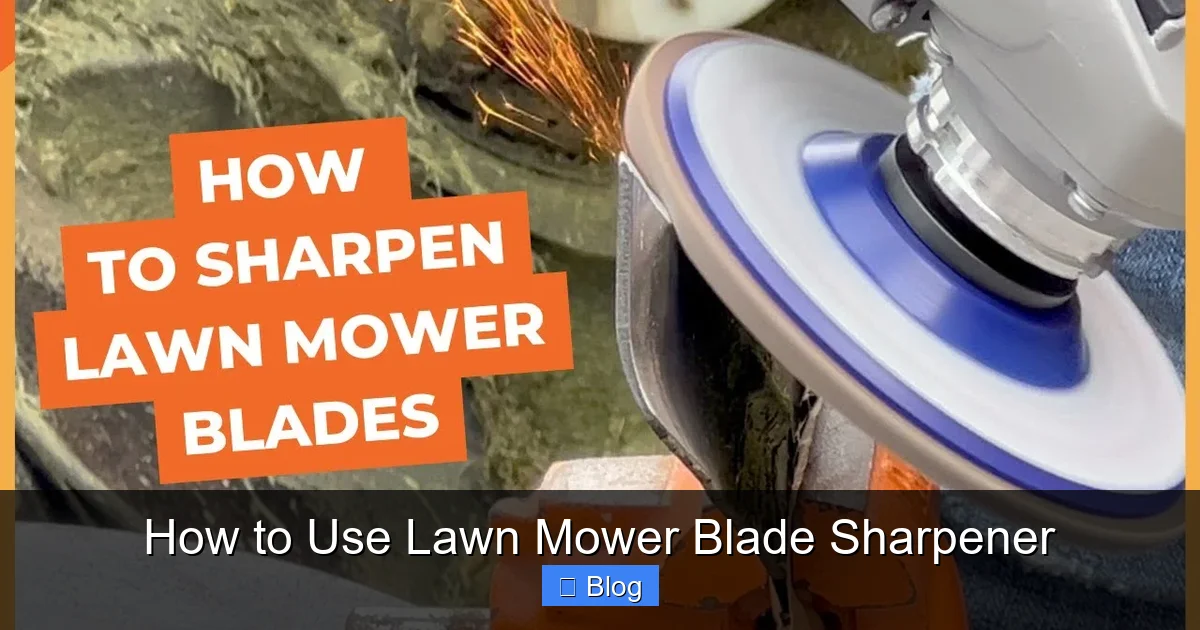
Visual guide about How to Use Lawn Mower Blade Sharpener
Image source: i.ytimg.com
Disabling the Mower
The most important step is disconnecting the spark plug. This is the only way to guarantee that the mower engine will not accidentally turn over while your fingers are near the blade. Once the wire is removed, you can safely remove the blade from the deck. You might also want to drain the oil or gas if you plan to tip the mower on its side, though removing the blade while the mower is in a stable position is always the preferred method.
Protective Gear
Always wear sturdy work gloves. Lawn mower blades can be surprisingly sharp, even when they are dull. Safety glasses are also a must, as the sharpening process will produce small metal filings and sparks that could easily damage your eyes. Ensure you are working in a well-lit area where you have plenty of room to maneuver.
Choosing the Right Sharpening Tool
You have a few different options when it comes to tools. The right choice depends on your budget and how comfortable you are with power tools. The method for how to use a lawn mower blade sharpener varies slightly depending on which tool you choose.
Hand Files and Stones
A flat metal file is the traditional way to sharpen a blade. It gives you excellent control and prevents you from taking off too much metal. It takes a bit more effort and time, but it is very difficult to ruin your blade this way. It is a great starting point for beginners.
Bench Grinders and Drill Attachments
If you want to save time, a bench grinder or a dedicated blade sharpener attachment for your power drill is the way to go. These tools spin much faster, so they remove metal quickly. The danger here is overheating the metal, which can soften the steel. Use light pressure and move back and forth to keep the blade cool during the process.
The Step-by-Step Sharpening Process
Now that you have your tools and safety gear, it is time to get down to business. This process is straightforward if you take your time and follow these simple steps.
Removing and Cleaning the Blade
Locate the bolt holding the blade to the mower deck. You may need a socket wrench and a block of wood to hold the blade in place so it does not spin. Once the bolt is removed, clean the blade thoroughly. Use a wire brush to remove grass clippings, rust, and debris. You cannot sharpen a dirty blade properly, and it makes it hard to see the true edge of the metal.
Applying the Sharpener
Match the angle of the existing edge of the blade. Most blades have a factory bevel. When you use your sharpener, try to maintain that same angle. If you are using a file, use long, smooth strokes moving away from your body. If you are using a power tool, move the sharpener along the edge in short, controlled bursts. Do not aim for a razor-blade thin edge; a sharp but sturdy edge is actually better for mowing, as it will hold up longer against grass and debris.
The Importance of Blade Balancing
Many people forget that a blade is a spinning part of an engine. If one side is heavier than the other, the mower will vibrate violently. This vibration can damage the spindle, the bearings, and even the engine itself. Knowing how to use a lawn mower blade sharpener also means knowing how to balance the finished product.
How to Check for Balance
Once you finish sharpening, you can check the balance using a simple blade balancer tool. This is a small, cone-shaped device that you place the blade on. If the blade tilts to one side, you have removed more metal from that side. Simply sharpen the heavy side a little bit more until the blade sits perfectly level on the balancer. This simple check is essential for the longevity of your machine.
Reinstalling the Blade
Once you are happy with the edge and the balance, bolt the blade back onto the mower. Make sure the blade is oriented correctly—usually, there is a mark or a shape that indicates which side faces the ground. Tighten the bolt firmly, but do not overtighten it. Reconnect your spark plug, and you are ready to hit the yard.
Maintenance Tips for 2026 and Beyond
To get the most out of your mower, incorporate blade care into your seasonal maintenance. By 2026, lawn equipment has become more sophisticated, but the basics of physics still apply. Keeping your blades clean and sharp will always provide the best results.
Storage and Off-Season Care
At the end of the mowing season, take the time to clean your deck and your blade thoroughly. Apply a thin layer of oil to the blade to prevent rust during the winter months. This small step saves you a significant amount of work when spring arrives. Always store your mower in a dry place to protect the electrical components and the engine from the elements.
When to Replace
Even with perfect sharpening skills, a blade has a lifespan. If you notice large nicks, deep cracks, or signs of bending, do not try to sharpen it. Metal fatigue is real, and a broken blade can be dangerous if it detaches while spinning at high speeds. Invest in a new, high-quality replacement blade whenever the original metal begins to fail.
Sharpening your own mower blade is a simple way to take pride in your home. It saves you time, keeps your grass looking like a professional landscape, and teaches you more about the machines you use every day. Follow these steps, stay safe, and enjoy the satisfaction of a perfect, clean-cut lawn all season long.
Frequently Asked Questions
How often should I sharpen my lawn mower blade?
You should generally sharpen your mower blade every 20 to 25 hours of use. Depending on the size of your lawn and the presence of rocks or debris, you may find that once or twice a season is sufficient for most home lawns.
Can I sharpen my mower blade without removing it?
It is strongly recommended to remove the blade from the mower before sharpening. Removing it allows you to get a much better angle, ensures the blade is balanced, and keeps your fingers far away from the engine parts for maximum safety.
What is the best tool for sharpening a lawn mower blade?
A metal file is the safest and most precise tool for beginners. However, if you are comfortable with power tools, a bench grinder or a drill-mounted sharpener will get the job done much faster.
How do I know if my blade is balanced?
You can use a simple, inexpensive blade balancer tool to check the weight distribution. If the blade rests perfectly level on the balancer, it is balanced; if it tips, you need to remove a bit more metal from the heavy side.
Will sharpening my blade make my mower cut better?
Absolutely. A sharp blade creates a clean slice through the grass, which helps the lawn heal faster and prevents the brown, ragged tips often caused by dull blades. It also reduces strain on the mower engine.
What should I do if my blade is bent or cracked?
If you see cracks, deep gashes, or a bent shape, you should immediately replace the blade. Attempting to sharpen a damaged blade can be dangerous, as it may break apart under high-speed rotation and cause serious injury.