
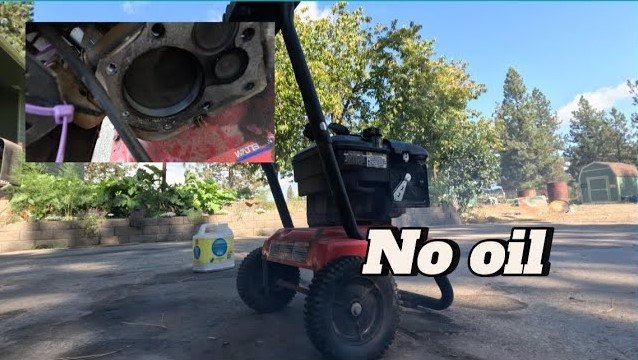
Technically, a lawn mower can start without oil for a few moments, but doing so will almost certainly destroy the engine. Running a mower without lubrication causes immediate friction, heat buildup, and permanent mechanical failure. Always check your oil levels before every mow to ensure a long life for your equipment.
Every spring, as the grass begins to grow and the yard demands attention, we pull our lawn mowers out of the shed. We want to get the job done quickly and efficiently. In the rush, it is easy to forget the basics.
One of the most common questions we hear is, “Will a lawn mower start without oil?” It is a simple question with a very dangerous answer. While the engine might physically roar to life for a few seconds, you are effectively setting a ticking time bomb inside your machine.
Think of oil as the lifeblood of your mower. It flows through the internal parts, coating them so they can glide past each other without grinding down. When you take the oil out of the equation, you are essentially asking metal to rub against metal at thousands of rotations per minute. Even if the mower starts, the damage starts happening the very moment the spark plug fires.
Key Takeaways
- Instant Destruction: Running a mower without oil creates friction that welds metal components together within seconds.
- The “Start” Myth: Just because a machine starts without oil does not mean it is safe to operate; it is actually a sign of impending engine death.
- Regular Inspections: Checking your oil before you start mowing is the single most effective way to prevent costly repairs.
- Warning Signs: Listen for knocking or clicking sounds, as these indicate your engine is starved for lubrication.
- Maintenance Matters: In 2026, modern smart-mowers might alert you to low levels, but manual checks remain the gold standard for reliability.
The Physics of Friction and Heat
Why Lubrication is Essential
Inside your lawn mower engine, pistons move up and down at incredible speeds. They are surrounded by cylinder walls, and they move on a crankshaft. These parts are built with tight tolerances. Without a thin layer of oil acting as a cushion, these parts would physically touch. When metal rubs against metal without a lubricant, the result is friction. This friction creates extreme heat almost instantly.
The Danger of Thermal Expansion
As the metal gets hotter, it begins to expand. In a standard engine, that expansion is calculated and managed by the oil’s cooling properties. When there is no oil, the parts expand beyond their designed size. They become too tight to move.
This is often where you hear a loud “clunk” or a sudden screeching sound. Your engine has essentially “seized,” meaning it has locked up because the parts have become physically fused together.
What Happens When You Start a Dry Engine?
The First Few Seconds
When you pull the starter cord on a mower without oil, it might turn over. For the first two or three seconds, the engine might even sound normal. This is because there might be a tiny, residual film of oil left on the cylinder walls from the last time you ran it. However, this film burns off almost immediately. Once that thin layer is gone, the damage escalates from “bad” to “catastrophic.”
Visual guide about Will a Lawn Mower Start Without Oil
Image source: gardenersyards.com
Internal Damage Assessment
If you have ever opened a “seized” engine, you would see deep gouges in the cylinder walls. The piston rings, which are meant to keep the engine airtight, become brittle and broken. The connecting rod, which links the piston to the crankshaft, can even snap under the pressure. Once these parts break, they often puncture the engine block, leaving you with a piece of equipment that is only fit for the scrap heap.
Common Signs of Oil Starvation
Auditory Warnings
Your mower usually tells you it is in trouble before it dies. If you are operating a mower and the oil is low, you might hear a knocking sound. This is called “rod knock.” It happens because the bearings that hold the crankshaft have become loose due to excessive wear. If you hear a high-pitched tapping or a grinding sound, stop the engine immediately. Do not try to finish that last strip of grass.
Visible Smoke and Performance Loss
Sometimes, a mower that is low on oil will start to emit a blue-tinted smoke from the exhaust. This happens when the engine starts burning other components because the heat is so intense. You might also notice a significant drop in power. If the mower feels like it is struggling to cut through even thin grass, it might be fighting internal friction. Always stop and check the dipstick if you notice a change in the machine’s behavior.
How to Properly Check Your Oil in 2026
Step-by-Step Maintenance
Maintaining your lawn mower in 2026 is easier than ever, but it still requires a physical check. First, make sure the mower is on level ground. If the mower is tilted, your dipstick reading will be inaccurate. Wipe the dipstick clean, reinsert it fully, and then pull it out to see where the oil line rests. It should be between the “Add” and “Full” marks.
Choosing the Right Oil
Not all oils are created equal. Check your owner’s manual for the specific viscosity required for your climate. In 2026, many manufacturers recommend high-quality synthetic oils because they handle heat better. A small investment in the right oil can save you hundreds of dollars in repair costs or the need to buy a brand-new mower.
Preventing Future Mistakes
The Pre-Mow Routine
Make checking the oil part of your mowing ritual. Before you add fuel, pull the dipstick. It takes five seconds, but it provides peace of mind. If you find the oil is low, top it off. If the oil looks black, thick, or gritty, it is time for a change. Dirty oil is almost as bad as no oil because it contains tiny metal particles that act like sandpaper inside your engine.
Smart Technology Integration
Some newer mowers coming out in 2026 feature low-oil sensors. These are great, but do not rely on them exclusively. Sensors can fail or become covered in grime. Always trust your own eyes and the dipstick. Being proactive is always cheaper and less frustrating than being reactive when a machine is already broken.
Conclusion: The Cost of Neglect
Will a lawn mower start without oil? Yes, it might. But should you ever let it? Absolutely not. Running your mower without oil is a fast track to destroying an expensive piece of machinery.
It is an avoidable tragedy that happens to too many homeowners every year. By taking a few moments before each mow to check your oil, you are ensuring that your mower remains a reliable tool rather than a paperweight.
Take care of your equipment, and it will take care of your lawn for many seasons to come. If you find yourself in a situation where you started a mower and heard a strange noise, turn it off immediately and let it cool down before checking the oil. You might just save your engine if you act fast enough. Happy mowing, and stay safe out there!
Frequently Asked Questions
What happens if I accidentally run my mower for a minute without oil?
If you run a mower without oil for a full minute, you have likely caused significant internal wear. While the engine might still run, its lifespan is drastically shortened, and you may notice a loss of power or increased vibration.
Can I just add more oil if the mower started without it?
Yes, you should immediately turn off the engine and add the correct amount of oil. However, be aware that damage may have already occurred; monitor the engine closely for knocking sounds or smoke in the future.
How often should I change my mower oil?
Most manufacturers recommend changing your lawn mower oil at least once per season or every 25 to 50 hours of use, whichever comes first. Refer to your specific owner’s manual for the exact requirements of your model.
Does synthetic oil help prevent damage if the level is low?
Synthetic oil is more heat-resistant and provides better protection under stress than conventional oil. While it is better for your engine, it will not prevent catastrophic failure if there is absolutely no oil present.
What does a seized engine sound like?
A seized engine often makes a sudden, loud clunking or grinding noise before the engine abruptly stops. If you try to pull the starter cord afterward, you will find it impossible or extremely difficult to pull.
Should I check the oil while the engine is hot?
It is generally best to check the oil when the engine is cool or has been sitting for a few minutes. This allows the oil to settle back into the crankcase, providing the most accurate reading on the dipstick.