
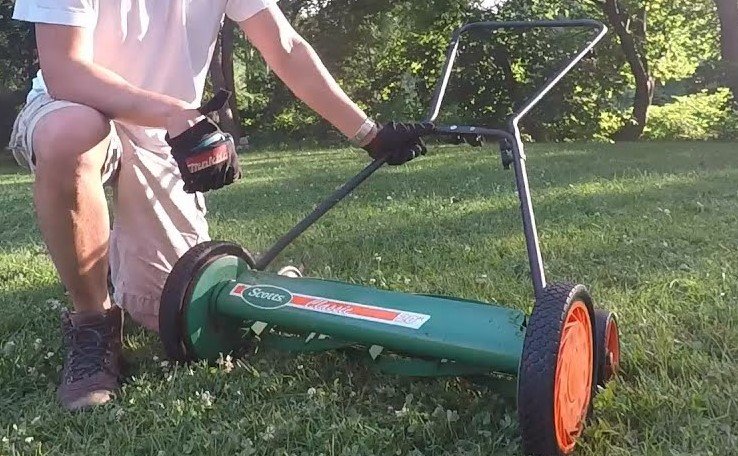
Using a manual lawn mower is a quiet, eco-friendly way to maintain a beautiful yard while getting a great workout. By following the correct pushing techniques and keeping your blades sharp, you can achieve a professional-looking finish without the noise or fuel costs of a gas engine.
Welcome to the wonderful world of reel mowing! In 2026, more homeowners than ever are returning to the simplicity of the manual lawn mower. It is not just about nostalgia or the aesthetic charm of a retro machine. It is about quiet mornings, carbon-free maintenance, and giving your lawn the healthiest cut possible. If you are tired of loud engines and the hassle of gas cans, you are in the right place.
Learning how to use a manual lawn mower is surprisingly easy, but it does require a bit of finesse. Unlike a rotary mower that hacks at the grass, a manual push mower uses a scissor-like action. This clean cut is actually much better for your lawn’s health, as it prevents the ragged tips that often turn brown. Let’s dive into how you can make your yard the envy of the neighborhood with just a little bit of muscle and the right technique.
Key Takeaways
- Preparation is vital: Always clear your lawn of debris like sticks and stones before you start to protect the reel blades.
- Master the pace: A steady, walking speed ensures a clean cut rather than tearing the grass blades.
- Height matters: Adjust your mower deck to ensure you only remove the top third of the grass length at any one time.
- Maintenance is key: Keep your manual lawn mower blades sharp and lubricated to ensure the machine glides through the grass effortlessly.
- Mowing patterns: Changing your direction every time you mow prevents soil compaction and promotes healthier, upright grass growth.
- Safety first: Even without a motor, always wear sturdy shoes and keep your hands away from the reel while it is in motion.
Setting Up Your Manual Lawn Mower for Success
Before you even step out onto the grass, you need to make sure your machine is ready to perform. A manual lawn mower works best when it is properly calibrated. Most modern reel mowers come with adjustable height settings, which is the most important factor in your lawn’s health.
Adjusting the Cutting Height
Many beginners make the mistake of setting their manual lawn mower too low. If you cut the grass too short, you expose the soil to the sun, which encourages weeds to grow. A good rule of thumb for 2026 is to follow the one-third rule: never cut off more than one-third of the grass blade length in a single session. Adjust your mower deck to a height that allows the grass to stay slightly longer, which keeps the lawn lush and green during the heat of summer.
Checking the Blade Tension
The magic of a manual lawn mower happens when the reel blades pass the bed knife. To check if your mower is set up correctly, hold a piece of paper between the blades. If the mower cuts the paper cleanly, your tension is perfect. If it folds the paper, you may need to tighten the adjustment screws. This simple test ensures your mower cuts the grass instead of pulling it out of the ground.
Perfecting Your Mowing Technique
Using a manual lawn mower is a bit different from pushing a heavy gas mower. Because the power comes directly from your movement, you need to find a rhythm that feels natural. The secret is to maintain a consistent walking pace throughout the process.
Visual guide about How to Use Manual Lawn Mower
Image source: m.media-amazon.com
The Importance of Consistent Speed
If you push too slowly, the reel won’t spin fast enough to cut the grass cleanly. If you push too fast, you might leave stray blades behind. Find a steady, brisk walk that allows the reel to spin freely. Many enthusiasts find that listening to the rhythmic clicking sound of the blades helps them maintain the perfect pace. Think of it as a moving meditation—enjoy the fresh air and the satisfaction of watching the grass fall neatly behind you.
Overlapping Your Passes
Because manual mowers are usually narrower than motorized versions, you need to be careful about your overlap. Aim to overlap your previous pass by about two or three inches. This ensures that you don’t leave any “mohawk” strips of tall grass behind. It might take an extra pass or two, but the result is a beautiful, uniform finish that looks like it was trimmed with scissors.
Navigating Difficult Areas and Obstacles
Every lawn has its challenges. From tight corners to hills, your manual lawn mower can handle them, provided you approach them with the right mindset. Unlike motorized mowers that can be heavy to turn, manual mowers are lightweight, which makes them incredibly agile.
Working on Hills and Slopes
If your yard has a slope, try mowing across the hill rather than straight up and down. This prevents you from pushing the weight of the machine against gravity and helps you maintain your steady pace. Be mindful of your footing. Wearing shoes with good traction is essential, especially if the morning dew is still on the ground. Take your time, and remember that you can always stop and reset if you feel like you are losing your rhythm.
Handling Tight Corners
One of the best advantages of a manual mower is its size. You can easily navigate around flower beds, trees, and garden ornaments that a bulky gas mower would hit. For tight spots, use a back-and-forth motion to trim closer to the edges. You don’t need to force the mower into a corner. If the reel doesn’t reach, just pull the mower back, pivot slightly, and approach the corner from a different angle.
Maintaining Your Mower for Longevity
A high-quality manual lawn mower can last for decades if you take care of it. Since there is no engine to maintain, your focus is entirely on the mechanical components. Keep these tips in mind to ensure your mower stays in top shape all season long.
Cleaning After Every Use
Grass clippings can hold moisture, which leads to rust. After you finish mowing, take a stiff-bristled brush and clear away any debris from the reel and the bed knife. If your mower is very dirty, you can rinse it with a hose, but be sure to dry it thoroughly afterward. A dry, clean mower is a happy mower that won’t succumb to corrosion.
Lubrication and Seasonal Care
The moving parts of your mower, including the gears and wheel axles, benefit from a bit of light machine oil once or twice a season. Apply a small drop to the grease points as recommended by the manufacturer. If you notice the mower becoming harder to push over time, it is usually a sign that it needs a little lubrication or a quick sharpening of the blades. Keep it stored in a dry shed or garage, ideally hanging on a wall hook to keep it off the cold, damp concrete floor.
Why 2026 Is the Year to Switch
As we move deeper into 2026, the shift toward sustainable lawn care is more than just a trend. Using a manual lawn mower is a powerful way to reduce your personal carbon footprint. You are not using gasoline, you aren’t emitting fumes, and you are contributing to a quieter neighborhood.
Beyond the environment, there is a distinct sense of accomplishment that comes with using a manual mower. You are directly responsible for the health of your lawn. You see the grass, you feel the terrain, and you get a gentle cardiovascular workout that leaves you feeling energized rather than exhausted. It is a peaceful, effective, and classic way to steward your property.
If you have struggled with heavy machinery or loud, vibrating mowers in the past, a manual mower will feel like a breath of fresh air. It is simple technology refined to perfection. Once you master the technique, you will likely find that you actually look forward to mowing day.
Conclusion
Learning how to use a manual lawn mower is a rewarding journey toward a healthier, more beautiful lawn. It invites you to slow down, connect with your landscape, and appreciate the small details of your outdoor space. By mastering your pace, maintaining your blades, and choosing the right height, you can achieve a professional cut without any of the noise or pollution associated with traditional mowers.
Remember that practice makes perfect. Your first few sessions might feel like a workout, but you will quickly find your flow. Soon, you will be gliding across your lawn with ease, enjoying the quiet hum of the reel and the clean, healthy grass you have created. Embrace the simplicity of 2026, grab your manual mower, and enjoy the process of caring for your home with your own two hands.
Frequently Asked Questions
How often should I sharpen the blades on my manual lawn mower?
Most manual mowers only require sharpening once every two to three years depending on usage. If you notice the grass blades look jagged or brown at the tips, that is a sign the blades need attention.
Is it harder to push a manual mower than a gas mower?
It requires more physical effort because you are providing the power, but modern manual mowers are very lightweight and ergonomic. Once you get into a rhythm on flat ground, they glide quite smoothly.
Can I use a manual lawn mower on wet grass?
It is generally better to avoid mowing wet grass with any type of mower to prevent clumping. Wait until the morning dew has dried to ensure you get a clean, even cut and to protect the mower from rust.
What should I do if the mower gets stuck on a twig?
Simply pull the mower backward to release the object and remove the debris by hand. Always ensure the mower has stopped moving completely before reaching near the blades.
Do I need to bag the clippings with a manual mower?
Most manual mowers are designed to discharge clippings directly onto the lawn as mulch. This is actually excellent for your grass, as the clippings return nitrogen and nutrients to the soil.
Are manual mowers safe for kids to help with?
While safer than motorized mowers, they still have sharp blades and should be used under adult supervision. They are great tools for teaching older children about yard maintenance and responsibility.