
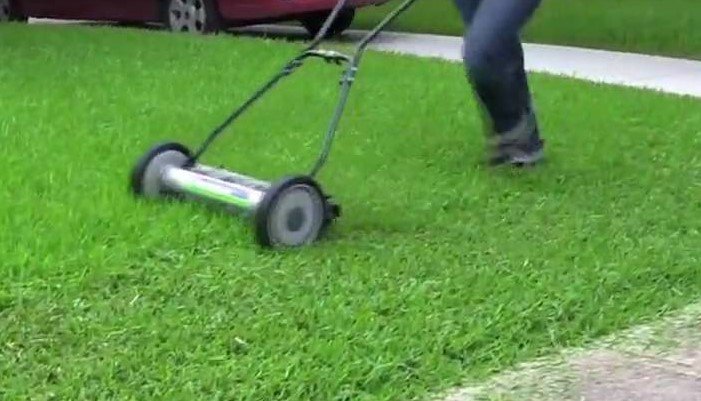
Using a push lawn mower is a great way to keep your garden looking pristine while getting a bit of fresh air. This guide will walk you through the essential steps, from pre-mowing safety checks to advanced techniques for achieving a healthy, vibrant lawn all season long.
There is something incredibly satisfying about walking out into your yard on a Saturday morning and transforming an overgrown lawn into a clean, manicured carpet of green. In 2026, many homeowners are rediscovering the simplicity and meditative rhythm of using a push lawn mower. It is not just about keeping the grass short; it is about taking pride in your outdoor living space while getting a bit of light exercise.
If you are new to lawn care or just need a refresher, learning how to use a push lawn mower properly makes a world of difference. When you do it right, your grass stays healthier, the engine lasts longer, and you save time in the long run. Let’s dive into the essential techniques and tips to help you master the art of mowing this season.
Key Takeaways
- Preparation is Priority: Always clear your yard of debris and check your oil and fuel levels before you start the engine.
- Height Matters: Adjust your mower deck to the right height to avoid scalping your grass and promoting weed growth.
- Safety First: Never ignore safety gear like sturdy shoes and ear protection, and keep hands and feet clear of the blades.
- Patterning for Beauty: Use overlapping rows to ensure an even cut and a professional, striped look for your lawn.
- Maintenance Counts: Keep your blade sharp and your mower deck clean to ensure a smooth, efficient cut every time.
Getting Your Gear and Yard Ready
Before you even think about pulling the starter cord, you need to set yourself up for success. Many people make the mistake of rushing into the yard the second they decide the grass looks too long. Taking ten minutes to prepare can prevent hours of frustration later on.
Clearing the Debris
The most important pre-mowing step is walking your lawn to clear away hidden obstacles. Sticks, rocks, stray children’s toys, and thick tree branches can damage your mower blade or turn into dangerous projectiles. You do not want to be dealing with a bent blade or a broken window because you skipped a quick perimeter check.
Checking Fluids and Safety
In 2026, most modern push lawn mowers are reliable, but they still need basic care. Check your oil level to ensure the engine is lubricated. If you use a gas mower, make sure you have fresh fuel. Always ensure the spark plug wire is attached securely. Finally, dress for the job. Sturdy, closed-toe shoes are a non-negotiable. You might also want to wear safety glasses if your mower does not have a bag, just in case a stray pebble decides to take flight.
Setting the Ideal Mowing Height
One of the biggest mistakes beginners make is cutting the grass too short. It might seem like a good idea to “mow it low” so you do not have to come back out as often, but this is a trap. When you cut too low—often called “scalping”—you stress the grass plants. This leaves the soil exposed to the sun, which dries it out and encourages crabgrass and other unwanted weeds to move in.
Visual guide about How to Use Push Lawn Mower
Image source: cdn.mos.cms.futurecdn.net
The One-Third Rule
A good rule of thumb is the “one-third” rule. Never cut off more than one-third of the total height of the grass blades in a single session. If your grass has gotten away from you and is very long, mow it at the highest setting first, then come back a few days later to cut it shorter. This keeps the grass happy, vibrant, and deep green.
Starting Your Mower with Confidence
Modern engines are much easier to start than the ones from decades ago, but they still require a specific process. If your mower has a primer bulb, press it three or four times to get fuel into the carburetor. If it has a choke, make sure that is set to the “start” position.
The Technique
Hold the safety bar—the handle that runs along the top of the main handle—down firmly against the mower handle. This is the “dead-man” switch that engages the blade and allows the engine to run. With a firm, steady pull, engage the starter cord. If it does not start on the first pull, stay calm. Do not yank it repeatedly with aggression. Give it a second, ensure the safety bar is held tight, and try again with a controlled motion.
Mastering the Mowing Pattern
How you move across your yard determines how it looks when you are finished. If you just wander aimlessly, you will likely end up with missed patches and uneven clumps of clippings. Using a push lawn mower requires a bit of strategy to get that professional look.
The Perimeter Method
Start by mowing a perimeter around the edge of your lawn. This creates a “headland” or a turn-around zone. Once you have cleared the edges, you can mow back and forth in straight lines. For each new pass, slightly overlap the previous row by about two or three inches. This overlap ensures that no blades of grass are left standing in the middle.
Dealing with Hills and Slopes
If your yard has a slope, take extra care. Always mow across the face of a slope, rather than up and down. This reduces the risk of the mower slipping backward onto your feet if you lose your balance. If the slope is very steep, it is often safer to skip it with the mower and use a string trimmer instead.
Managing Grass Clippings
You have a choice: bag your clippings or mulch them. Most modern mowers come with a mulching blade designed to chop the grass into tiny pieces that fall back into the soil. These clippings act as a natural fertilizer, returning nitrogen to the lawn as they decompose.
When to Bag
If your grass is exceptionally long or if it has been raining, mulching might leave behind unsightly clumps. In these cases, use a grass catcher bag to keep the lawn looking clean. If you are not bagging, ensure your mower deck is free of caked-on grass underneath. A clean deck allows the mower to mulch effectively without clogging.
Post-Mowing Maintenance
When you finish your final pass, do not just park the mower and walk away. A few minutes of cleanup will extend the life of your machine significantly. Turn off the engine and wait for it to cool down.
Cleaning and Storage
Use a stiff brush or a hose (if your manual allows) to clear away grass build-up from underneath the deck. If you leave wet grass on the deck, it will eventually cause rust. Once the machine is clean, store it in a dry place like a shed or garage. Keep it away from direct sunlight, which can dry out rubber components and fade plastic parts over time.
Mowing the lawn might feel like a chore at first, but once you find your rhythm, it becomes a rewarding part of your weekly routine. It is a time to unplug from your phone, get some fresh air, and appreciate the work you are putting into your home. With these techniques, you will have the healthiest, best-looking lawn in the neighborhood by the end of the summer.
Frequently Asked Questions
How often should I mow my lawn?
Most lawns need mowing once a week during the active growing season. However, this depends on your climate and grass type; in faster-growing months, you may need to mow every five days.
Is it better to mow when the grass is wet or dry?
Always mow when the grass is dry. Wet grass clumps together, clogs the mower deck, and can leave a ragged cut that makes your lawn more susceptible to disease.
Why is my mower leaving patches of uncut grass?
This is usually caused by a dull blade or moving too quickly. Sharpen your blade at least once per season and ensure you are walking at a steady, controlled pace.
Do I need to change the oil every year?
Yes, for most gas-powered push mowers, an annual oil change is essential to keep the engine running smoothly. Check your owner’s manual for the specific oil type recommended for your model.
Can I mow over tree roots?
You should avoid mowing over exposed tree roots, as this can damage your blade and harm the tree’s health. Mow around them carefully or use a string trimmer to clean up the edges.
What should I do if the engine won’t start?
Check that the spark plug wire is connected, ensure there is fresh fuel in the tank, and confirm the air filter isn’t clogged. If those are all fine, it might be a mechanical issue that requires professional help.