
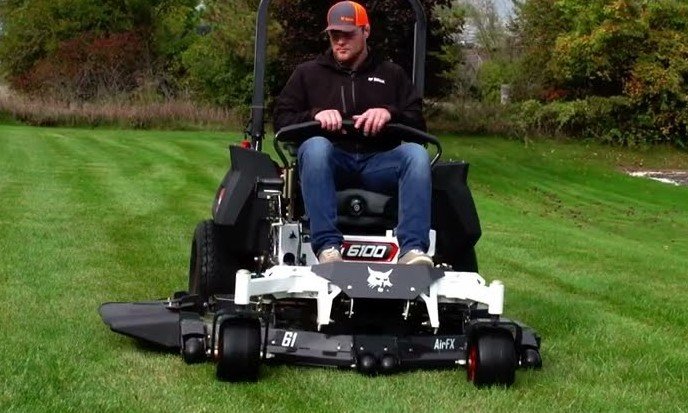
Operating a zero turn lawn mower requires a shift in how you think about steering and speed control. By mastering the dual-lever system and practicing in an open space, you can achieve a professional-grade finish while cutting your mowing time in half.
Welcome to the future of lawn care. As we head further into 2026, the technology behind residential mowing has become more intuitive than ever. If you have recently upgraded to a zero turn lawn mower, you might feel a mix of excitement and nerves. It is a big step up from a traditional tractor, but once you learn how to use zero turn lawn mower controls, you will never want to go back to a standard steering wheel.
Think of the zero turn mower as an extension of your body rather than just a machine. Because each rear wheel is powered by its own independent hydraulic pump, you have the freedom to spin on a dime. This design is what makes these machines so efficient. Whether you are navigating tight corners around flower beds or cruising down long straightaways, learning the rhythm of the levers is the secret to a beautiful, manicured lawn.
Key Takeaways
- Master the Levers: Understand that the two control levers act as both your steering wheel and your transmission for each rear wheel.
- Start Slow: Always begin your practice sessions at the lowest speed setting to gain confidence with the mower’s sensitivity.
- Safety First: Never operate on steep inclines and always ensure your parking brake is engaged before starting the engine.
- Strategic Patterns: Use the “perimeter pass” method to create a clean workspace before filling in the center of your lawn.
- Routine Care: Check your tire pressure and blade sharpness frequently to ensure the mower maneuvers predictably and cuts cleanly.
Understanding the Control System
The most important part of learning how to use zero turn lawn mower units is getting comfortable with the dual-lever steering system. Unlike a car, there is no steering wheel. Instead, you have two long levers positioned on either side of the seat.
The Neutral Position
In most modern models, these levers are pushed outward to engage the parking brake and keep the mower in neutral. If the levers are in the center position, the mower will not move, even if the engine is running. Always start your machine with the levers locked in this outer, neutral position to prevent any sudden, unexpected movement.
Push and Pull Dynamics
To move forward, you gently push both levers away from you. The further you push them, the faster the mower travels. To reverse, you pull both levers toward you. The magic happens when you move them unevenly. Pushing the left lever further forward than the right will turn the mower to the right. Pulling one lever back while pushing the other forward is what allows the mower to perform its signature zero-degree turn. It is all about smooth, gradual inputs rather than jerky, fast movements.
Preparation and Safety Procedures
Before you even think about engaging the blades, you must ensure your environment is safe. Being in control of a powerful mower in 2026 means being aware of your surroundings at all times. Always conduct a “walk-around” check of your yard to clear away stones, sticks, or forgotten garden hoses. These items can become dangerous projectiles if hit by the high-speed blades of your mower.
Visual guide about How to Use Zero Turn Lawn Mower
Image source: powerequipmentct.com
Checking Your Gear
Take a look at your tire pressure. If one tire is slightly flatter than the other, the mower will naturally pull to one side, making it much harder to mow a straight line. Additionally, check that your discharge chute is clear and your seat belt is fastened. Modern mowers are designed with safety interlocks; if you stand up while the blades are running, the engine will automatically shut off. This is a great feature, but it is better to avoid testing it accidentally.
Dress for Success
Always wear sturdy, closed-toe shoes and eye protection. Even if you think your lawn is clean, hidden debris can fly up. Hearing protection is also highly recommended, as engine noise can lead to fatigue over long mowing sessions.
Mastering Your First Drive
For your first time, find a large, flat, empty area. Do not try to weave through trees or navigate complex garden beds right away. Start by simply moving the mower in a straight line, then come to a full stop. Practice coming to a stop by returning the levers to the neutral position slowly. If you snap them back, the mower will jerk, which can be jarring for a new operator.
Practicing the Zero Turn
Once you are comfortable with forward and reverse, try the turn. Stop the mower, then gently push the right lever forward while pulling the left lever back. You will see the mower pivot on its own center point. It feels strange at first, but after a few minutes, it will feel like second nature. The key is to keep your movements fluid. Think of your hands as resting on a joystick; don’t grip them tightly, as this will lead to shaky steering.
Turning on Turf
One common mistake beginners make is spinning the tires during a tight turn, which can rip up your grass. To avoid this, keep the mower moving slightly during the turn rather than pivoting from a complete standstill. This “rolling turn” is much kinder to your lawn and keeps the grass looking pristine.
Efficient Mowing Patterns
Efficiency is the main reason most people switch to zero turn mowers. By using a proper pattern, you can minimize the time spent turning around at the end of every row. In 2026, most experienced operators suggest the “perimeter pass” method.
The Perimeter Pass
Start by mowing the perimeter of your entire yard once or twice. This creates a dedicated turning area at the edges of your property. Once the edges are done, you can mow the interior in straight back-and-forth lines. When you reach the edge, simply drive onto your pre-cut perimeter strip, perform a quick turn, and line up for your next pass. This saves you from having to perform awkward three-point turns inside your lawn area.
Dealing with Obstacles
Because these mowers are so agile, they are perfect for navigating around trees and landscaping features. Instead of using a string trimmer to clean up around your trees, you can use the side of the mower deck to trim closely. Just remember to move slowly when working near obstacles, as the responsiveness of the machine can sometimes lead to accidental “nicks” on tree trunks or fences if you move too quickly.
Slope Management and Terrain
This is the most critical section regarding safety. Zero turn mowers have a low center of gravity, but they are not mountain goats. If you have a hilly yard, you need to know your machine’s limits. Generally, you should mow up and down on gentle slopes, but never across the face of a steep hill. Mowing across a slope can cause the mower to slide sideways, which is a major safety risk.
When to Walk Away
If a slope looks too steep to walk on comfortably, it is definitely too steep for your zero turn mower. If you find yourself having to lean your body to keep the mower stable, that is a clear sign you should move to a different area of the yard. For steep banks, it is much safer to use a walk-behind mower or a string trimmer. No lawn finish is worth the risk of a rollover accident.
Adjustment for Traction
On damp grass or uneven ground, you might notice your rear tires slipping. This is common. If this happens, slow down your travel speed and increase your engine RPM. This gives you more torque and better control. Also, try to keep your weight centered on the seat; leaning forward or backward can change the traction on your rear drive wheels.
Maintenance for Longevity
To keep your machine running perfectly through the 2026 season and beyond, routine maintenance is non-negotiable. After every use, take a moment to clean the underside of the mower deck. Grass clippings accumulate quickly, and if left to sit, they can trap moisture and cause the deck to rust. Most modern mowers come with a deck-wash port where you can attach a hose to clear out debris easily.
Engine and Blade Care
Check your oil level before every ride. It takes ten seconds, but it can save your engine from a catastrophic failure. Also, examine your blades every few weeks. Dull blades tear the grass rather than cutting it, which leaves the tips looking brown and ragged. If you notice your lawn doesn’t look as sharp as it used to, it’s time to sharpen or replace your blades.
Storage Tips
Always store your mower in a dry place. If you are not going to use it for more than a few weeks, use a fuel stabilizer to prevent the gas from breaking down in the tank. These small, simple habits ensure that when the next mowing season arrives, your zero turn mower starts on the first turn of the key.
Learning how to use zero turn lawn mower equipment is a journey, not a race. You will likely feel a bit awkward during your first hour, but keep practicing. Before long, you will appreciate the precision, speed, and sheer fun that these machines provide. By staying mindful of safety, mastering your turns, and keeping up with maintenance, you will enjoy a beautiful, healthy lawn for many years to come.
Frequently Asked Questions
How long does it take to get used to the controls?
Most operators feel comfortable after about 30 to 60 minutes of practice in an open area. The key is to start slow and focus on making smooth, fluid movements with the levers rather than quick jerks.
Can I use a zero turn mower on hills?
You can use them on gentle slopes, but you should avoid steep inclines. Always mow up and down the slope rather than across it to prevent the machine from sliding sideways.
Why is my grass looking ragged after mowing?
A ragged finish is usually caused by dull mower blades that are tearing the grass instead of cutting it cleanly. Check your blades for nicks and have them sharpened or replaced to restore a crisp, clean cut.
What should I do if the mower starts to slide?
If you feel the mower losing traction, stop moving forward immediately and steer toward the downward direction to regain stability. Avoid sudden stops or sharp turns on hills to prevent sliding.
Do I need to leave the engine running while turning?
Yes, keep the engine running at a steady throttle while turning to ensure you have enough power for the maneuver. Turning at very low RPMs can make the controls feel sluggish and difficult to manage.
How often should I clean the underside of the deck?
It is best practice to clean the underside of the deck after every use to prevent grass buildup and rust. Using a deck-wash port makes this process quick and efficient, ensuring your mower performs optimally.