
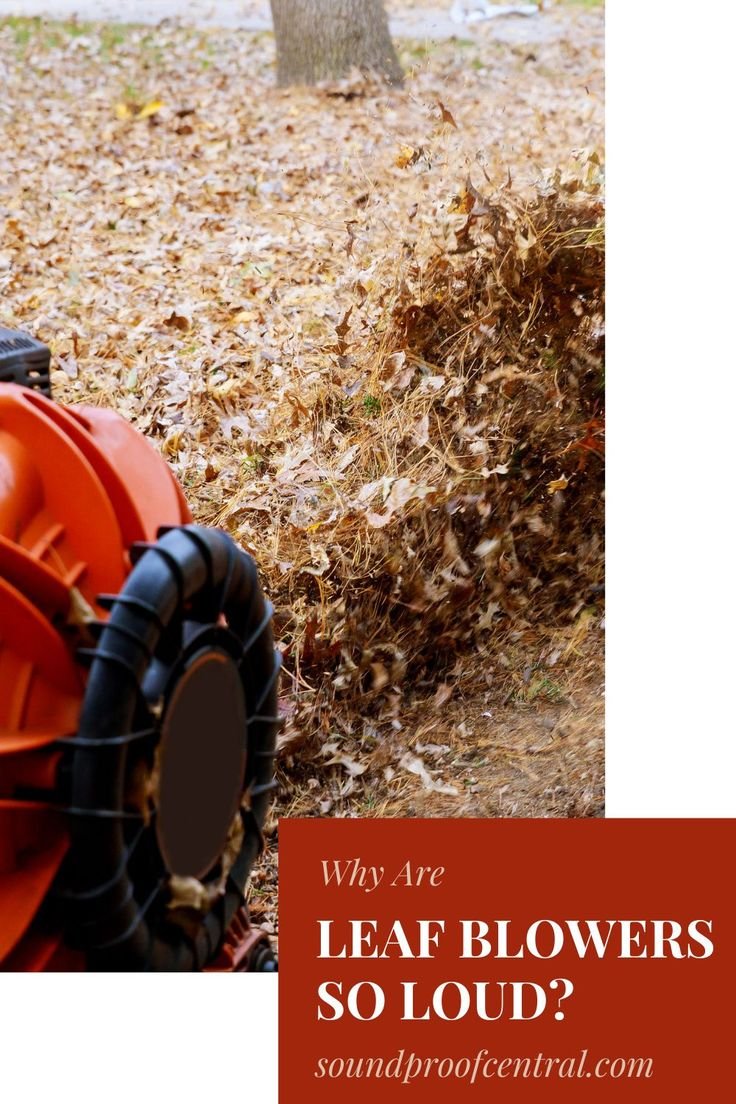
Leaf blowers are common in U.S. yards, but their noise can disturb homes, pets, schools, and nearby workers. The best way to reduce leaf blower noise is to combine a quieter tool, good maintenance, lower power when possible, smart timing, and physical distance.
Start by checking the blower’s condition and operating it at the lowest useful speed. Use hearing protection, keep the nozzle aimed at the work area, and avoid running the machine near walls that reflect sound. If you are buying a new blower, compare its published sound rating and consider a battery-powered model.

How Loud Is a Leaf Blower?
A leaf blower can produce sound levels that may harm hearing during long or repeated use. The exact level depends on the blower type, motor speed, nozzle, distance, surface, and test method.
Sound is often measured in decibels, written as dB. The A-weighted decibel, or dBA, is commonly used because it reflects how people hear sound. A small increase in dBA can mean a large increase in sound energy.
For example:
- A quiet conversation is about 60 dBA.
- Busy street noise may reach about 70 to 80 dBA.
- A leaf blower may reach the 80s, 90s, or higher near the operator.
- The sound drops as distance from the blower increases.
Published ratings are not always easy to compare. One manufacturer may list sound pressure at a set distance, while another may list sound power. These are different measurements.
- Sound pressure describes what a person hears at a location.
- Sound power describes the total sound energy produced by the machine.
Use the rating as a comparison tool, not as a guarantee of the exact noise at your property line.
The National Institute for Occupational Safety and Health and the Occupational Safety and Health Administration provide guidance on workplace noise exposure. Home users are not covered by every workplace rule, but the basic safety lesson still applies: louder sound and longer exposure create more risk.
1. Use the Lowest Power That Gets the Job Done
Running a leaf blower at full throttle creates more noise, fuel use, and air movement than many tasks require. Lower the speed when moving dry leaves across grass or a paved path.
Use higher power only when you need it, such as when:
- Leaves are wet and heavy.
- Debris is stuck in cracks.
- You need to move material uphill.
- A short burst can replace several minutes of low-speed work.
Avoid rapid throttle changes. A steady, moderate speed often makes less noise than repeated bursts at full power.
Do not use extra power to compensate for a poor technique. Keep the nozzle close enough to guide leaves, but not so close that it pushes debris into the ground. Work with the wind when possible.
Why lower speed helps
Most blowers produce more noise as the motor spins faster. Gas models also create engine, exhaust, and vibration noise. Electric models may produce less motor noise, but their fan can still be loud at high speed.
Lower speed does not make every blower quiet. It does reduce the amount of time the blower spends at its loudest setting.
2. Choose a Quieter Leaf blower
a quieter blower is often the most effective long-term fix. Compare tools by their published sound ratings, operating mode, and test conditions.
Battery-powered blowers
Battery-powered blowers usually avoid the engine and exhaust noise made by gas models. They can still create strong fan noise, especially at full power.
They may work well for:
- Small and medium yards.
- Short cleanup jobs.
- Areas near homes or neighbors.
- Users who want less vibration and no exhaust fumes at the point of use.
Runtime, battery cost, and power vary by model. A high-power battery blower may not be quieter than a low-power model when both run at full output.
Corded electric blowers
Corded models may be suitable for small yards near an outdoor outlet. They often have less engine noise than gas blowers, but the cord limits movement and creates a trip hazard.
Use only an outdoor-rated extension cord that matches the tool manual. Keep the cord away from water, sharp edges, hot surfaces, and the blower nozzle.
Gas-powered blowers
Gas models can provide long runtime and high airflow, but they add engine and exhaust noise. A damaged muffler, loose cover, dirty filter, or poor tune can make the sound worse.
If you keep a gas blower, follow the owner’s manual for maintenance. Never remove or modify the muffler or other sound-control parts.
What to compare before buying
| Feature | Why it matters | Limitation |
|---|---|---|
| Published dBA rating | Helps compare noise claims | Test distance and method may differ |
| Variable-speed control | Lets you use less power | Full speed may still be loud |
| Battery power | Avoids engine and exhaust noise | Fan noise remains |
| Low-vibration design | Reduces rattling and hand fatigue | Does not remove airborne sound |
| Tube and nozzle design | Affects airflow and pitch | Performance depends on the full tool |
| Warranty and parts support | Helps repair worn components | Does not prove low noise |
Choose a blower based on the job. A smaller, quieter tool may be better for routine leaf cleanup, while a powerful tool may be useful for large properties. Do not assume that the newest or most expensive model is automatically the quietest.
3. Maintain the Blower to Stop Extra Noise
A well-maintained blower usually runs more smoothly and avoids rattles, harsh vibration, and unnecessary engine noise. Turn the blower off, disconnect the battery or power source, and let hot parts cool before inspection.
Check these parts:
-
Nozzle and tube
Remove sticks, stones, and packed leaves. A blocked tube can change airflow and strain the motor. -
Housing and covers
Tighten loose screws and fasteners according to the manual. A loose cover can create a sharp rattle. -
Fan and impeller area
Look for cracks, bent parts, or debris. Do not reach into the fan while the tool is connected to power. -
Air filter on gas models
A dirty filter can affect engine operation. Clean or replace it as the manual directs. -
Muffler and exhaust parts
Look for damage or loose parts. Do not operate a gas blower with a missing or damaged muffler. -
Battery and power connections
Stop using a battery pack or cord that is swollen, cracked, hot, or damaged. -
Vibration points
Excess vibration may signal a damaged fan, loose fastener, or worn part. Have the tool serviced if the cause is not clear.
A new grinding, clicking, knocking, or high-pitched sound is a warning sign. Stop the machine and inspect it. If the sound continues, use an authorized repair shop or a qualified small-engine technician.

4. Use Distance and Direction to Lower Noise
Distance is one of the simplest ways to reduce the sound that reaches another person. Do not stand close to windows, doors, patios, or property lines while the blower is running.
Plan the work so the blower stays:
- Away from nearby homes.
- Away from people and pets.
- On the side of the yard farthest from occupied rooms.
- Pointed toward the area being cleaned.
- Away from hard walls that can reflect sound.
Sound spreads outward from the blower. A fence, hedge, or building may block some direct sound, but hard surfaces can also reflect noise. A solid wall may reduce sound on one side while making the sound more noticeable on another side.
Do not point the nozzle toward a neighbor’s home to move leaves faster. The airflow can carry dust and debris, and the direct sound path may make the blower seem much louder.
If someone nearby is talking, working, or resting, pause the blower. A short conversation can prevent a long-running noise complaint.
5. Add a Barrier Without Blocking Airflow or Safety
Barriers can reduce the direct path between the blower and a nearby listener. A garage, shed, dense hedge, or solid fence may help when used correctly.
A barrier works best when it:
- Sits between the blower and the listener.
- Is tall and wide enough to block the direct line of sight.
- Has few gaps.
- Does not reflect sound toward another home.
- Does not restrict airflow or create a dangerous work area.
Do not enclose a running gas blower in a shed, garage, vehicle, or other closed space. Gas engines produce carbon monoxide, an odorless and potentially deadly gas. Operate them outdoors and away from doors, windows, and air intakes.
Do not build a temporary enclosure around a blower. It may overheat the tool, trap exhaust, increase fire risk, or interfere with emergency shutoff access.
6. Pick a Neighbor-Friendly Time
The time of day can matter as much as the machine. Noise that seems acceptable in the afternoon may disturb sleep, schoolwork, remote work, or outdoor gatherings in the morning or evening.
Before using a blower, check:
- City, county, or homeowners association noise rules.
- Quiet hours in your neighborhood.
- Local restrictions on gas-powered landscaping tools.
- Rules for commercial landscaping work.
- Seasonal limits or special restrictions.
U.S. noise rules vary by state and local government. The Environmental Protection Agency provides general information about noise, but local authorities often set the rules that apply to residential yard work.
A practical schedule is usually mid-morning through late afternoon. Avoid early mornings, late evenings, holidays, and times when nearby schools or community spaces are active.
Tell neighbors ahead of time if you need to do a large cleanup. A short notice does not replace local compliance, but it can reduce conflict.

7. Replace Some Blower Work With Quieter Tools
You do not need a blower for every leaf or small piece of debris. Using a rake, broom, or leaf vacuum for part of the job can reduce total noise exposure.
Good alternatives include:
- A rake for leaves on grass.
- A push broom for sidewalks and driveways.
- A hand brush for steps and small patios.
- A tarp for collecting leaves in one trip.
- A mower with a collection bag when appropriate.
- A garden vacuum designed for the material being collected.
A useful method is to rake or sweep most of the leaves first. Use the blower only for the final cleanup of corners, cracks, and small piles.
Avoid using a blower to move dust, sand, or fine mulch when a broom or rake would work. Blowing fine particles can affect people with asthma or allergies and can spread debris onto roads or neighboring property.
8. Protect Your Hearing While Using a Blower
Noise reduction protects both the community and the operator. Wear hearing protection when the blower is loud, when you use it for more than a short period, or when you cannot keep a safe distance.
Options include:
- Foam earplugs.
- Reusable earplugs.
- Earmuffs.
- Earplugs and earmuffs together for very loud work.
Use hearing protection that fits correctly. Earplugs must seal the ear canal, and earmuffs must fully cover the ears. Do not use ordinary earbuds as hearing protection unless they are specifically rated for that purpose.
Hearing protection does not make it safe to use a blower near other people. Children, pets, neighbors, and workers may still receive the full sound.
Stop and seek medical advice if you notice ringing, muffled hearing, ear pain, dizziness, or a sudden change in hearing after using a blower. Sudden hearing loss needs prompt medical attention.

9. Reduce Vibration and Mechanical Rattle
Airborne noise is only part of the problem. Vibration can create a harsh sound and make the blower tiring to use.
To reduce vibration:
- Hold the blower with a relaxed but secure grip.
- Use the shoulder strap if the model includes one.
- Keep the tube clear.
- Do not operate with a cracked fan or damaged nozzle.
- Tighten approved fasteners.
- Stop if the handle shakes more than usual.
- Have the tool inspected after striking a hard object.
Do not add homemade foam, tape, or covers around the motor, cooling vents, exhaust, or air intake. These changes can create a fire risk or cause overheating.
If the tool suddenly becomes louder after hitting a rock, branch, or curb, stop using it. A bent fan or damaged housing can fail at high speed.
10. Use a Simple Noise-Reduction Plan
Use this sequence when you need to make a blower job quieter:
-
Check the rules.
Review local quiet hours and landscaping restrictions. -
Inspect the tool.
Look for loose parts, blockages, fan damage, and muffler problems. -
Clear most debris by hand.
Rake or sweep before turning on the blower. -
Choose the lowest useful speed.
Increase power only when the lower setting fails. -
Move away from homes and windows.
Work from the far side of the yard. -
Aim the airflow at the debris.
Avoid directing sound and dust toward people. -
Take short breaks.
Breaks reduce total exposure time. -
Wear hearing protection.
Use properly fitted plugs, muffs, or both. -
Stop when the job is done.
Do not leave a blower running while you gather tools or bags.
Signs that the plan is working include less time at full throttle, less vibration, fewer complaints, and no ringing or muffled hearing after use.
If the blower remains unusually loud, do not keep experimenting with homemade modifications. Replace damaged parts or have the tool serviced.

Leaf Blower Noise: Common Mistakes to Avoid
Several common actions make blower noise worse or create new risks.
Running at full throttle for the entire job
Full power may move leaves faster, but it also creates more sound. Use it only when the task needs it.
Removing the muffler or noise-control parts
This can make a gas blower much louder and may create a safety, emissions, or warranty problem. Keep all factory safety parts in place.
Using a blower inside a garage
A gas blower can produce carbon monoxide. Never run it in a garage, shed, basement, or other enclosed area.
Blowing leaves at people, pets, or traffic
Airflow can carry stones, sticks, dust, and other debris. Keep a safe distance and stop when people enter the work area.
Assuming battery-powered means silent
Battery power removes engine noise, but the fan can still be loud. Use the same distance, timing, and hearing-protection habits.
Trusting one dBA number without checking the test method
Compare ratings only when the measurement conditions are reasonably similar. Look for the distance, operating mode, and type of rating.
Ignoring local rules
A quieter model may still violate a quiet-hours rule if used at the wrong time. Check local requirements before operating the tool.
How Much Does Distance Reduce Leaf Blower Noise?
Noise generally becomes weaker as distance increases, but outdoor conditions affect the result. Wind, buildings, fences, pavement, grass, and nearby walls can change what a listener hears.
As a practical rule, do not judge noise only from the operator’s position. Walk to the nearest home, sidewalk, or occupied area and listen from there while someone else runs the blower briefly.
This is not a formal sound test. It is a simple way to find obvious problems:
- The blower is too close to a bedroom window.
- A wall is reflecting sound toward a neighbor.
- The nozzle is pointed toward an occupied area.
- The machine is louder than expected because of a mechanical fault.
For a formal workplace or commercial assessment, use a calibrated sound meter and a qualified safety professional. Smartphone apps can show general changes, but they may not provide a reliable compliance measurement.
What Is the Quietest Way to Clear Leaves?
The quietest method is usually a rake or broom, followed by short use of a lower-speed electric blower for final cleanup. For larger jobs, a low-noise battery model may reduce engine sound, but the actual result depends on its fan, speed, and distance.
A good choice depends on the property:
| Yard or task | Lower-noise approach |
|---|---|
| Small patio | Broom or hand brush |
| Small lawn | Rake, tarp, and brief blower use |
| Driveway | Push broom, then low-speed blower |
| Large yard | Battery blower at moderate speed, with breaks |
| Wet leaves | Rake first; use blower only for light cleanup |
| Area near neighbors | Quiet model, mid-day use, maximum distance |
| Dust or fine debris | Sweep or collect instead of blowing |
No single blower is quiet in every setting. The tool, speed, surface, weather, and distance all affect the result.
Frequently Asked Questions
Are battery leaf blowers quieter than gas leaf blowers?
They are often quieter because they do not have an internal combustion engine or exhaust system. However, battery blowers still produce fan noise. A high-powered battery model at full speed may be loud, so compare published ratings and use the lowest effective setting.
Can a muffler make a leaf blower quieter?
A working muffler helps control gas-engine exhaust noise. Do not install an unapproved part or alter the exhaust system without checking the owner’s manual and local requirements. A damaged muffler should be repaired or replaced.
Is it safe to use a leaf blower without hearing protection?
Short use at a distance may create less risk than long use at close range, but the sound level varies by tool and setting. Wear hearing protection when the blower is loud, when use is prolonged, or when you are unsure of the exposure.
Do fences block leaf blower noise?
A fence may block some direct sound, especially if it is solid and sits between the blower and the listener. It may also reflect sound toward another area. Use distance and lower power as the main controls rather than relying on a fence alone.
What time can I legally use a leaf blower?
There is no single nationwide time rule for every U.S. property. Cities, counties, states, and homeowners associations may set different limits. Check the rules for your address before using a blower, especially in the morning, evening, or during seasonal restrictions.
How can I reduce leaf blower noise for my neighbors?
Use the blower during allowed daytime hours, keep it far from homes, operate at the lowest useful speed, maintain the machine, and use a rake or broom for most of the job. Give nearby neighbors advance notice for large or lengthy cleanup work.
Key Takeaways
- Use the lowest blower speed that moves the debris.
- Maintain the tube, fan, housing, air filter, and muffler.
- Work away from homes, windows, patios, and property lines.
- Use a rake or broom before starting the blower.
- Compare sound ratings carefully when choosing a new model.
- Wear properly fitted hearing protection.
- Never run a gas blower in an enclosed space.
- Check local U.S. noise rules and quiet hours.
Conclusion
The best way to reduce leaf blower noise is to control the source, the distance, and the time. Keep the machine in good repair, use less power, work away from occupied areas, and switch to hand tools whenever practical.
For your next cleanup, check local rules first. Then rake most of the debris, inspect the blower, use a moderate setting, and wear hearing protection. These small changes can make yard work safer and less disruptive without making the task harder.
1 thought on “How To Reduce Leaf Blower Noise: Quiet Yard Tips”